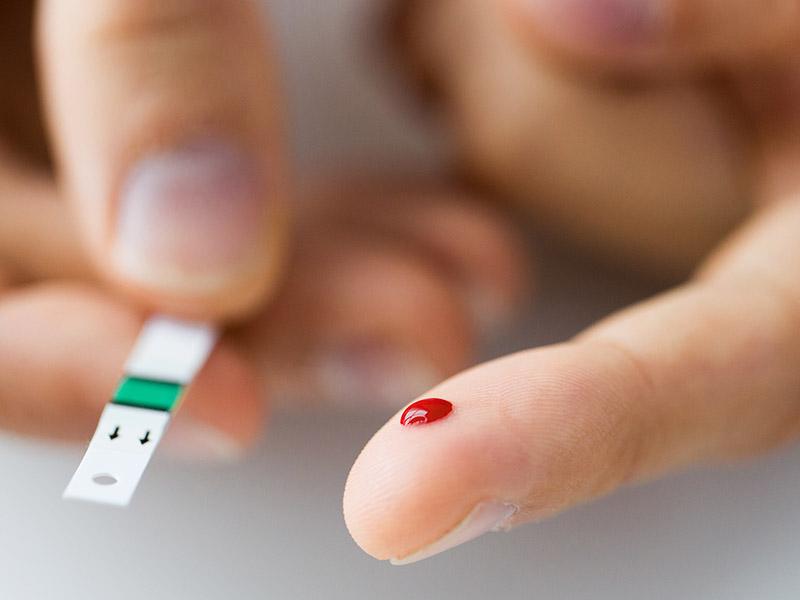
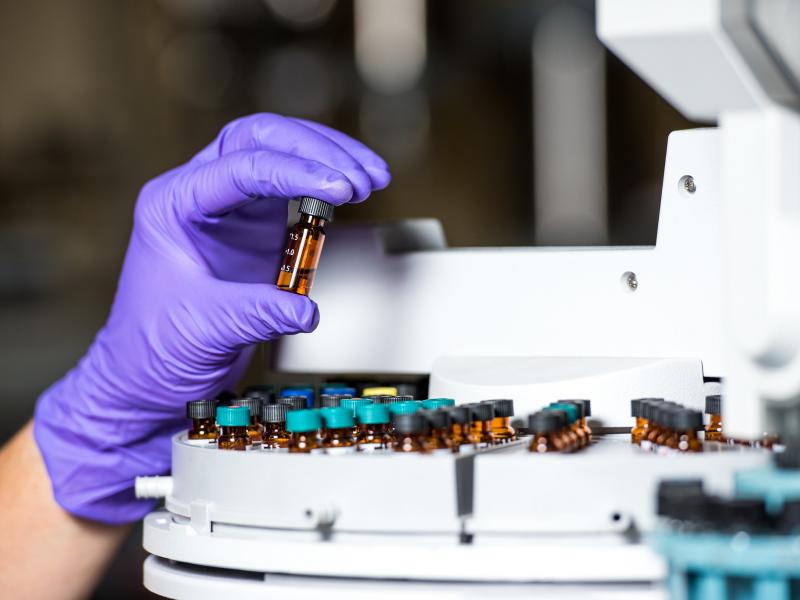
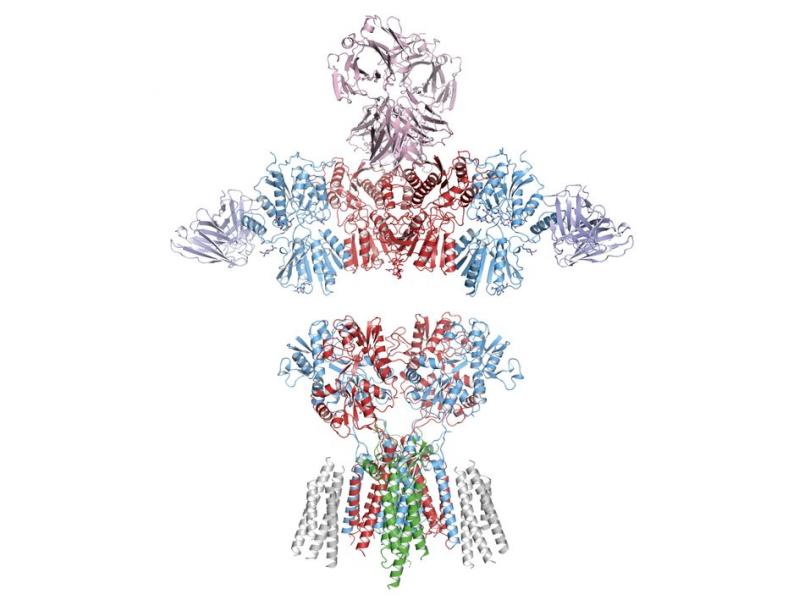
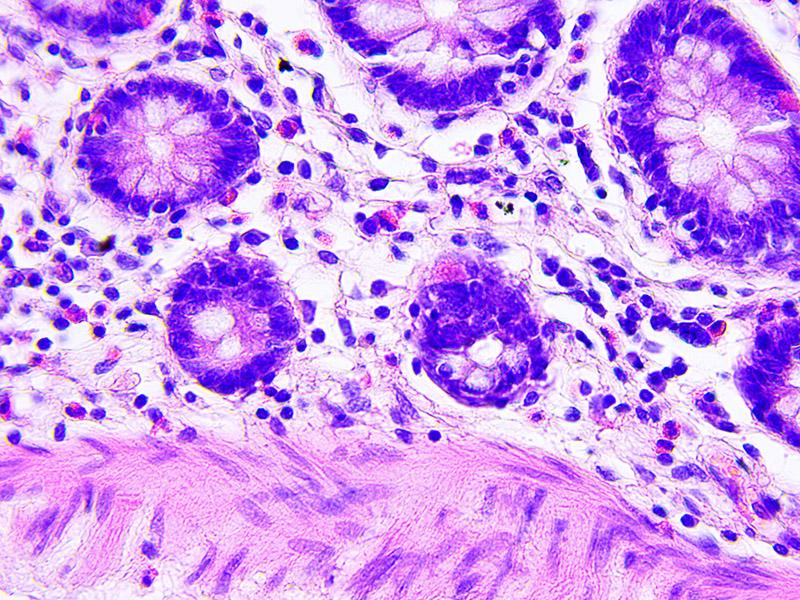
PNNL scientists have taken one of the most in-depth looks ever at the riot of protein activity that underlies colon cancer and have identified potential new molecular targets to try to stop the disease.
The U.S. Nuclear Regulatory Commission, U.S. Army Corps of Engineers, and PNNL partnered to complete—in record time—an environmental impact statement for the nation’s first small modular nuclear reactor, to be sited at Clinch River, Tenn.
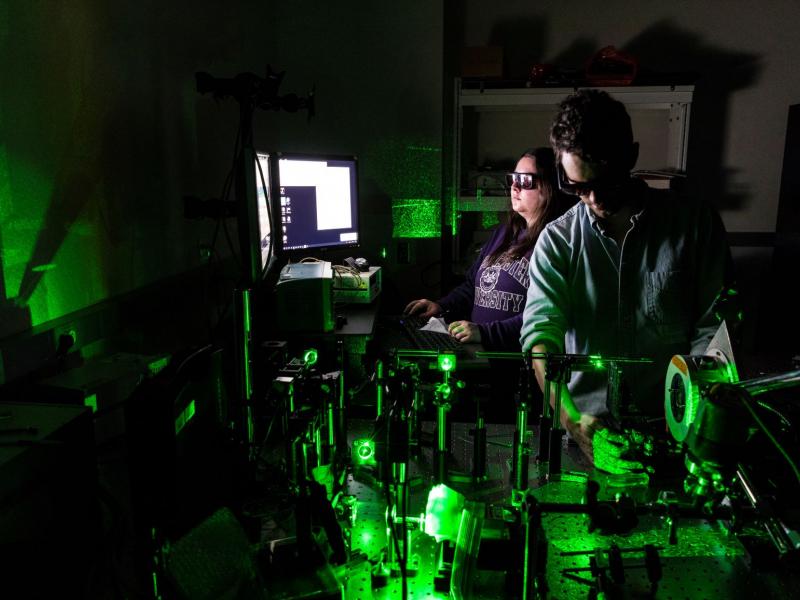
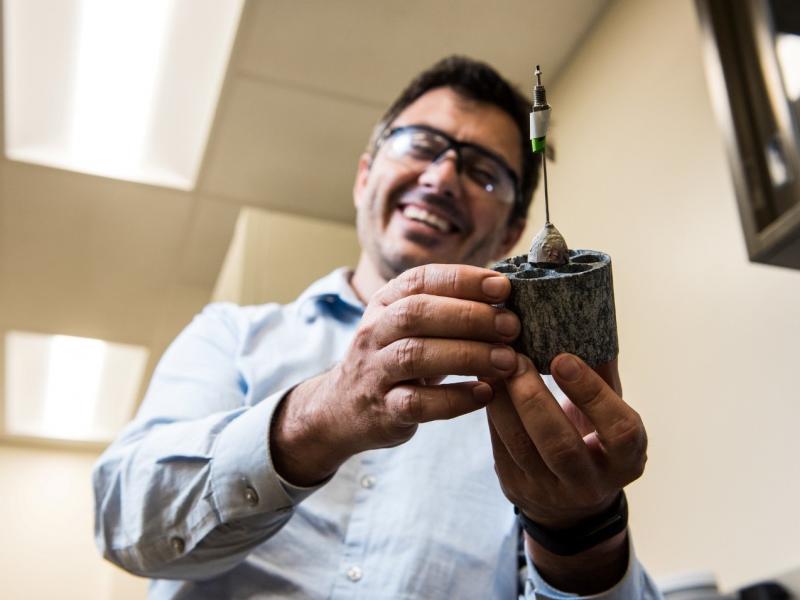
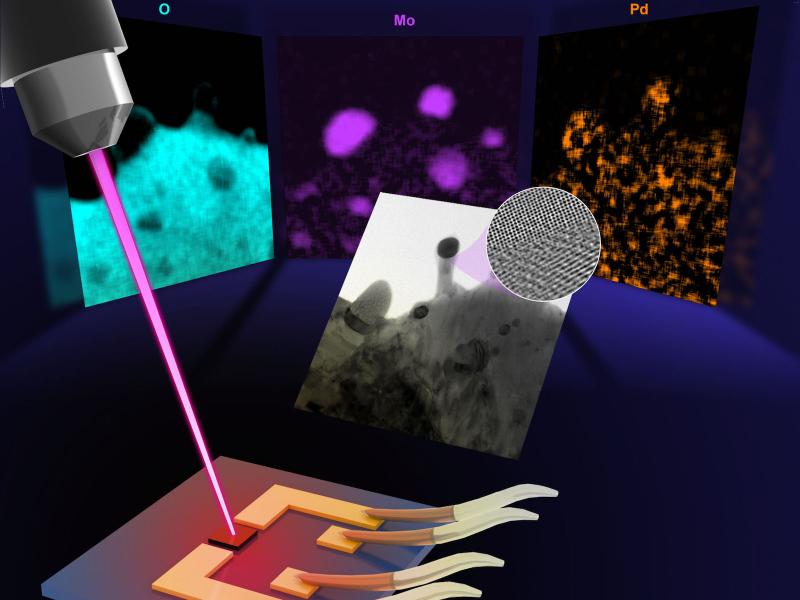
It’s hot in there! PNNL researchers take a close, but nonradioactive, look at metal particle formation in a nuclear fuel surrogate material. What they found will help fill knowledge gaps and could lead to better nuclear fuel designs.
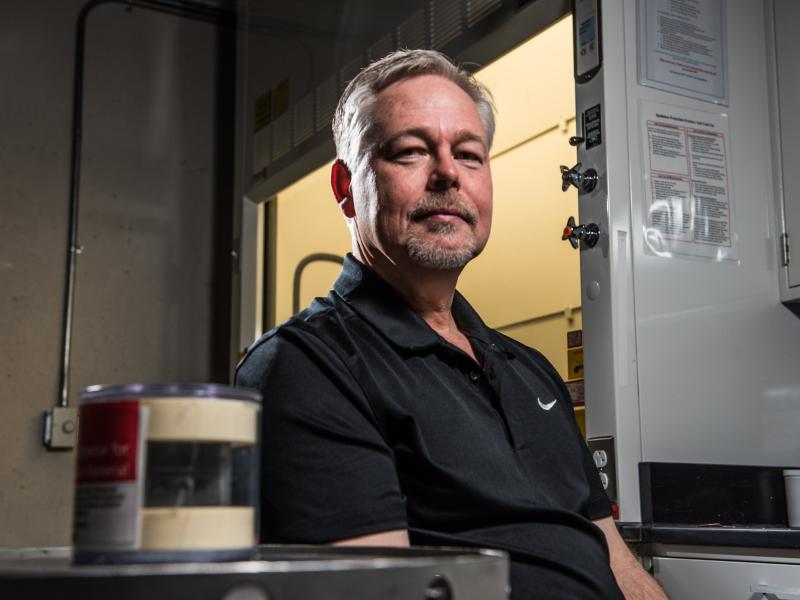
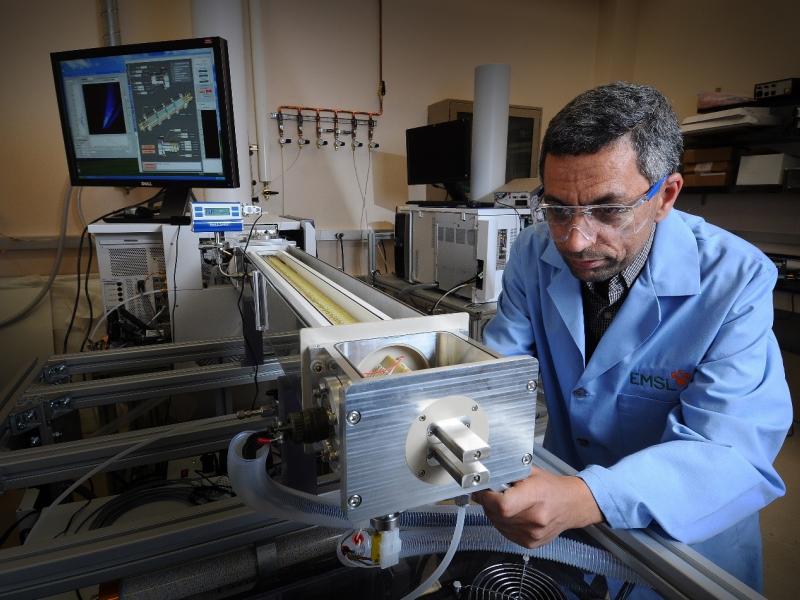
Included in his journeys to the likes of Microsoft, Palantir, IBM, Corning Glass and MIT was a stop at EMSL, the Environmental Molecular Sciences Laboratory. That visit nearly six years ago made an impression.
Researchers at PNNL and their collaborators have made a significant improvement to a catalyst that is more rugged and can reduce tailpipe pollution at lower temperatures than existing methods.
Following the energy crisis of 2000-2001, the State of Washington received financial settlements from six energy companies, a fraction of which was used for energy-efficiency research.
In one of the largest blockchain grid-cyber projects of its kind, PNNL is working with a network of industry partners to test and demonstrate blockchain’s ability to increase the cybersecurity resilience of power grid.
Several years ago, a relatively new catalyst for vehicle emission control began showing failure. A team at PNNL found that this seemingly suicidal catalyst wasn’t actually self-destructing but was the victim of an external assailant.
A new paper found that hydropower turbines with composite blades generate about 20 percent more power than turbines with traditional stainless steel blades at the same flow rate.
When the weather heats up, so does power demand for air conditioners and refrigerators. But what if you could cool things down by using heat itself instead of electricity?
A new technology that offers a novel way to manufacture extrusions with unprecedented improvements in material properties recently received a U.S. patent.
Can computer vision help radiologists find signs of potential breast cancer? PNNL researchers are discovering to what extent deep learning—a form of artificial intelligence—can be applied to help find cancer in diagnostic images.
Mama and calf humpback whales—considered a vulnerable species that might be entangled in underwater equipment—star in a new animation video that depicts the marine mammals’ scale and movements relative to floating offshore wind farms.