PNNL

  • About
  • News & Media
  • Careers
  • Events
  • Research
    • Scientific Discovery
      • Autonomous Science
      • Biology
        • Chemical Biology
        • Computational Biology
        • Ecosystem Science
        • Integrative Omics
          • Advanced Metabolomics
          • Chemical Biology
          • Mass Spectrometry-Based Measurement Technologies
          • Spatial and Single-Cell Proteomics
          • Structural Biology
        • Microbiome Science
          • Biofuels & Bioproducts
          • Human Microbiome
          • Soil Microbiome
          • Synthetic Biology
        • Predictive Phenomics
        • Toward a Standard Model of Biology
        • Human Health
          • Cancer Biology
          • Exposure Science & Pathogen Biology
      • Earth & Coastal Sciences
        • Global Change
        • Atmospheric Science
          • Atmospheric Aerosols
          • Human-Earth System Interactions
          • Modeling Earth Systems
        • Coastal Science
        • Ecosystem Science
        • Subsurface Science
        • Terrestrial Aquatics
      • Materials Sciences
        • Materials in Extreme Environments
        • Nondestructive Examination
        • Precision Materials by Design
        • Science of Interfaces
        • Smart Advanced Manufacturing
          • Cold Spray
          • Friction Stir Welding & Processing
          • ShAPE
      • Nuclear & Particle Physics
        • Dark Matter
        • Neutrino Physics
        • Fusion Energy Science
      • Quantum Information Sciences
      • Chemistry
        • Computational Chemistry
        • Chemical Separations
        • Chemical Physics
        • Catalysis
      • Fusion Energy Science
    • Energy Resiliency
      • Critical Minerals and Materials
        • Replacement
        • Separations and Recovery
        • Supply Chain Modeling
      • Electric Grid Modernization
        • Emergency Response
        • Grid Analytics
          • AGM Program
          • Tools and Capabilities
        • Grid Architecture
          • Basic Terms & Principles
          • Resource Library
        • Grid Cybersecurity
        • Grid Energy Storage
        • Transmission
        • Distribution
      • Energy Efficiency
        • Appliance and Equipment Standards
        • Building Energy Codes
        • Building Technologies
          • Advanced Building Controls
          • Advanced Lighting
          • Building-Grid Integration
        • Commercial Buildings
        • Federal Buildings
          • Federal Performance Optimization
          • Resilience and Security
        • Residential Buildings
          • Building America Solution Center
          • Energy Efficient Technology Integration
          • Home Energy Score
        • Energy Efficient Technology Integration
      • Energy Storage
        • Electrochemical Energy Storage
        • Flexible Loads and Generation
        • Grid Integration, Controls, and Architecture
        • Regulation, Policy, and Valuation
        • Science Supporting Energy Storage
        • Chemical Energy Storage
      • Environmental Management
        • Waste Processing
        • Radiation Measurement
        • Environmental Remediation
      • Fossil Energy
        • Subsurface Energy Systems
        • Advanced Hydrocarbon Conversion
      • Nuclear Energy
        • Fuel Cycle Research
        • Advanced Reactors
        • Reactor Operations
        • Reactor Licensing
        • Nondestructive Examination
      • Renewable Energy
        • Solar Energy
        • Wind Energy
          • Wind Resource Characterization
          • Wildlife and Wind
          • Wind Systems Integration
          • Wind Data Management
          • Distributed Wind
        • Marine Energy
          • Environmental Monitoring for Marine Energy
          • Marine Biofouling and Corrosion
          • Marine Energy Innovation
          • Marine Energy Resource Characterization
          • Testing for Marine Energy
        • Hydropower
          • Environmental Performance of Hydropower
          • Hydropower Cybersecurity and Digitalization
          • Hydropower and the Electric Grid
          • Materials Science for Hydropower
          • Pumped Storage Hydropower
          • Water + Hydropower Planning
        • Grid Integration of Renewable Energy
        • Geothermal Energy
          • Geothermal Materials Research
      • Transportation
        • Bioenergy Technologies
          • Algal Biofuels
          • Aviation Biofuels
          • Waste-to-Energy and Products
        • Hydrogen & Fuel Cells
        • Vehicle Technologies
          • Emission Control
          • Energy-Efficient Mobility Systems
          • Lightweight Materials
          • Vehicle Electrification
          • Vehicle Grid Integration
    • National Security
      • Chemical & Biothreat Signatures
        • Contraband Detection
        • Pathogen Science & Detection
        • Explosives Detection
        • Threat-Agnostic Biodefense
      • Cybersecurity
        • Discovery and Insight
        • Proactive Defense
        • Trusted Systems
      • Nuclear Material Science
      • Nuclear Nonproliferation
        • Radiological & Nuclear Detection
        • Nuclear Forensics
        • Ultra-Sensitive Nuclear Measurements
        • Nuclear Explosion Monitoring
        • Global Nuclear & Radiological Security
      • Stakeholder Engagement
        • Disaster Recovery
        • Global Collaborations
        • Legislative and Regulatory Analysis
        • Technical Training
      • Systems Integration & Deployment
        • Additive Manufacturing
        • Deployed Technologies
        • Rapid Prototyping
        • Systems Engineering
      • Threat Analysis
        • Advanced Wireless Security
          • 5G Security
          • RF Signal Detection & Exploitation
        • Border Security
        • Internet of Things
        • Maritime Security
        • Millimeter Wave
        • Mission Risk and Resilience
    • Data Science & Computing
      • Artificial Intelligence
      • Graph and Data Analytics
      • Computational Mathematics & Statistics
      • Future Computing Technologies
        • Adaptive Autonomous Systems
    • Science & Technology Strategy
    • Publications & Reports
    • Featured Research
  • People
    • Inventors
    • Lab Leadership
    • Lab Fellows
    • Staff Accomplishments
  • Partner with PNNL
    • Education
      • Undergraduate Students
      • Graduate Students
      • Post-graduate Students
      • University Faculty
      • University Partnerships
      • K-12 Educators and Students
      • STEM Education
        • STEM Workforce Development
        • STEM Outreach
      • Internships
    • Community
      • Philanthropy
      • Volunteering
    • Industry
      • Why Partner with PNNL
      • Explore Types of Engagement
      • How to Partner with Us
      • Available Technologies
      • Procurement
      • Technology Ombuds
  • Facilities & Centers
    • All Facilities
      • Atmospheric Radiation Measurement User Facility
      • Electricity Infrastructure Operations Center
      • Energy Sciences Center
      • Environmental Molecular Sciences Laboratory
      • Grid Storage Launchpad
      • Institute for Integrated Catalysis
      • Interdiction Technology and Integration Laboratory
      • PNNL Portland Research Center
      • PNNL-Seattle
      • PNNL-Sequim (Marine and Coastal Research)
      • Radiochemical Processing Laboratory
      • Shallow Underground Laboratory

Breadcrumb

  1. Partner with PNNL
  2. Education
  3. STEM Education

STEM Education

Preparing a highly skilled 
STEM workforce of the future

  • STEM Workforce Development
  • STEM Outreach

Today’s students are tomorrow’s experts. That’s why Pacific Northwest National Laboratory (PNNL) is dedicated to developing career pathways, education, and resources to attract and prepare the highly skilled workforce in science, technology, engineering, and mathematics (STEM) at the Department of Energy, to meet the future needs of the nation. 

PNNL STEM Education guides a portfolio of programs designed to inspire the next generation, equip educators who mentor and teach students, and develop partnerships that create diverse pathways for STEM careers.

National laboratories are situated at a unique intersection of collaborative research due to their state-of-the-art scientific facilities, world-class instruments in our laboratories, and the multidisciplinary teams that come together to take on science challenges of our day. It’s where people come to do the world-changing work of science in a way unlike any other institution. PNNL STEM Education welcomes educators and students into the world of national lab research, creating opportunities to ignite curiosity, learn about science, and grow in research skills. We’re out to change the world hand in hand with the future generation of science experts. 

  • STEM Outreach: PNNL’s staff are passionate about sharing their amazing science with the public to ignite passion, increase interest, and enhance knowledge of STEM. Our programs are crafted to drive curiosity in the next generation by partnering with STEM organizations in our community, middle schools, high schools, and STEM educators. 
  • STEM Workforce Development: PNNL partners with higher education institutions and K-12 educators to foster the next generation of scientists and engineers. Welcoming nearly 1,500 interns annually and partnering with faculty nationwide for research impact, our STEM Workforce Development portfolio includes a range of opportunities that operate throughout the year.

Contact Us: 

For more information, contact: stem.education@pnnl.gov.

Recent News

JULY 1, 2026
Staff Accomplishment

Two PNNL Scientists Honored at Inaugural DOE Mentor Award Ceremony

Read
2026 WDTS Mentor Awards
JANUARY 29, 2026
Feature

New Minds for New Mines

Read
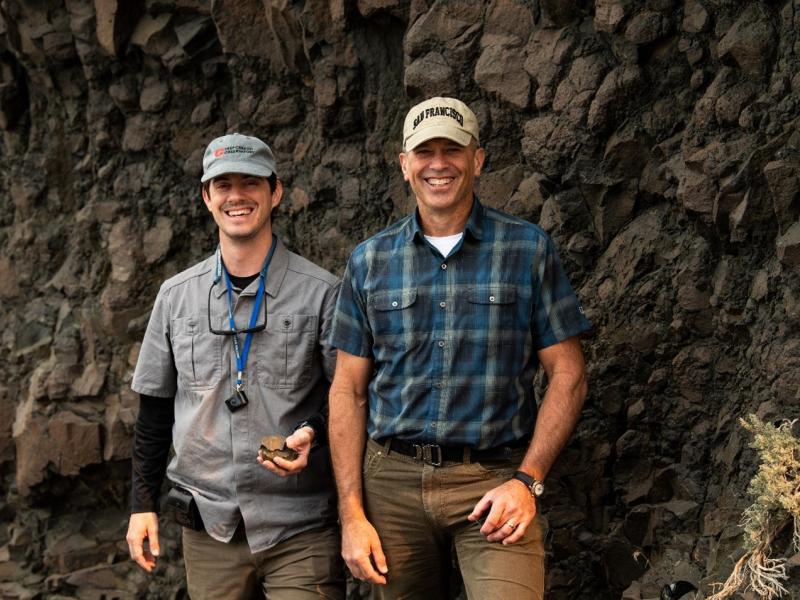
Photograph of Quin Miller and Todd Schaef together, outdoors
JULY 2, 2025
Article

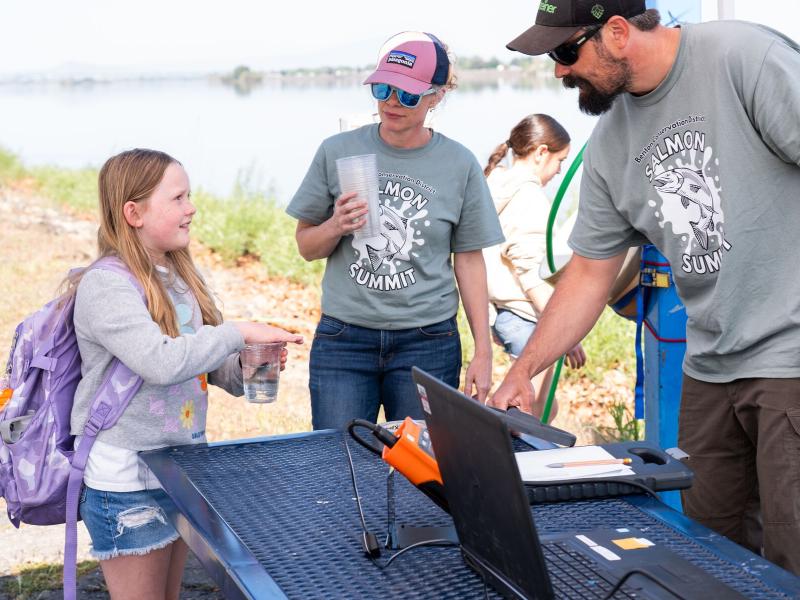
Salmon Summit Introduces Thousands of Students to Research at PNNL

Read
Student holds cup with salmon inside and talks to two STEM ambassadors
JANUARY 17, 2025
Article

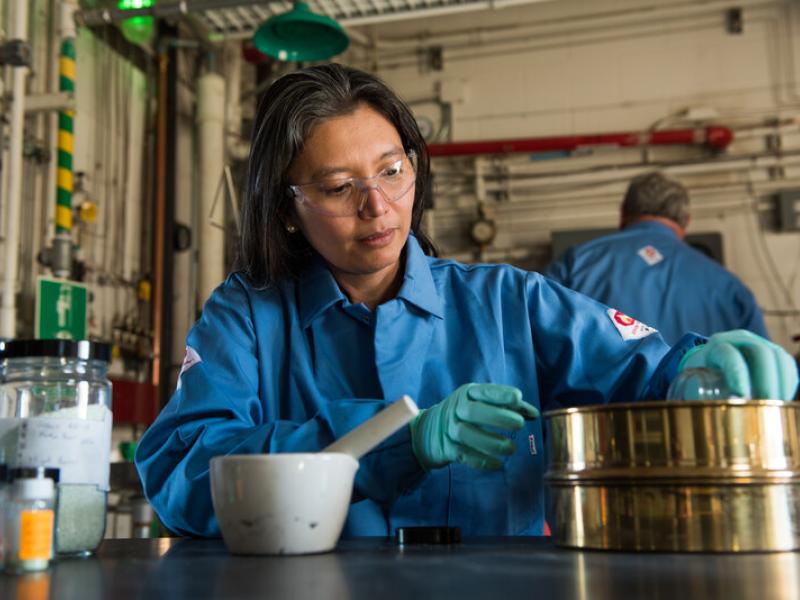
The Youth Are Our Future: Mentor Mariefel Olarte Invests in Interns

Read
Researchers grind and then sift catalysts to prepare them for the reactor. The size of the catalyst, among other things, can affect how well they can convert the feed to the desired products and how well a reactor operates.
JANUARY 7, 2025
Feature

Identifying the Elements for Carbon Storage

Read
Photo of intern Arianna Morfin holding mineral samples in front of a scientific instrument
AUGUST 26, 2024
Director's Column

More than 1,700 PNNL Interns Help to Advance Science and Technology

Read
Ricardo Sandoval, dressed in full lab safety gear.
Read More Stories

Related Links

CollaborationsResourcesInternshipsMeet the Team

PNNL

  • Get in Touch
    • Contact
    • Careers
    • Doing Business
    • Environmental Reports
    • Security & Privacy
    • Vulnerability Disclosure Policy
    • Notice to Applicants
  • Research
    • Scientific Discovery
    • Energy Resiliency
    • National Security
Subscribe to PNNL News
Department of Energy Logo Battelle Logo
Pacific Northwest National Laboratory (PNNL) is managed and operated by Battelle for the Department of Energy
  • YouTube
  • Facebook
  • X (formerly Twitter)
  • Instagram
  • LinkedIn