The extreme conditions of geothermal wells and reservoirs require materials that can withstand high-temperature and -pressure environments. To maximize and extend the lifespan of developed geothermal resources for electricity generation, existing and novel materials used in geothermal wells have to be tested for their adaptability to these extreme conditions. The testing of the materials for geothermal development ranges from nano- to full-scale research that improves the performance of geothermal wells.
Geothermal Materials Science at PNNL
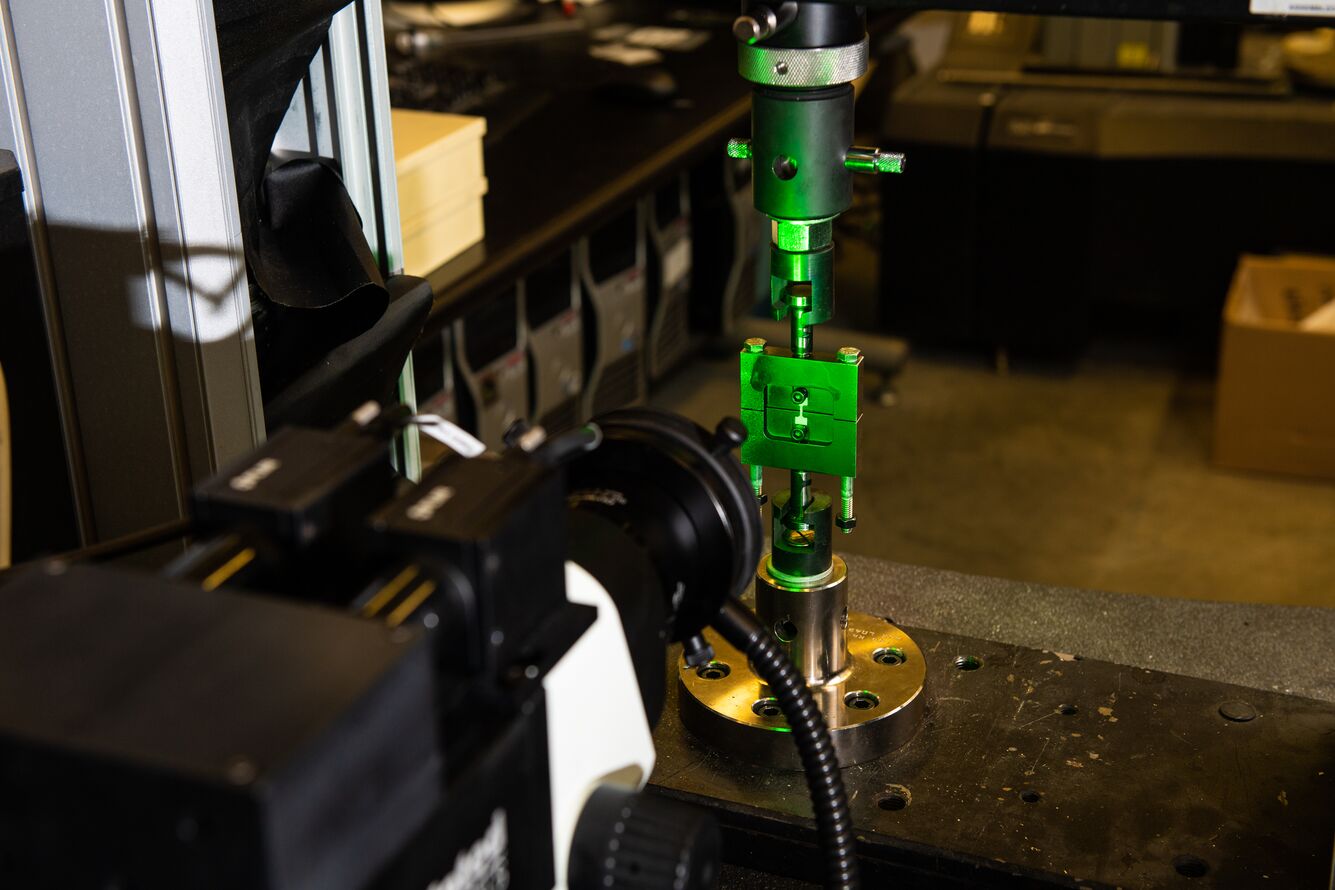
The geothermal materials science research happening at Pacific Northwest National Laboratory (PNNL) is innovating, testing, and manufacturing materials to understand deterioration and the quality & longevity of materials under geothermal pressures and temperatures, to extend the lifespan and reduce downtime of geothermal developments.
When it comes to innovative research, the Mechanical Behavior and Corrosion team is investigating how and why geothermal materials degrade under extreme environments. Their expertise spans mechanical testing under geothermal conditions, corrosion science and environmental testing, advanced imaging of damage and degradation, and predictive modeling of material performance. This integrated approach connects nanoscale damage mechanisms to full-component behavior, helping predict reliability before materials are deployed in subsurface systems where inspection and replacement are difficult.
Researchers at PNNL are also studying how geothermal materials withstand extreme environments defined by high temperature, high pressure, and corrosive fluids, and require long service lifetimes. PNNL designs integrated experiments that combine these conditions to evaluate materials before deployment using the following methods:
- Mechanical and Environmental Testing
- Tensile, compression, fatigue, fracture toughness, crack-growth, creep, creep–fatigue, and thermal-cycling testing under geothermally relevant conditions.
- Corrosion fatigue, slow strain-rate, hydrogen embrittlement, and weld/heat-affected-zone performance evaluation.
- Corrosion, Erosion, and Coating Testing
- High-temperature and high-pressure autoclave corrosion testing in simulated geothermal fluids, including super-hot environments exceeding 375 °C.
- Pitting, crevice, galvanic, erosion–corrosion, tribocorrosion, scaling, under-deposit corrosion, and coating durability testing.
- Materials Characterization and Failure Analysis
- Pre- and post-exposure characterization using scanning electron microscopy (SEM) / energy dispersive X-ray spectroscopy (EDS), X-ray diffraction (XRD), transmission electron microscopy (TEM), atom probe tomography (APT), optical microscopy, hardness testing, and phase analysis.
- Evaluation of cracking, corrosion products, phase transformations, coating degradation, and other material failure mechanisms.
- PNNL Materials Processing and Manufacturing Capabilities
- Alloy development, casting, powder processing, heat treatment, rolling, extrusion, shear-assisted processing and extrusion (ShAPE), cold spray, and other advanced solid-phase processing approaches for geothermal components.
- Surface engineering, coating deposition, welding and joining, component fabrication, process optimization, and scale-up of corrosion- and wear-resistant materials.
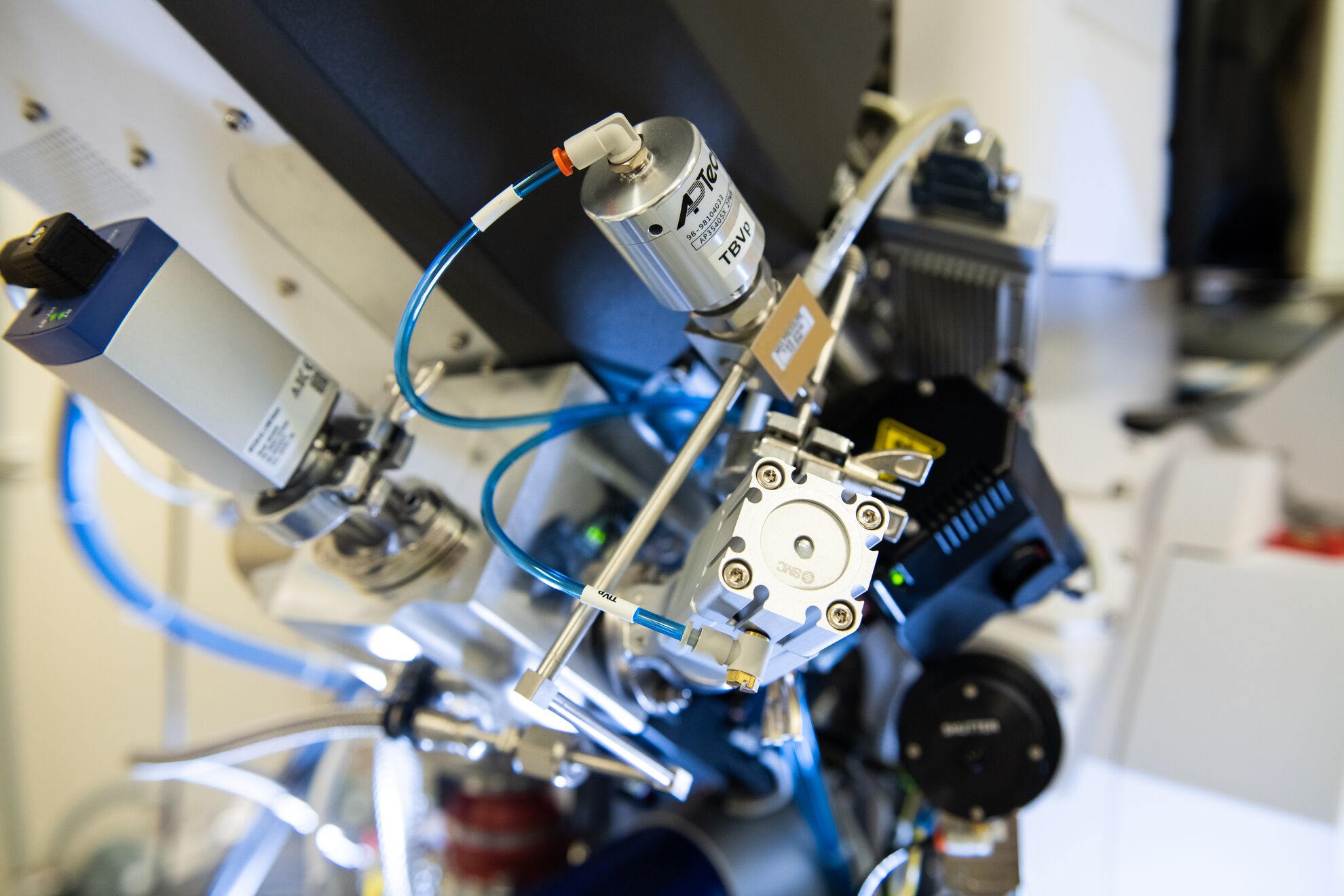
PNNL is evaluating existing materials and emerging technologies for geothermal applications, including cements, drilling components, and protective coatings. These advanced materials and processing capabilities include cold spray, laser and plasma surface modification and other surface modification approaches, and smart advanced manufacturing such as ShAPE and friction stir processing to develop, repair, and improve geothermal components.
Scientists at PNNL collaborate with industry, research teams, and sponsors to evaluate materials that are used in geothermal drilling and production, develop next-generation coatings and components, and predict lifetime performance in extreme environments.