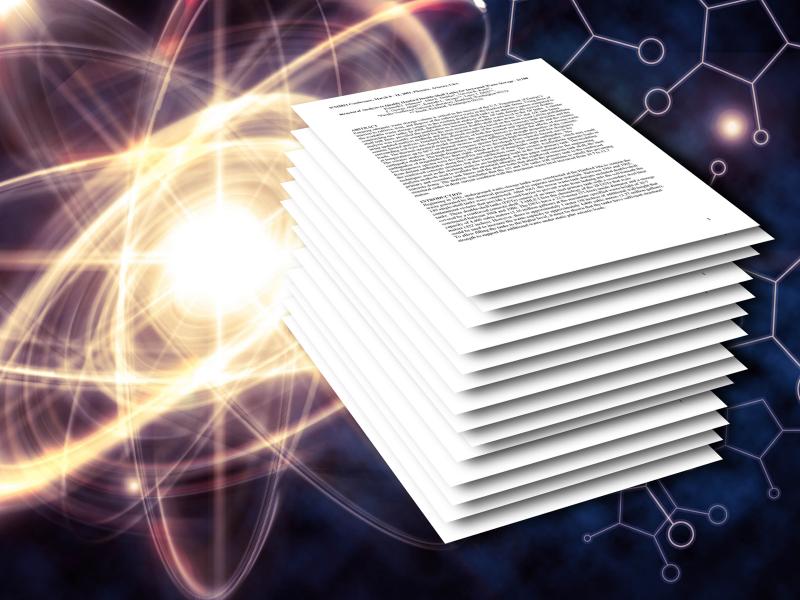
2021 marks the largest cohort of PNNL authors and co-authors to be recognized at annual Waste Management Symposia for environmental management research.
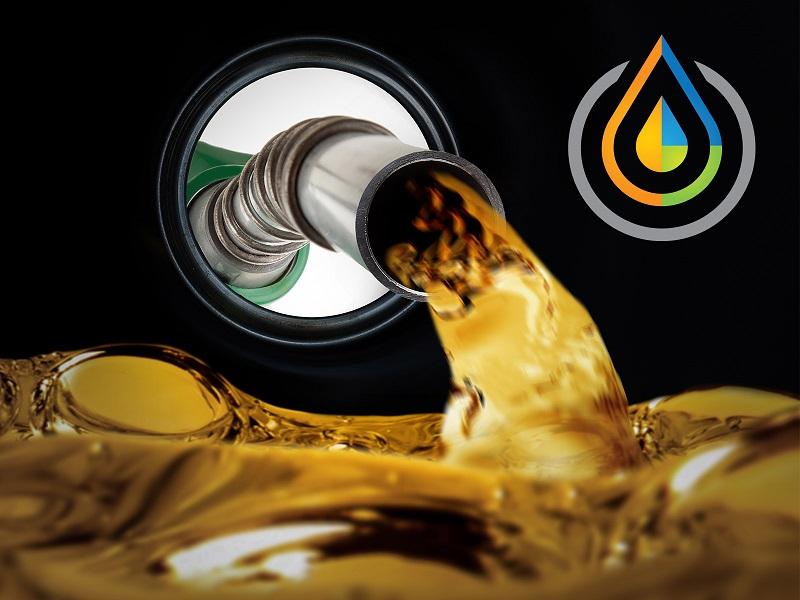
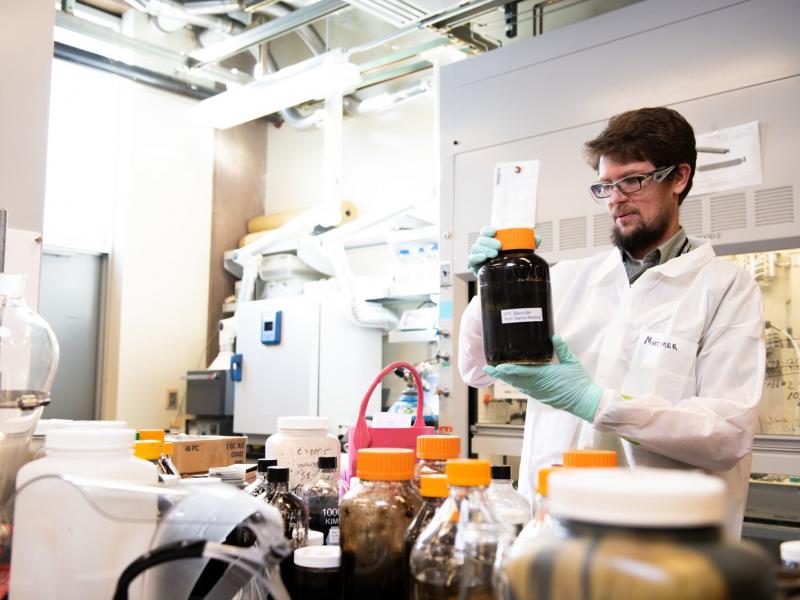
A new report led by PNNL identifies the top 13 most promising waste- and biomass-derived diesel blendstocks for reducing greenhouse gas emissions, other pollutants, and overall system costs.
Researchers developed two solutions for air-conditioning—a novel, energy-efficient dehumidification system and a technology to detect refrigerant leaks. Both help increase energy-efficiency and reduce costs.
The Washington State Academy of Sciences consists of more than 300 elected members who are nationally recognized for their scientific and technical expertise.
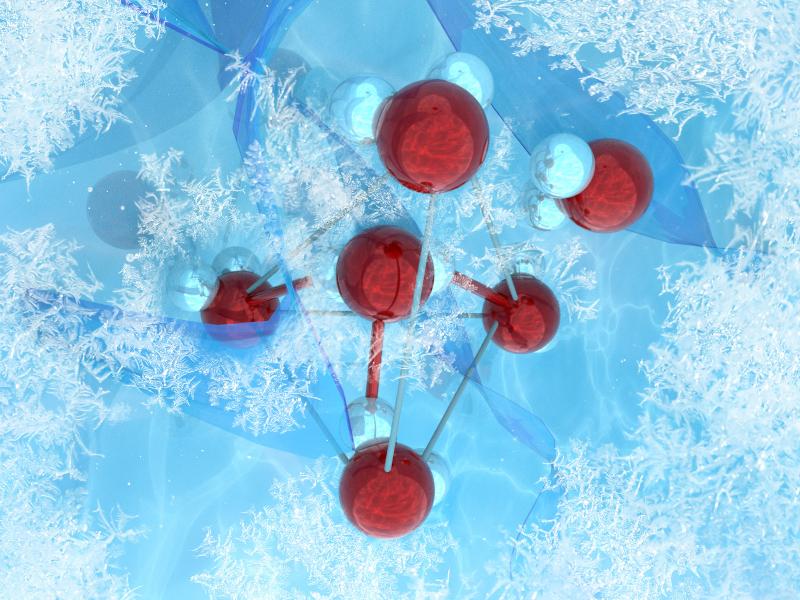
New study elucidates the complex relaxation kinetics of supercooled water using a pulsed laser heating technique at previously inaccessible temperatures.
PNNL bioenergy expert Justin Billing has contributed expertise to a newer standard designed to ensure the safety, performance, and sustainability of prefabricated fecal sludge treatment units.
Principles derived from coastal wetlands to describe wetland channel cross-sections were applicable to the Columbia River estuary, but not the tidal river.
Risk analysis on the plutonium-fueled power system that supplies electricity to the Mars rover answered the “what if” nuclear safety questions for NASA.
A webapp developed by PNNL in collaboration with the University of Washington to help drive efficiencies for urban delivery drivers is now in the prototype stage and ready for testing.
A collaboration among PNNL, Washington State University, and Tsinghua University has led to the discovery of a mechanism behind the decline in performance of an advanced copper-based catalyst.