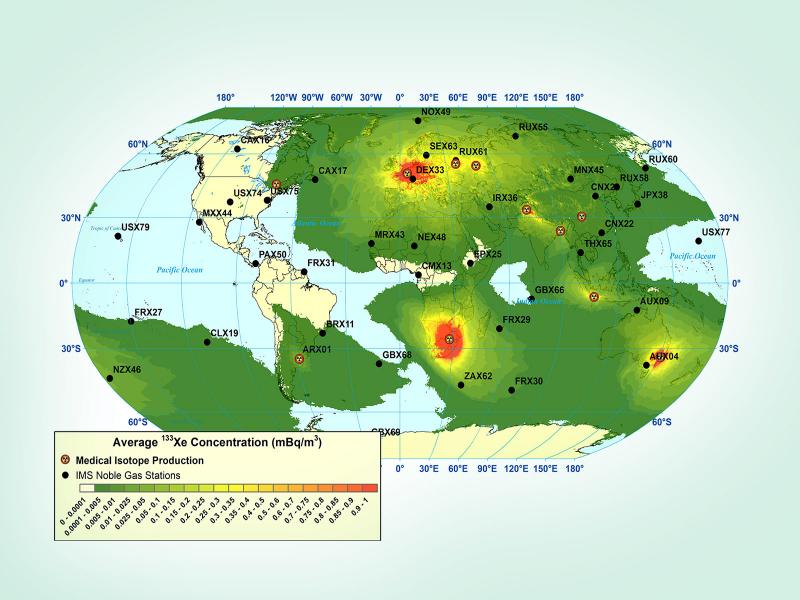
Scientists at PNNL have contributed much of the nuclear science that underlies an international monitoring system designed to detect nuclear explosions worldwide. The system detects radioxenon anywhere on the planet.
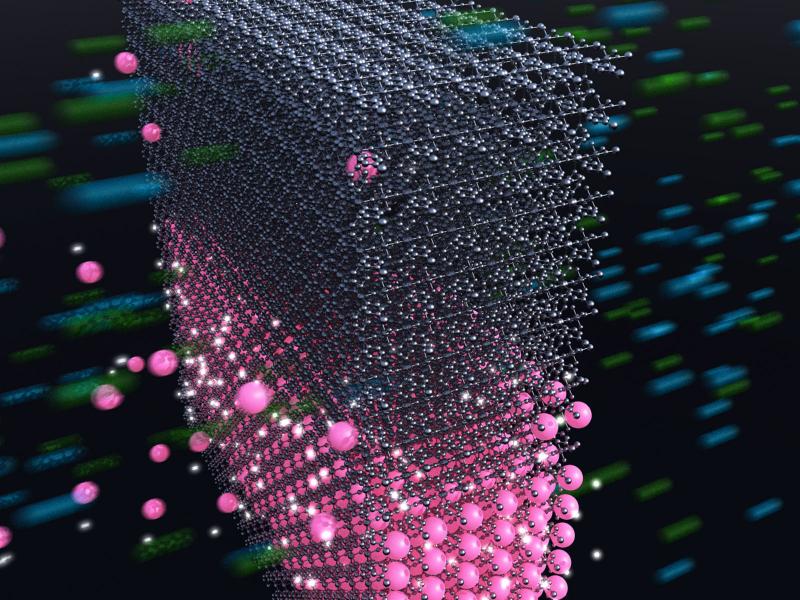
A new radiation-resistant material for the efficient capture of noble gases xenon and krypton makes it safer and cheaper to recycle spent nuclear fuel.
A strong interdisciplinary team with a high-performance track record recently received their third Award of Excellence in five years from the National Nuclear Security Administration (NNSA).
A chemistry paper on the used nuclear fuel recycling process, led by PNNL lab fellow Gregg Lumetta, ranked 18th in Scientific Reports for downloads in 2019
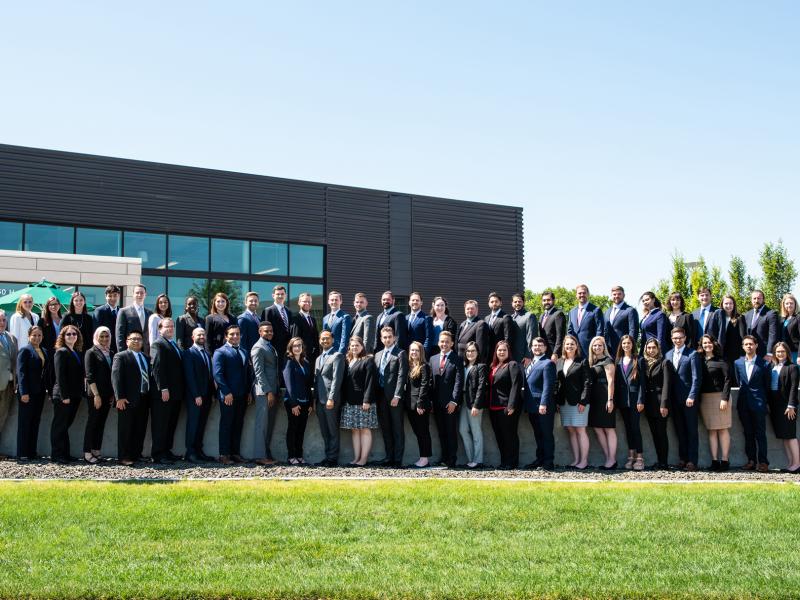
Like many graduates crossing the finish line in 2020, the National Nuclear Security Administration Graduate Fellowship Program class of 2019-2020 transitioned its closing ceremony to a virtual environment, joined by NNSA and PNNL leaders.
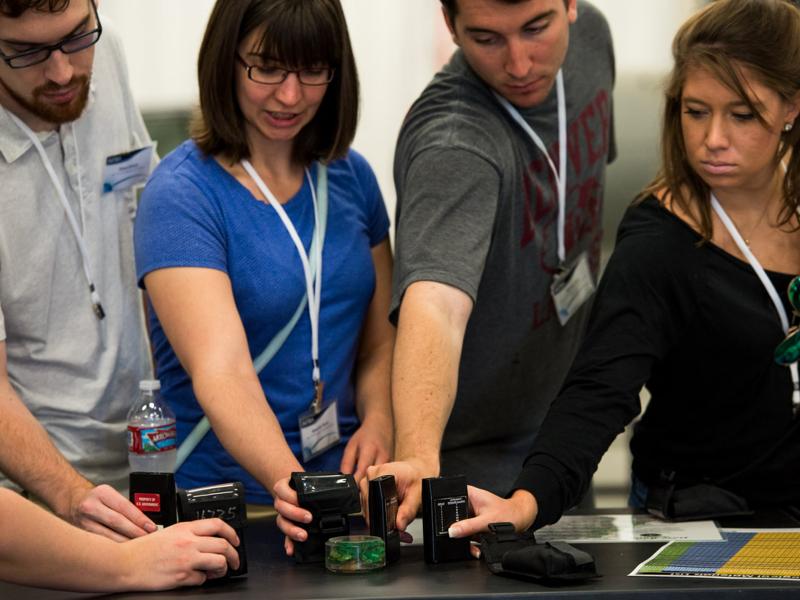
PNNL and the National Nuclear Security Administration are building future leaders for nuclear security through the NNSA Graduate Fellowship Program, a hands-on fellowship spanning the nuclear security enterprise.
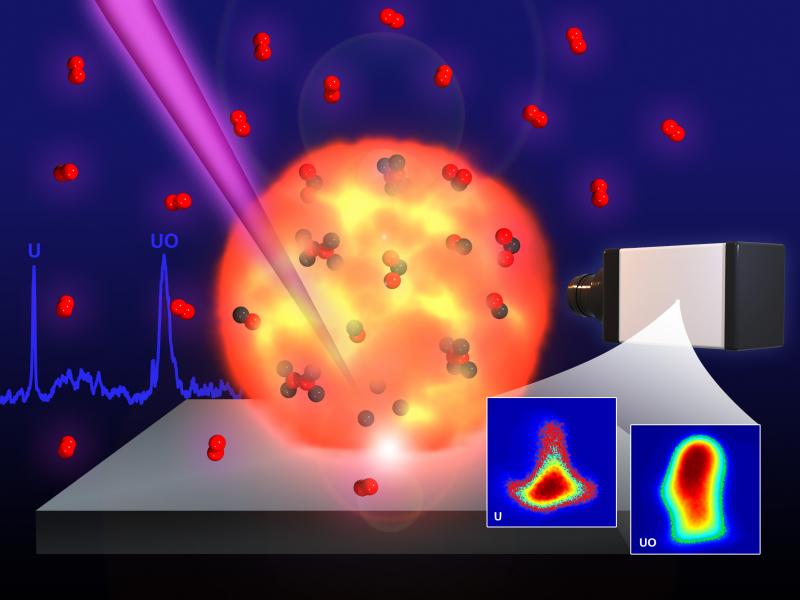
A team of researchers is working to expand our uranium chemistry understanding using a surprising tool: lasers. This capability gives never-before-seen insight into uranium gas-phase oxidation during nuclear explosions.
David Senor, PNNL researcher and tritium expert, has been named to the Texas A&M University Nuclear Engineering Advisory Council. This appointment follows Senor’s eight consecutive years of mentoring Texas A&M’s nuclear engineering senior
The world’s largest scientific society honored Sue B. Clark, a PNNL and WSU chemist, for contributions toward resolving our legacy of radioactive waste, advancing nuclear safeguards, and developing landmark nuclear research capabilities.
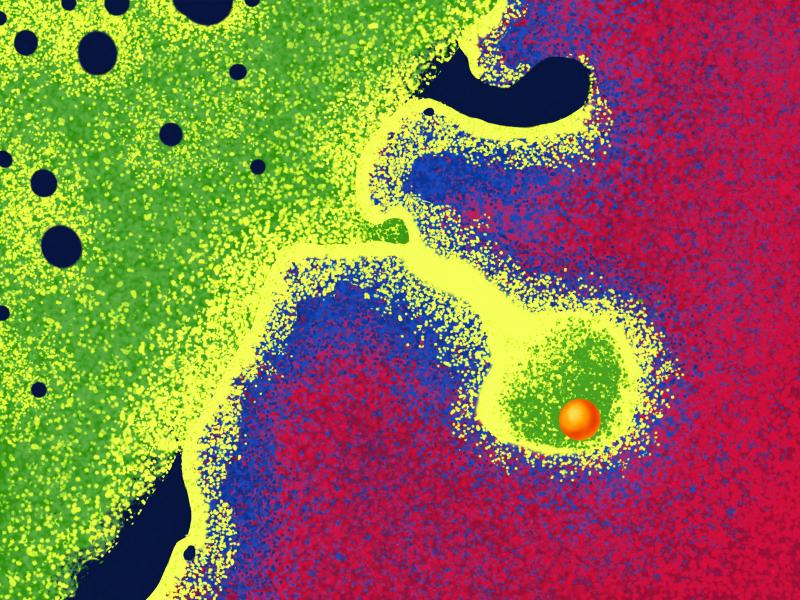
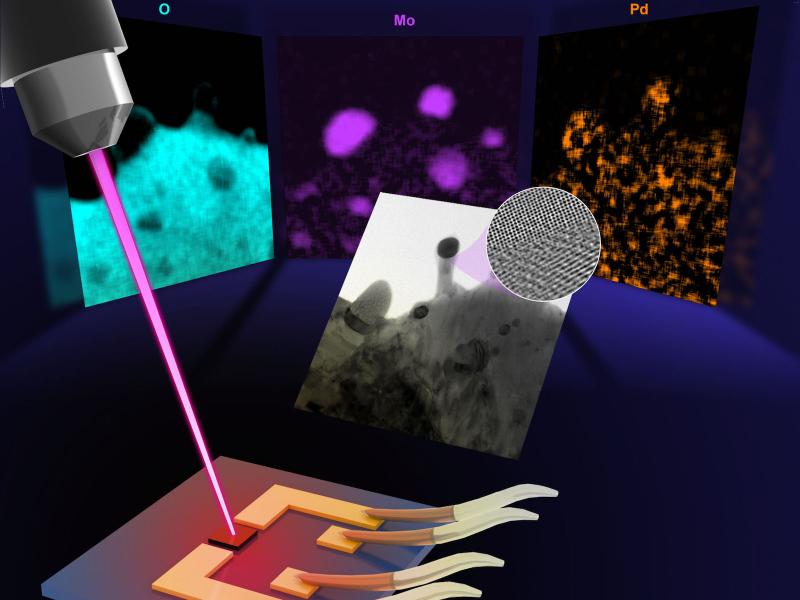
PNNL researchers demonstrated a nanoscale analysis tool to map isotopes to location in low-enriched uranium-molybdenum fuel plates for use in nuclear research reactors.
PNNL and Argonne researchers developed and tested a chemical process that successfully captures radioactive byproducts from used nuclear fuel so they could be sent to advanced reactors for destruction while also producing electrical power.
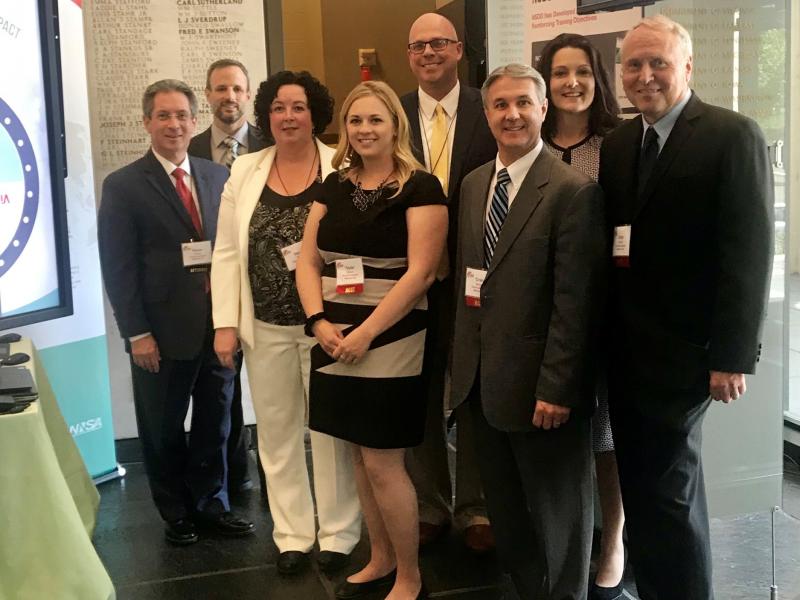
PNNL Laboratory Director Steve Ashby attended an event marking the 20th anniversary of the Department of Energy’s National Nuclear Security Administration Nuclear Smuggling Detection and Deterrence program.
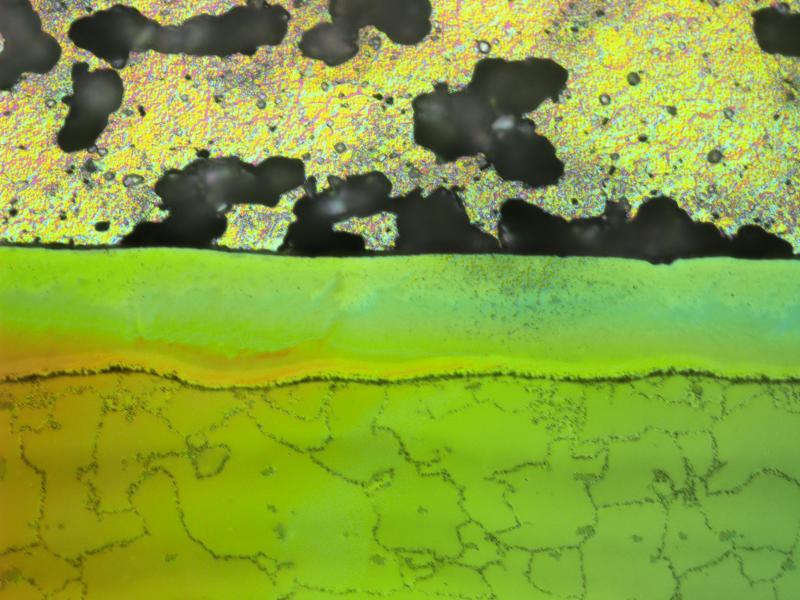
It’s hot in there! PNNL researchers take a close, but nonradioactive, look at metal particle formation in a nuclear fuel surrogate material. What they found will help fill knowledge gaps and could lead to better nuclear fuel designs.
Josef "Pepa" Matyas, a materials scientist in PNNL’s Nuclear Sciences Division, has been elected a fellow of the American Ceramic Society (ACerS). He will be recognized at the ACerS annual meeting on September 30, 2019, in Portland, Ore.
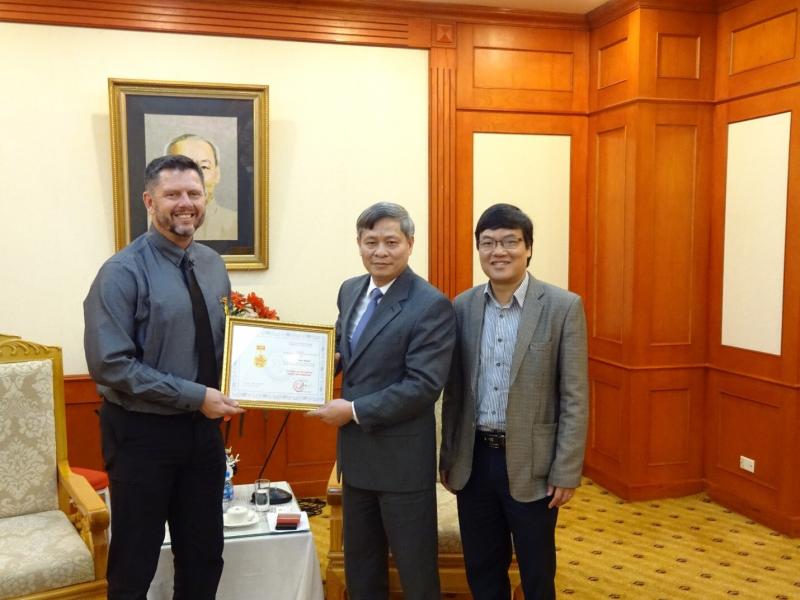
Vietnam's Ministry of Science and Technology (MOST) Deputy Minister Pham Cong Tac awarded the Medal for the Cause of Science and Technology to PNNL's Todd Haynie.