Read interviews with the new Laboratory fellows to learn about their contributions to their field, what drives them, and how their research is making the nation safer, greener, and more resilient.
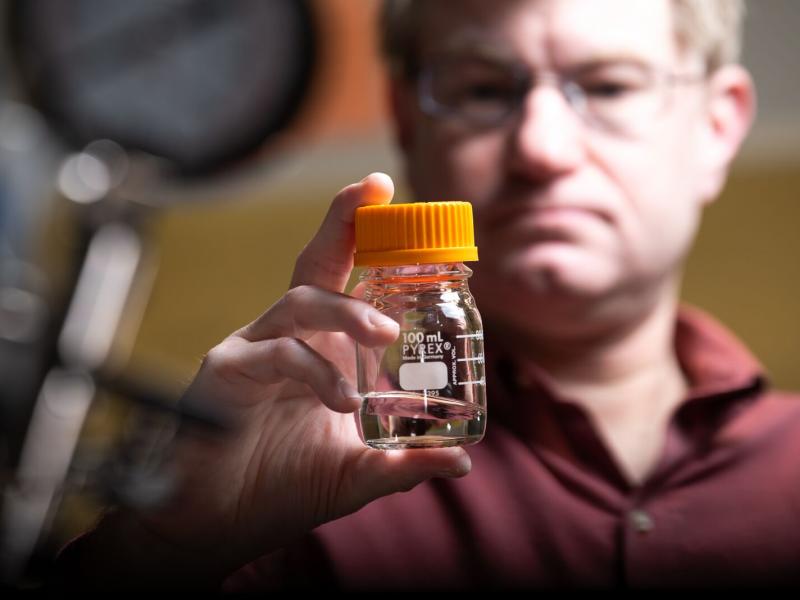
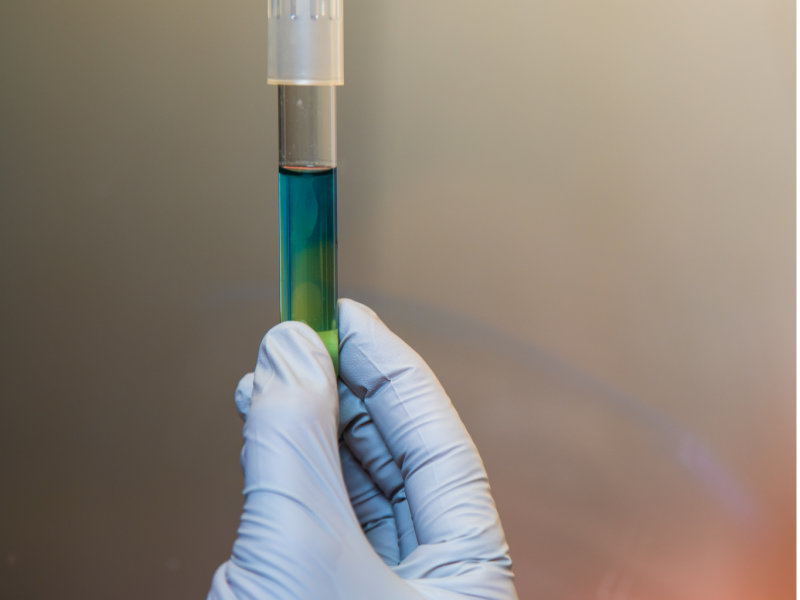
A process developed at PNNL that converts biomass and waste into a chemical intermediate or into gasoline, diesel, and jet fuel is available for commercial licensing.
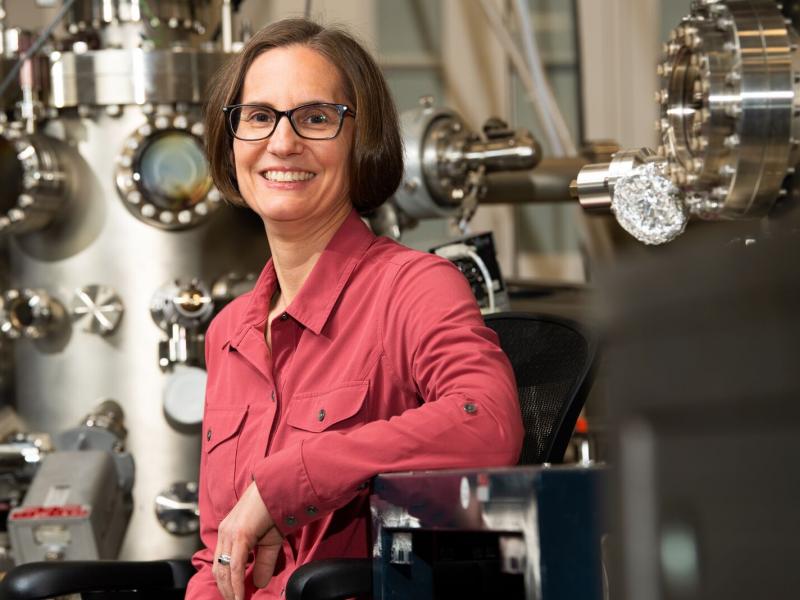
Tiffany Kaspar’s work has advanced the discovery and understanding of oxide materials, helping develop electronics, quantum computing, and energy production. She strives to communicate her science to the public.
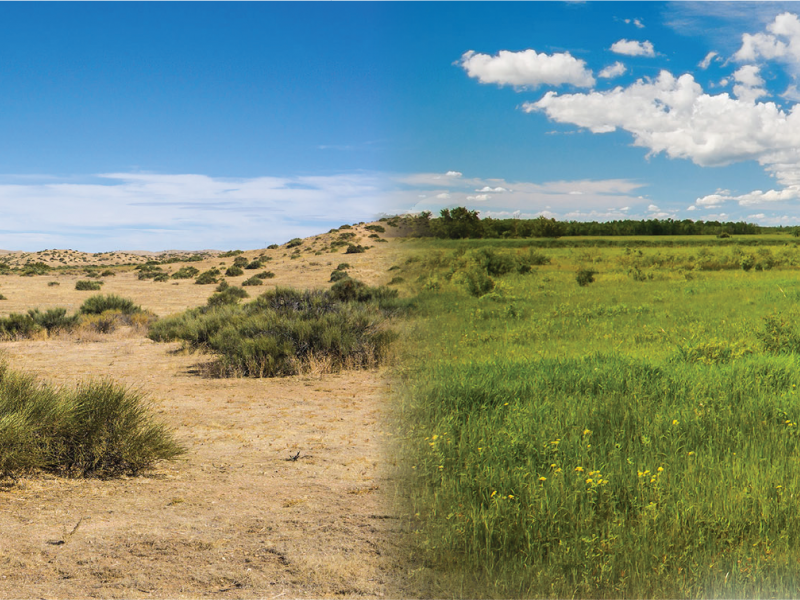
Dominant and functionally important soil microbes show strong, predictable, and distinctly different associations with continental-scale gradients in climate, vegetation, and soil moisture.
A novel ecological measurement uncovered interactions between river corridor organic matter assemblages and microbial communities, highlighting potentially important microbial taxa and molecular formula types.
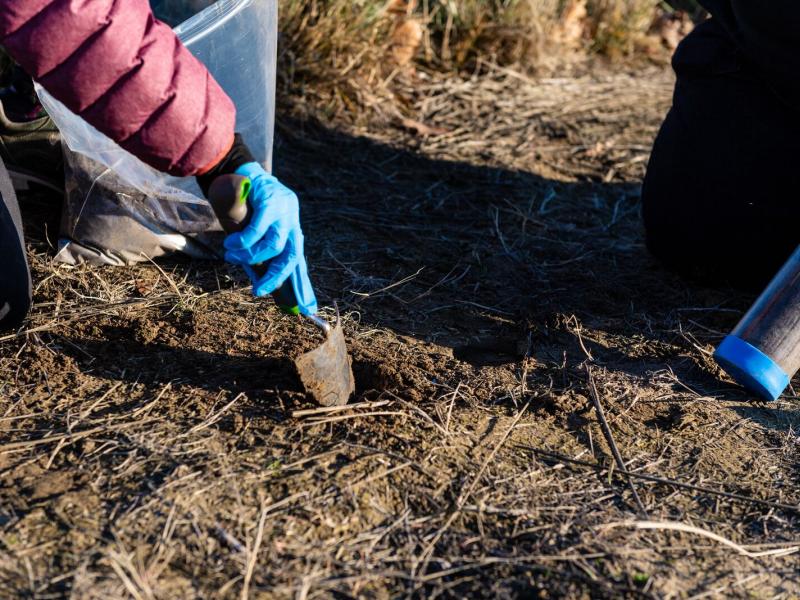
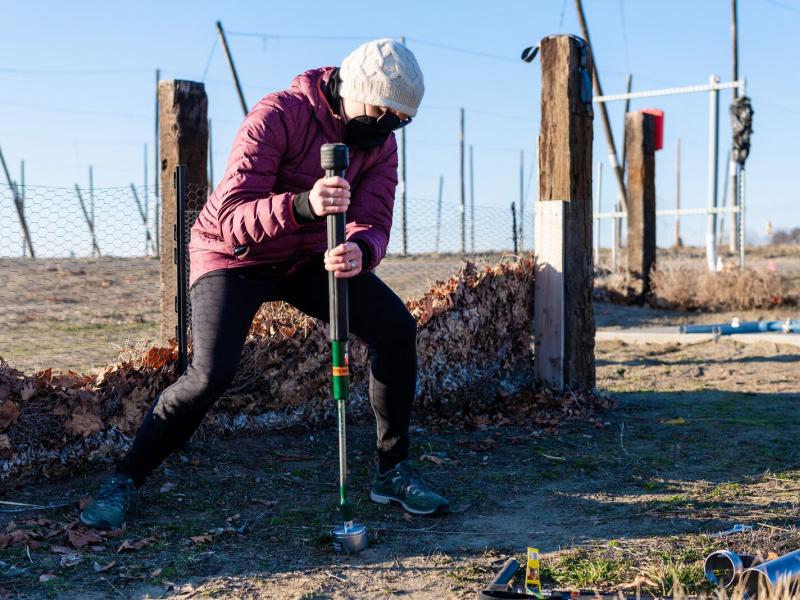
Researchers from the Environmental Molecular Sciences Laboratory are collecting soil cores as part of the 1000 Soils Research Pilot to develop a database of molecular-level data from belowground ecosystems.
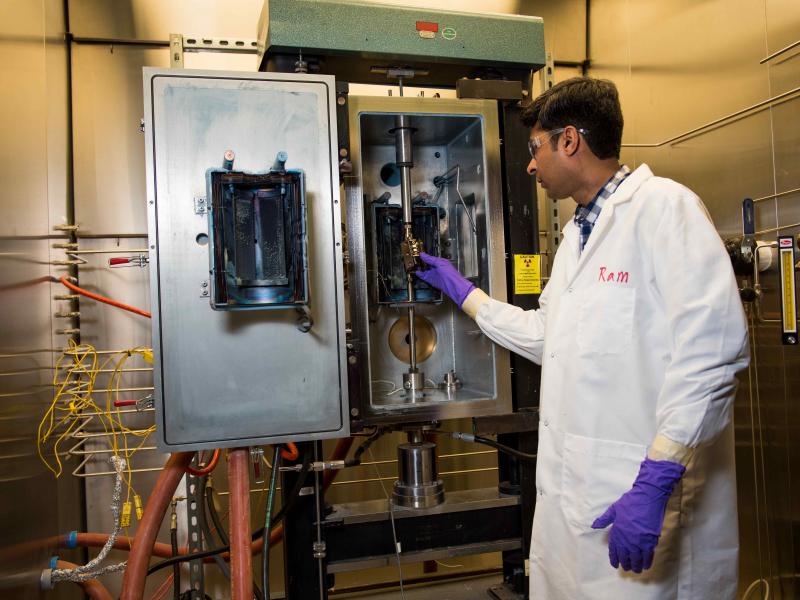
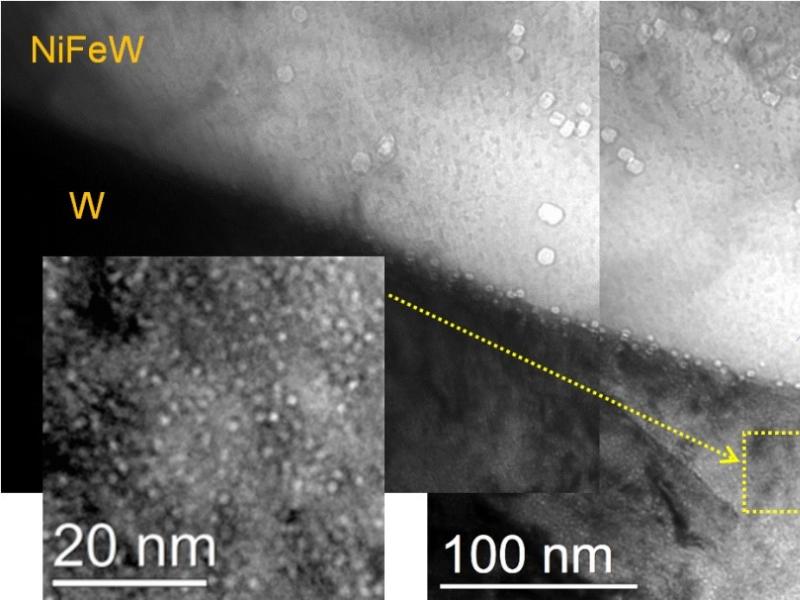
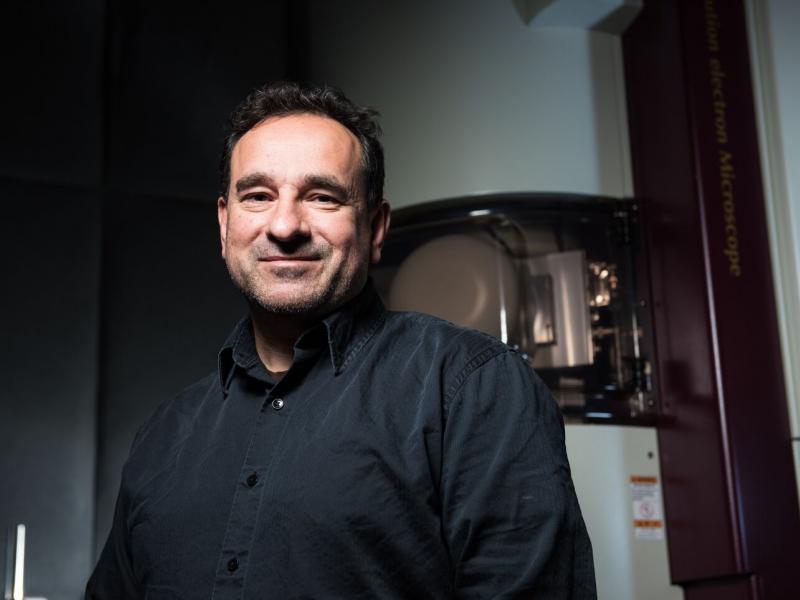
Arun Devaraj is one of two researchers selected for the 2022 Young Leaders Professional Development Award from The Minerals, Metals & Materials Society.
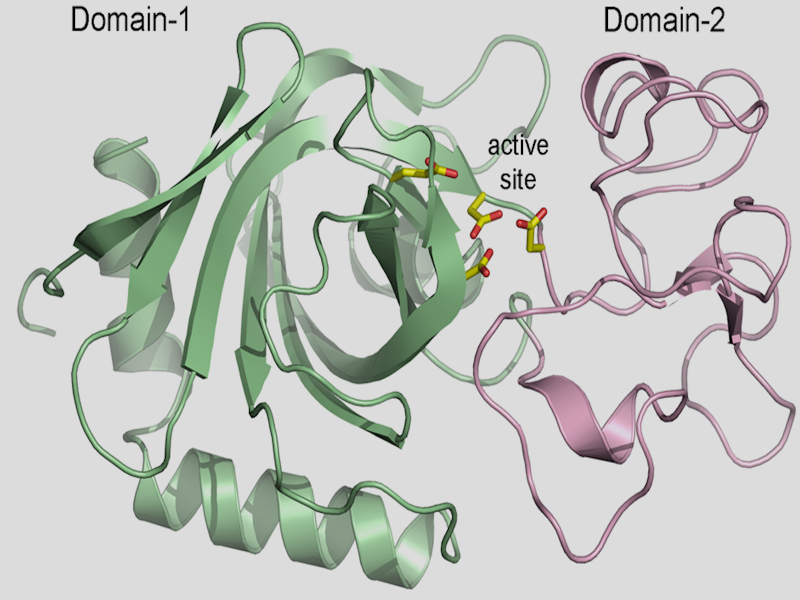
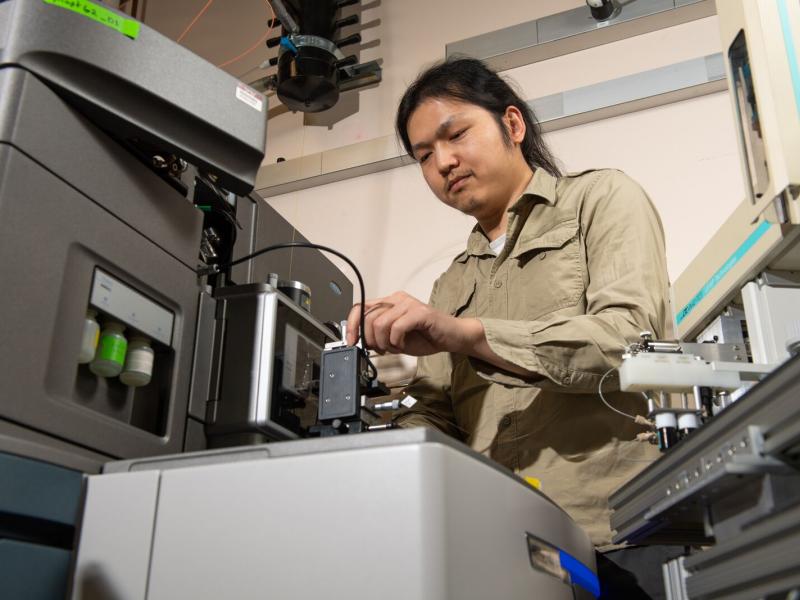
Mowei Zhou, a chemist with the Environmental Molecular Sciences Laboratory, is speaking at the ACS spring conference on his latest protein discoveries for a plant that could transform biofuels production.