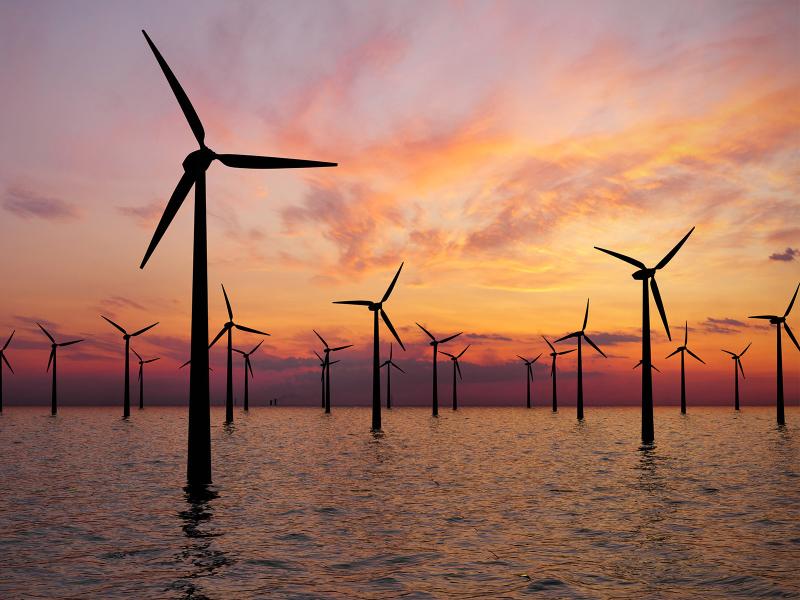
A multi-institutional team of wind energy experts led by PNNL assessed the scientific grand challenges for offshore wind and provided recommendations for closing gaps in models.
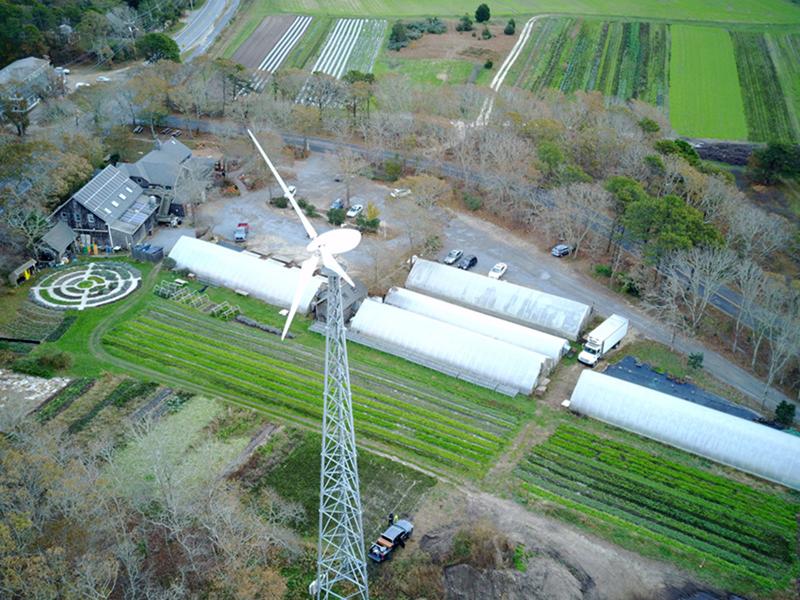
An evaluation of models and prediction tools for distributed wind turbines has unearthed data that can help potential users make the most informed decisions on upfront investments.
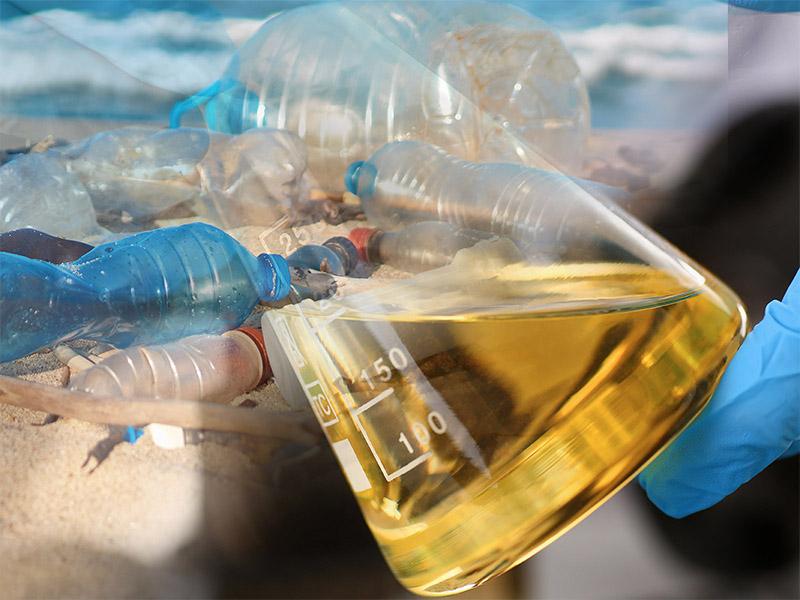
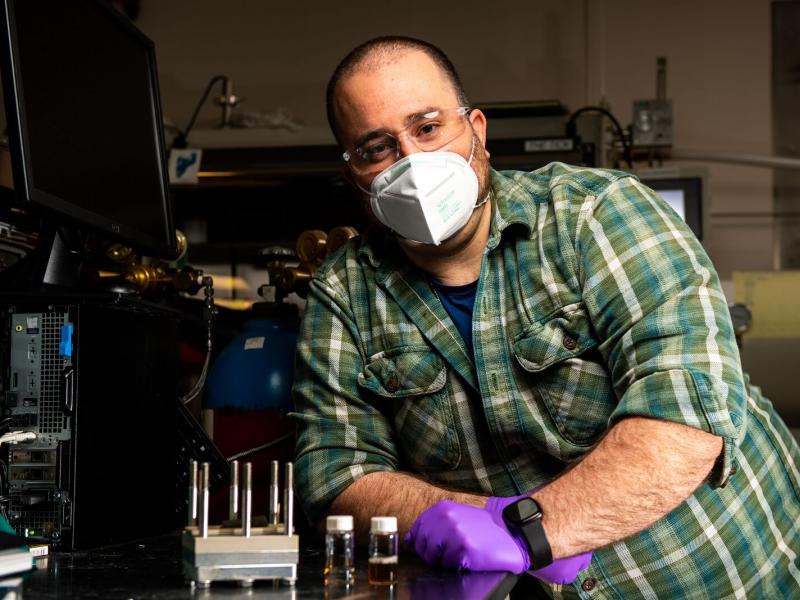
Plastic upcycling efficiently converts plastics to valuable commodity chemicals while using less of the precious metal ruthenium. The method could recycle waste plastic pollution into useful products, helping keep it out of landfills.
PNNL wind energy experts have published the Distributed Wind Market Report: 2022 Edition, supplying key findings that can help businesses, communities, and homeowners make informed decisions.
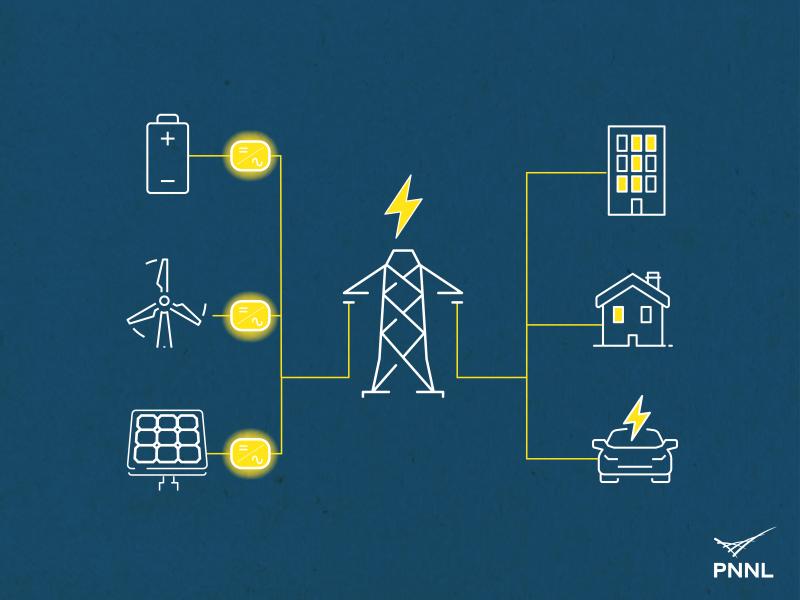
PNNL researchers developed a new model to help power system operators and planners better evaluate how grid-forming, inverter-based resources could affect the system stability.
Recognizing how innovation and clean technologies at the very edge of the grid can work together to transition the electricity system, PNNL takes a multidisciplinary approach to advancing and integrating renewable energy solutions.
Two PNNL studies that describe the potential value of offshore wind off the Oregon Coast and distributed wind in Alaska were published in the journal Energies.
A PNNL study has shown the nation’s wastewater resource recovery facilities could generate revenue by converting sludge into biofuel—while significantly reducing disposal costs—using an in-house-developed technology.
PNNL has received 119 R&D 100 Awards since 1969, when the laboratory began submitting entries in the contest that recognizes top 100 inventions each year.
PNNL has paired one of its offshore wind research buoys with its ThermalTracker-3D technology to correlate avian activity with ocean and weather conditions off the California coast.