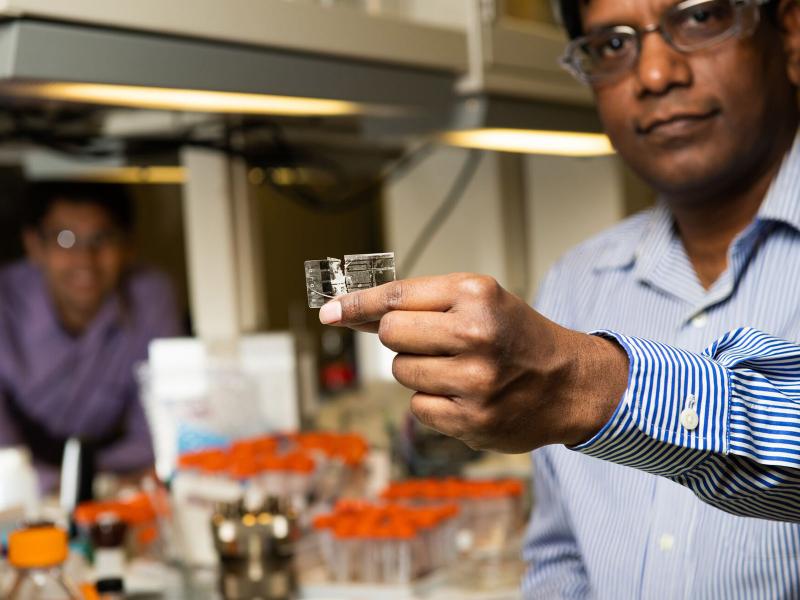
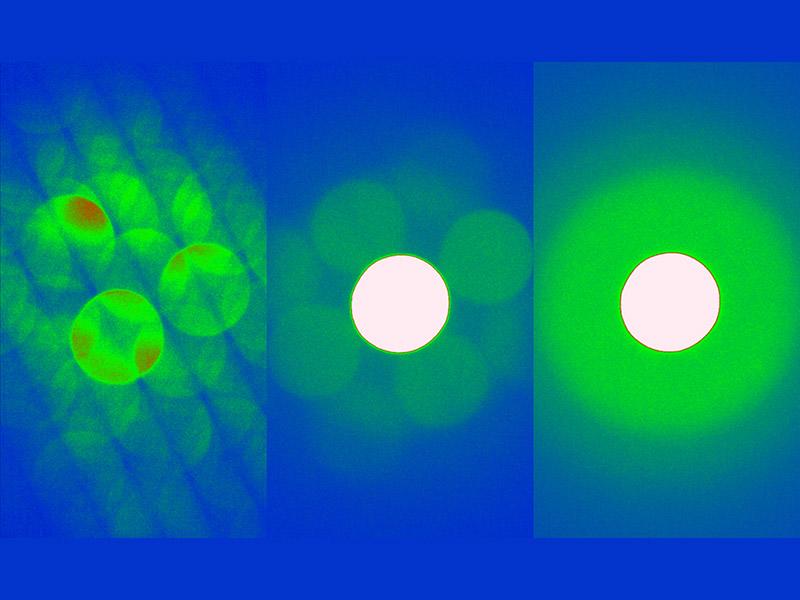
Scientists have uncovered a root cause of the growth of needle-like structures—known as dendrites and whiskers—that plague lithium batteries, sometimes causing a short circuit, failure, or even a fire.
Researchers from Pacific Northwest National Laboratory reviewed the current state of knowledge about the impacts of climate change on soil microorganisms in different climate-sensitive soil ecosystems.
A new Co-Optima report describes an assessment of 400 biofuel-derived samples and identifies the top ten candidates for blending with petroleum fuel to improve boosted spark ignition engine efficiency.
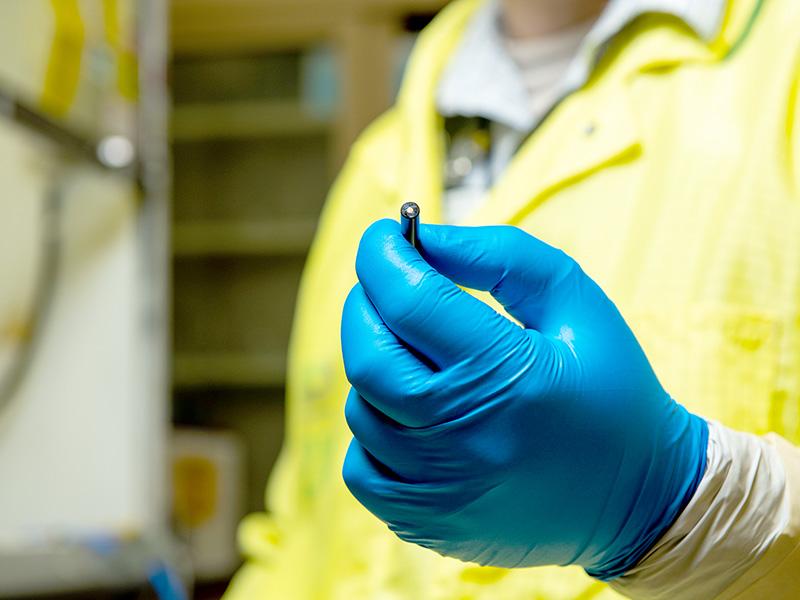
PNNL researchers have created a chemical cocktail that could help electric cars power their way through extreme temperatures where current lithium-ion batteries don’t operate as efficiently as needed.
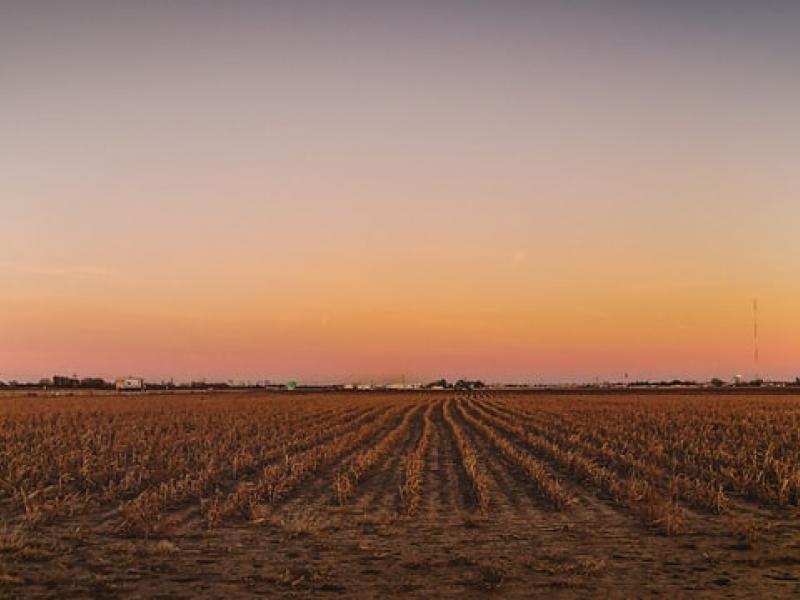
Nitrogen is a critical nutrient regulating productivity in many ecosystems and influences nutrient availability by affecting organic matter decomposition rates.
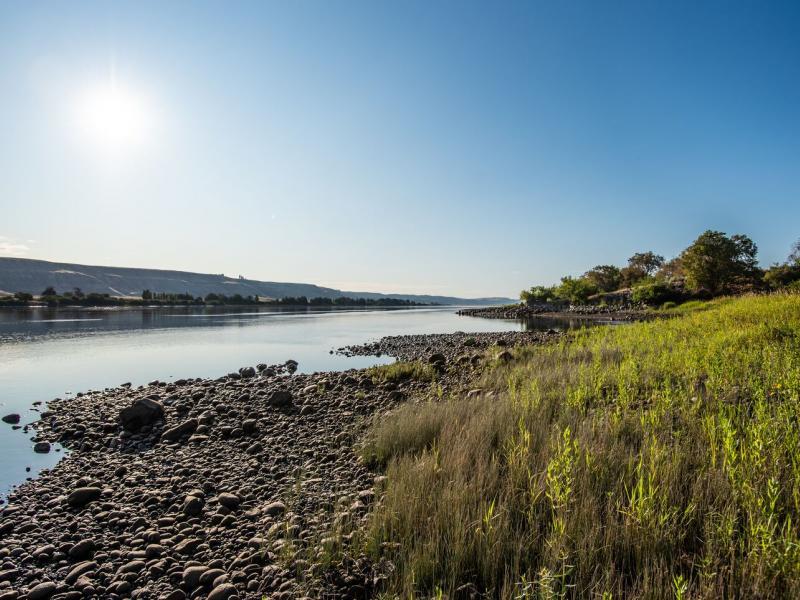
Biogeochemical activity in the hyporheic zone (HZ), sediments where the flowing waters of a river mix with shallow groundwater, supports many of the biological processes that occur within a watershed.
Co-authors of a paper in Hydrological Processes led by PNNL researchers Zhangshuan Hou, Timothy Scheibe, and Christopher Murray, produced a map that identifies different classes of sediments which compose the riverbed along the Hanford ...
A multi-institutional team of scientists developed a new sensitivity analysis framework using Bayesian Networks to quantify which parameters and processes in complex multi-physics models are least understood.