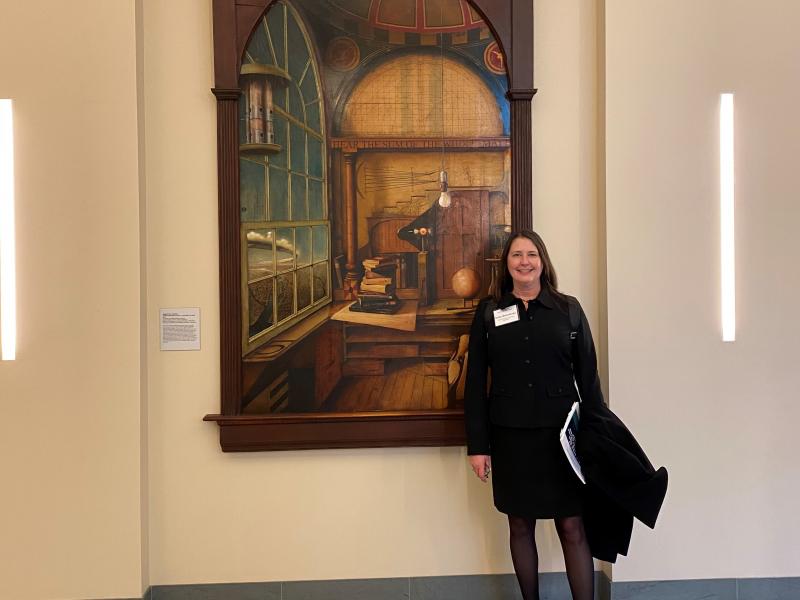
PNNL coastal ecologist Heida Diefenderfer was a featured speaker in February at the National Academies of Sciences, Engineering, and Medicine’s Government-University-Industry Research Roundtable on policy and global affairs.
PNNL’s Juliet Homer was an invited panelist at a California Energy Commission workshop, which highlighted research on water treatment, delivery, and energy.
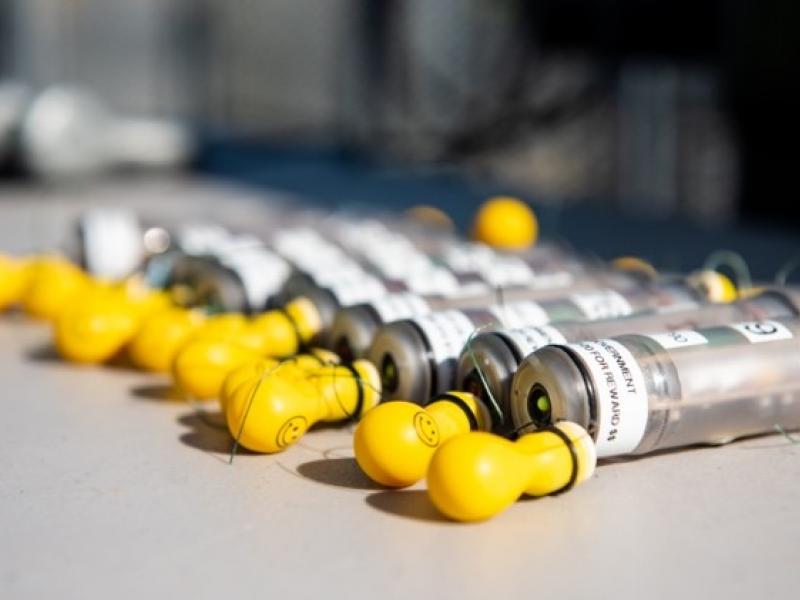
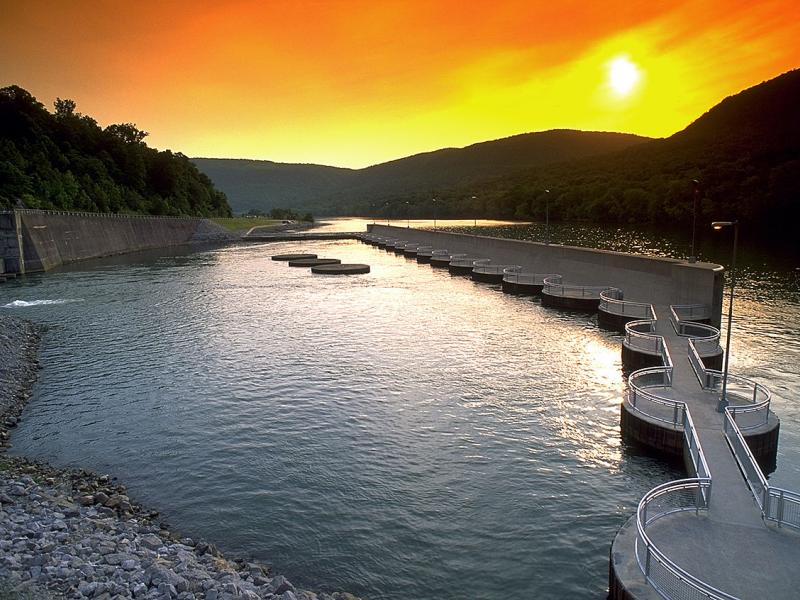
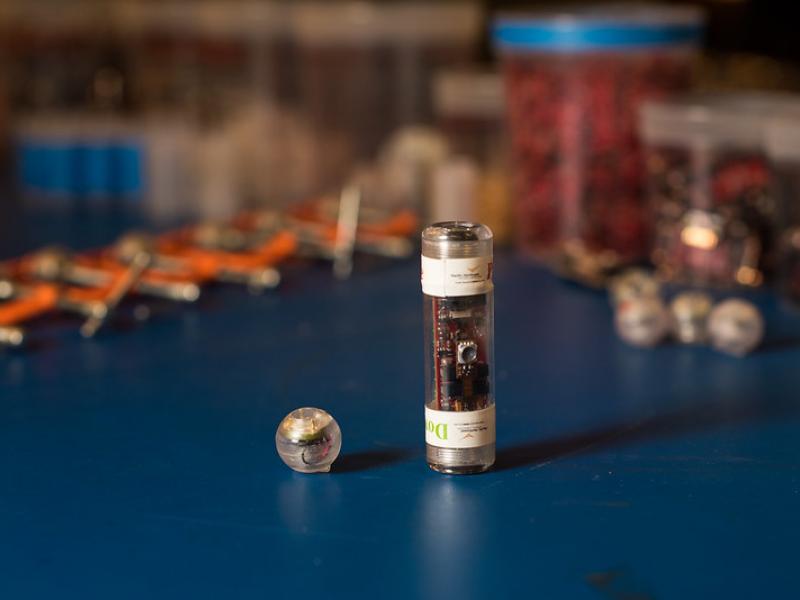
PNNL's Sensor Fish were deployed at Ice Harbor Dam to collect data from a new turbine. The data indicates the design changes are making travel through the dam less arduous for fish.
PNNL will provide technical support to finalists in the Incubate stage and to Grand Prize Winners following the Pitch contest stage of the Fish Protection Prize competition, which is now accepting submissions.
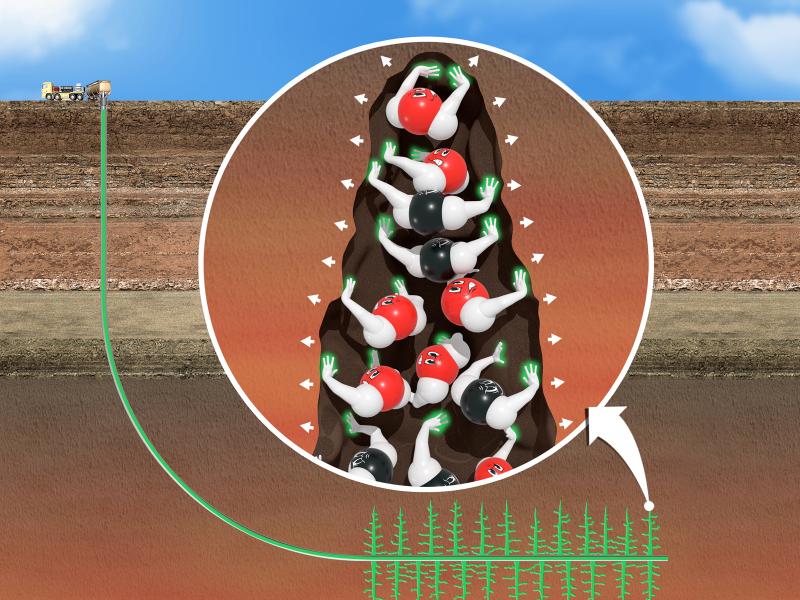
Researchers have identified two processes responsible for fracturing rock at lower pressures for geothermal energy production using PNNL’s fracturing fluid, StimuFrac™.
Retired PNNL scientist Doug Elliott has received the 2019 Don Klass Award for Excellence in Thermochemical Conversion Science from the Gas Technology Institute.
Pumped-storage hydropower offers the most cost-effective storage option for shifting large volumes of energy. A PNNL-led team wrote a report comparing cost and performance factors for 10 storage technologies.
A new Co-Optima report describes an assessment of 400 biofuel-derived samples and identifies the top ten candidates for blending with petroleum fuel to improve boosted spark ignition engine efficiency.
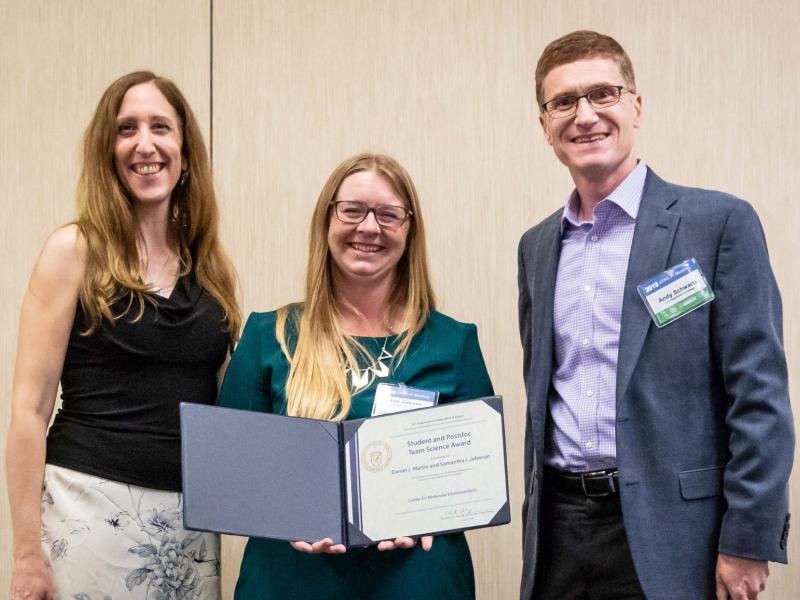
CME investigators Daniel Martin (Yale) and Samantha Johnson (PNNL) received a team science award at the 2019 Energy Frontier Research Centers (EFRC) Principal Investigators' Meeting in Washington, D.C. in July 2019.
Prof. Yogesh (Yogi) Surendranath of the Center for Molecular Electrocatalysis (CME) was honored with a Presidential Early Career Award for Scientists and Engineers.
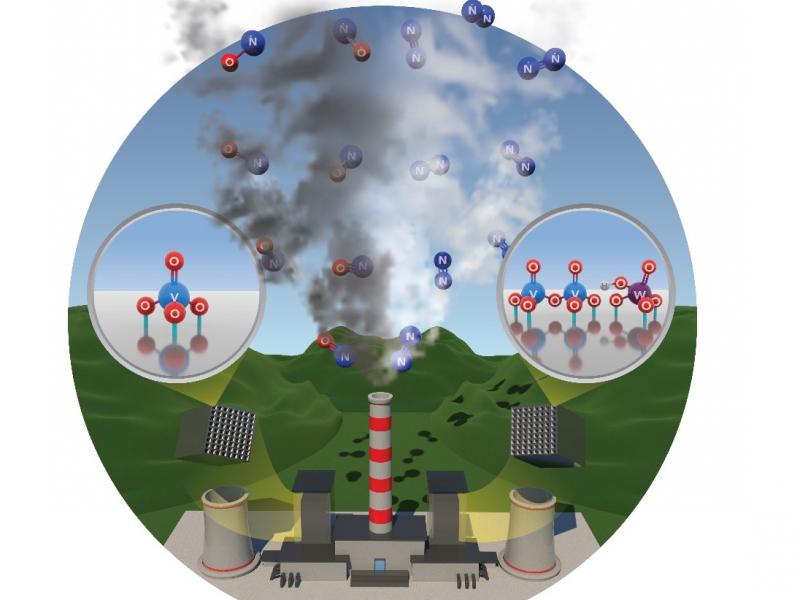
Nitrogen oxides, also known as NOx, form when fossil fuels burn at high temperatures. When emitted from industrial sources such as coal power plants, these pollutants react with other compounds to produce harmful smog.
PNNL’s autonomous fish body double, Sensor Fish, and the miniature version, Sensor Fish Mini, were used to evaluate a special screen. Researchers found the screen provides safe downstream passage for fish at irrigation structures.