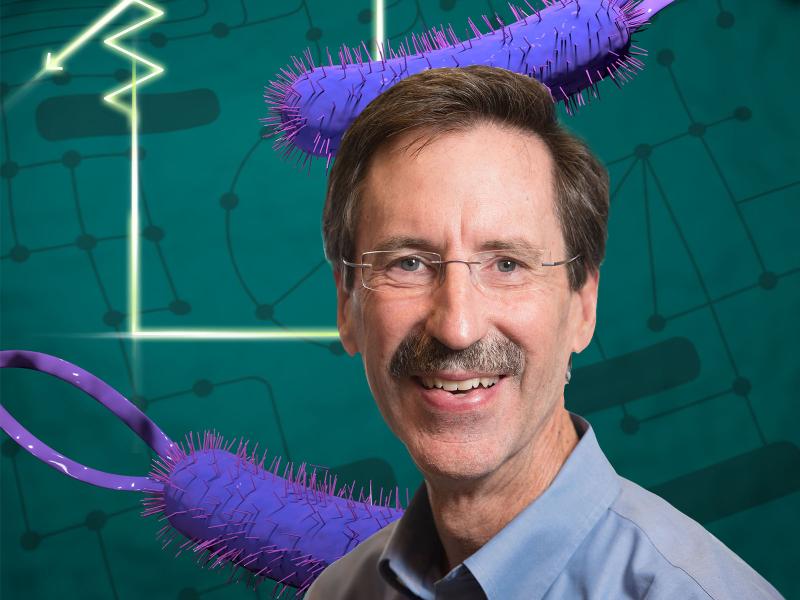
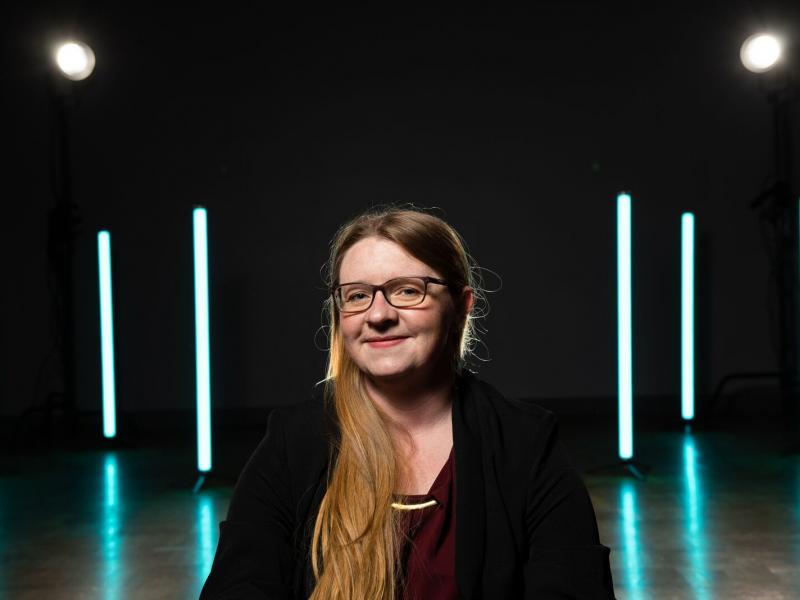
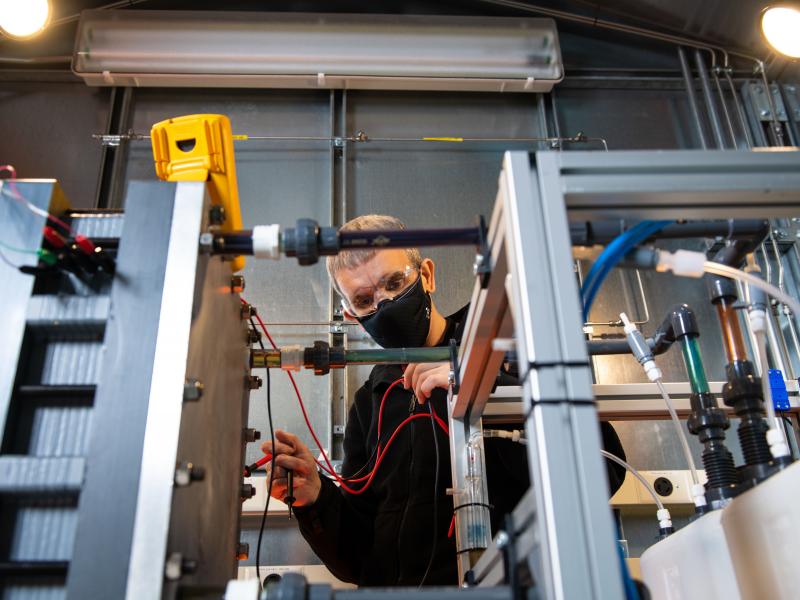
Marcel Baer is a computational scientist working in PNNL’s Physical Sciences Division with a prominent effort in materials science and physical bioscience.
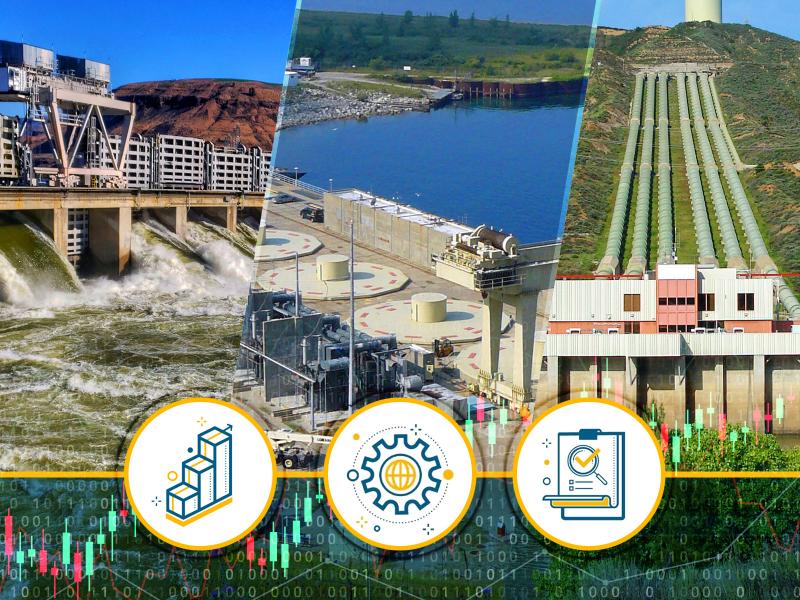
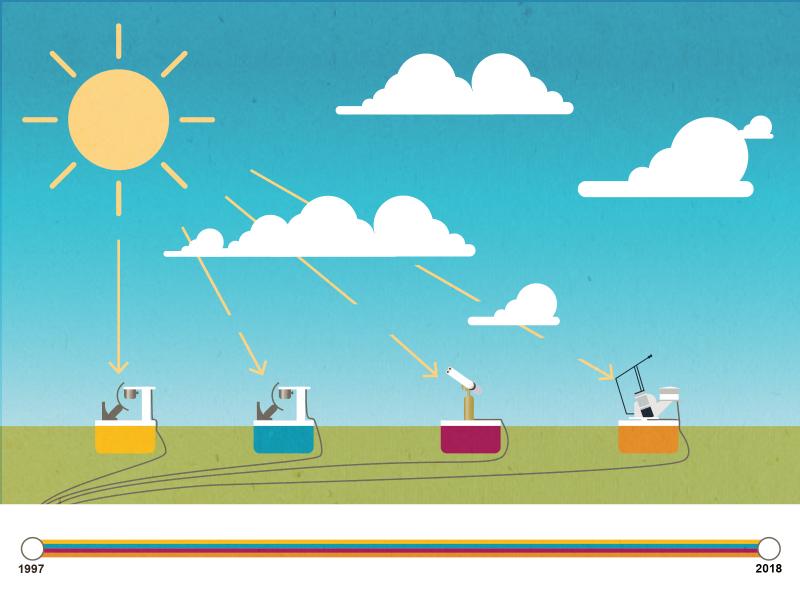
PNNL and four other national laboratories executed the Hydropower Value Study to examine hydropower operations in different regions of the United States.
Evelyn Hirt, a project manager at PNNL has received the 2021 Institute of Electrical and Electronic Engineers Haraden Pratt Award for her long-time dedication to volunteerism and mentoring.
Senior members of the National Academy of Inventors are recognized for their remarkable innovations that have brought, or aspire to bring, real impact on the welfare of society.
Research and development expertise aligns with national priorities in clean energy innovation and climate change mitigation. A workforce of 5,000 delivers scientific discovery, enables sustainable energy, and enhances national security.
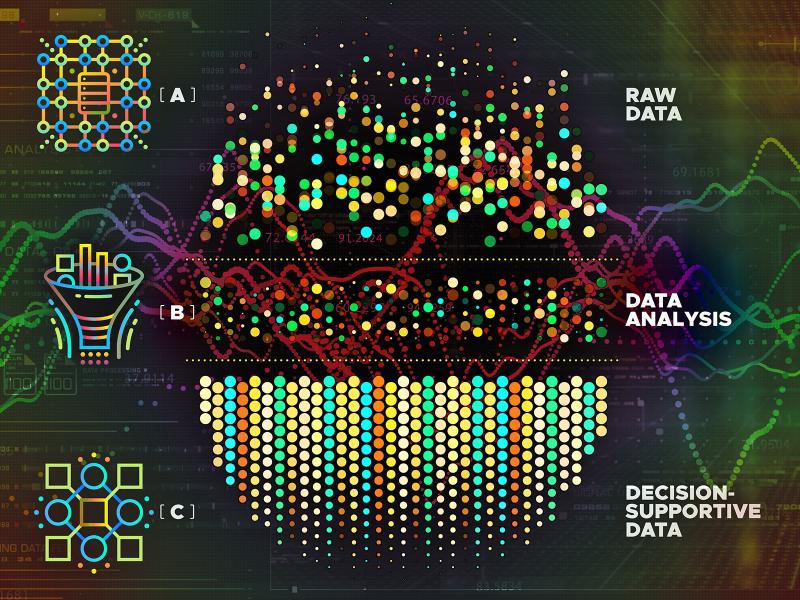
PNNL computer scientists joined international leaders in machine learning to present research to detect and address potential cybersecurity threats and devise epidemic interventions.
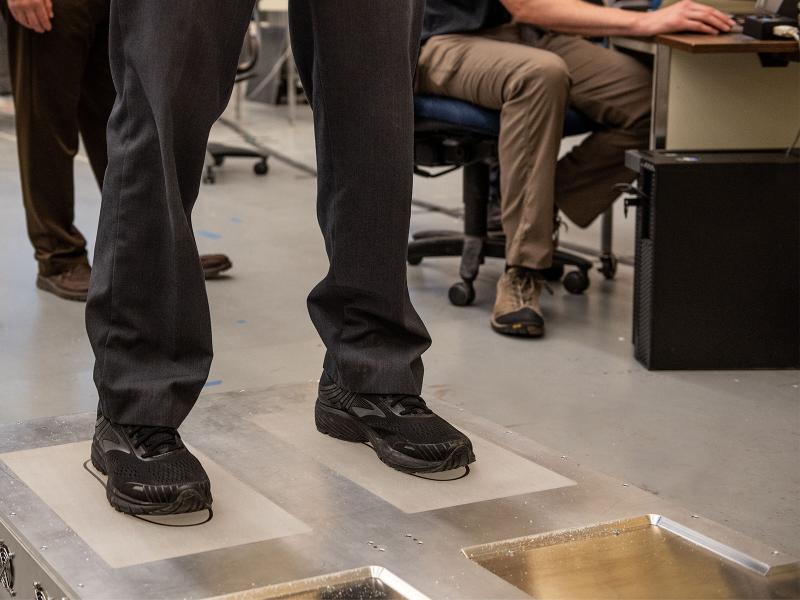
A shoe scanner may allow people passing through security screening to keep their shoes on. PNNL built the scanner based on the same technology it used to develop airport scanners. It's licensed to Liberty Defense.
PNNL data scientists Svitlana Volkova and Emily Saldanha, along with former PNNL intern Pamela Bilo Thomas, will publish their research on online information spread in Nature's Scientific Reports.
High school students from across Washington State competed in the Pacific Northwest Regional Science Bowl, hosted online by PNNL, for a chance to advance to the national competition in May.
Johnson is among the PNNL scientists preparing to move into the Energy Sciences Center, the new $90 million, 140,000-square-foot facility that is expected to open in late 2021.
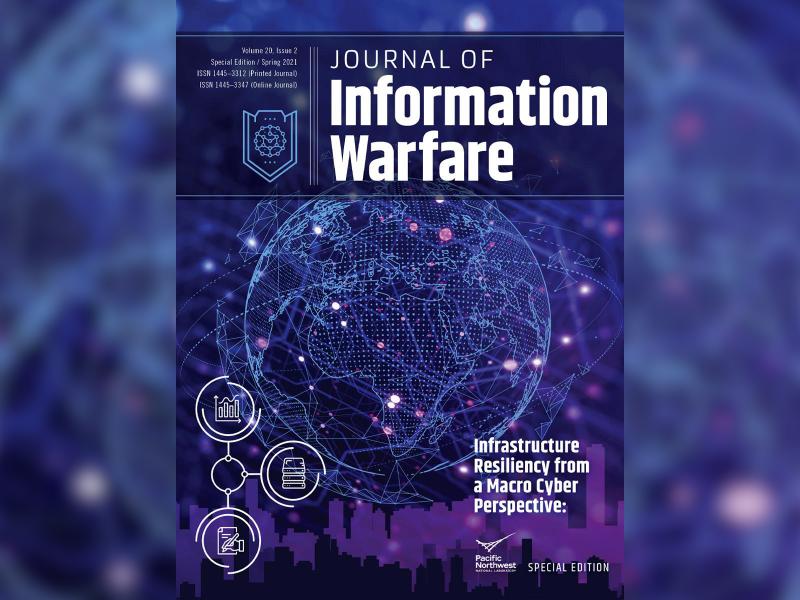
For the second straight year, PNNL researchers are featured in a special edition of the Journal of Information Warfare. This issue explores the topic of macro cyber resiliency.
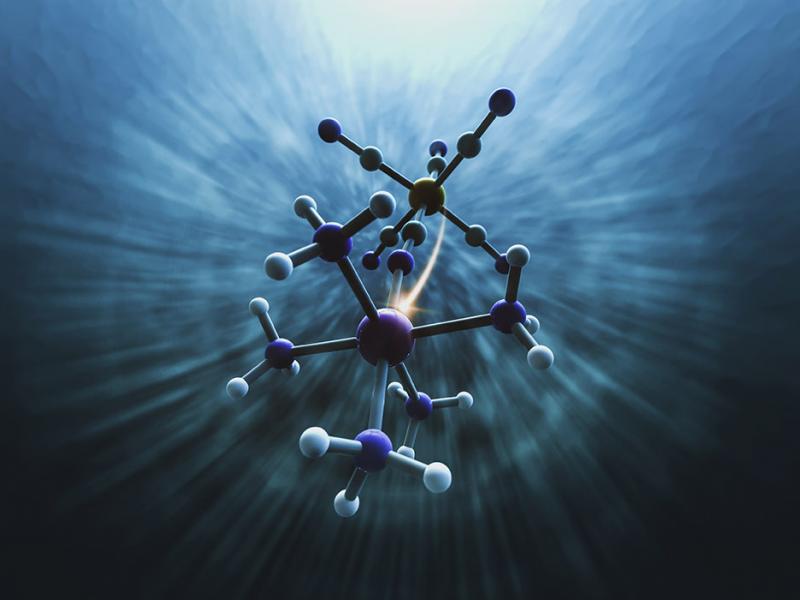
By combining state-of-the-art computational and experimental approaches, researchers have begun to resolve the effects of solvent molecules on electron transfer.
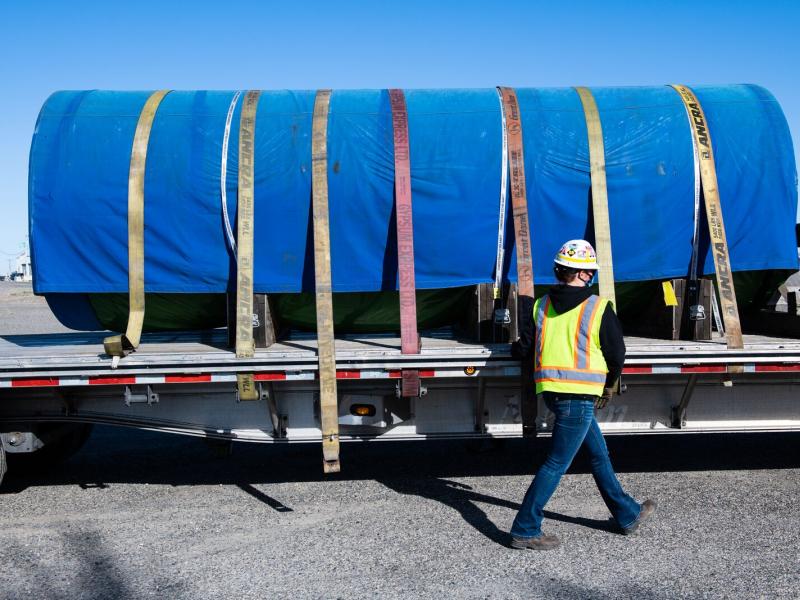
Three unused, 48,000-pound stainless steel canisters arrived at PNNL, bringing the chance to deepen research in spent nuclear fuel storage and transportation.