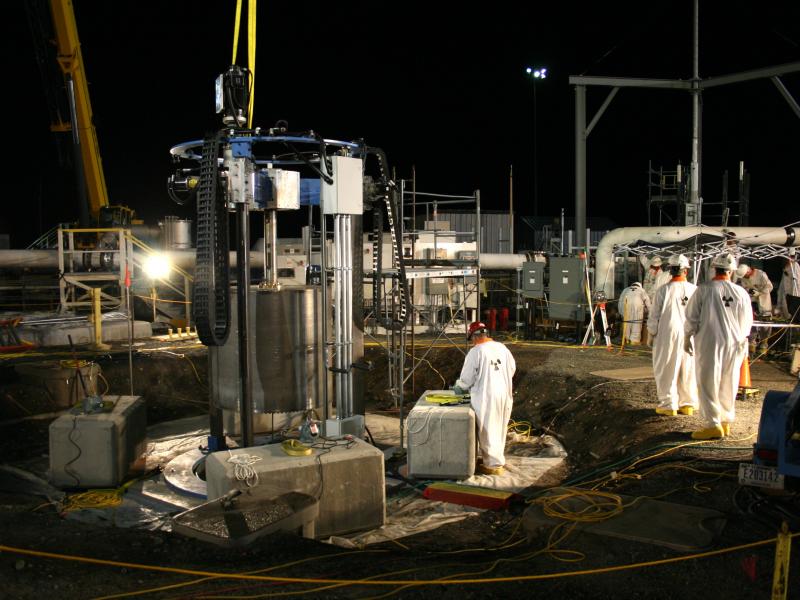
Installing new access holes (up to 6 feet in diameter) could reduce the overall time and cost to retrieve waste from Hanford's underground storage tanks, according to a structural analysis of the tank domes by PNNL and Becht Engineering.
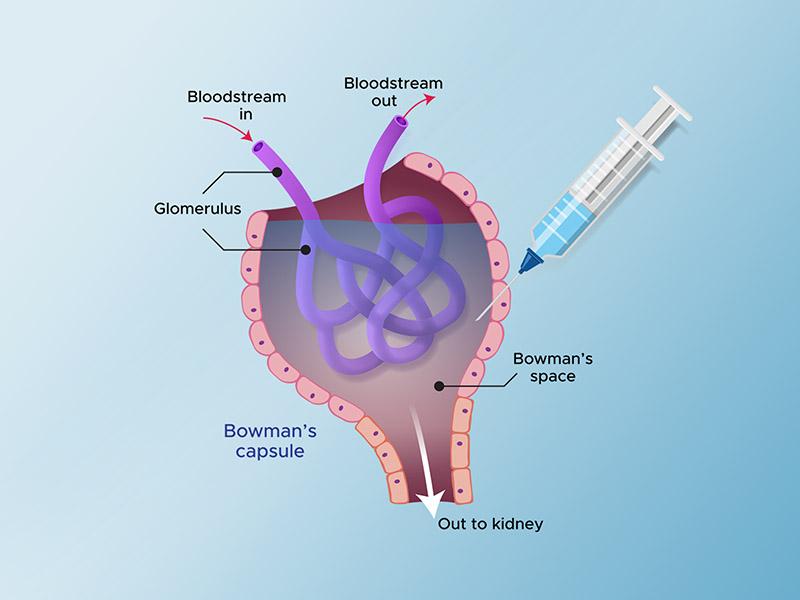
One of the most common and deadly complications from a heart attack is kidney failure. New research indicates that a specific protein in the bloodstream created after cardiac arrest may be the culprit...
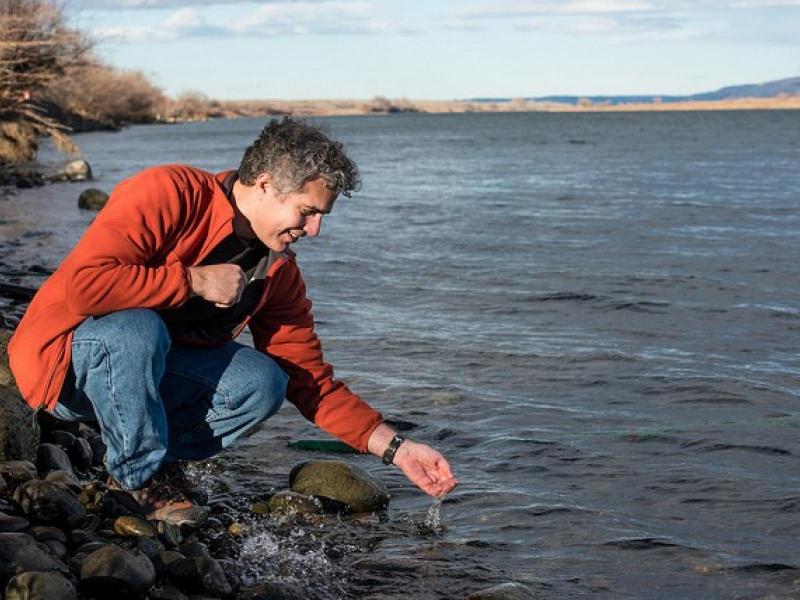
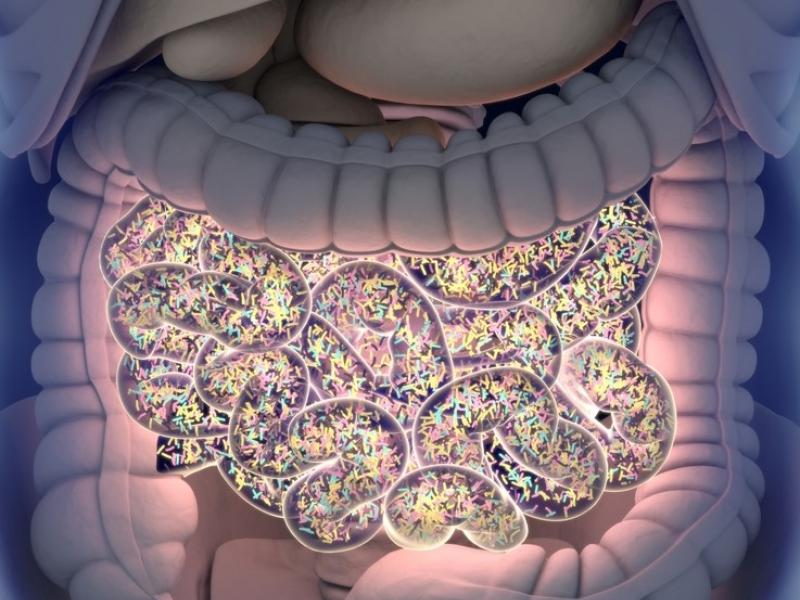
Our gut’s microbial community is not unlike a country club membership. We know who’s a member, but we may not know how each contributes to the overall function or health of the club....
Researchers from PNNL and other national laboratories, universities, private firms, and government agencies like NASA gather to share the latest findings in nuclear technology, space exploration, and related fields.
Researchers at PNNL are developing a new class of acoustically active nanomaterials designed to improve the high-resolution tracking of exploratory fluids injected into the subsurface. These could improve subsurface geophysical monitoring.
"It's sort of like using infrared goggles to see heat signatures in the dark, except this is underground." PNNL and CHPRC implemented a state-of-the-art approach to monitor the process of remediating residual uranium at Hanford's 300 Area.
PNNL scientists today unveiled an updated tool designed to help stakeholders assess the nation's preparedness for biological-based dangers, also known as biothreats.
In November, Northeastern University Seattle (NU-Seattle) hosted "Smart Cities: Critical Infrastructure Protection" to explore technology and policy opportunities and challenges facing the smart city evolution.
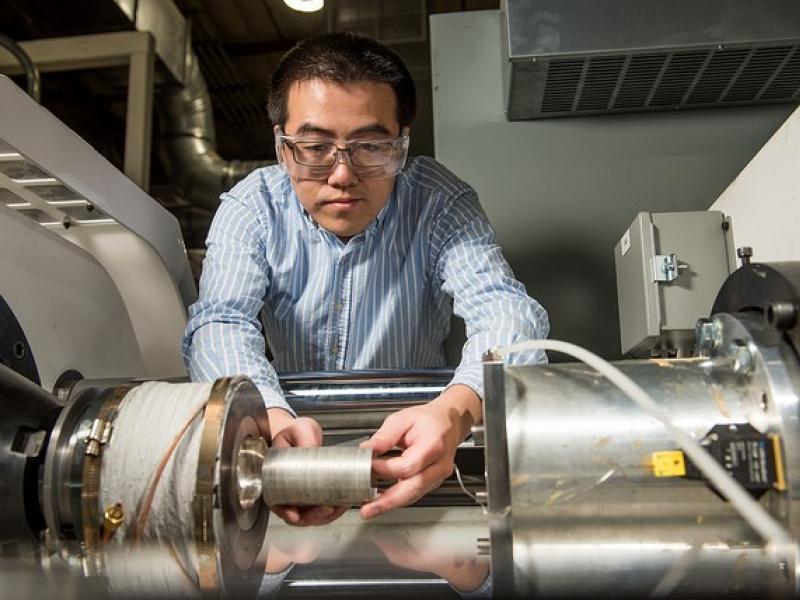
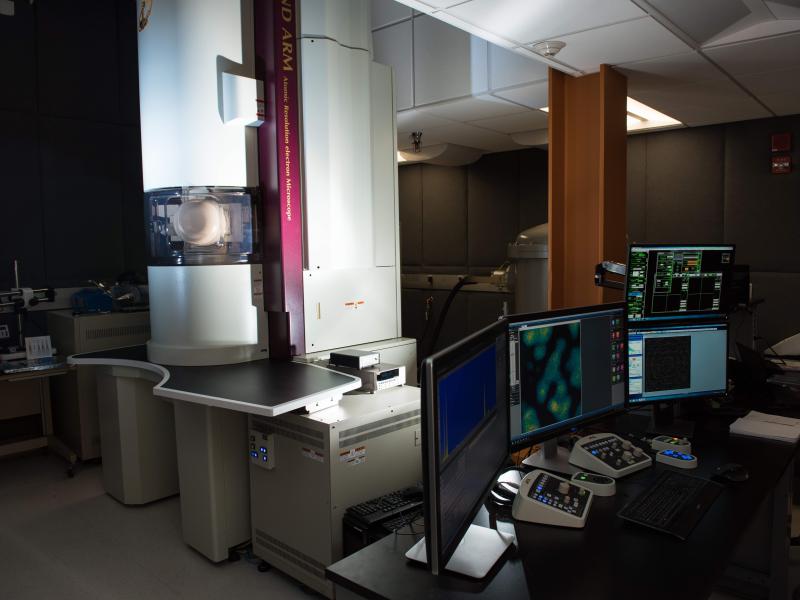
Researchers used novel methods to safely create and analyze plutonium samples. The approaches could prove influential in future studies of the radioactive material, benefitting research in legacy, national security and nuclear fuels.
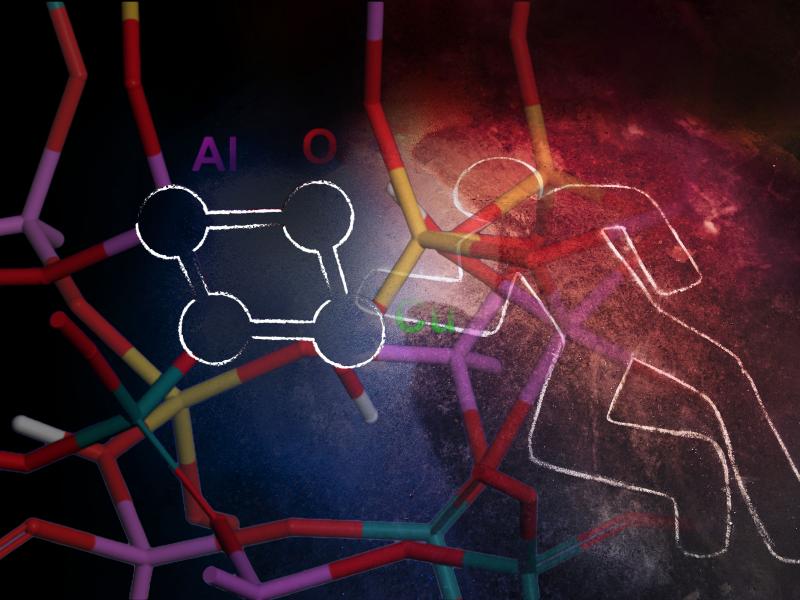
Aluminum oxyhydroxide (boehmite) nanoplatelets align and attach to form neatly ordered stacks, a novel findings that involves both experimental and computational research.
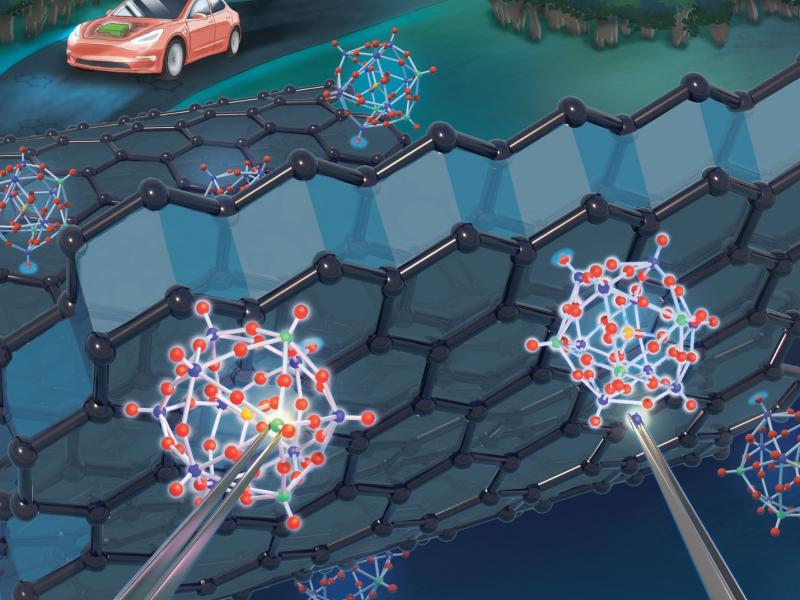
Researchers discover how to improve battery safety and stability by altering the salt-to-solvent ratio in battery electrolytes, without compromising battery performance.
Researchers at PNNL used key metrics to develop visualizations that show how the combined effects of climate change on hydropower and load influence the frequency, duration, and severity of power shortfalls.