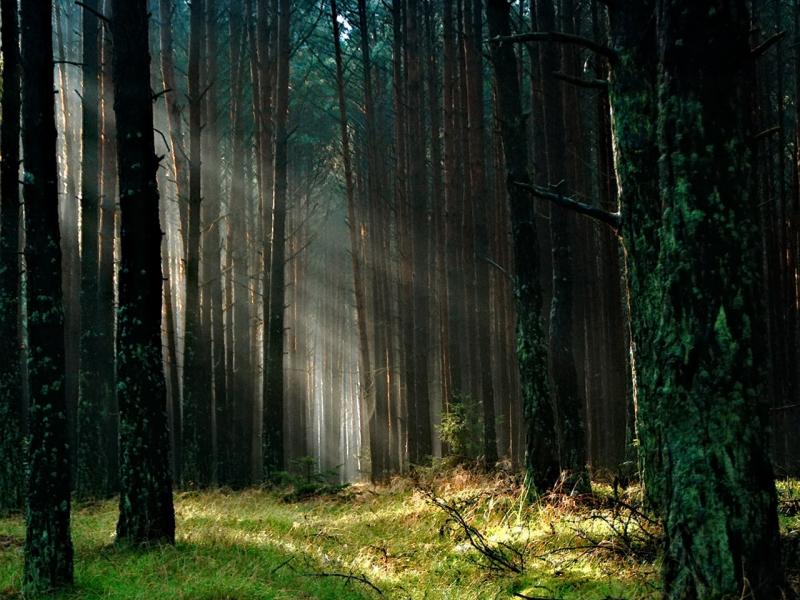
PNNL and the U.S. Forest Service used a combination of data, models, analytical techniques and software to evaluate forest restoration impacts on the environment, while also assessing the economics of resulting biomass.
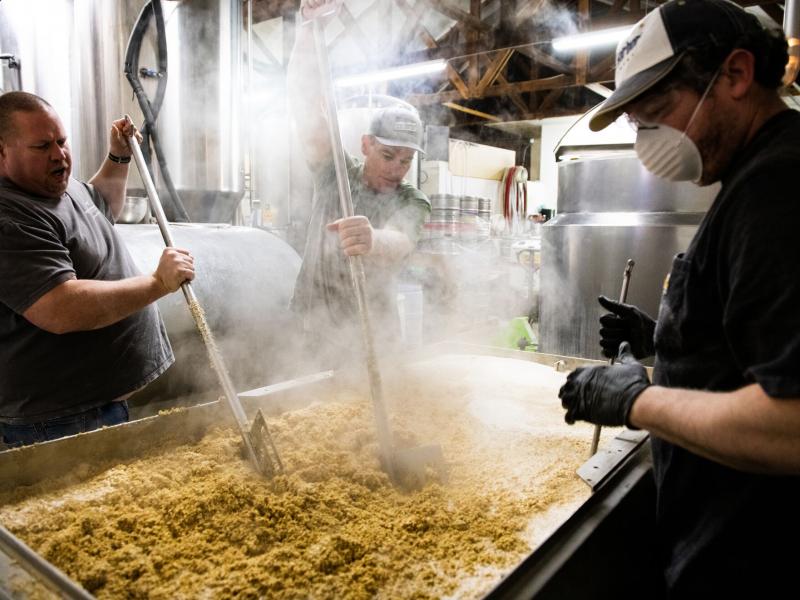
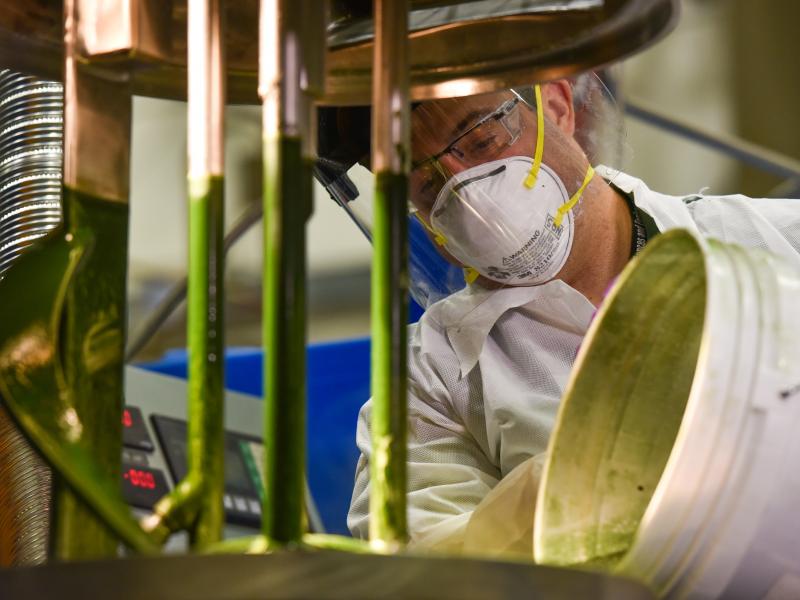
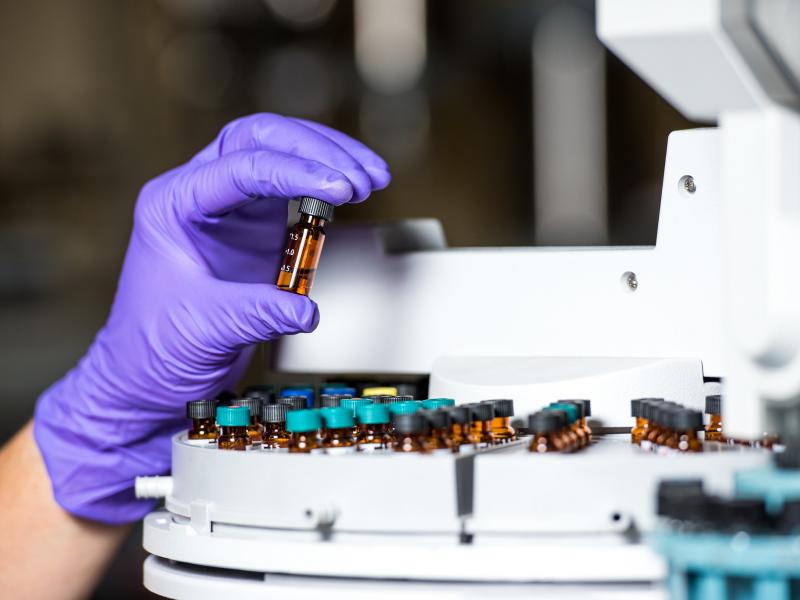
A chemical engineer by day at PNNL, Dan Howe is an ardent home brewer by night. The connection resulted in production of biocrude oil from brewery waste.
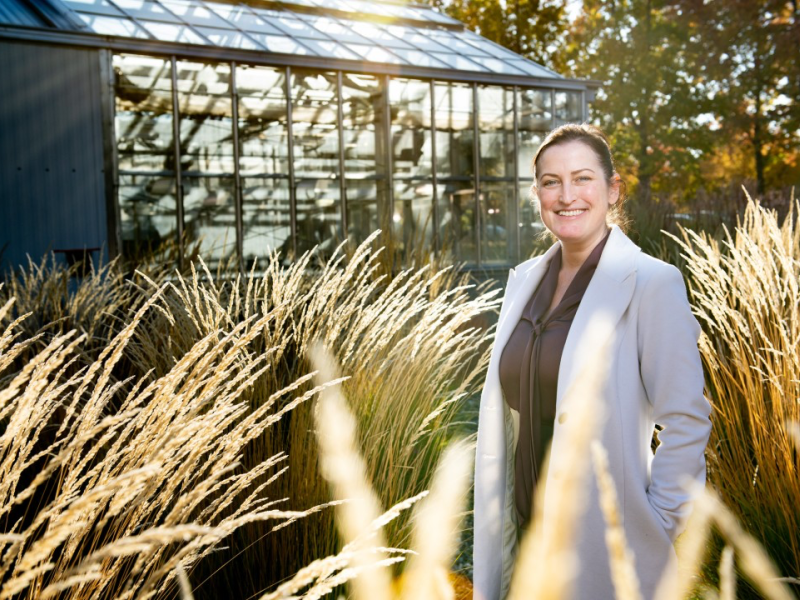
PNNL’s Corinne Drennan has been selected to serve a term on the Washington Department of Ecology’s advisory board for the new Recycling Development Center.
Retired PNNL scientist Doug Elliott has received the 2019 Don Klass Award for Excellence in Thermochemical Conversion Science from the Gas Technology Institute.
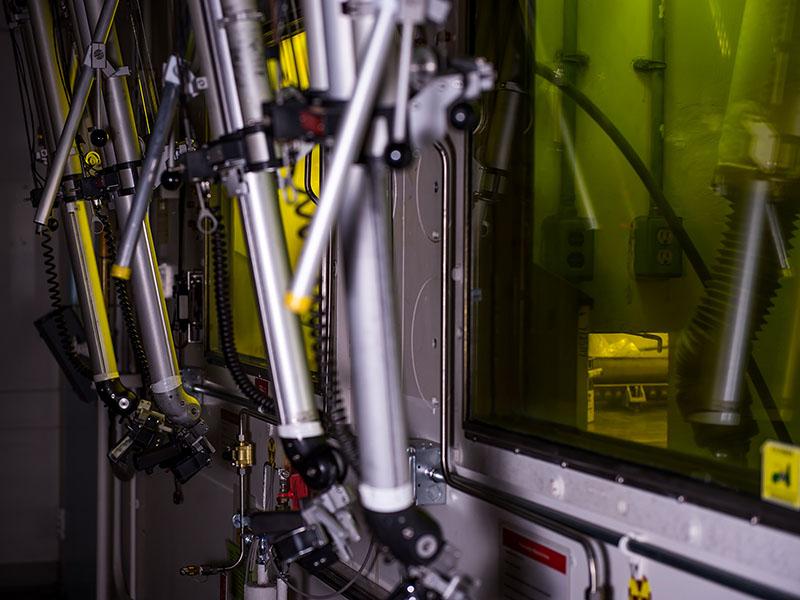
PNNL and Argonne researchers developed and tested a chemical process that successfully captures radioactive byproducts from used nuclear fuel so they could be sent to advanced reactors for destruction while also producing electrical power.
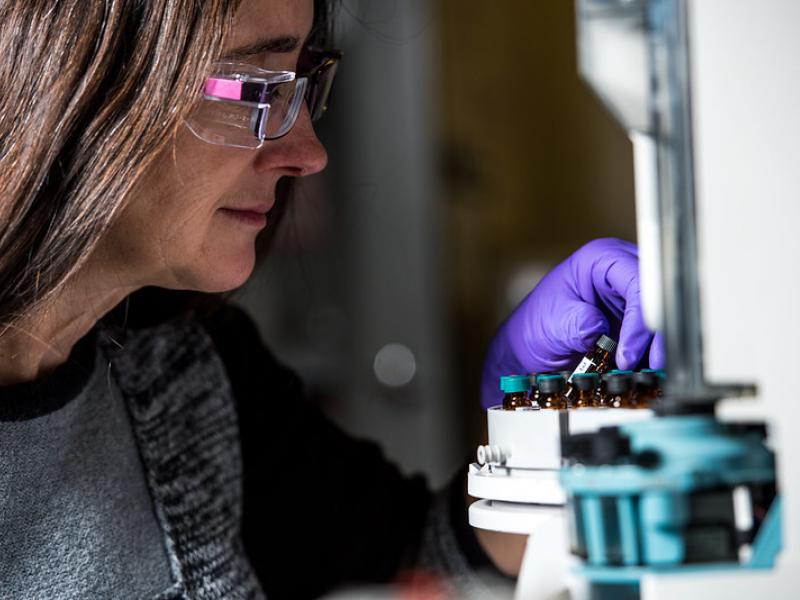
In the third year of the DISCOVR Consortium project, the consortium team has identified an algal strain that progressed successfully through multiple evaluation phases.
A new Co-Optima report describes an assessment of 400 biofuel-derived samples and identifies the top ten candidates for blending with petroleum fuel to improve boosted spark ignition engine efficiency.
Researchers at PNNL have developed a model that predicts outcomes from the algae hydrothermal liquefaction process in a way that mirrors commercial reality much more closely than previous analyses.
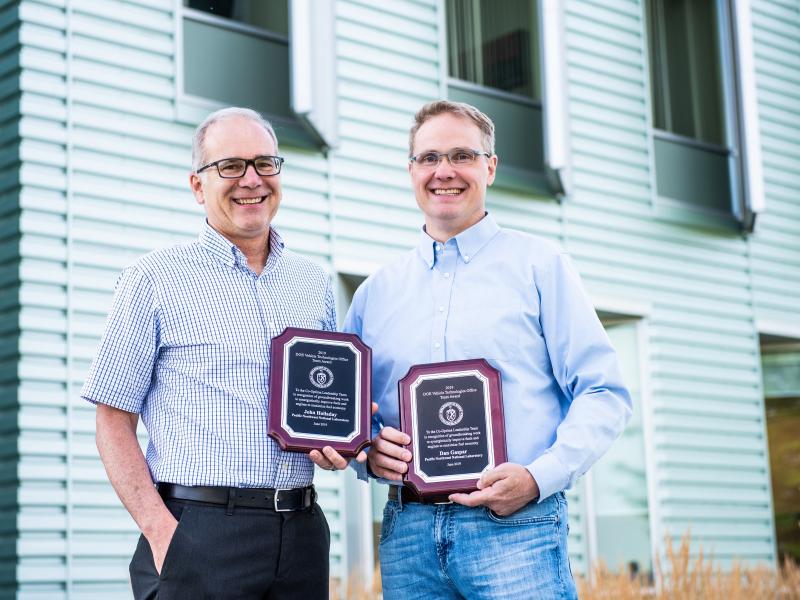
PNNL’s Dan Gaspar and John Holladay were part of the Co-Optima leadership team honored by DOE’s Vehicle Technologies Office. The award recognized groundbreaking work to synergistically improve fuels and engines to maximize fuel economy.
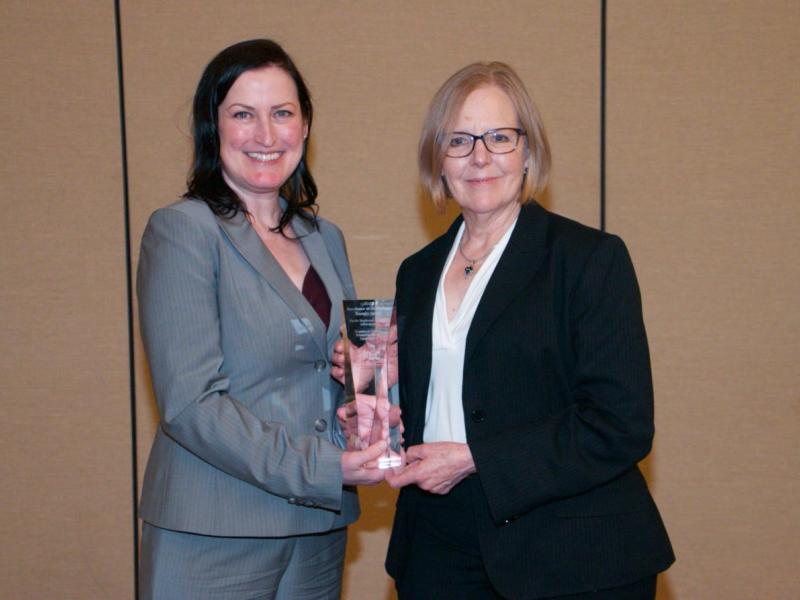
PNNL and collaborator LanzaTech were honored April 24 for their partnership in the development and commercialization of an ethanol-based synthetic paraffinic jet fuel that can use any sustainable ethanol as a feedstock.
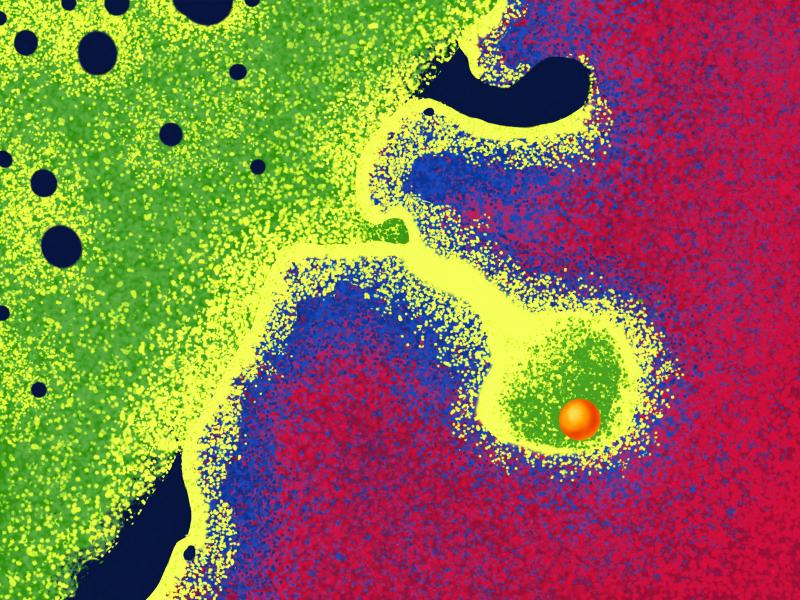
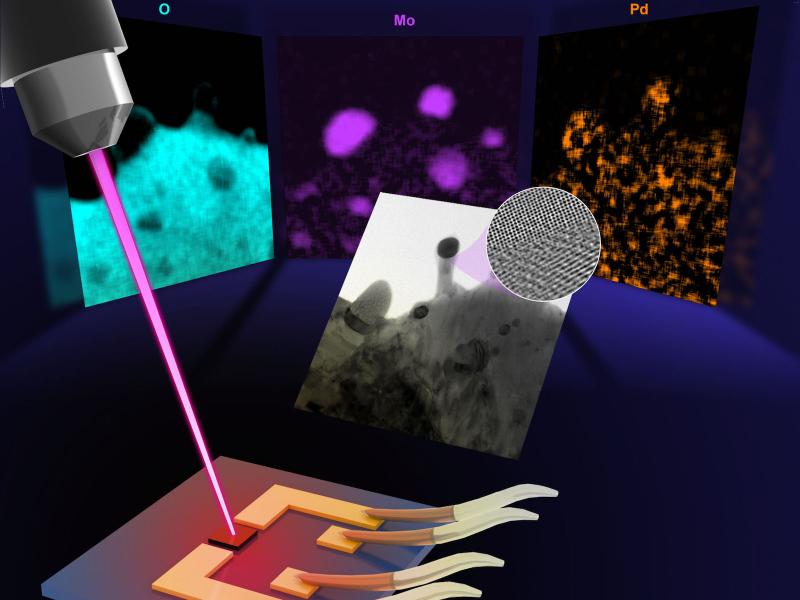
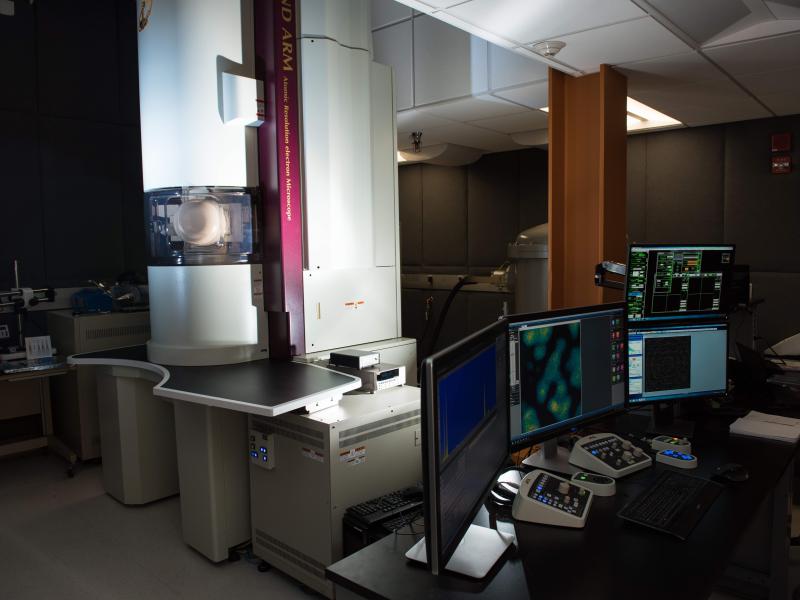
It’s hot in there! PNNL researchers take a close, but nonradioactive, look at metal particle formation in a nuclear fuel surrogate material. What they found will help fill knowledge gaps and could lead to better nuclear fuel designs.
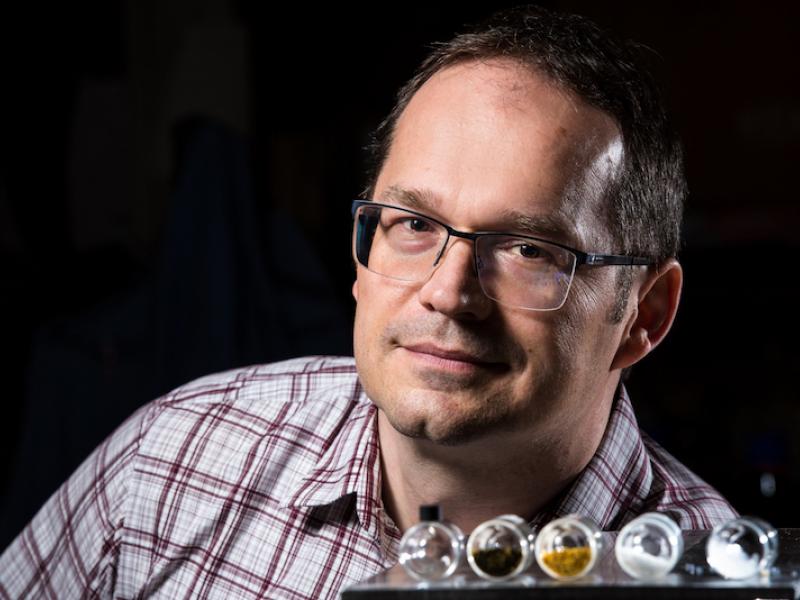
Josef "Pepa" Matyas, a materials scientist in PNNL’s Nuclear Sciences Division, has been elected a fellow of the American Ceramic Society (ACerS). He will be recognized at the ACerS annual meeting on September 30, 2019, in Portland, Ore.
PNNL leads a consortium to help find the best algae strains for biofuels and bioproducts to reduce the cost of producing bioenergy from algae feedstocks.
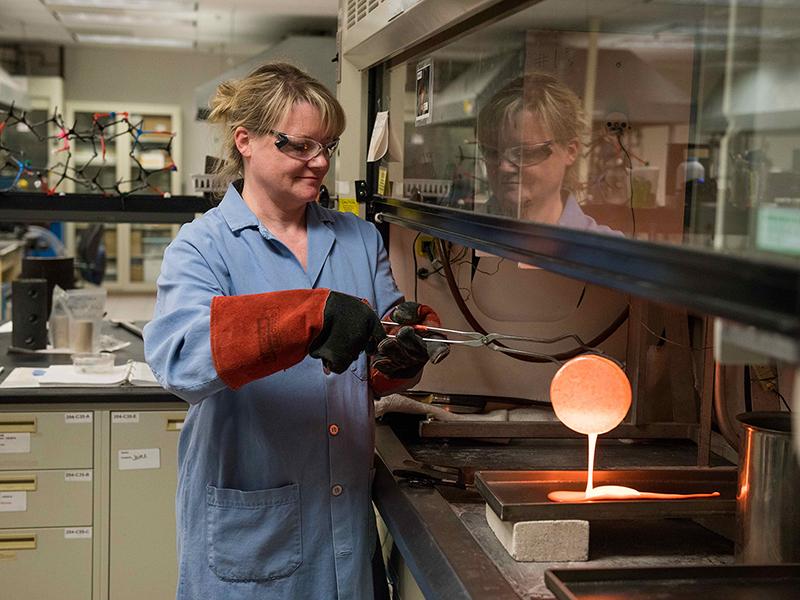
Researchers used novel methods to safely create and analyze plutonium samples. The approaches could prove influential in future studies of the radioactive material, benefitting research in legacy, national security and nuclear fuels.