A multi-institute research team is exploring ways to improve residential walls across America, making homes warmer and drier and delivering significant energy savings.
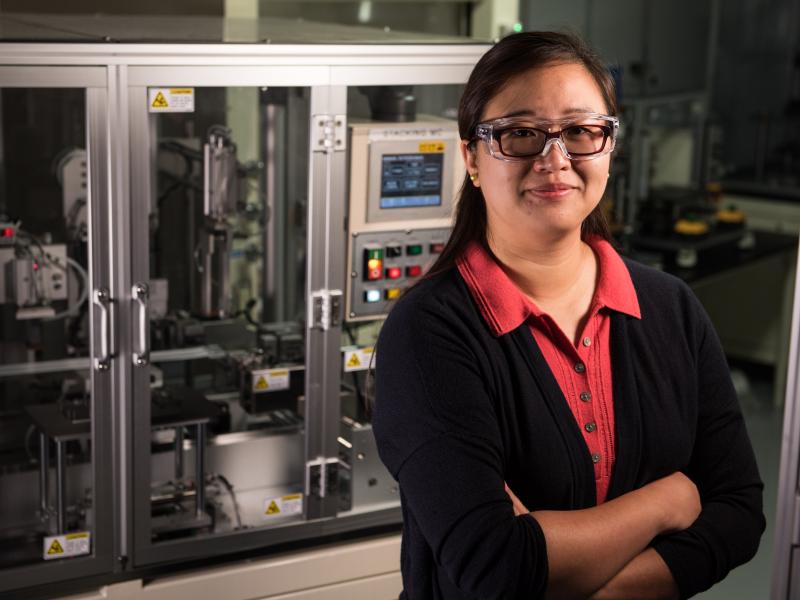
PNNL’s Jie Xiao was recently recognized for her outstanding contribution to basic and applied research on lithium-ion batteries and beyond by the International Automotive Lithium Battery Association.
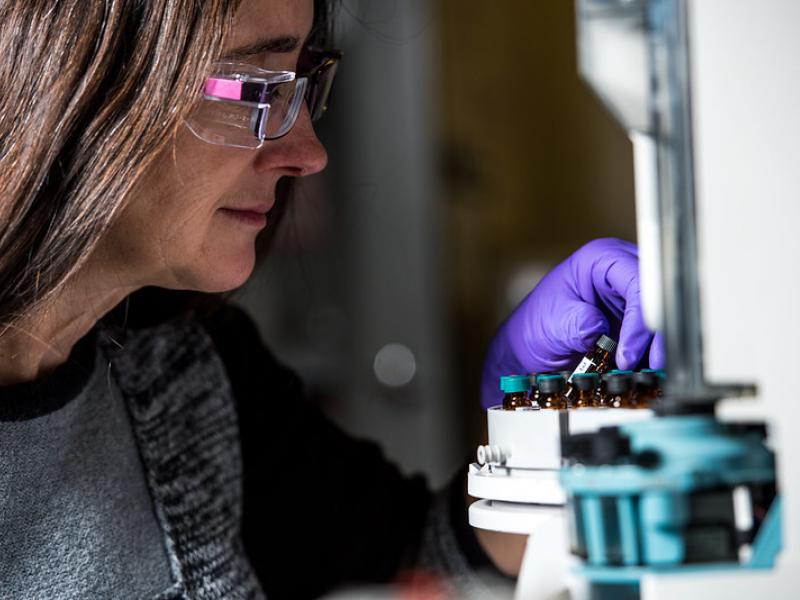
Scientists have uncovered a root cause of the growth of needle-like structures—known as dendrites and whiskers—that plague lithium batteries, sometimes causing a short circuit, failure, or even a fire.
A new Co-Optima report describes an assessment of 400 biofuel-derived samples and identifies the top ten candidates for blending with petroleum fuel to improve boosted spark ignition engine efficiency.
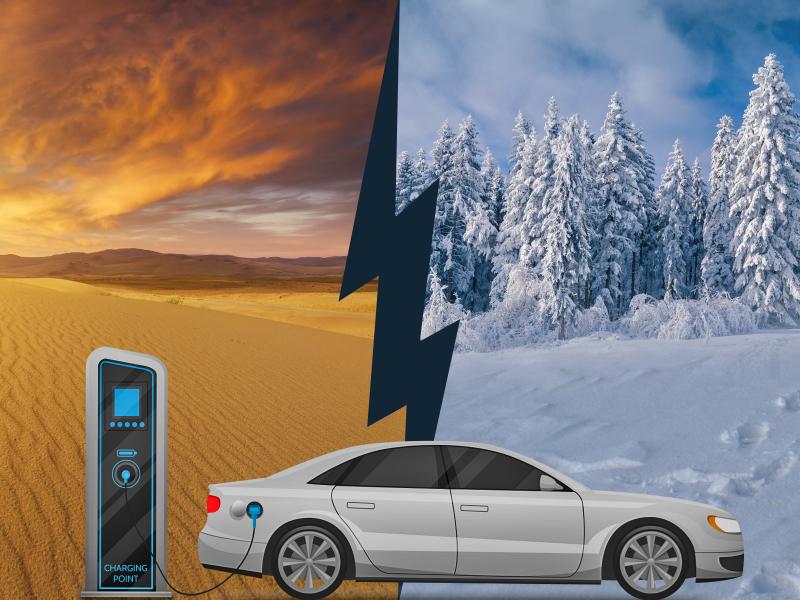
PNNL researchers have created a chemical cocktail that could help electric cars power their way through extreme temperatures where current lithium-ion batteries don’t operate as efficiently as needed.
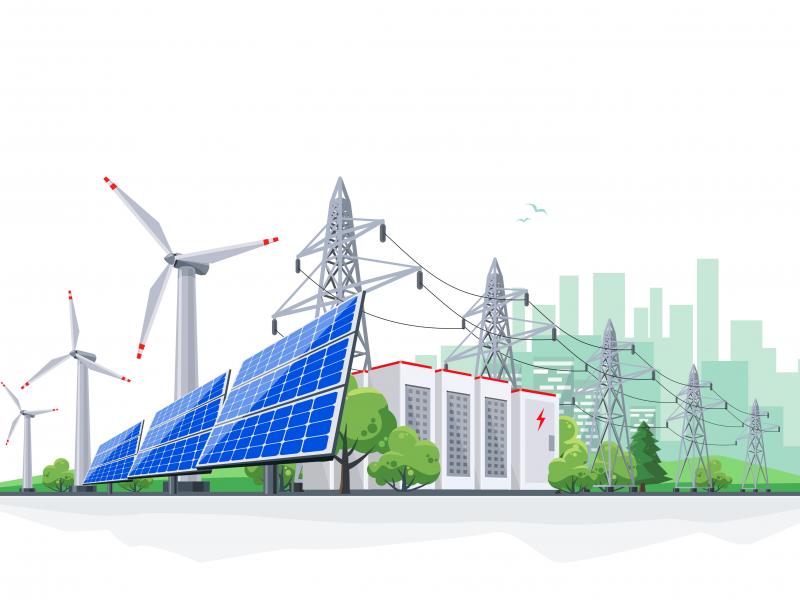
A PNNL technology enables automated Economic Dispatch, which coordinates the use of energy in a manner that enhances distributed generation, efficiency, renewables, and grid reliability.
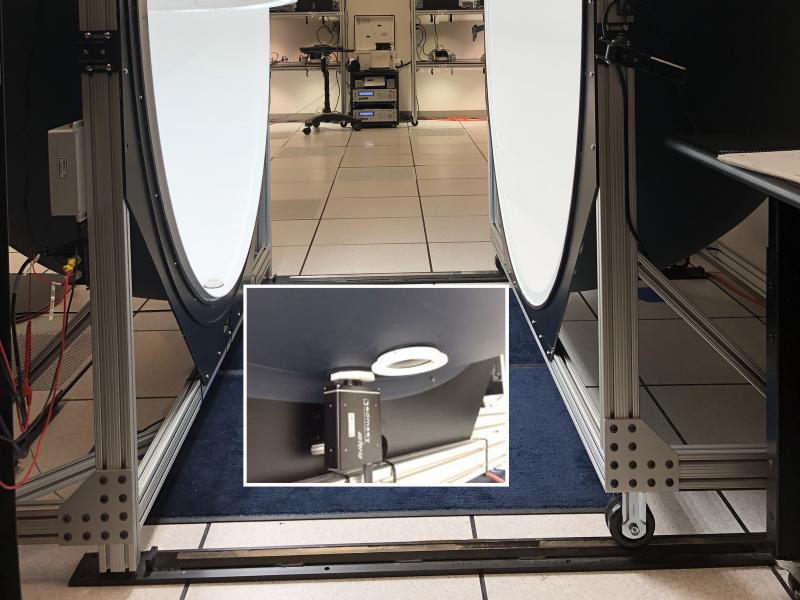
A staple in horror movies, flickering lights can also summon potential human health and productivity concerns. PNNL studied hand-held meters that measure flicker, and the results could improve future measurement and lighting strategies.
Researchers at the Department of Energy’s Pacific Northwest National Laboratory and Sandia National Laboratories have joined forces to reduce costs and improve the reliability of hydrogen fueling stations.
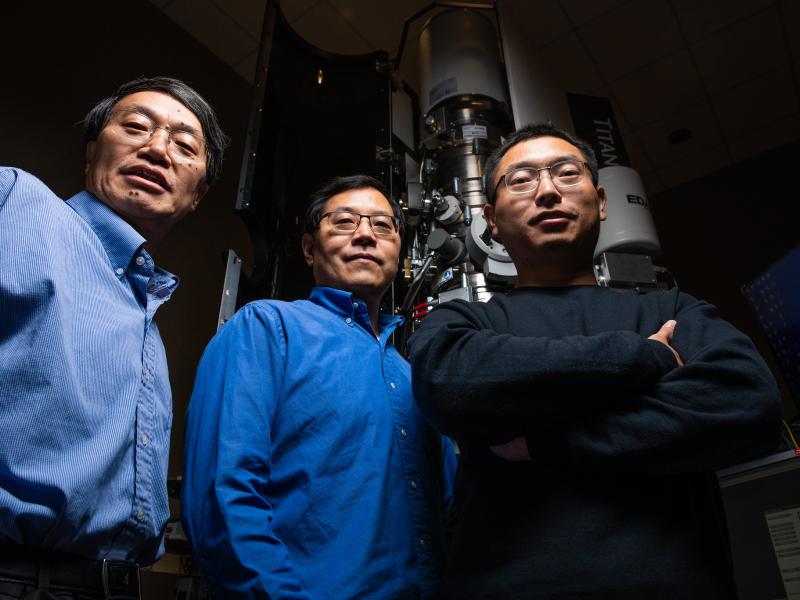
PNNL researchers demonstrate how the excitation of oxygen atoms that contributes to better performance of a lithium-ion battery also triggers a process that leads to damage, explaining a phenomenon that has been a mystery to scientists.
Researchers at PNNL have developed a model that predicts outcomes from the algae hydrothermal liquefaction process in a way that mirrors commercial reality much more closely than previous analyses.
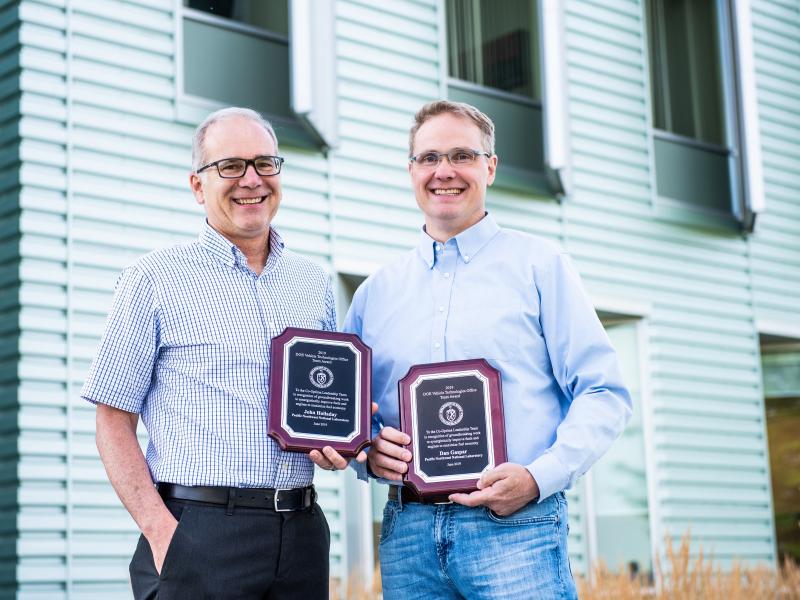
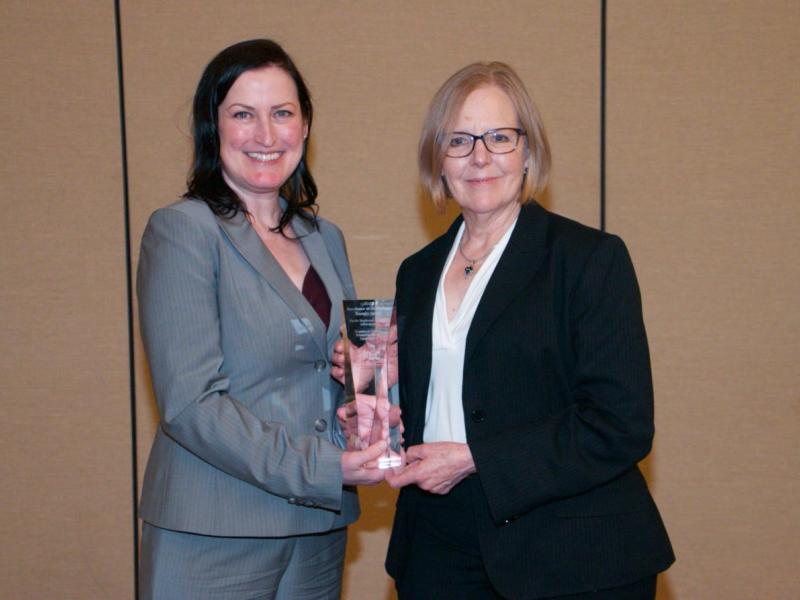
PNNL’s Dan Gaspar and John Holladay were part of the Co-Optima leadership team honored by DOE’s Vehicle Technologies Office. The award recognized groundbreaking work to synergistically improve fuels and engines to maximize fuel economy.
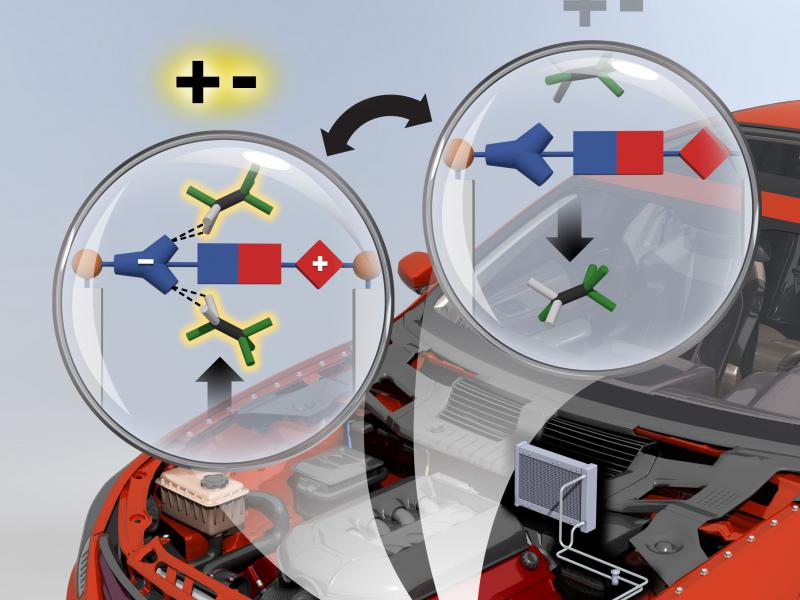
Researchers at PNNL have introduced an alternative method using a molecular-based pump that could potentially use a quarter less energy than the age-old mechanical pump.
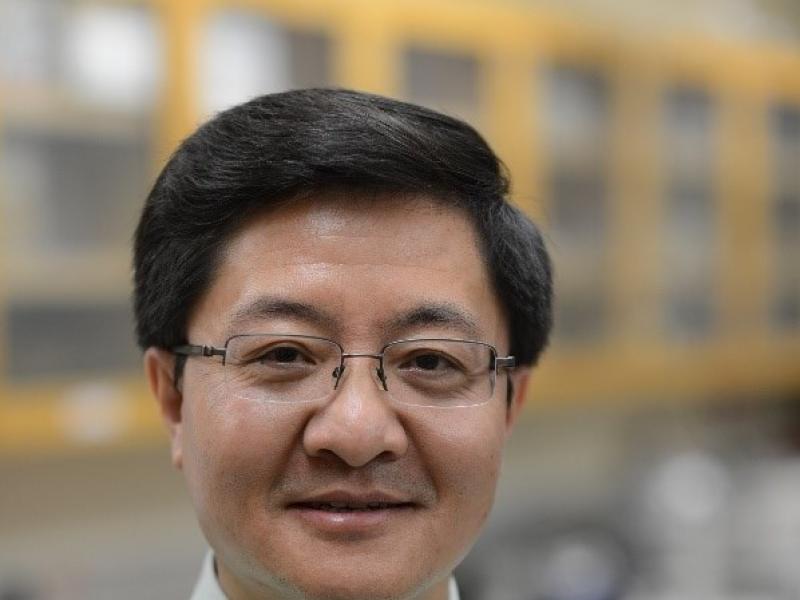
Yong Wang, a PNNL laboratory fellow, has received the 2019 Catalysis and Reaction Engineering Practice Award from the American Institute of Chemical Engineers.
PNNL and collaborator LanzaTech were honored April 24 for their partnership in the development and commercialization of an ethanol-based synthetic paraffinic jet fuel that can use any sustainable ethanol as a feedstock.
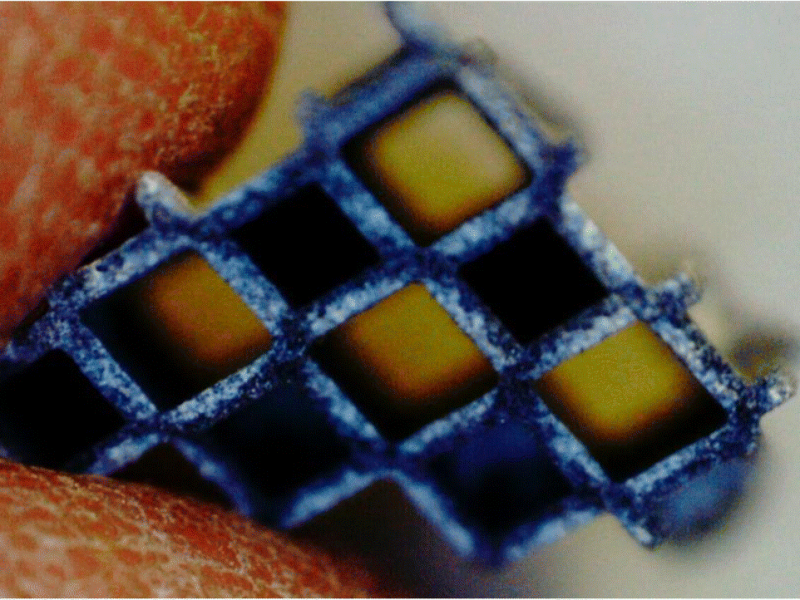
Editors of the journal Emission Control Science and Technology deemed “Coating Distribution in a Commercial SCR Filter” Best Paper in 2018. The authors include PNNL's Mark Stewart, Carl Justin Kamp, Feng Gao, Yilin Wang, and Mark Engelhard.
Researchers at PNNL construct a novel approach that requires less field work while delivering critical information on building code compliance and energy efficiency in new homes.
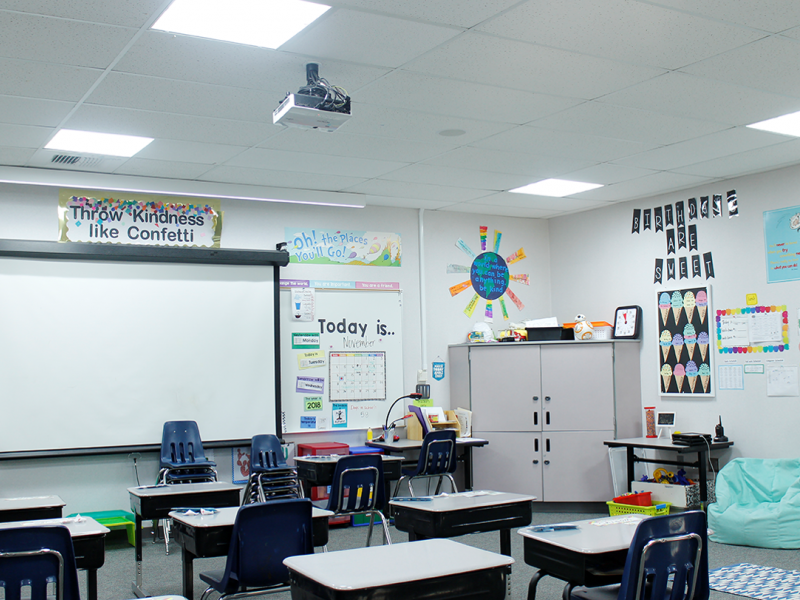
PNNL’s Solid State Lighting program evaluated the energy and photometric performance of adjustable LED lighting systems installed in three California classrooms as part of a GATEWAY study.