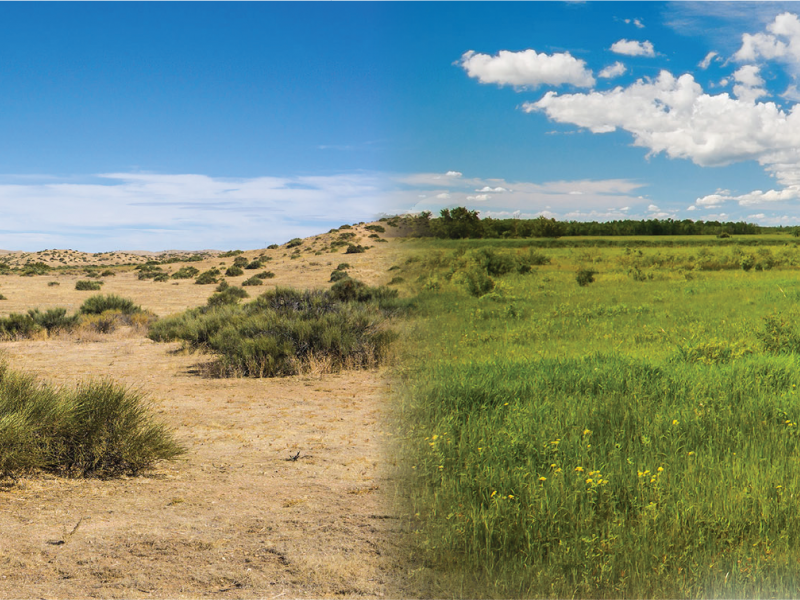
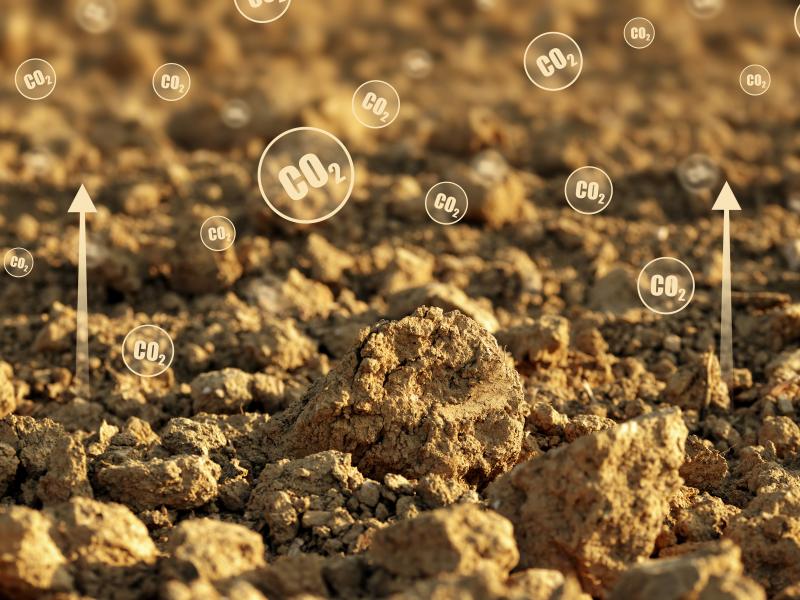
Dominant and functionally important soil microbes show strong, predictable, and distinctly different associations with continental-scale gradients in climate, vegetation, and soil moisture.
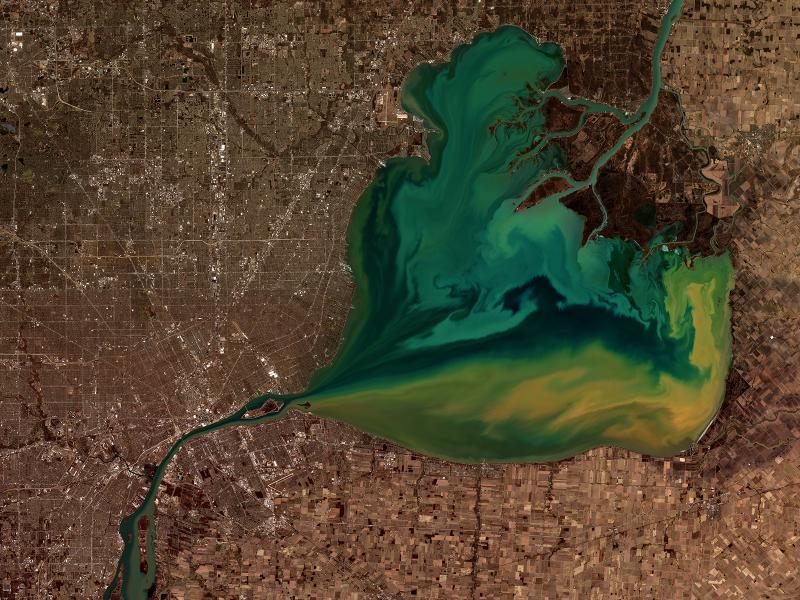
A novel ecological measurement uncovered interactions between river corridor organic matter assemblages and microbial communities, highlighting potentially important microbial taxa and molecular formula types.
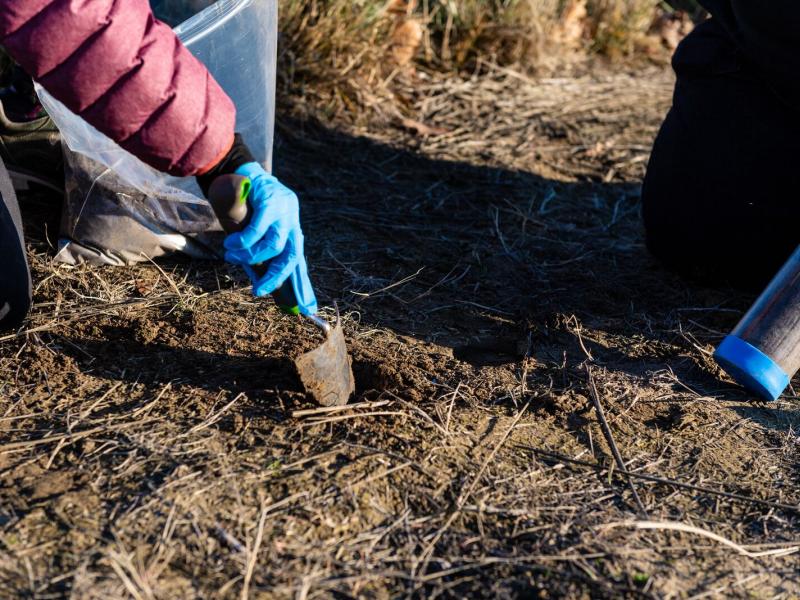
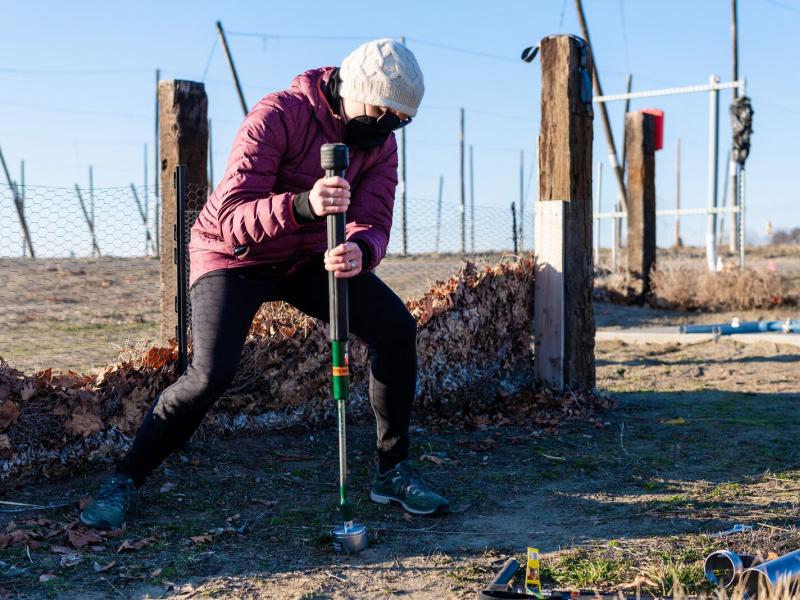
Researchers from the Environmental Molecular Sciences Laboratory are collecting soil cores as part of the 1000 Soils Research Pilot to develop a database of molecular-level data from belowground ecosystems.
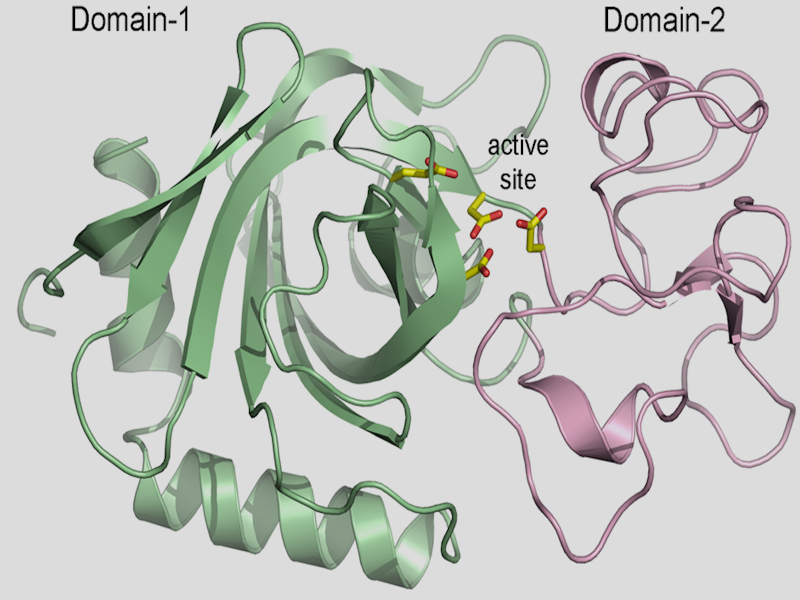
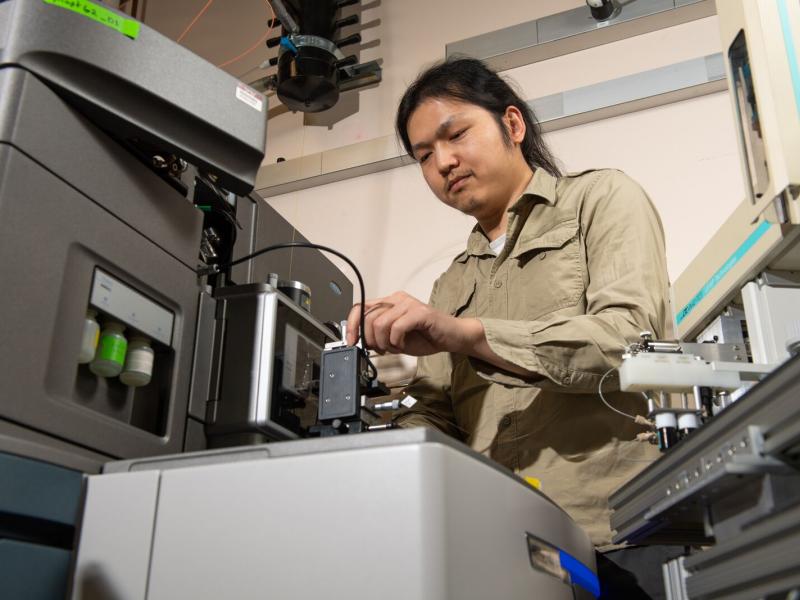
Mowei Zhou, a chemist with the Environmental Molecular Sciences Laboratory, is speaking at the ACS spring conference on his latest protein discoveries for a plant that could transform biofuels production.
PNNL is highlighting scientific and technical experts in the national security domain who were recently promoted to scientist and engineer level 5, one of PNNL’s most senior research roles.
Chemist April Carman was recognized for her career accomplishments with the Professional Achievement Award from the University of Nevada, Reno, College of Science.
Knowing which bacteria in a community are involved with carbon cycling could help scientists predict how microbial carbon storage and release could influence future climate dynamics.
New study elucidates the complex relaxation kinetics of supercooled water using a pulsed laser heating technique at previously inaccessible temperatures.
PNNL's Rich Ozanich, project manager of opioids standards and equipment testing, served on an expert panel about opioid detection as part of a Department of Homeland Security S&T research and development showcase.