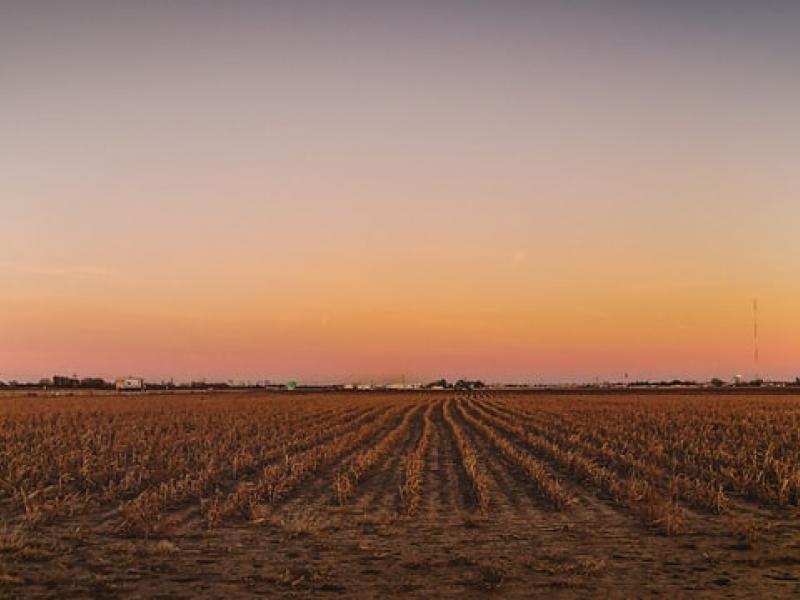
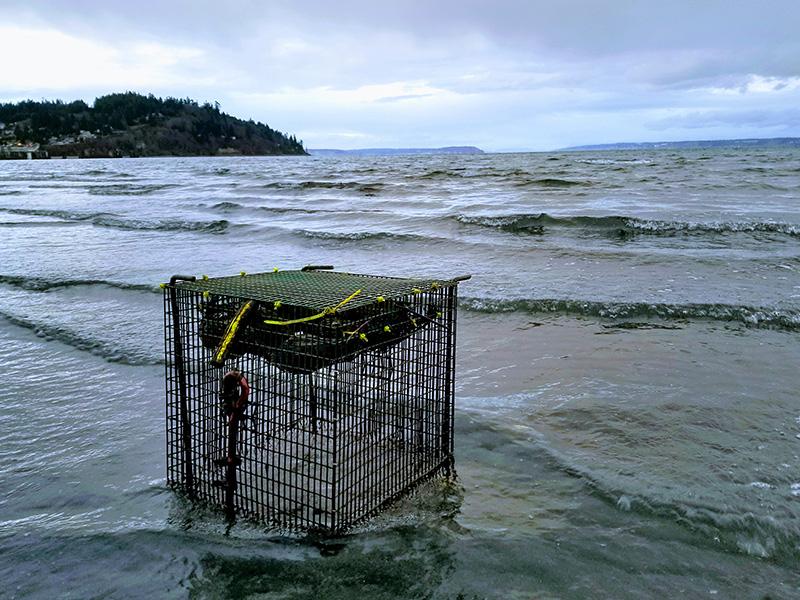
Researchers from Pacific Northwest National Laboratory reviewed the current state of knowledge about the impacts of climate change on soil microorganisms in different climate-sensitive soil ecosystems.
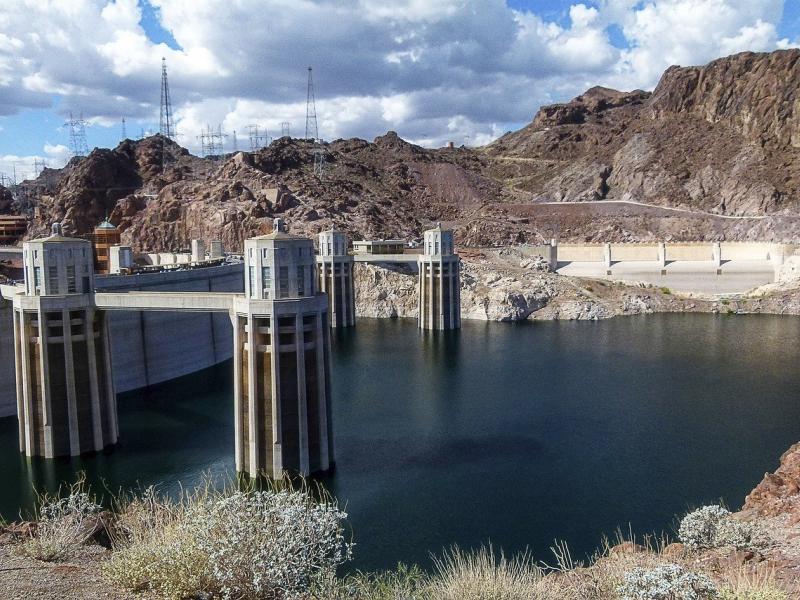
With support from DOE’s Office of Electricity and National Grid, PNNL led a groundbreaking study to accurately assess the full value of grid energy storage investments across a wide variety of use cases.
Nitrogen is a critical nutrient regulating productivity in many ecosystems and influences nutrient availability by affecting organic matter decomposition rates.
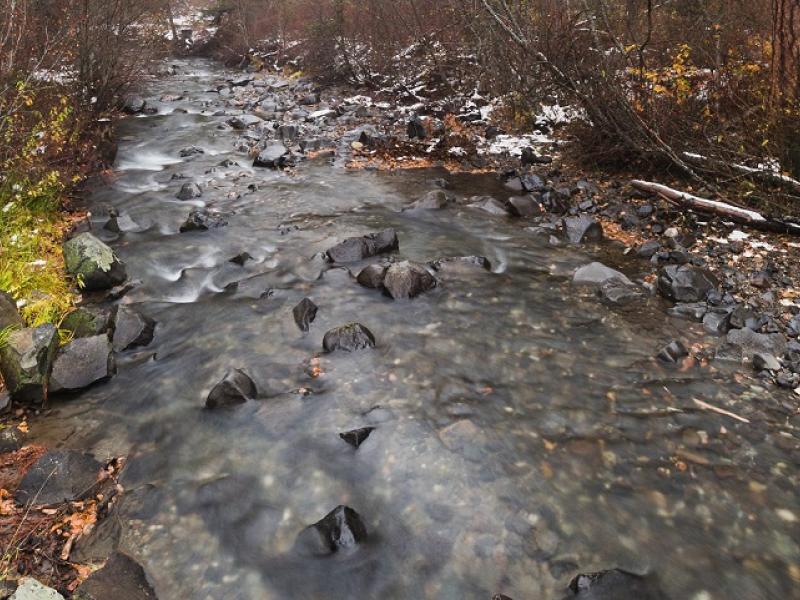
Biogeochemical activity in the hyporheic zone (HZ), sediments where the flowing waters of a river mix with shallow groundwater, supports many of the biological processes that occur within a watershed.
Co-authors of a paper in Hydrological Processes led by PNNL researchers Zhangshuan Hou, Timothy Scheibe, and Christopher Murray, produced a map that identifies different classes of sediments which compose the riverbed along the Hanford ...
A multi-institutional team of scientists developed a new sensitivity analysis framework using Bayesian Networks to quantify which parameters and processes in complex multi-physics models are least understood.
Reactive transport models (RTMs) are used to describe and predict the distribution of chemicals in time and space, in both marine and terrestrial (surface and near-surface) environments where microbially-mediated processes govern...
Hydrologic exchange flows (HEFs) increase the contact between river water and subsurface sediments thereby playing a critical role in biogeochemical and ecological functions along river corridors.
Hydrologic exchange fluxes (HEFs) between rivers and surrounding subsurface environments strongly influence water temperatures and biogeochemical processes. Yet, quantitative measures of their effects on the strength and direction of such e
Energy storage is slowly shifting utility planning practices from the current paradigm, which ensures grid reliability by building reserve generation resources, to ensuring grid reliability by optimizing grid services.
Despite a breadth of research on carbon accrual and persistence in soils, scientist lack a strong, general understanding of the mechanisms through which soil organic carbon (SOC) is destabilized in soils. In a new review article, researcher
PNNL helped teach the next generation of principal investigators about aerosols—tiny atmospheric particles that can affect the Earth’s climate—during the 2019 Aerosol Summer School.