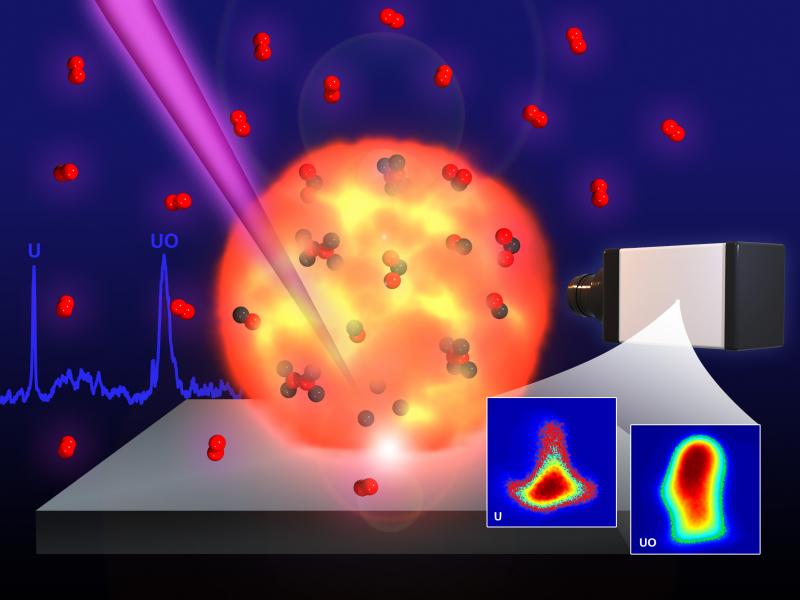
A team of researchers is working to expand our uranium chemistry understanding using a surprising tool: lasers. This capability gives never-before-seen insight into uranium gas-phase oxidation during nuclear explosions.
David Senor, PNNL researcher and tritium expert, has been named to the Texas A&M University Nuclear Engineering Advisory Council. This appointment follows Senor’s eight consecutive years of mentoring Texas A&M’s nuclear engineering senior
The Federal Laboratory Consortium for Technology Transfer has honored three innovations at the U.S. Department of Energy’s Pacific Northwest National Laboratory.
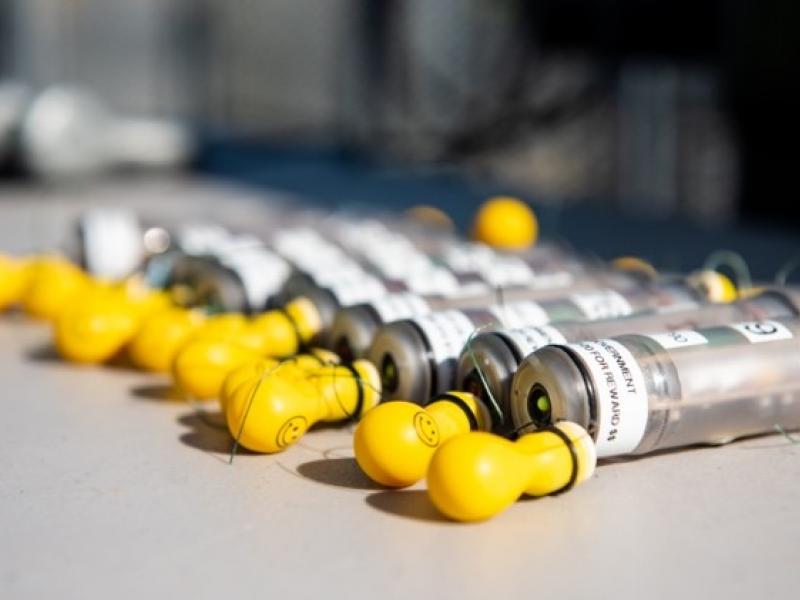
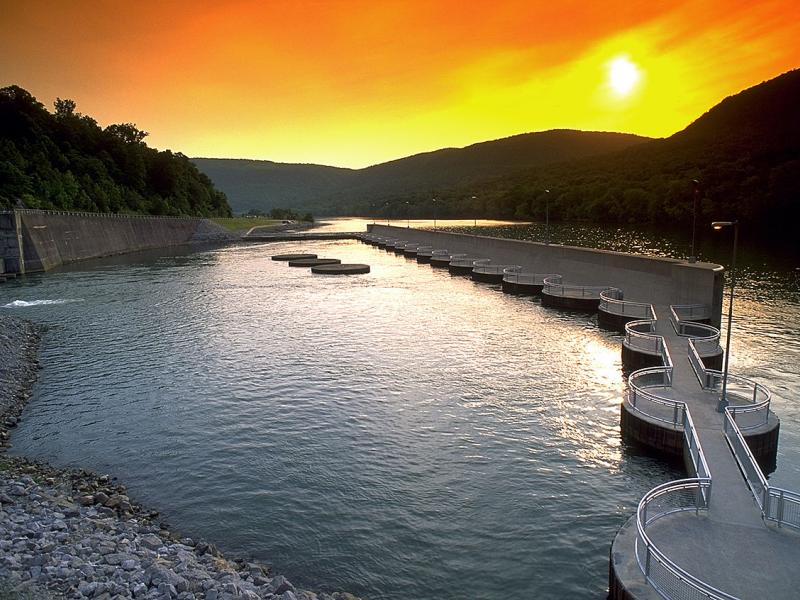
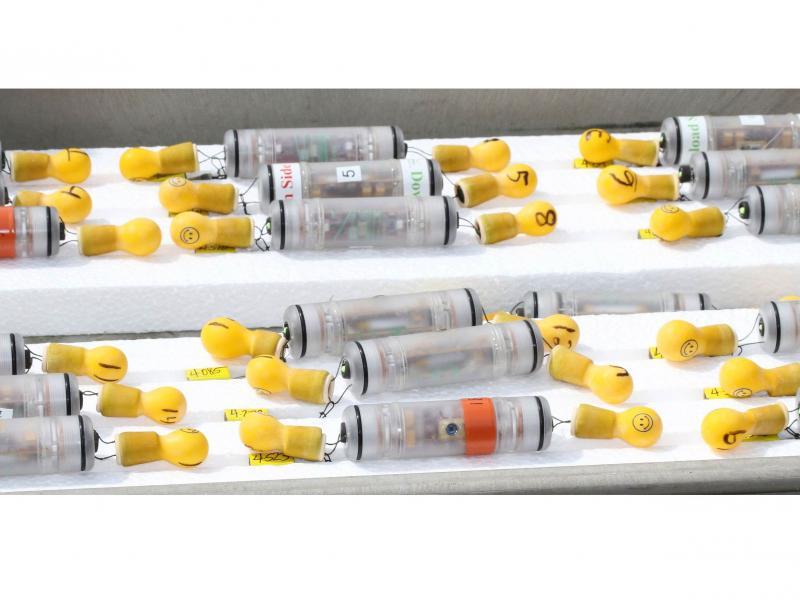
PNNL's Sensor Fish were deployed at Ice Harbor Dam to collect data from a new turbine. The data indicates the design changes are making travel through the dam less arduous for fish.
PNNL will provide technical support to finalists in the Incubate stage and to Grand Prize Winners following the Pitch contest stage of the Fish Protection Prize competition, which is now accepting submissions.
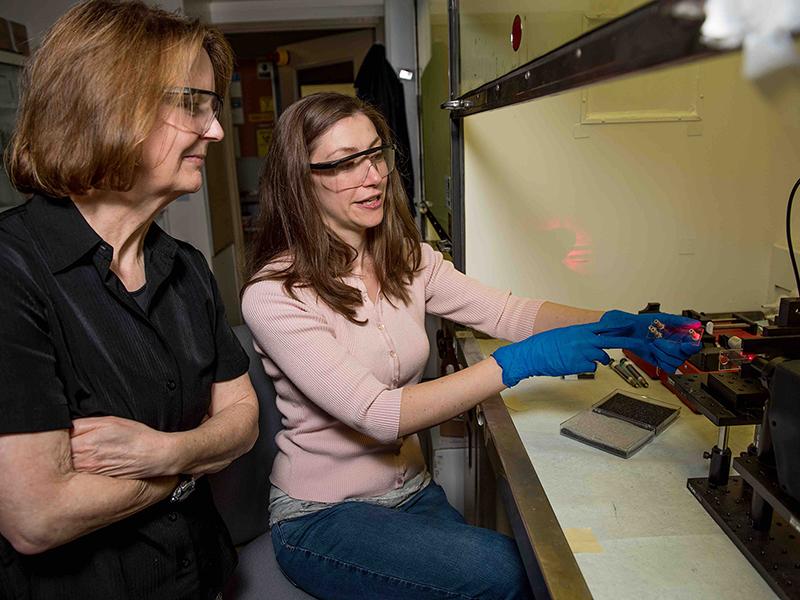
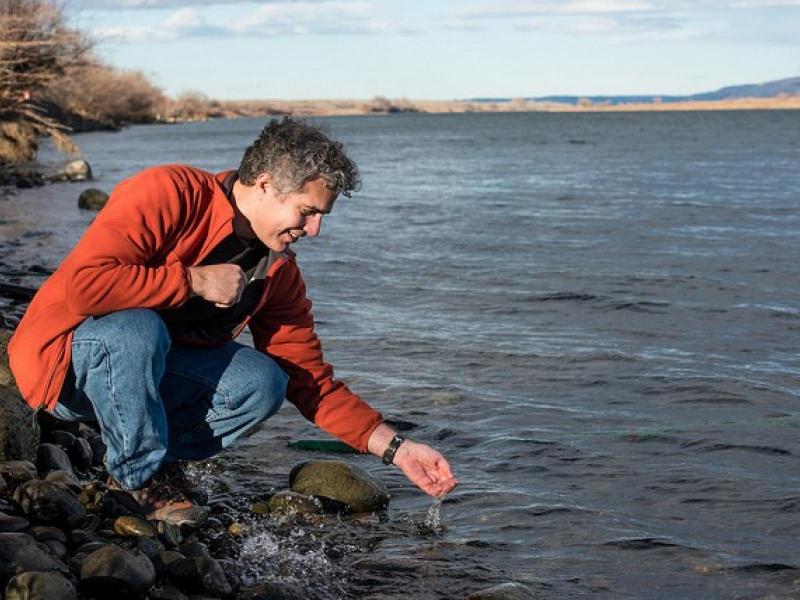
The world’s largest scientific society honored Sue B. Clark, a PNNL and WSU chemist, for contributions toward resolving our legacy of radioactive waste, advancing nuclear safeguards, and developing landmark nuclear research capabilities.
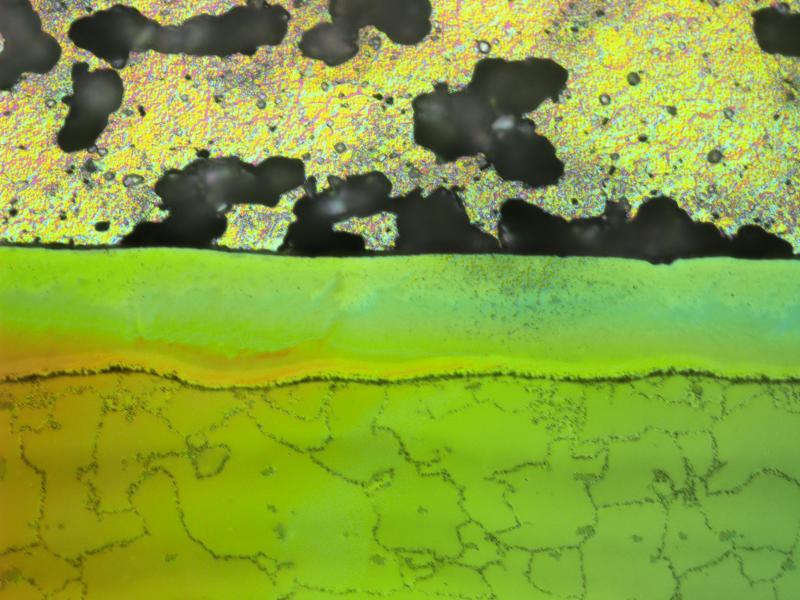
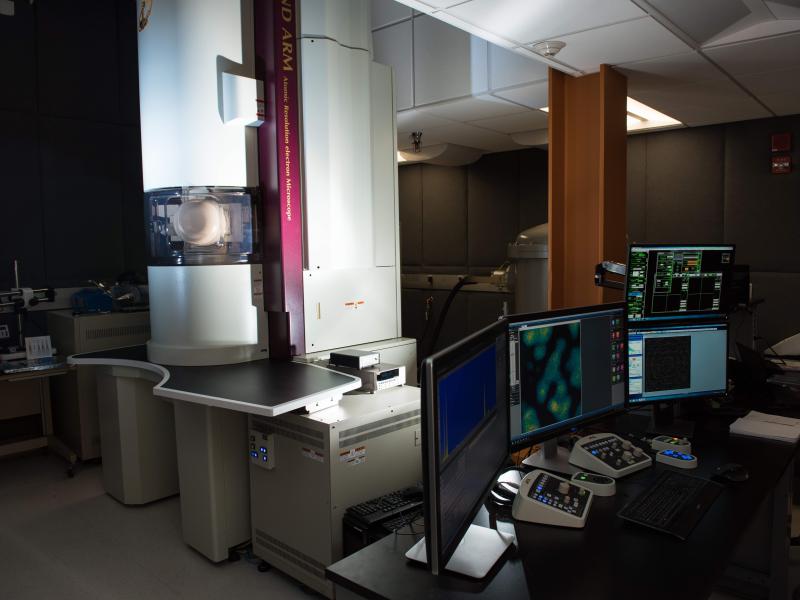
PNNL researchers demonstrated a nanoscale analysis tool to map isotopes to location in low-enriched uranium-molybdenum fuel plates for use in nuclear research reactors.
Pumped-storage hydropower offers the most cost-effective storage option for shifting large volumes of energy. A PNNL-led team wrote a report comparing cost and performance factors for 10 storage technologies.
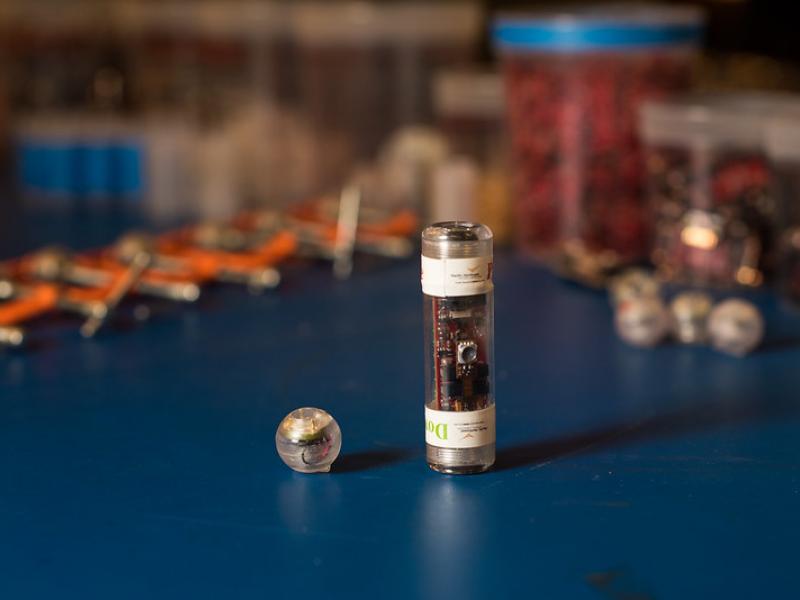
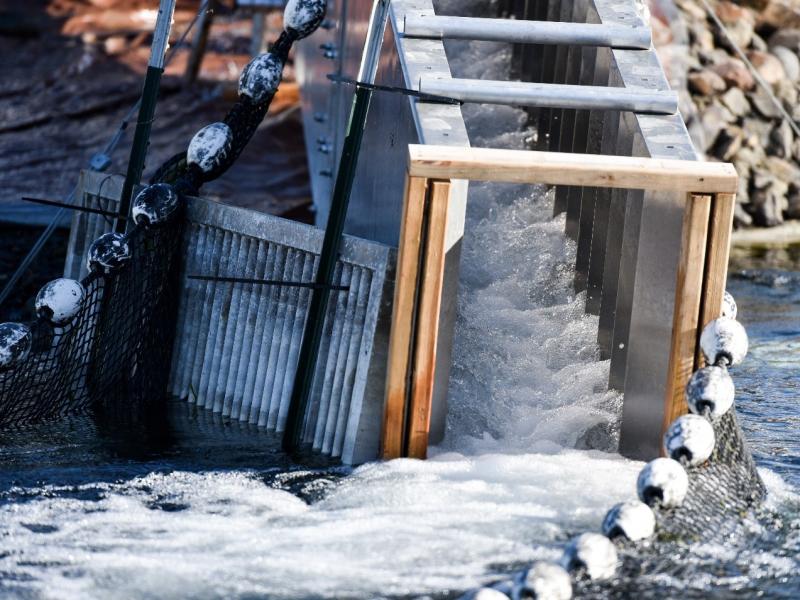
PNNL’s autonomous fish body double, Sensor Fish, and the miniature version, Sensor Fish Mini, were used to evaluate a special screen. Researchers found the screen provides safe downstream passage for fish at irrigation structures.
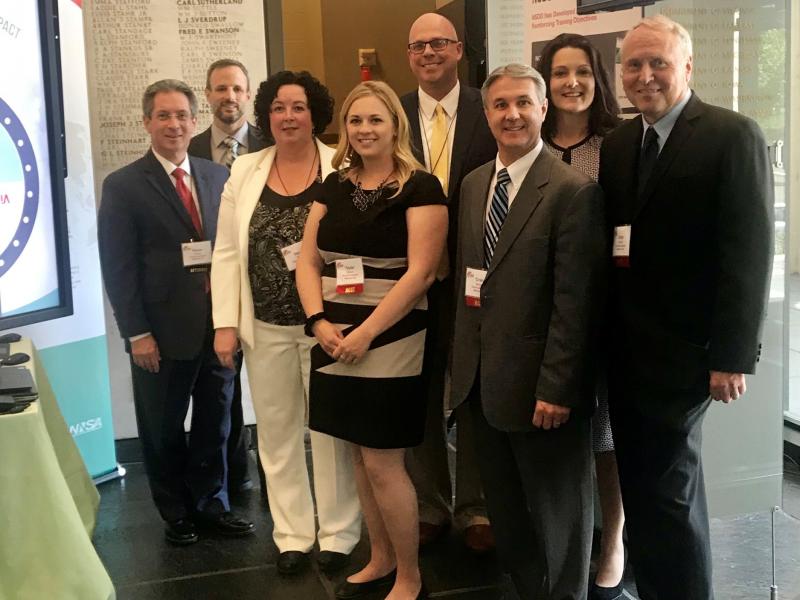
PNNL Laboratory Director Steve Ashby attended an event marking the 20th anniversary of the Department of Energy’s National Nuclear Security Administration Nuclear Smuggling Detection and Deterrence program.
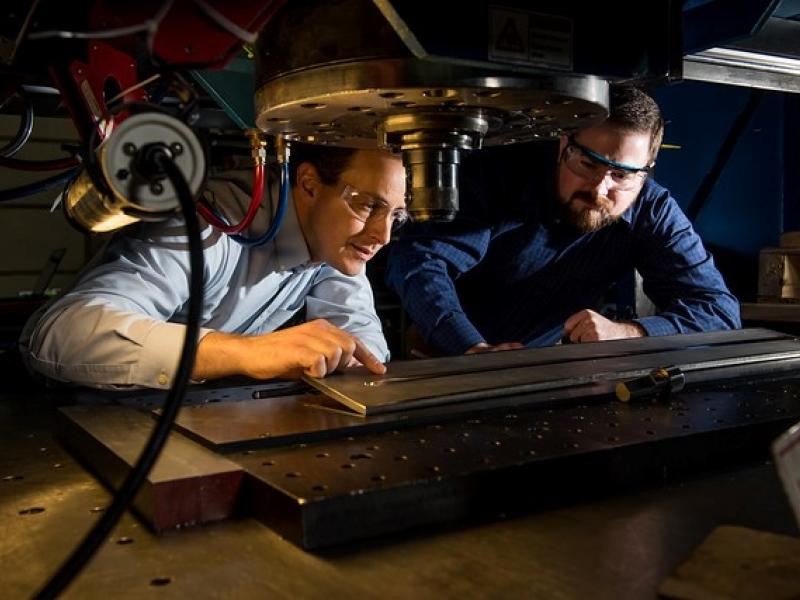
A PNNL study that evaluated the use of friction stir technology on stainless steel has shown that the steel resists erosion more than three times that of its unprocessed counterpart.
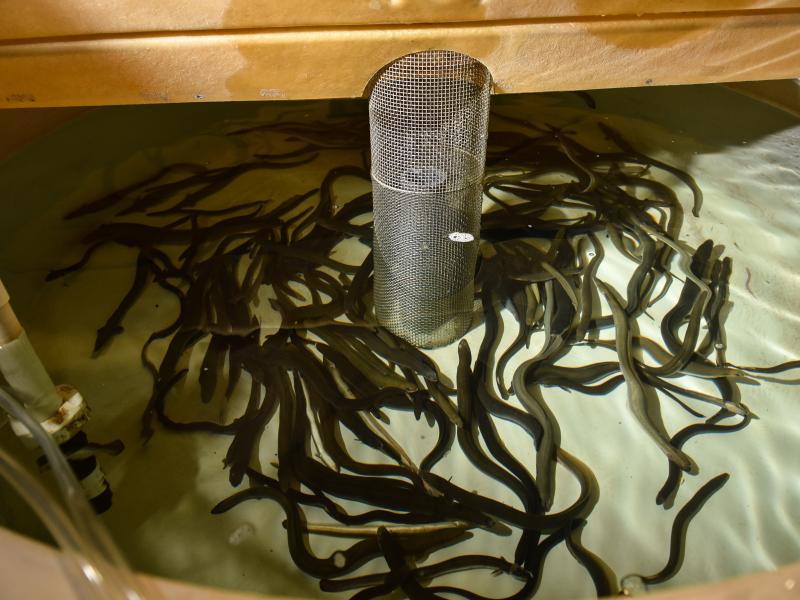
Three PNNL fish researchers recently published a video journal article on how to properly implant miniature acoustic tags in juvenile Pacific lamprey and American eel and how the tags could benefit migration.
A new paper found that hydropower turbines with composite blades generate about 20 percent more power than turbines with traditional stainless steel blades at the same flow rate.
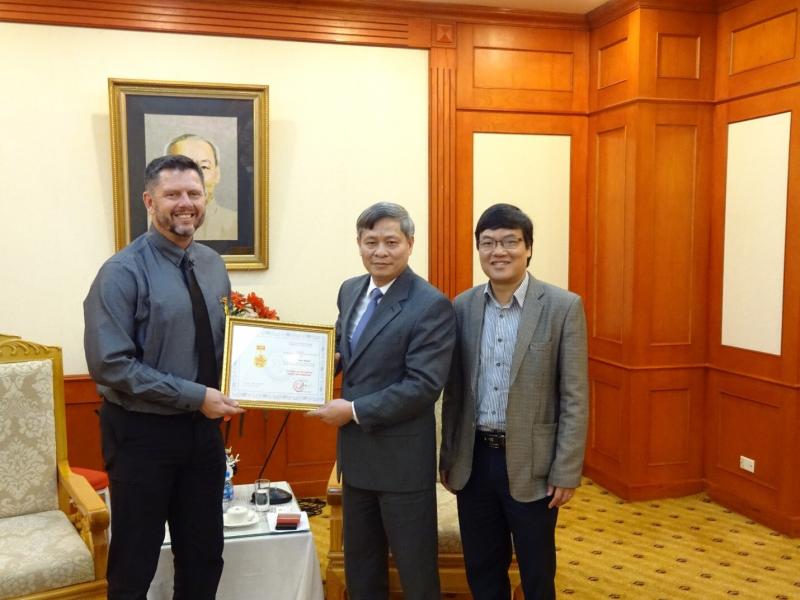
Vietnam's Ministry of Science and Technology (MOST) Deputy Minister Pham Cong Tac awarded the Medal for the Cause of Science and Technology to PNNL's Todd Haynie.
Researchers used novel methods to safely create and analyze plutonium samples. The approaches could prove influential in future studies of the radioactive material, benefitting research in legacy, national security and nuclear fuels.