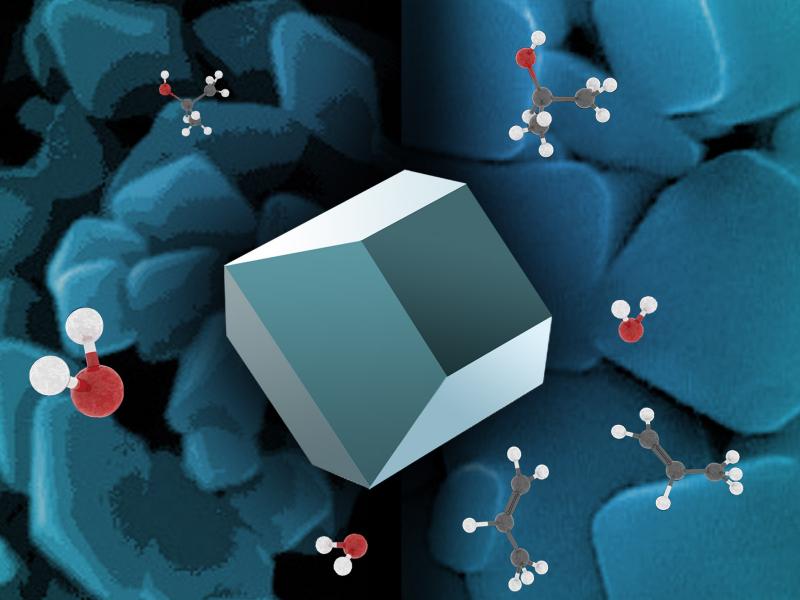
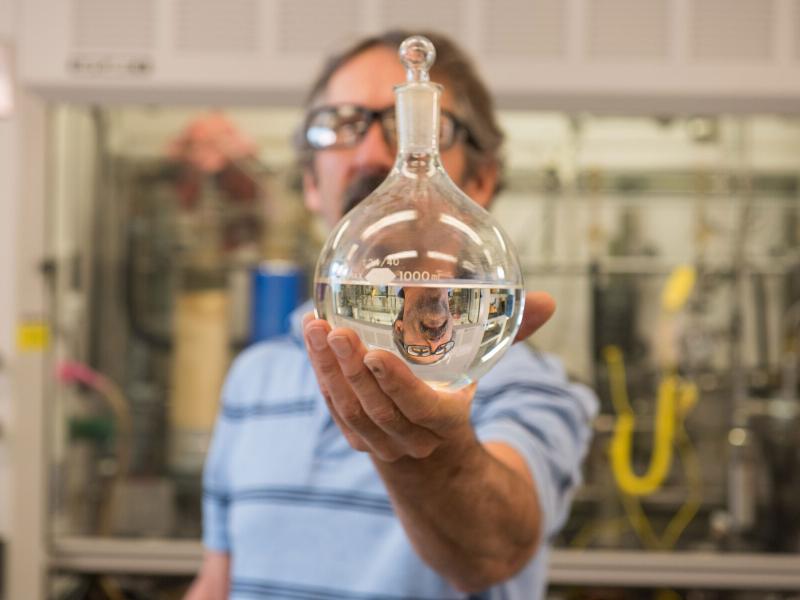
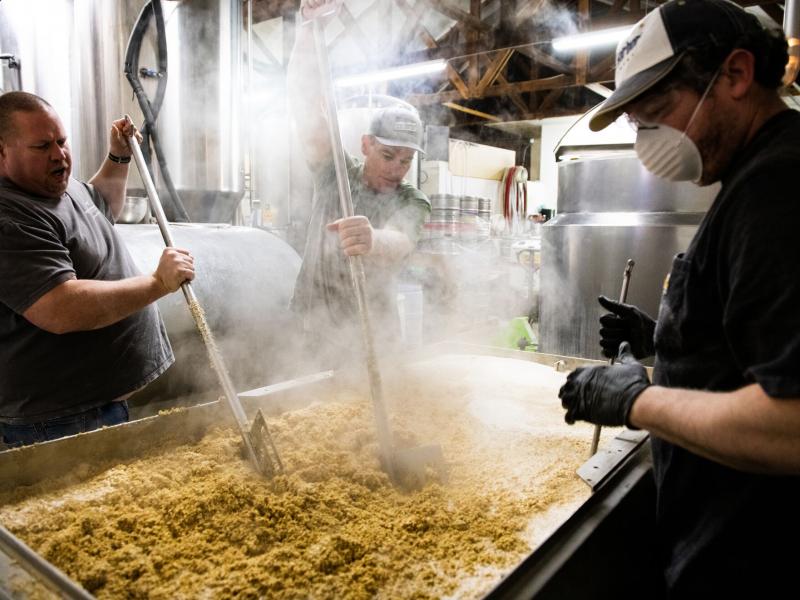
A chemical engineer by day at PNNL, Dan Howe is an ardent home brewer by night. The connection resulted in production of biocrude oil from brewery waste.
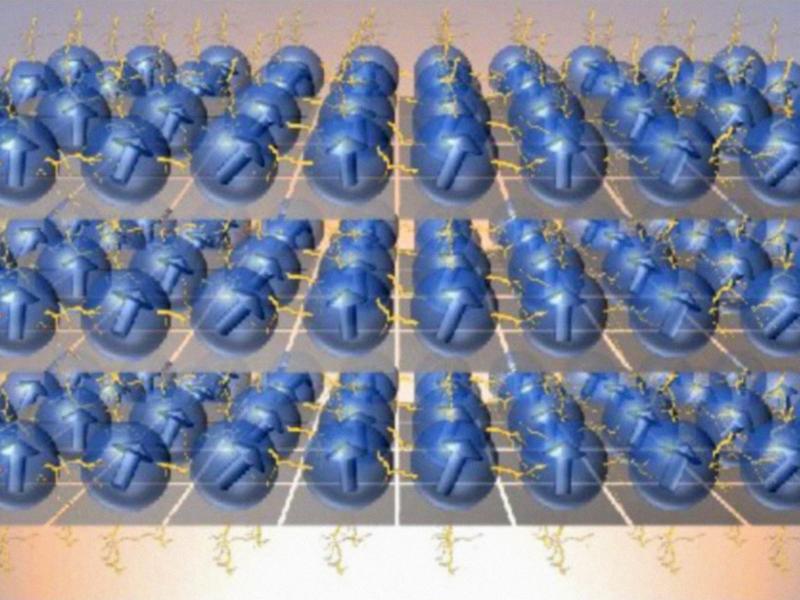
Researchers found that certain oxide interface configurations remain stable in extreme environments, suggesting ways to build better performing, more reliable devices for fuel cells, space-based electronics, and nuclear energy.
Shannon Stahl leads the Molecular Mediators thrust in the Center for Molecular Electrocatalysis (CME). Stahl Is the winner of the 2020 American Chemical Society Catalysis Lectureship.
PNNL researchers and professional staff led discussions ranging from biothreats and climate change to science careers at the 2020 annual meeting of the American Association for the Advancement of Science, held this year in Seattle.
PNNL’s Corinne Drennan has been selected to serve a term on the Washington Department of Ecology’s advisory board for the new Recycling Development Center.
Researchers at PNNL are contributing artificial intelligence, machine learning, and app development expertise to a U of W project that will ease challenges with urban freight delivery. The project will provide delivery drivers with a tool
Retired PNNL scientist Doug Elliott has received the 2019 Don Klass Award for Excellence in Thermochemical Conversion Science from the Gas Technology Institute.
In the third year of the DISCOVR Consortium project, the consortium team has identified an algal strain that progressed successfully through multiple evaluation phases.
Two forms of magnesium material were processed into tubing using PNNL’s Shear Assisted Processing and Extrusion™ technology. Both materials were found to have quite similar and improved properties—even though they began vastly different.
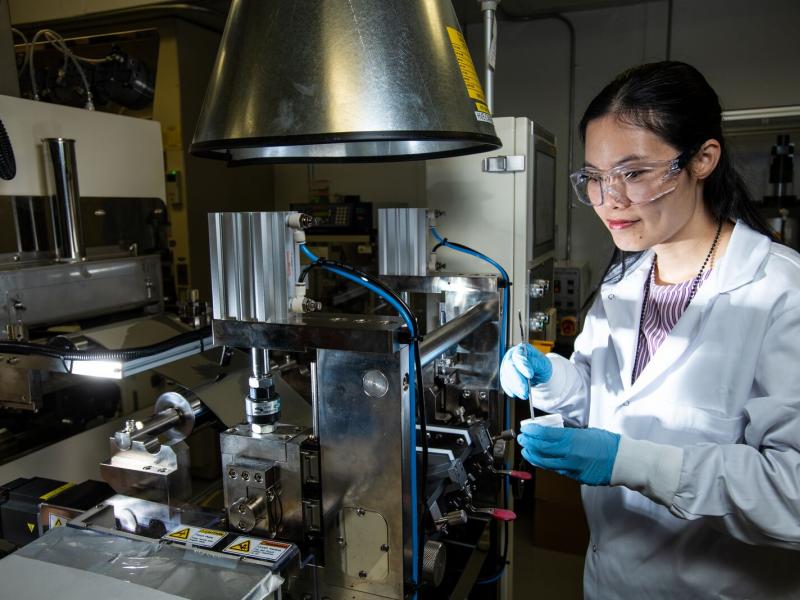
PNNL’s Jie Xiao was recently recognized for her outstanding contribution to basic and applied research on lithium-ion batteries and beyond by the International Automotive Lithium Battery Association.
Scientists have uncovered a root cause of the growth of needle-like structures—known as dendrites and whiskers—that plague lithium batteries, sometimes causing a short circuit, failure, or even a fire.
A new Co-Optima report describes an assessment of 400 biofuel-derived samples and identifies the top ten candidates for blending with petroleum fuel to improve boosted spark ignition engine efficiency.
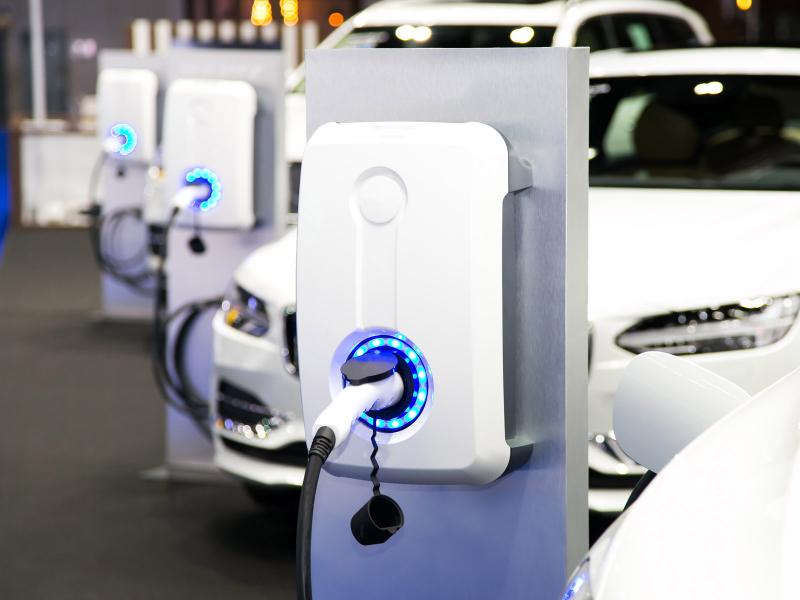
PNNL researchers have created a chemical cocktail that could help electric cars power their way through extreme temperatures where current lithium-ion batteries don’t operate as efficiently as needed.
CME investigators Daniel Martin (Yale) and Samantha Johnson (PNNL) received a team science award at the 2019 Energy Frontier Research Centers (EFRC) Principal Investigators' Meeting in Washington, D.C. in July 2019.
Prof. Yogesh (Yogi) Surendranath of the Center for Molecular Electrocatalysis (CME) was honored with a Presidential Early Career Award for Scientists and Engineers.
Nitrogen oxides, also known as NOx, form when fossil fuels burn at high temperatures. When emitted from industrial sources such as coal power plants, these pollutants react with other compounds to produce harmful smog.