In a new video series this fall, PNNL is highlighting six scientific and technical experts in the national security domain. Each was promoted to Scientist and Engineer Level 5, one of PNNL’s most senior research roles.
PNNL has earned “Best Paper” at an international resilience conference for research on hydropower’s capabilities and constraints in the event of extreme events, like hurricanes and rolling blackouts.
Five PNNL technologies were recently awarded six R&D 100 honors. The R&D 100 Awards, now in its 58th year, recognize pioneers in science and technology from industry, the federal government, and academia.
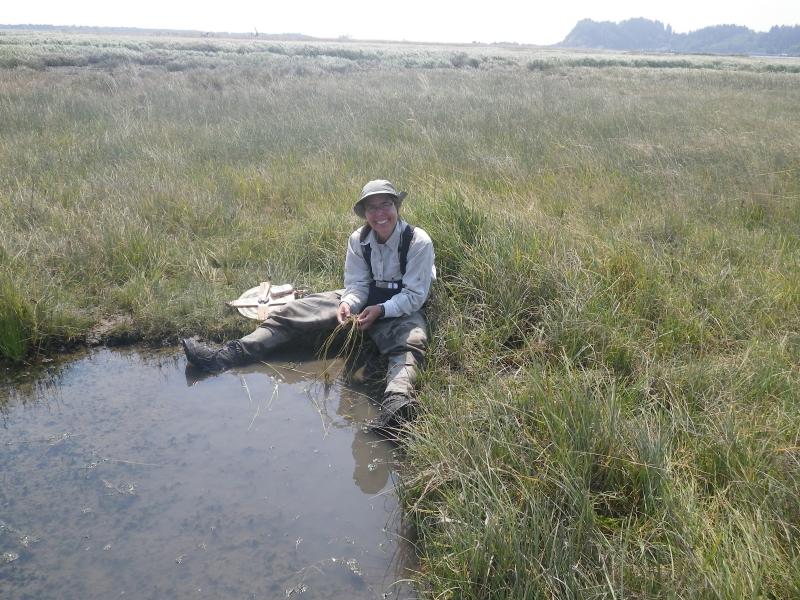
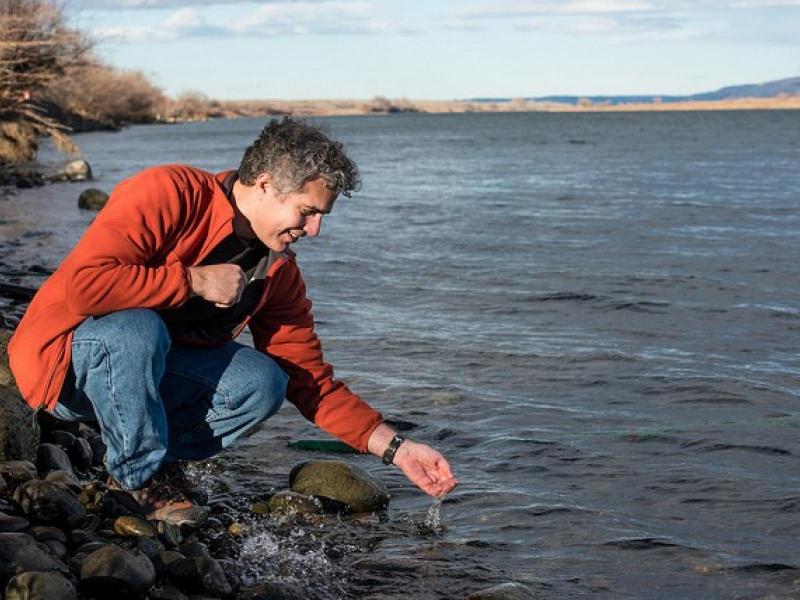
Culminating 10 years of study, researchers at PNNL’s Marine and Coastal Research Laboratory developed a new predictive framework for estuarine–tidal river research and management.
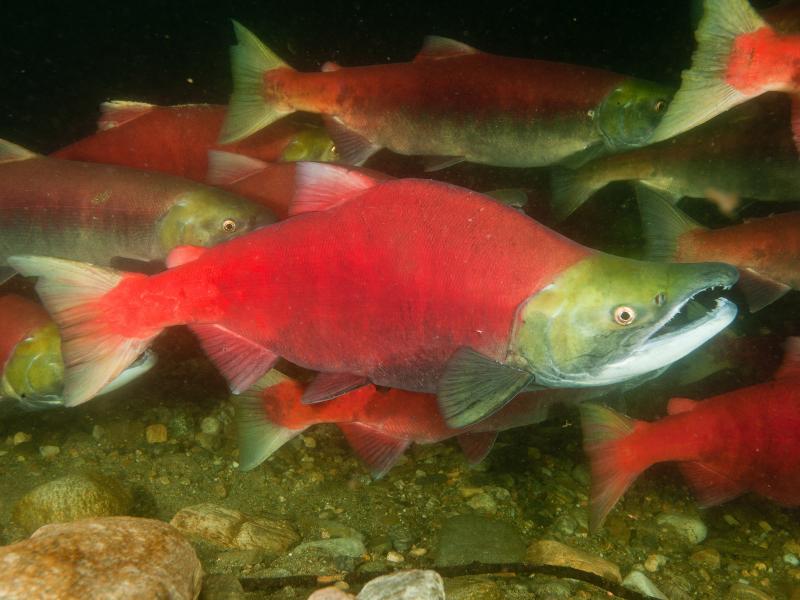
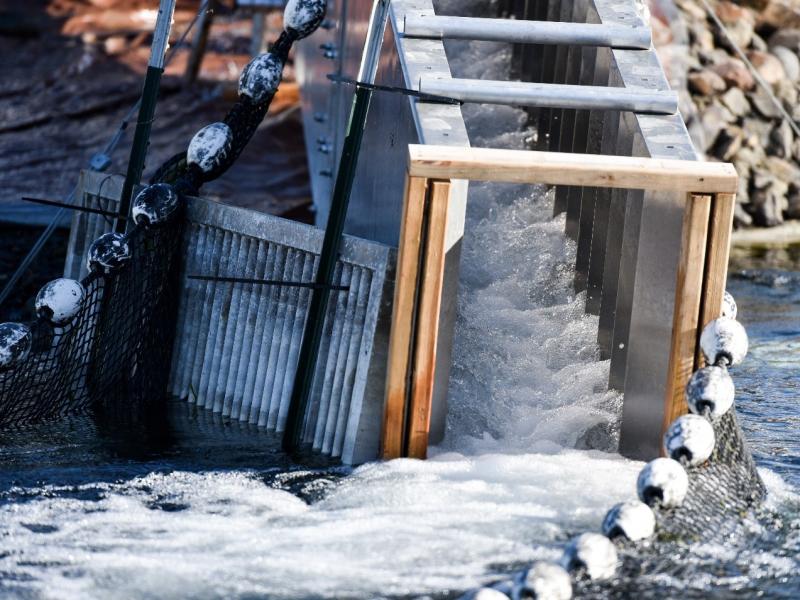
PNNL biologists have developed a more efficient way to estimate salmon survival through dams that uses solid science but saves over 42 percent of the cost.
A technology that can quickly detect explosive vapors, deadly chemicals and illicit drugs with unparalleled accuracy has been named the 2020 Innovation of the Year by GeekWire, the Seattle-based technology news company.
The Federal Laboratory Consortium for Technology Transfer has honored three innovations at the U.S. Department of Energy’s Pacific Northwest National Laboratory.
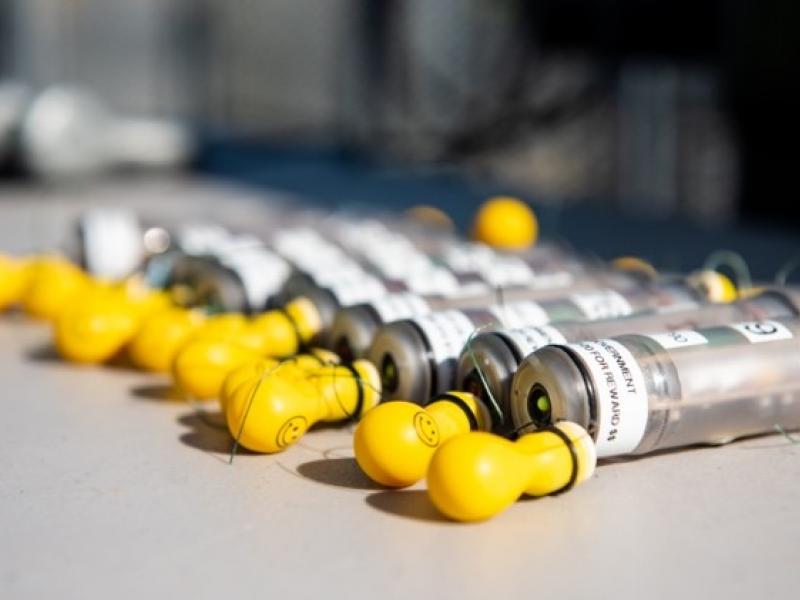
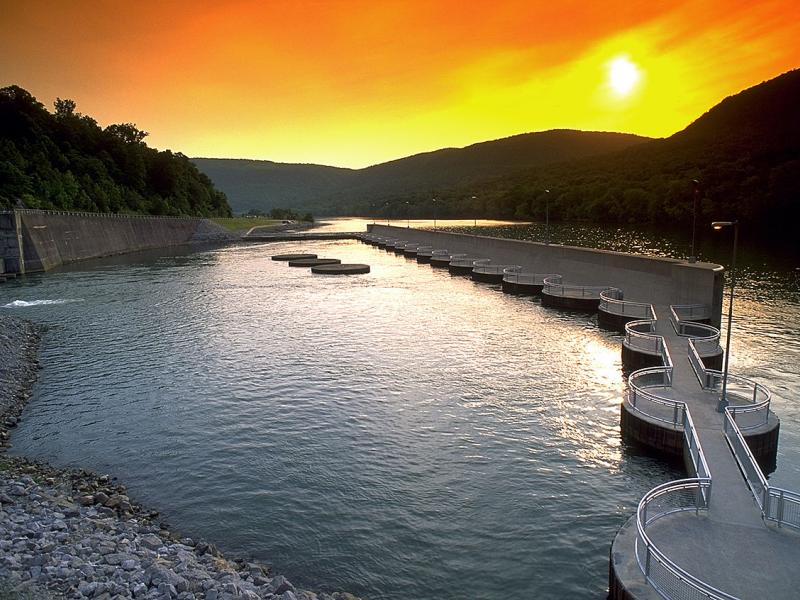
PNNL's Sensor Fish were deployed at Ice Harbor Dam to collect data from a new turbine. The data indicates the design changes are making travel through the dam less arduous for fish.
PNNL will provide technical support to finalists in the Incubate stage and to Grand Prize Winners following the Pitch contest stage of the Fish Protection Prize competition, which is now accepting submissions.
Pumped-storage hydropower offers the most cost-effective storage option for shifting large volumes of energy. A PNNL-led team wrote a report comparing cost and performance factors for 10 storage technologies.
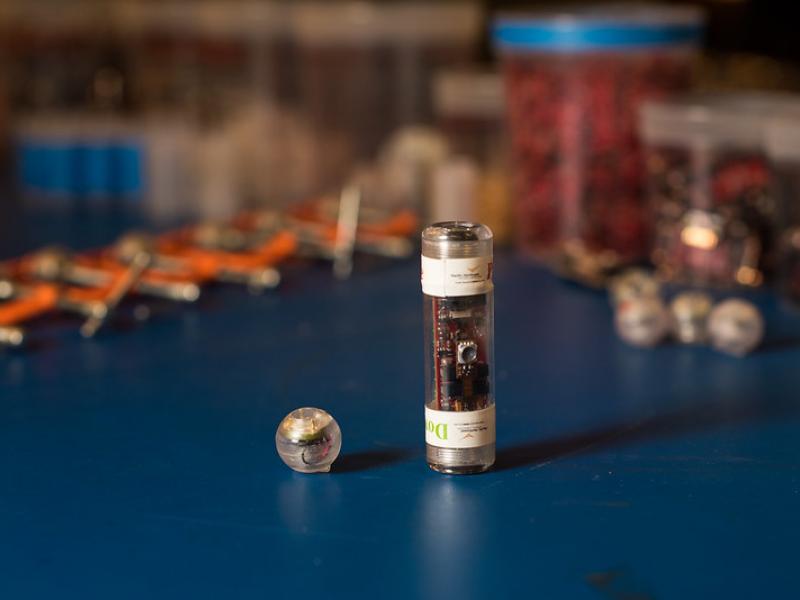
PNNL’s autonomous fish body double, Sensor Fish, and the miniature version, Sensor Fish Mini, were used to evaluate a special screen. Researchers found the screen provides safe downstream passage for fish at irrigation structures.
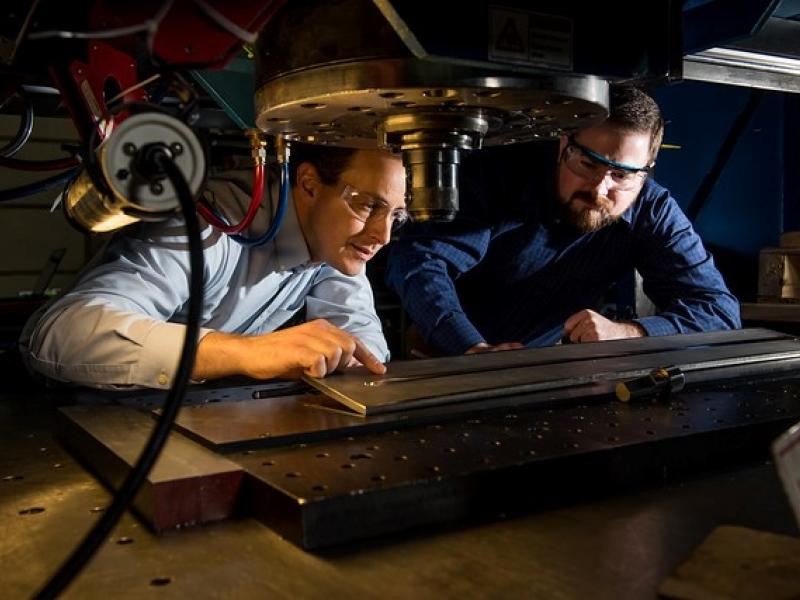
A PNNL study that evaluated the use of friction stir technology on stainless steel has shown that the steel resists erosion more than three times that of its unprocessed counterpart.
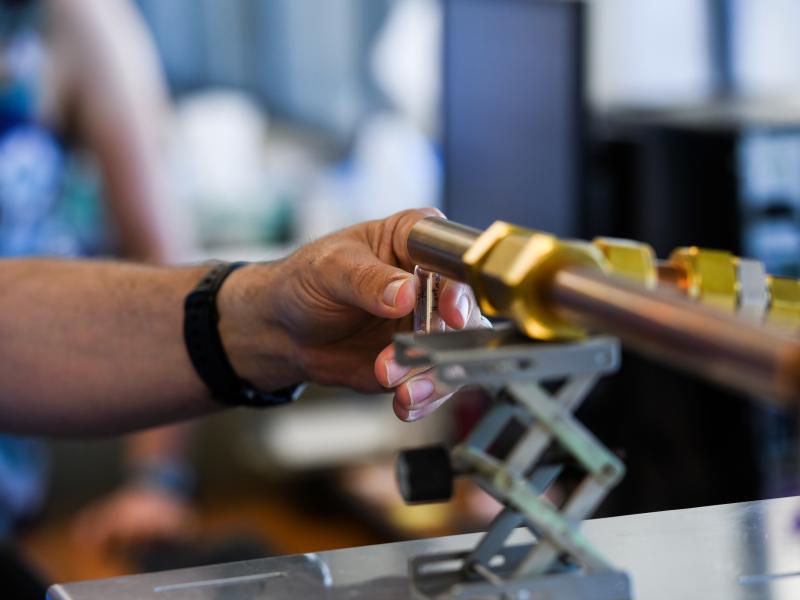
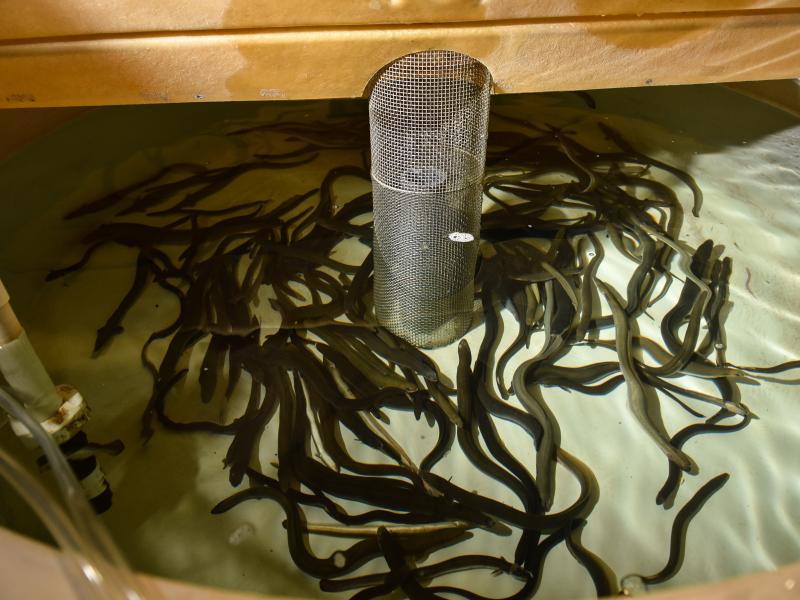
Three PNNL fish researchers recently published a video journal article on how to properly implant miniature acoustic tags in juvenile Pacific lamprey and American eel and how the tags could benefit migration.
A new paper found that hydropower turbines with composite blades generate about 20 percent more power than turbines with traditional stainless steel blades at the same flow rate.