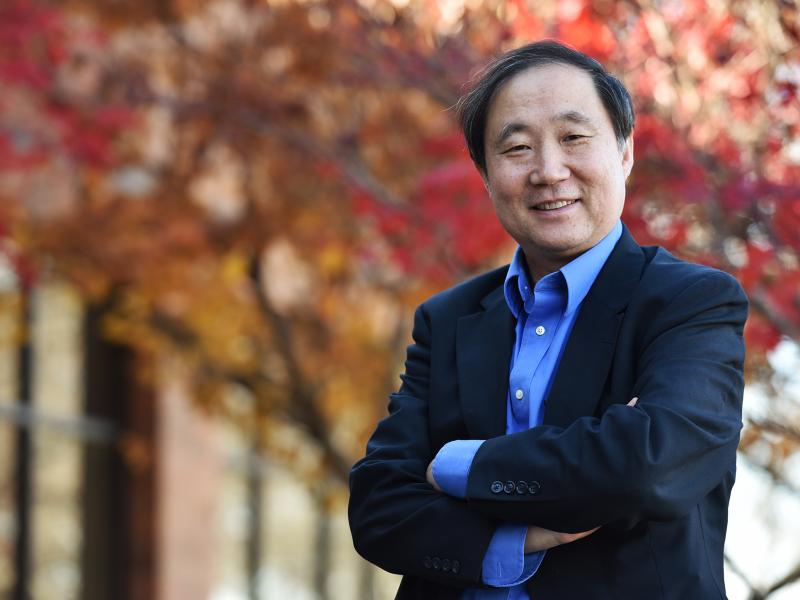
Lu honored for "elucidating design principles of artificial metalloproteins to gain novel and deeper insights into the structure and function of natural systems."
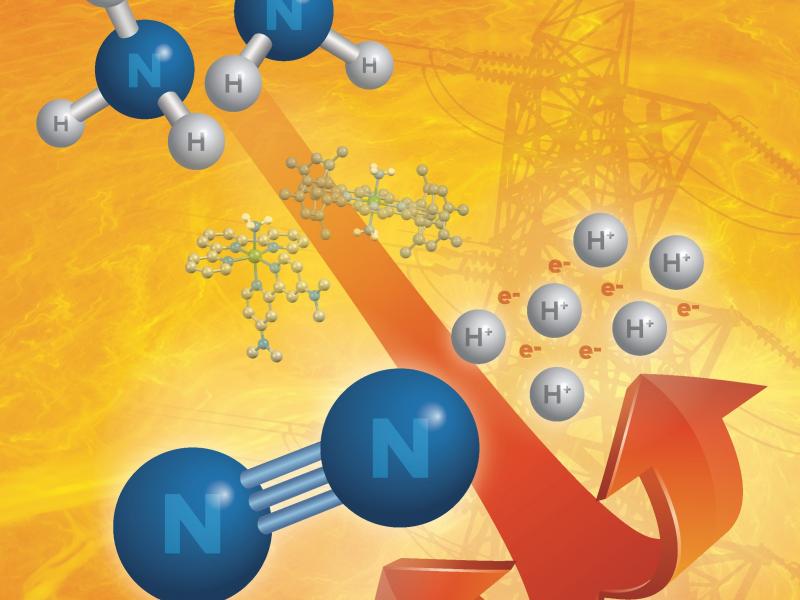
A perspective article in the Journal of the American Chemical Society by a team of PNNL researchers shows the way forward to understand ammonia oxidation.
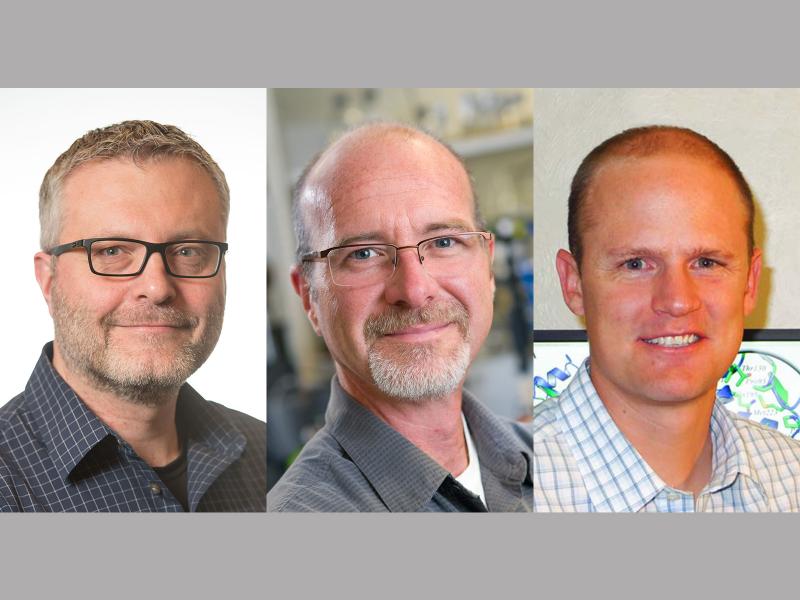
NIH awarded $1.7 million to researchers from PNNL, WSU, and NREL to continue fundamental research into catalytic bias—a phenomenon in the protein environment that shifts the direction and speed of an enzyme’s catalytic reaction.
Sharon Hammes-Schiffer, deputy director of the Center for Molecular Electrocatalysis (CME), has received awards from both the Royal Society of Chemistry and the American Chemical Society.
The American Society for Quality (ASQ) has recognized Laboratory Fellow and Pacific Northwest National Laboratory (PNNL) Statistician Greg Piepel with the William G. Hunter Award.
PNNL ocean engineer Alicia Gorton was invited to serve on the advisory board of the Department of Civil, Environmental, and Ocean Engineering at the Stevens Institute of Technology.
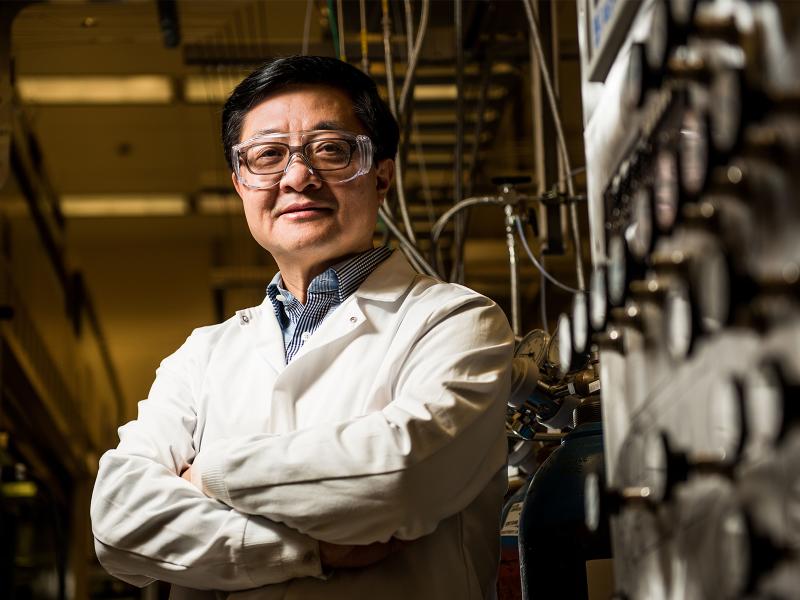
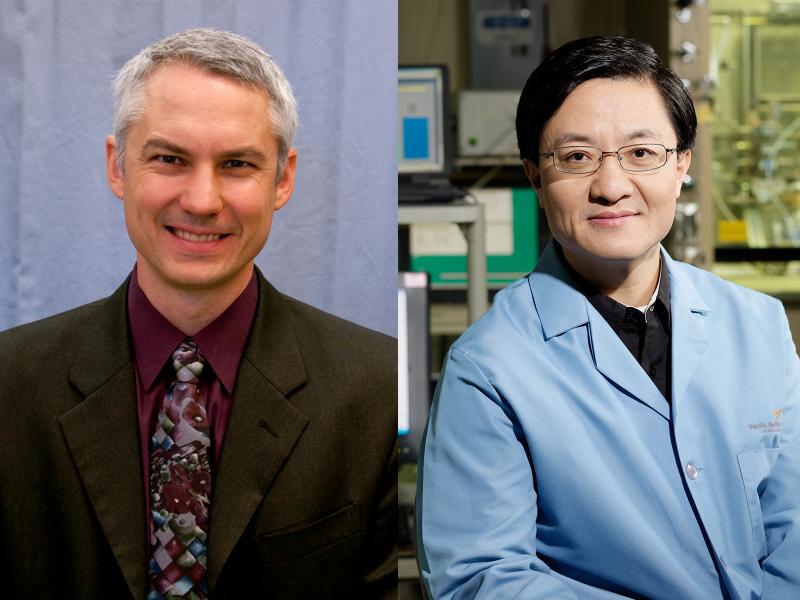
Yong Wang, associate director of PNNL’s Institute for Integrated Catalysis, has been recognized with 2021 American Chemical Society’s E.V. Murphree Award in Industrial and Engineering Chemistry.
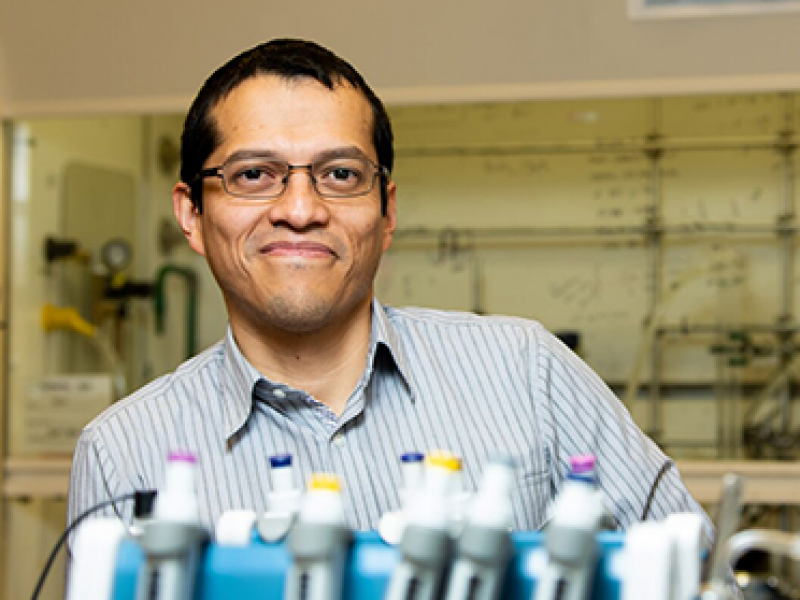
Oliver Gutiérrez leads an electrocatalytic hydrogenation research team at PNNL that focuses on next-generation catalysts at the molecular level and in an aqueous state.
PNNL and Oklahoma State University join forces to understand the chemistry of sodium-ion and potassium-ion batteries thanks to an award from the U.S. Department of Energy's Established Program to Stimulate Competitive Research (EPSCoR).
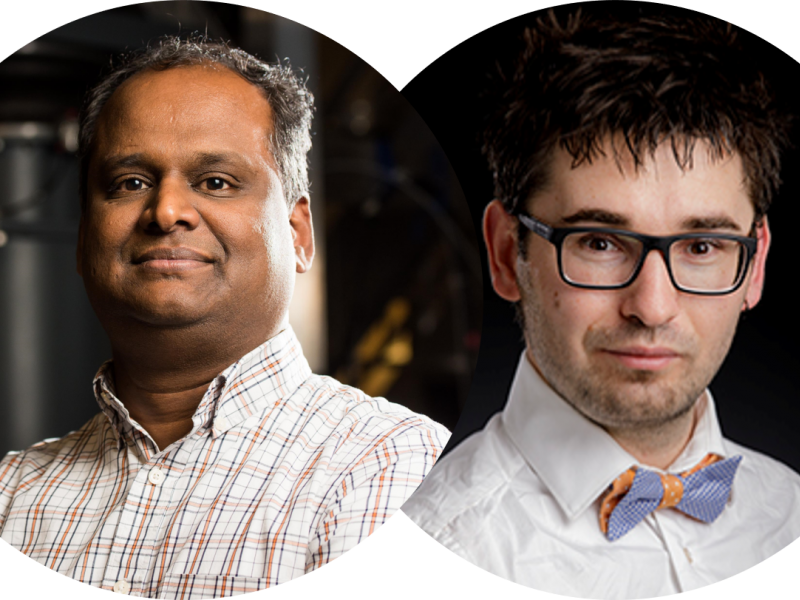
PNNL’s Karthikeyan Ramasamy was elected to a three-year term as a director in the American Institute of Chemical Engineers’ Fuels and Petrochemicals Division.
Jonathan Male originally joined PNNL in 2006 as a scientist focused on catalysis. After more than seven years leading DOE’s Bioenergy Technologies Office, he's back at PNNL as a chief scientist in the Energy Processes & Materials Division.
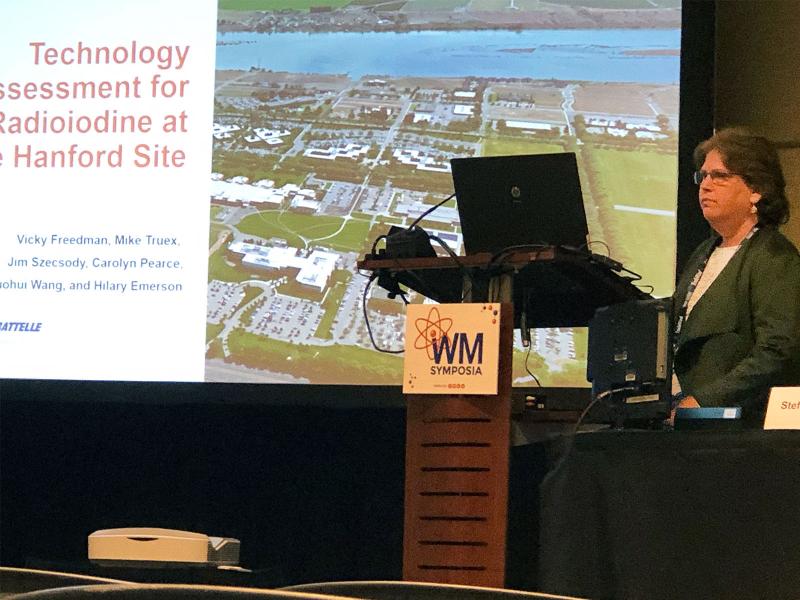
Environmental engineer Mike Truex presented an Environmental Protection Agency webinar about how conceptual site models must change as new data is acquired for remedy optimization.