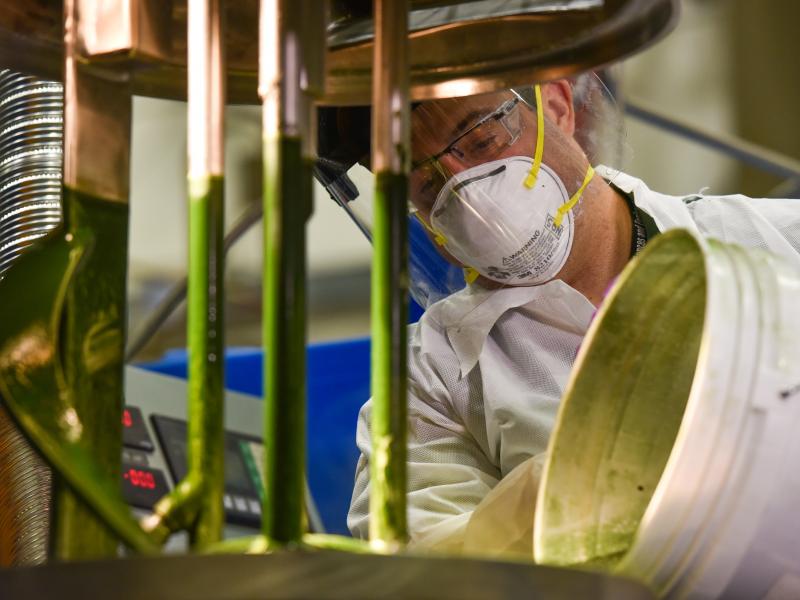
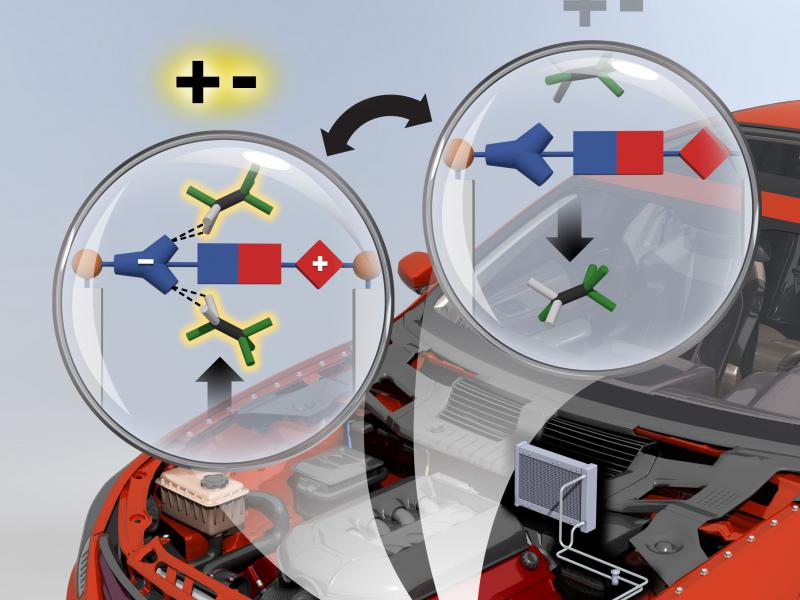
A radioactive chemical called pertechnetate is a bad actor when it’s in nuclear waste tanks. But researchers at PNNL and the University of South Florida have a new lead on how to selectively separate it from the nuclear waste for treatment.
Three years ago, a multi-disciplinary PNNL team led by Laboratory Fellow Pete McGrail devised a method to produce magnesium metal from salts extracted from sea water and other brine solutions.
PNNL scientist Wei-Jun Qian and colleagues have contributed to a study that offers clues for delaying or even preventing the autoimmune attack that’s at the core of type-1 diabetes.
Researchers at PNNL are applying deep learning techniques to learn more about neutrinos, part of a worldwide network of researchers trying to understand one of the universe’s most elusive particles.
PNNL researchers today published a pair of papers, in Cell and in Nature, exploring the effects of the gut microbiome on our health, including autism, brain function, and inflammatory bowel disease.
PNNL researchers are developing and evaluating bat tagging and tracking tools that will help design solutions to protect the bat population from wind turbines.
Researchers at PNNL construct a novel approach that requires less field work while delivering critical information on building code compliance and energy efficiency in new homes.
PNNL’s Solid State Lighting program evaluated the energy and photometric performance of adjustable LED lighting systems installed in three California classrooms as part of a GATEWAY study.
Three PNNL fish researchers recently published a video journal article on how to properly implant miniature acoustic tags in juvenile Pacific lamprey and American eel and how the tags could benefit migration.
PNNL researchers have devised a way to measure and distinguish tiny amounts of phosphorylated proteins, an approach that could be used in research to help treat diseases such as diabetes and cancer.
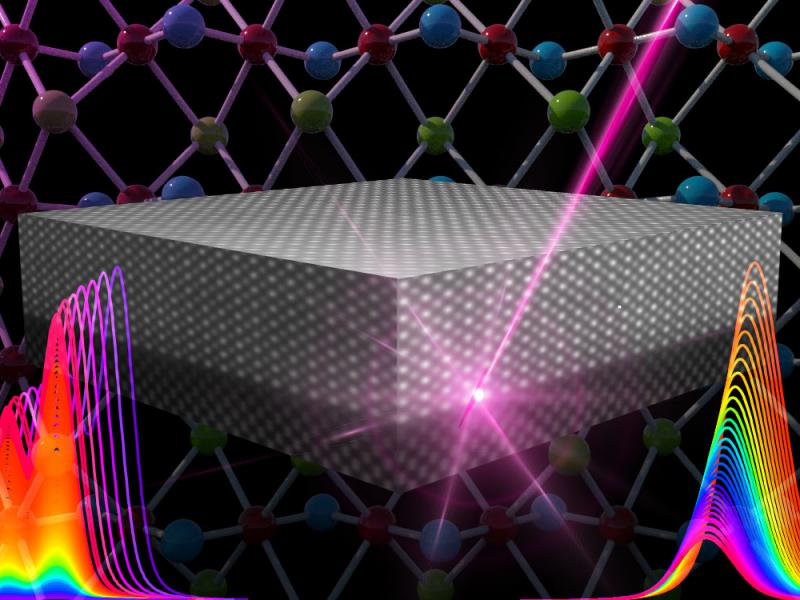
Researchers have come up with a new method for creating synthetic “colored” nanodiamonds, a step on the path to realization of quantum computing, which promises to solve problems far beyond the abilities of current supercomputers.
The structure of a fundamental electrical switch in the brain has been revealed, thanks to PNNL researchers working together with counterparts at Oregon Health & Science University (OHSU).
During his doctorate work in southeastern Australia, PNNL fisheries engineer Brett Pflugrath examined weirs, or small dams built across rivers, and how they impact fish passage.
A study co-led by PNNL and reviewed in Science investigates how nanomaterials—both ancient and modern—cycle through the Earth’s air, water, and land, and calls for a better understanding of how they affect the environment and human health.
Like its namesake, Triton, a Greek god dubbed the herald of the sea, the Triton Initiative aims to deliver messages from the ocean about marine energy and how it affects nearby marine animals.