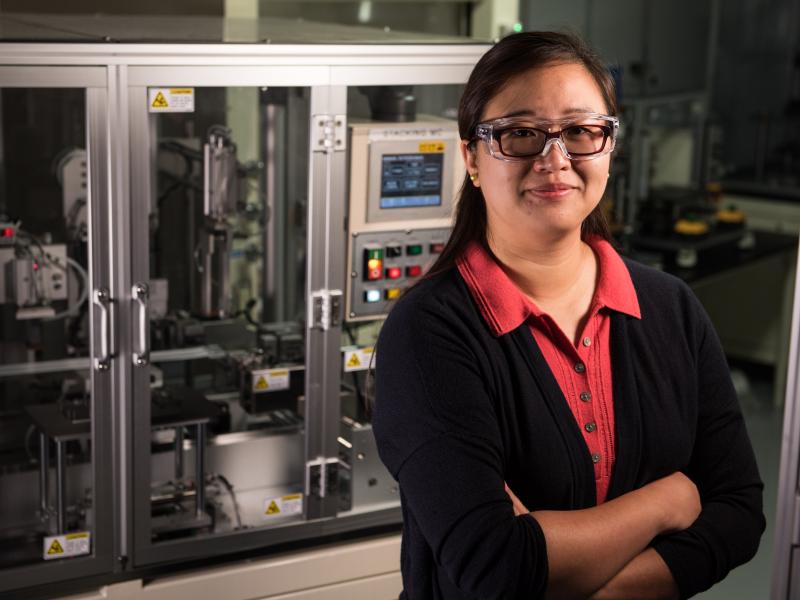
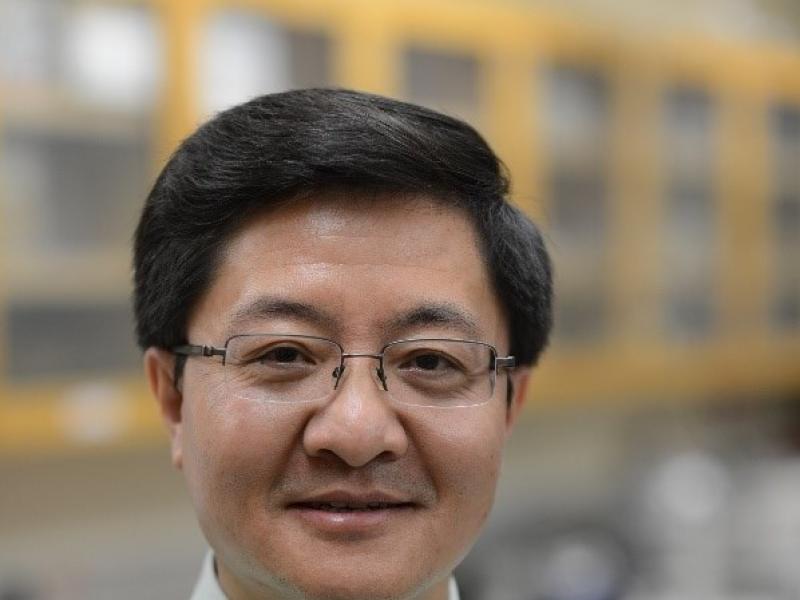
PNNL’s Jie Xiao was recently recognized for her outstanding contribution to basic and applied research on lithium-ion batteries and beyond by the International Automotive Lithium Battery Association.
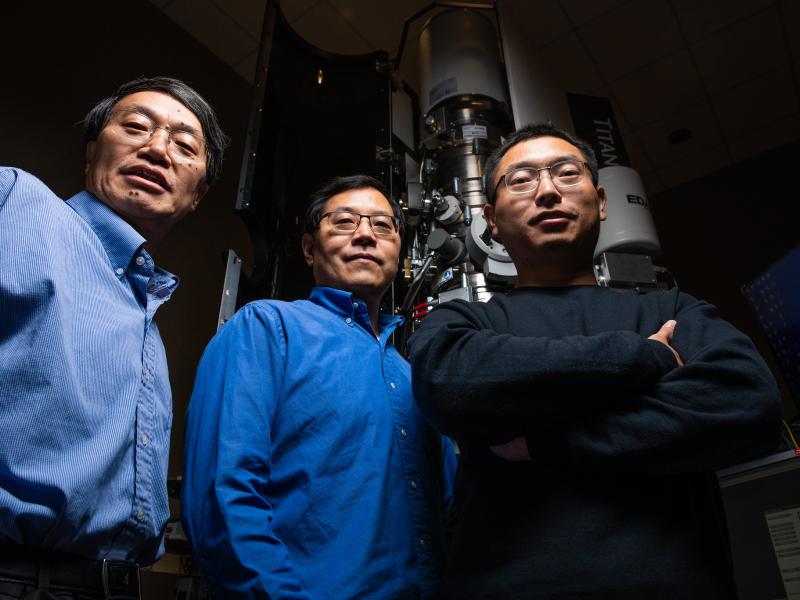
Scientists have uncovered a root cause of the growth of needle-like structures—known as dendrites and whiskers—that plague lithium batteries, sometimes causing a short circuit, failure, or even a fire.
A new Co-Optima report describes an assessment of 400 biofuel-derived samples and identifies the top ten candidates for blending with petroleum fuel to improve boosted spark ignition engine efficiency.
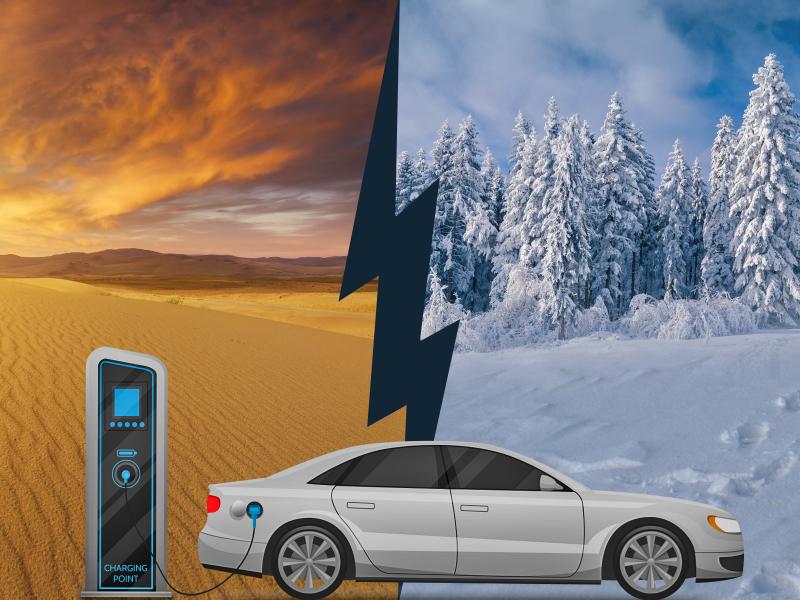
PNNL researchers have created a chemical cocktail that could help electric cars power their way through extreme temperatures where current lithium-ion batteries don’t operate as efficiently as needed.
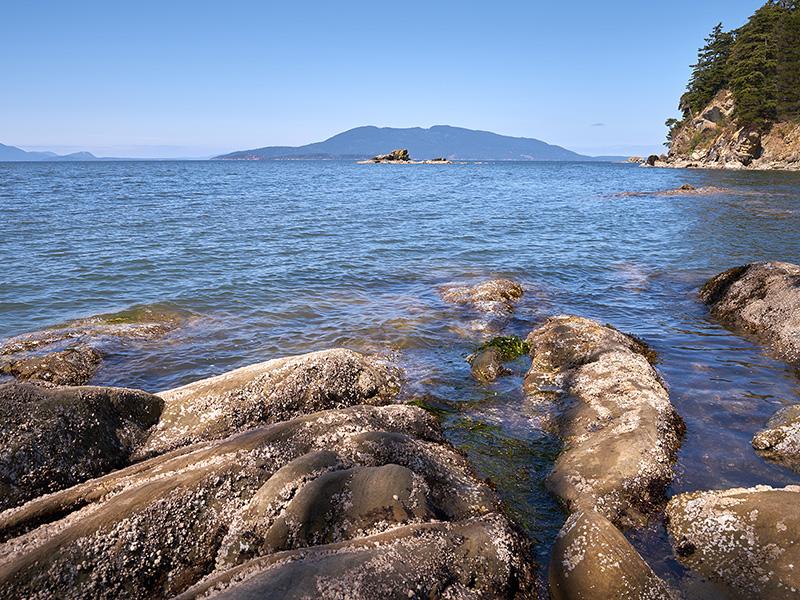
The inner Salish Sea’s future response to climate change, while significant, is predicted to be less severe than that of the open ocean based on parameters like algal blooms, ocean acidification, and annual occurrences of hypoxia.
The ANS award will be presented at the Global Top Fuel 2019 Conference this September in Seattle, and comes amid several recent recognitions for Paviet.
PNNL researchers demonstrate how the excitation of oxygen atoms that contributes to better performance of a lithium-ion battery also triggers a process that leads to damage, explaining a phenomenon that has been a mystery to scientists.
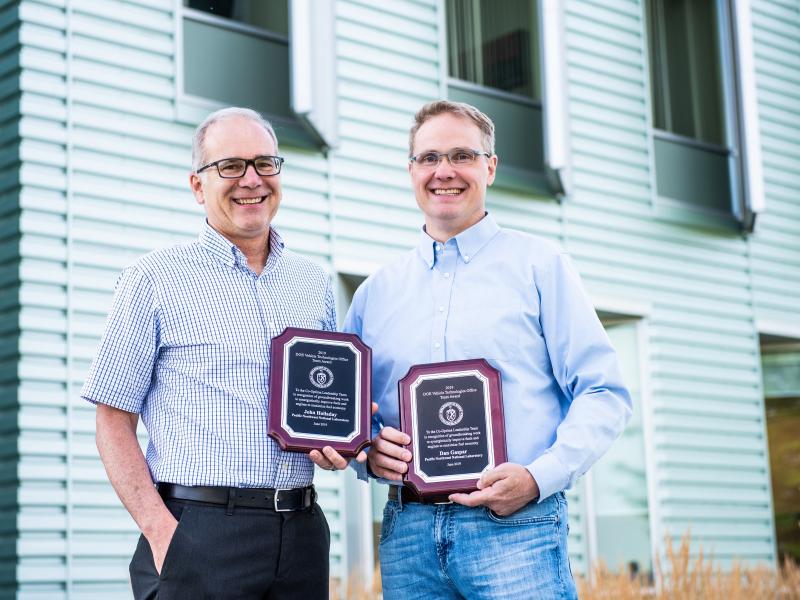
PNNL’s Dan Gaspar and John Holladay were part of the Co-Optima leadership team honored by DOE’s Vehicle Technologies Office. The award recognized groundbreaking work to synergistically improve fuels and engines to maximize fuel economy.
Alicia Gorton, marine scientist and project manager in the PNNL’s Coastal Sciences Division, has joined the editorial board of the Marine Technology Society Journal.
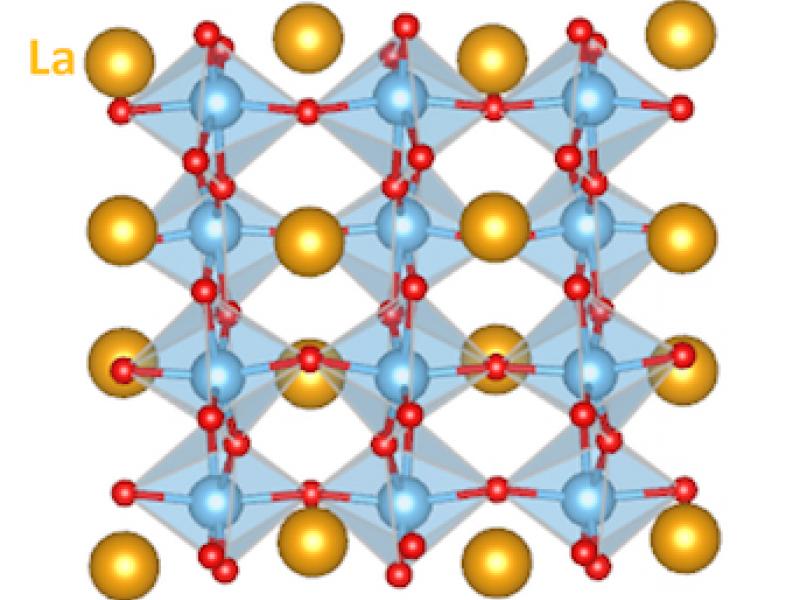
Researchers apply numerical simulations to understand more about a sturdy material and how its basic structure responds to and resists radiation. The outcomes could help guide development of the resilient materials of the future.
Yong Wang, a PNNL laboratory fellow, has received the 2019 Catalysis and Reaction Engineering Practice Award from the American Institute of Chemical Engineers.
The Soil Science Society of America presents Nik Qafoku with the 2019 Jackson Award for contributions in soil chemistry and mineralogy—ranging from agricultural fertilizer efficiency in Albania to soil contaminant transport at Hanford.
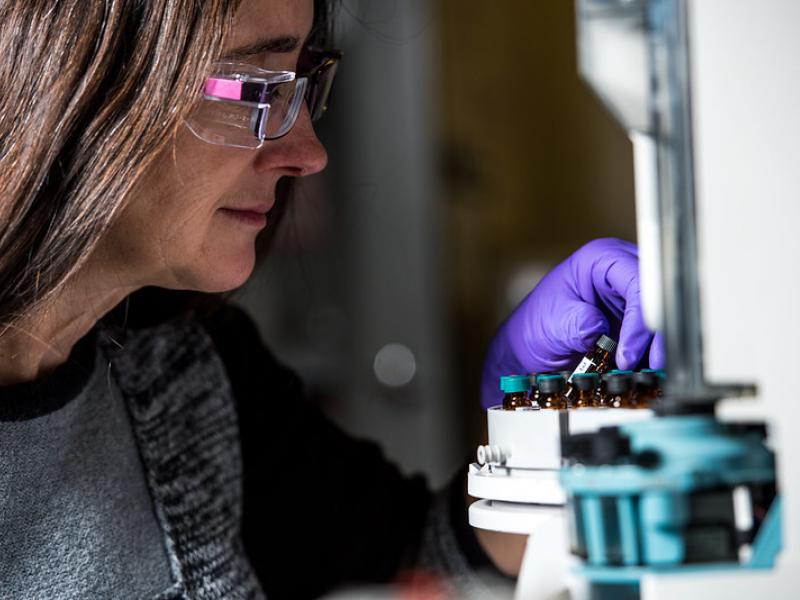
A radioactive chemical called pertechnetate is a bad actor when it’s in nuclear waste tanks. But researchers at PNNL and the University of South Florida have a new lead on how to selectively separate it from the nuclear waste for treatment.
Editors of the journal Emission Control Science and Technology deemed “Coating Distribution in a Commercial SCR Filter” Best Paper in 2018. The authors include PNNL's Mark Stewart, Carl Justin Kamp, Feng Gao, Yilin Wang, and Mark Engelhard.
Frannie Smith, a chemist specializing in nuclear waste management and disposal, was recognized as a "Notable Woman in STEM" for 2019 by the nonprofit Washington STEM program.
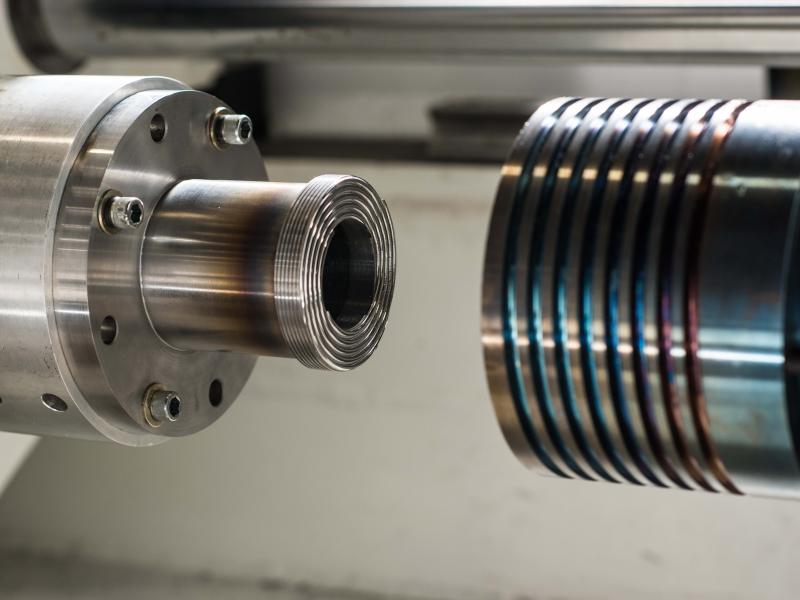
Researchers at PNNL and their collaborators have made a significant improvement to a catalyst that is more rugged and can reduce tailpipe pollution at lower temperatures than existing methods.
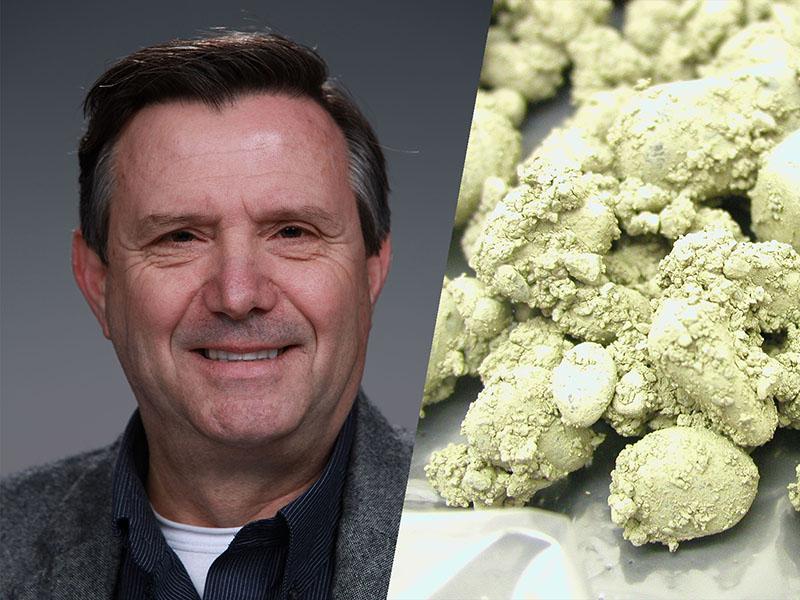
Josef "Pepa" Matyas, a materials scientist in PNNL’s Nuclear Sciences Division, has been elected a fellow of the American Ceramic Society (ACerS). He will be recognized at the ACerS annual meeting on September 30, 2019, in Portland, Ore.
Several years ago, a relatively new catalyst for vehicle emission control began showing failure. A team at PNNL found that this seemingly suicidal catalyst wasn’t actually self-destructing but was the victim of an external assailant.