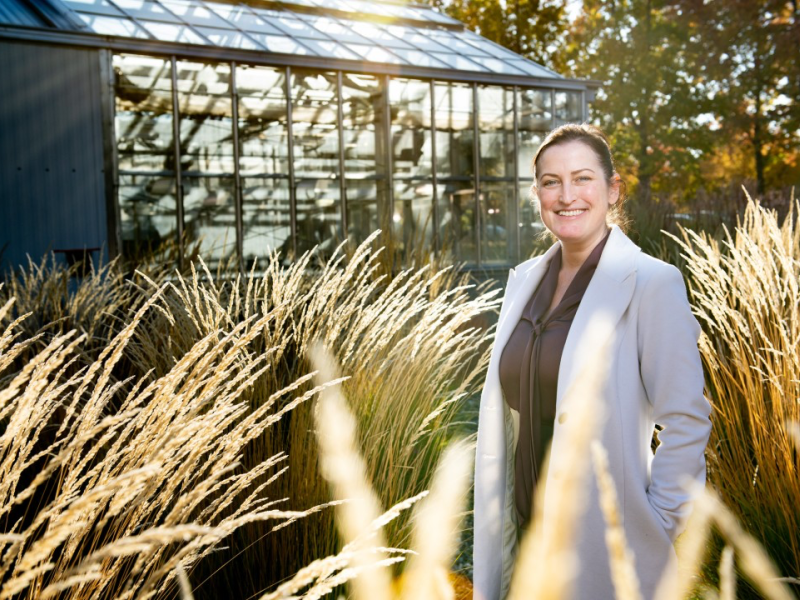
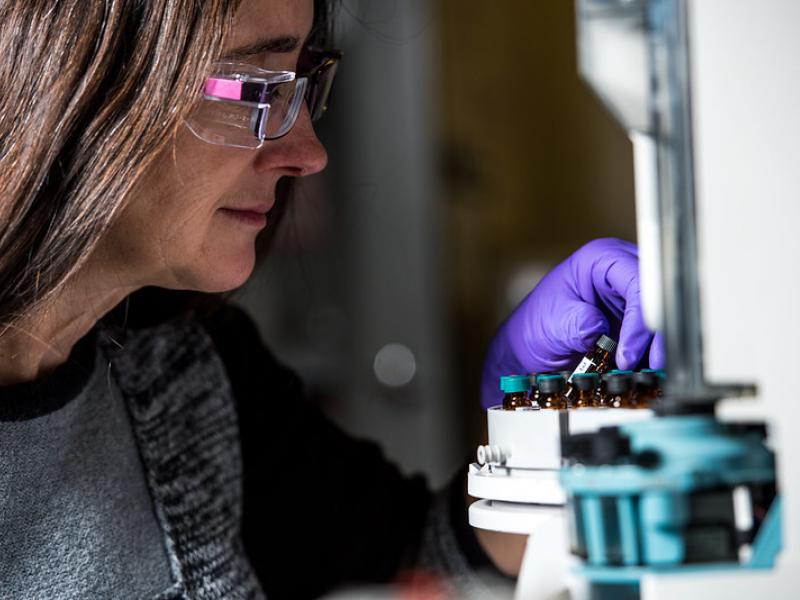
PNNL’s Corinne Drennan has been selected to serve a term on the Washington Department of Ecology’s advisory board for the new Recycling Development Center.
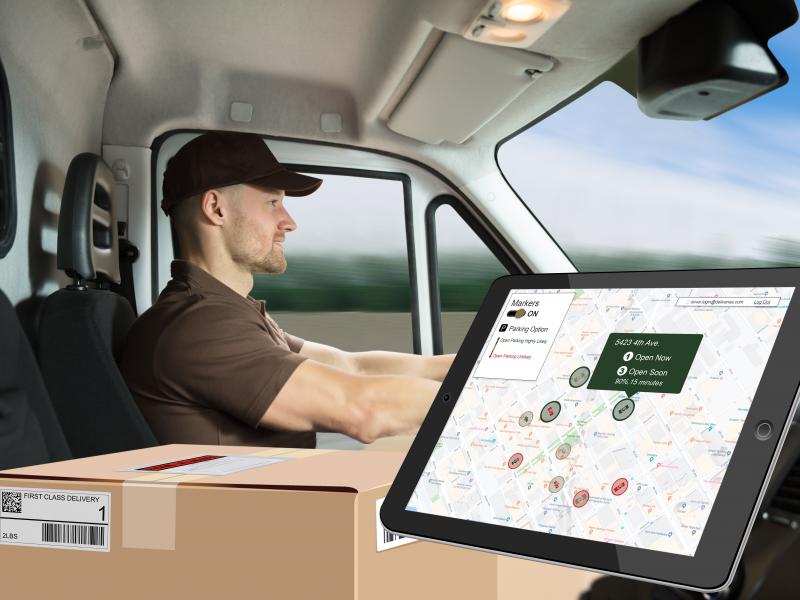
Researchers at PNNL are contributing artificial intelligence, machine learning, and app development expertise to a U of W project that will ease challenges with urban freight delivery. The project will provide delivery drivers with a tool
Retired PNNL scientist Doug Elliott has received the 2019 Don Klass Award for Excellence in Thermochemical Conversion Science from the Gas Technology Institute.
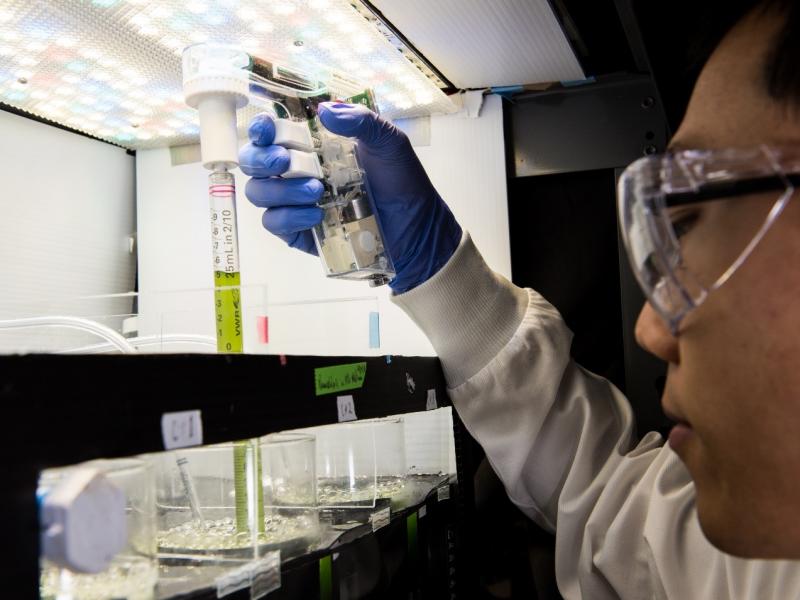
In the third year of the DISCOVR Consortium project, the consortium team has identified an algal strain that progressed successfully through multiple evaluation phases.
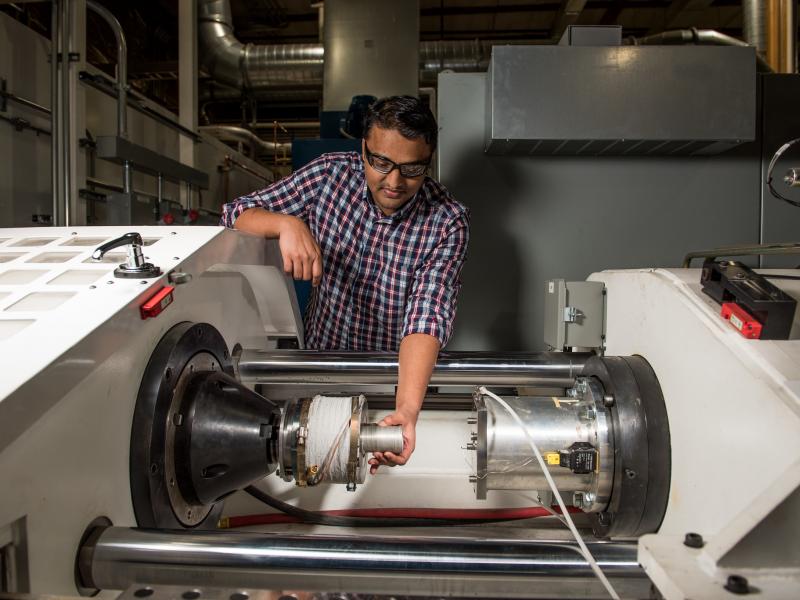
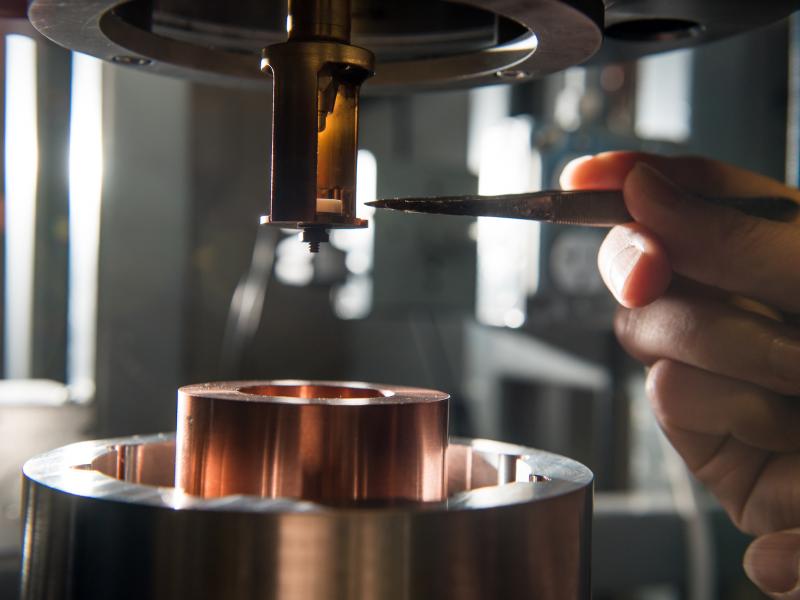
Two forms of magnesium material were processed into tubing using PNNL’s Shear Assisted Processing and Extrusion™ technology. Both materials were found to have quite similar and improved properties—even though they began vastly different.
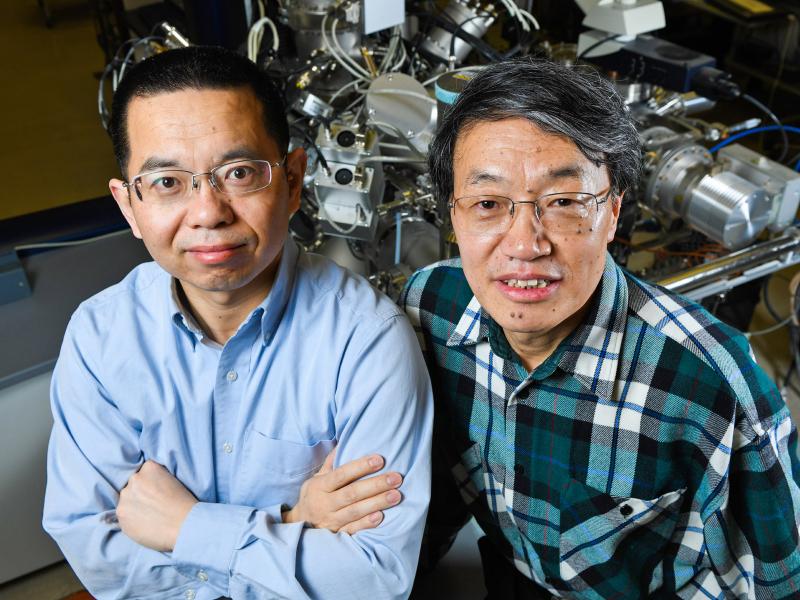
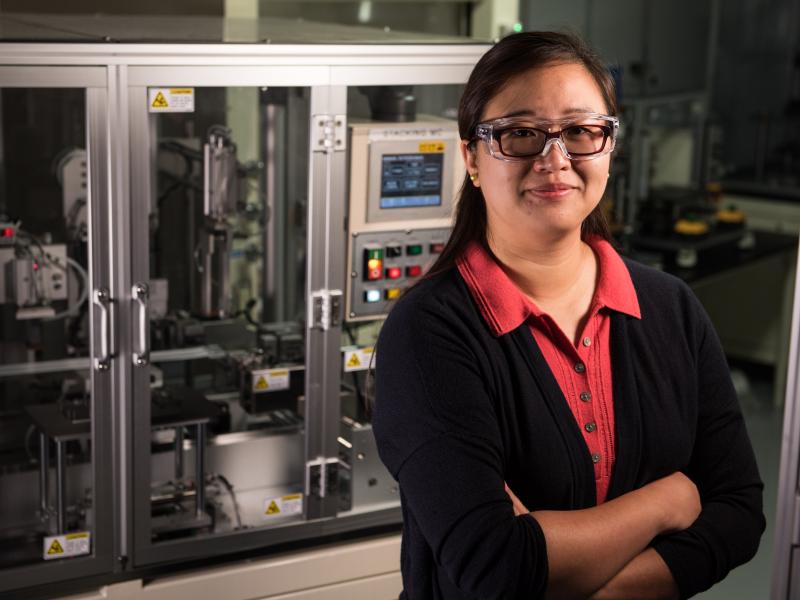
PNNL’s Jie Xiao was recently recognized for her outstanding contribution to basic and applied research on lithium-ion batteries and beyond by the International Automotive Lithium Battery Association.
Scientists have uncovered a root cause of the growth of needle-like structures—known as dendrites and whiskers—that plague lithium batteries, sometimes causing a short circuit, failure, or even a fire.
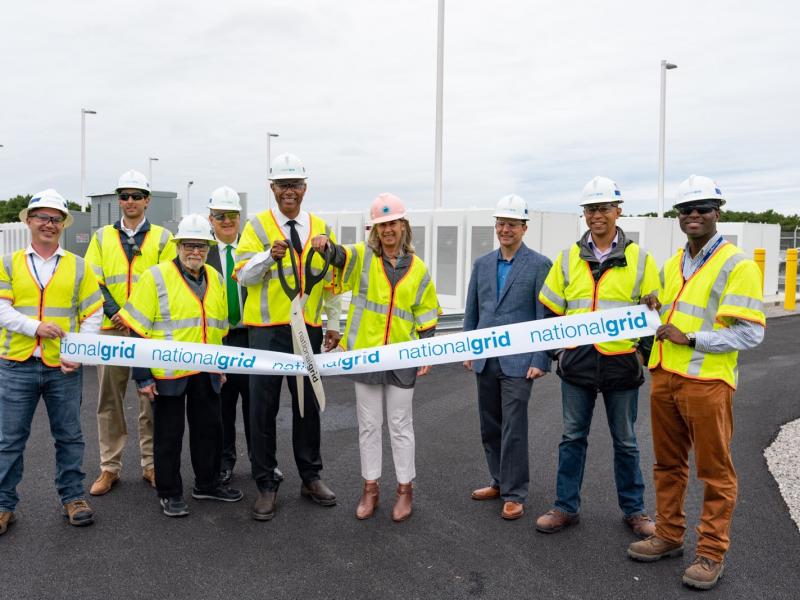
With support from DOE’s Office of Electricity and National Grid, PNNL led a groundbreaking study to accurately assess the full value of grid energy storage investments across a wide variety of use cases.
A new Co-Optima report describes an assessment of 400 biofuel-derived samples and identifies the top ten candidates for blending with petroleum fuel to improve boosted spark ignition engine efficiency.
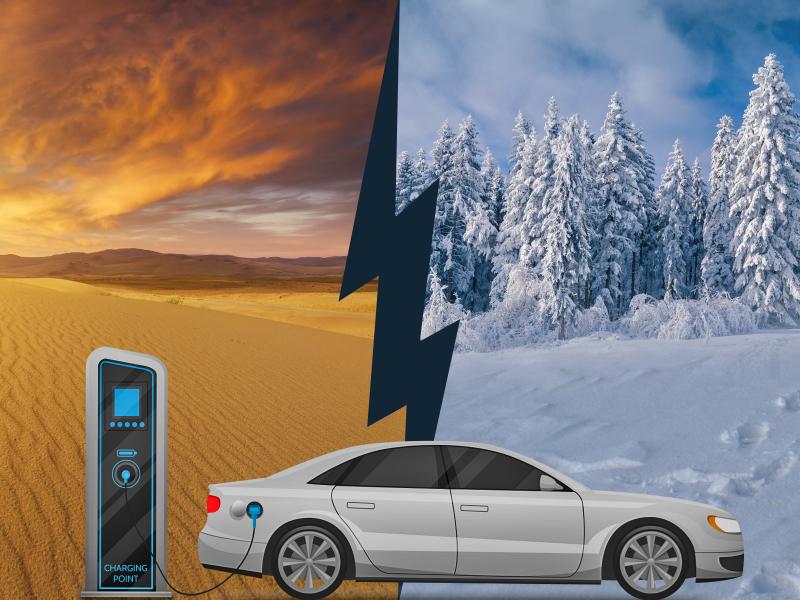
PNNL researchers have created a chemical cocktail that could help electric cars power their way through extreme temperatures where current lithium-ion batteries don’t operate as efficiently as needed.
Energy storage is slowly shifting utility planning practices from the current paradigm, which ensures grid reliability by building reserve generation resources, to ensuring grid reliability by optimizing grid services.
Researchers at the Department of Energy’s Pacific Northwest National Laboratory and Sandia National Laboratories have joined forces to reduce costs and improve the reliability of hydrogen fueling stations.
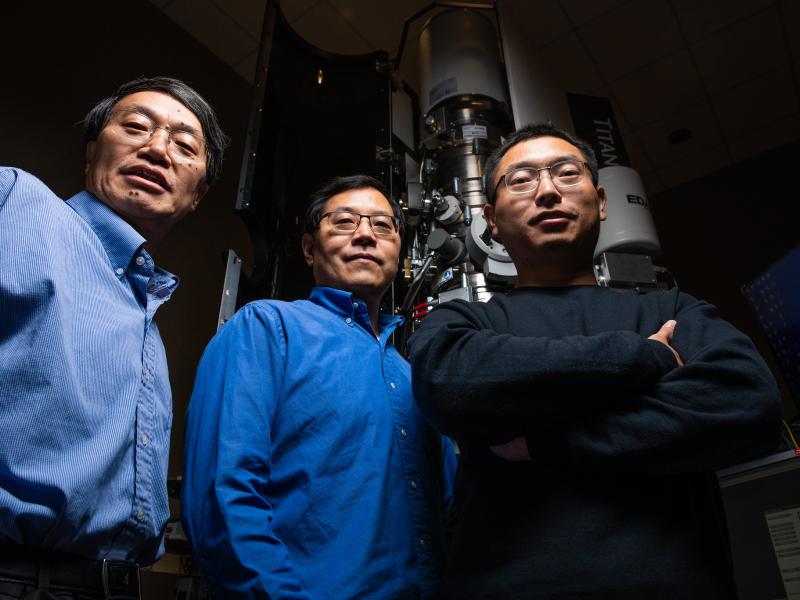
PNNL researchers demonstrate how the excitation of oxygen atoms that contributes to better performance of a lithium-ion battery also triggers a process that leads to damage, explaining a phenomenon that has been a mystery to scientists.
Researchers at PNNL have developed a model that predicts outcomes from the algae hydrothermal liquefaction process in a way that mirrors commercial reality much more closely than previous analyses.
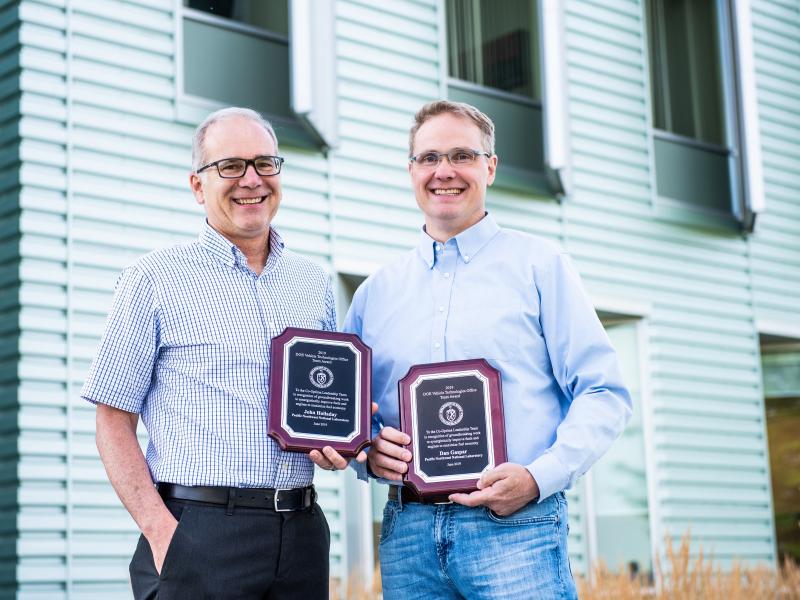
PNNL’s Dan Gaspar and John Holladay were part of the Co-Optima leadership team honored by DOE’s Vehicle Technologies Office. The award recognized groundbreaking work to synergistically improve fuels and engines to maximize fuel economy.
A new PNNL tool makes it easy to see the differences across the country when it comes to the cost and affordability of electricity. Users can sort and compare nearly 100 metrics or variables and get individual county information.
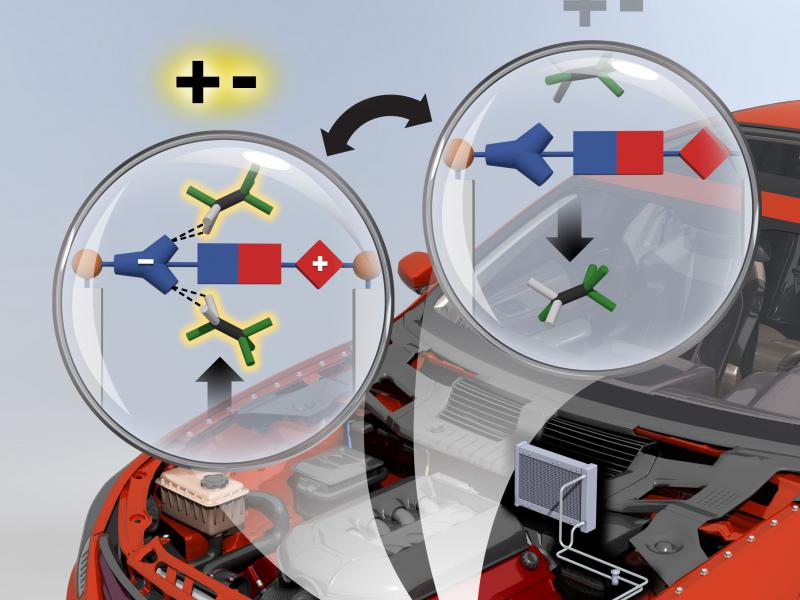
Researchers at PNNL have introduced an alternative method using a molecular-based pump that could potentially use a quarter less energy than the age-old mechanical pump.