PNNL coastal ecologist Heida Diefenderfer was a featured speaker in February at the National Academies of Sciences, Engineering, and Medicine’s Government-University-Industry Research Roundtable on policy and global affairs.
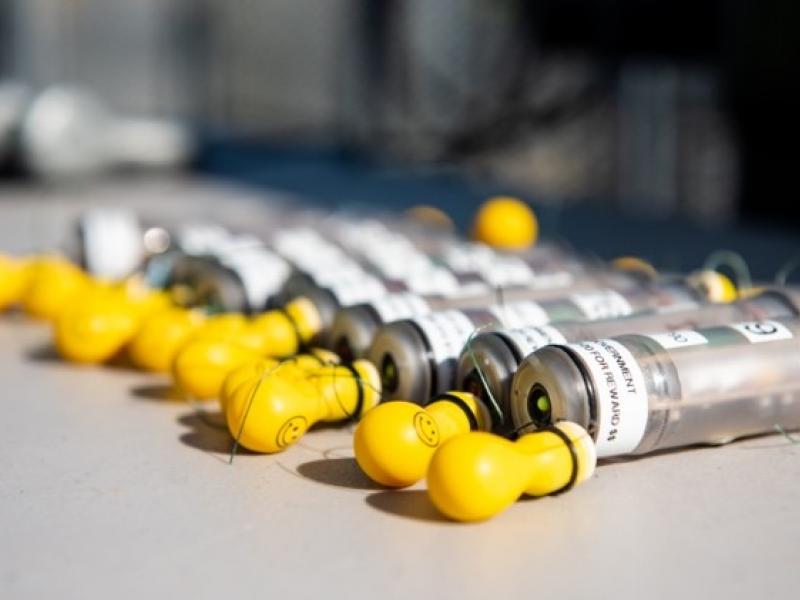
PNNL's Sensor Fish were deployed at Ice Harbor Dam to collect data from a new turbine. The data indicates the design changes are making travel through the dam less arduous for fish.
PNNL Emeritus Scientist Ronald Thom received the 2019 Environmental Leadership Award at the Northwest Straits Marine Conservation Initiative Conference.
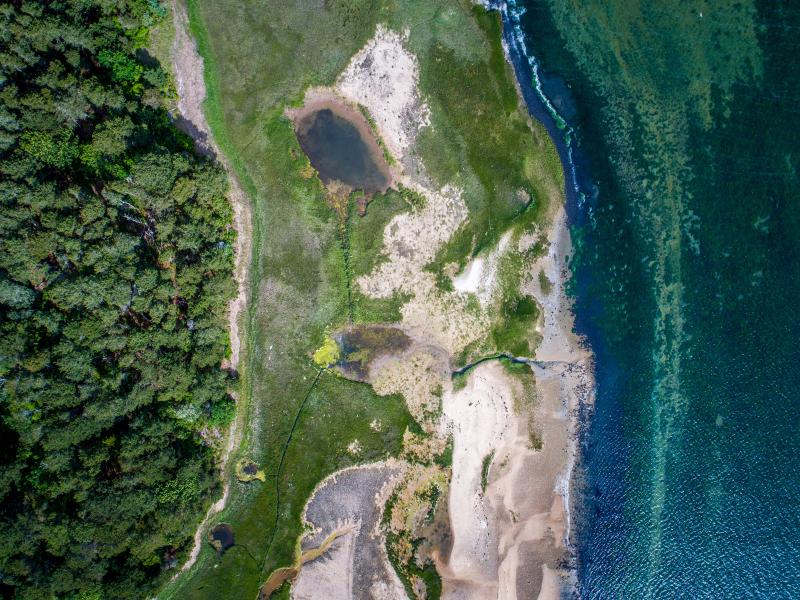
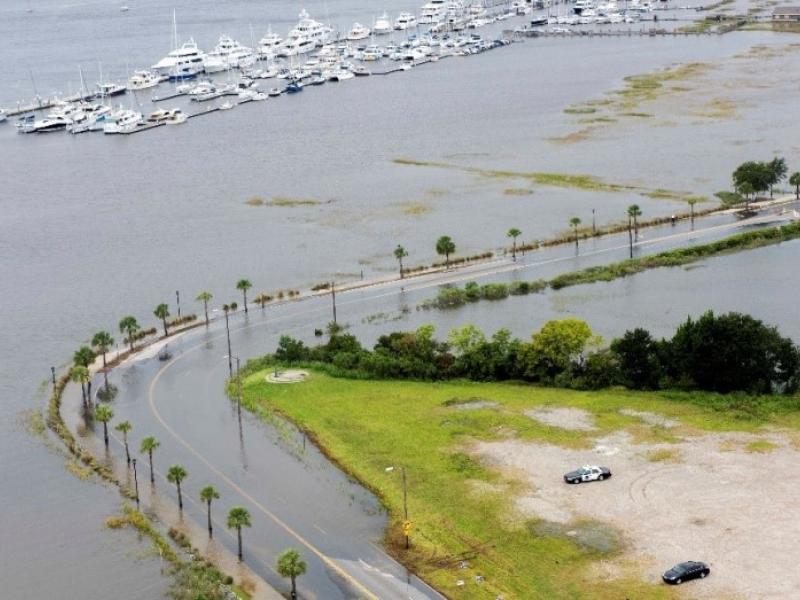
Advancing a more collective understanding of coastal systems dynamics and evolution is a formidable scientific challenge. PNNL is meeting the challenge head on to inform decisions for the future.
Researchers from Pacific Northwest National Laboratory reviewed the current state of knowledge about the impacts of climate change on soil microorganisms in different climate-sensitive soil ecosystems.
Nitrogen is a critical nutrient regulating productivity in many ecosystems and influences nutrient availability by affecting organic matter decomposition rates.
Despite a breadth of research on carbon accrual and persistence in soils, scientist lack a strong, general understanding of the mechanisms through which soil organic carbon (SOC) is destabilized in soils. In a new review article, researcher
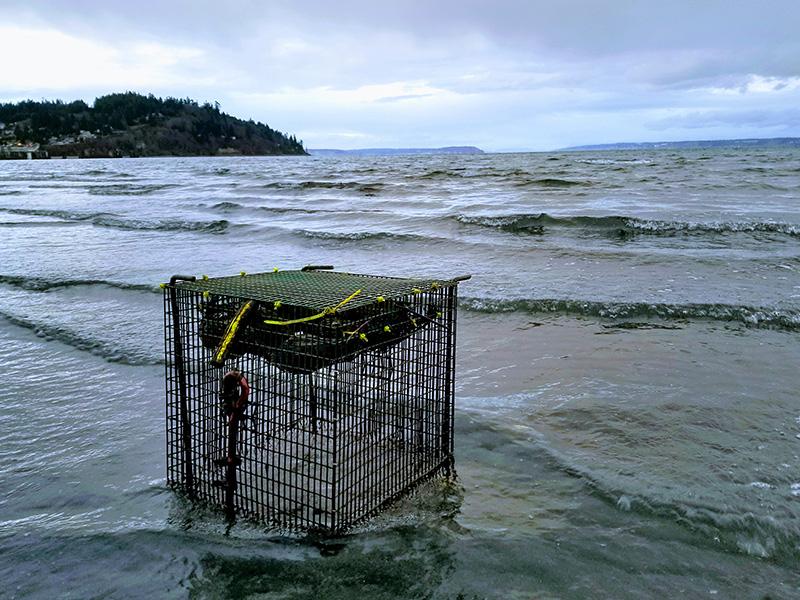
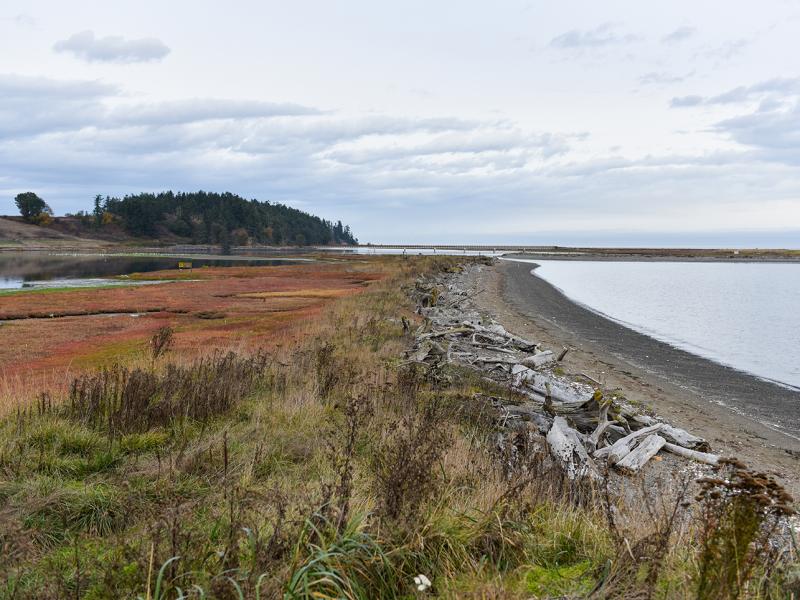
The inner Salish Sea’s future response to climate change, while significant, is predicted to be less severe than that of the open ocean based on parameters like algal blooms, ocean acidification, and annual occurrences of hypoxia.
Three PNNL fish researchers recently published a video journal article on how to properly implant miniature acoustic tags in juvenile Pacific lamprey and American eel and how the tags could benefit migration.
A study co-led by PNNL and reviewed in Science investigates how nanomaterials—both ancient and modern—cycle through the Earth’s air, water, and land, and calls for a better understanding of how they affect the environment and human health.
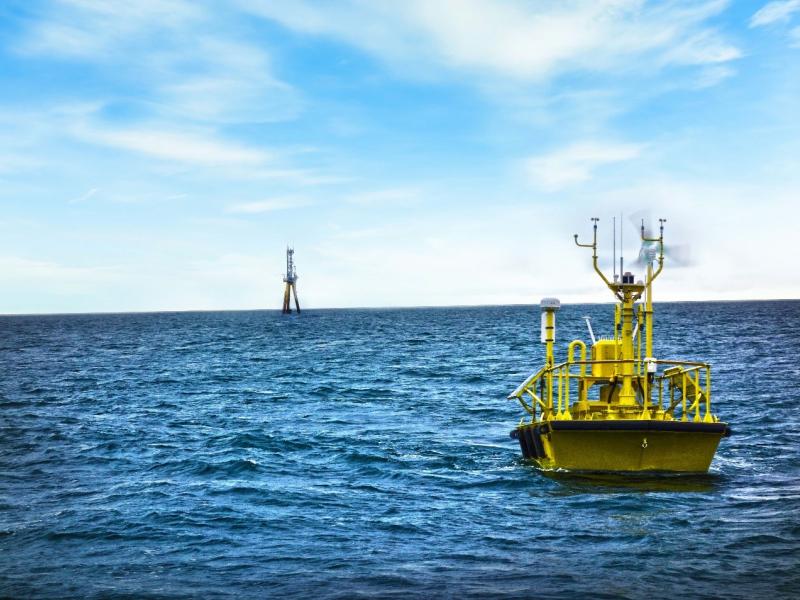
Like its namesake, Triton, a Greek god dubbed the herald of the sea, the Triton Initiative aims to deliver messages from the ocean about marine energy and how it affects nearby marine animals.