Ecological modeler Kate Buenau discusses how the Triton Initiative can use modeling to predict potential environmental effects of marine energy systems.
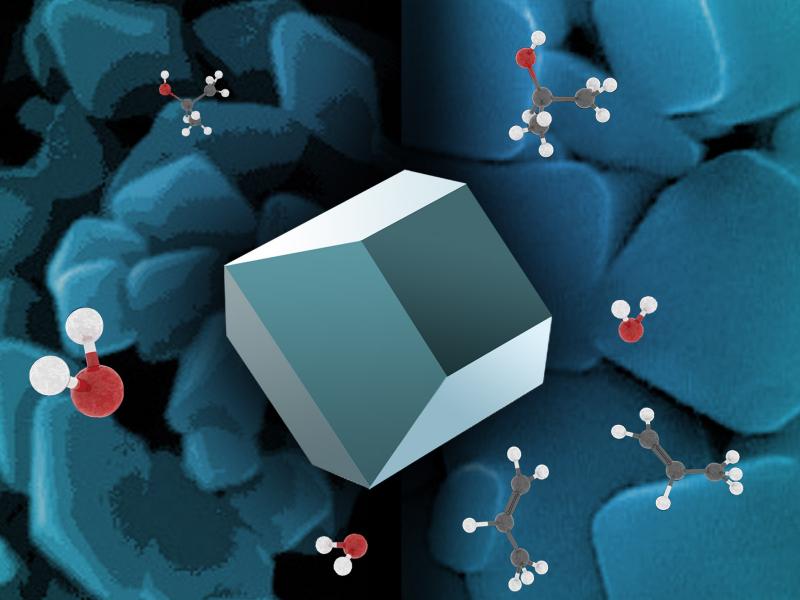
PNNL atomic-scale research shows how certain metal oxide catalysts behave during alkanol dehydration, an important class of oxygen-removal reactions for biomass conversion.
Lenaïg Hemery, a marine energy specialist with Pacific Northwest National Laboratory, has been appointed to the position of topic editor for the Journal of Marine Science and Engineering.
Electrical engineer Nolann Williams supports technical development for DOE-funded projects building marine energy environmental monitoring technologies.
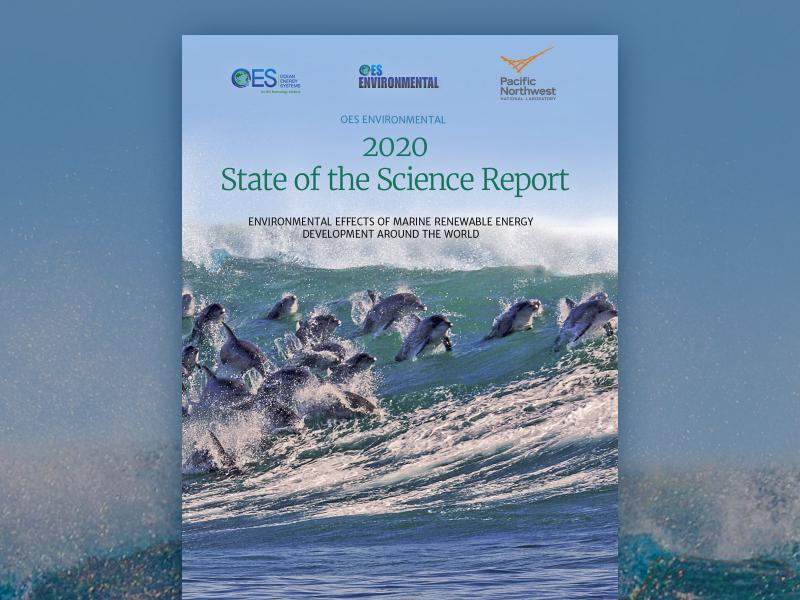
On World Oceans Day, an international team of marine scientists reports that the potential impact of marine renewable energy to marine life is likely small or undetectable, though some uncertainty remains.
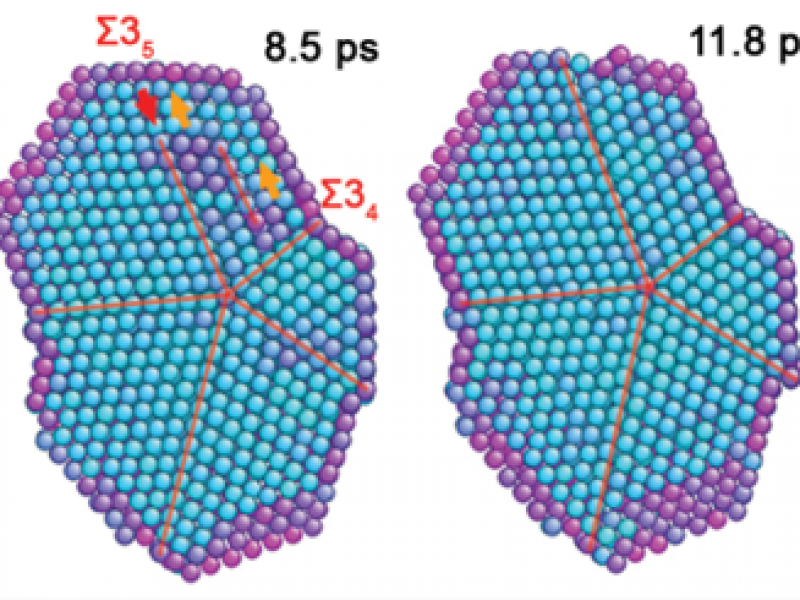
Researchers have come up with a new method for creating synthetic “colored” nanodiamonds, a step on the path to realization of quantum computing, which promises to solve problems far beyond the abilities of current supercomputers.
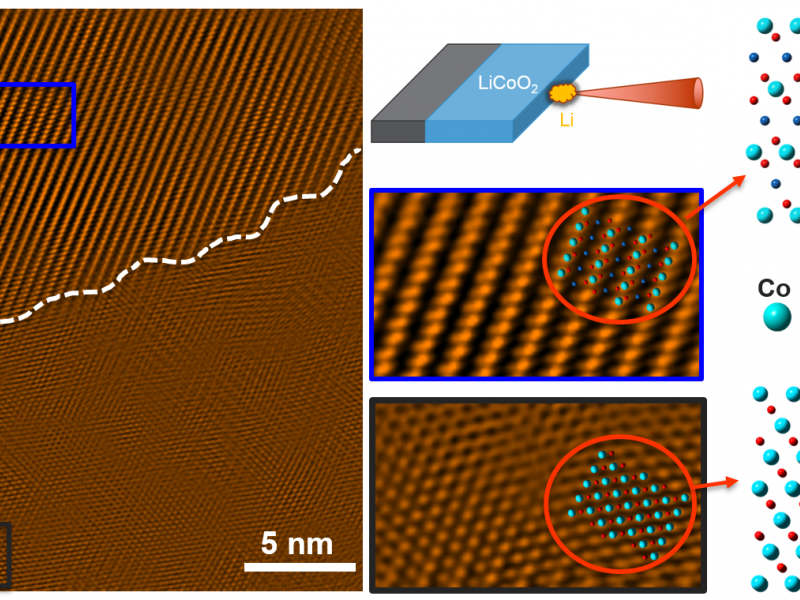
A recent study pinpointed the reaction front where lithium (Li) dendrites can come into contact with cathode materials. It also detailed the Li propagation pathway and reaction steps that lead to cathode failure.
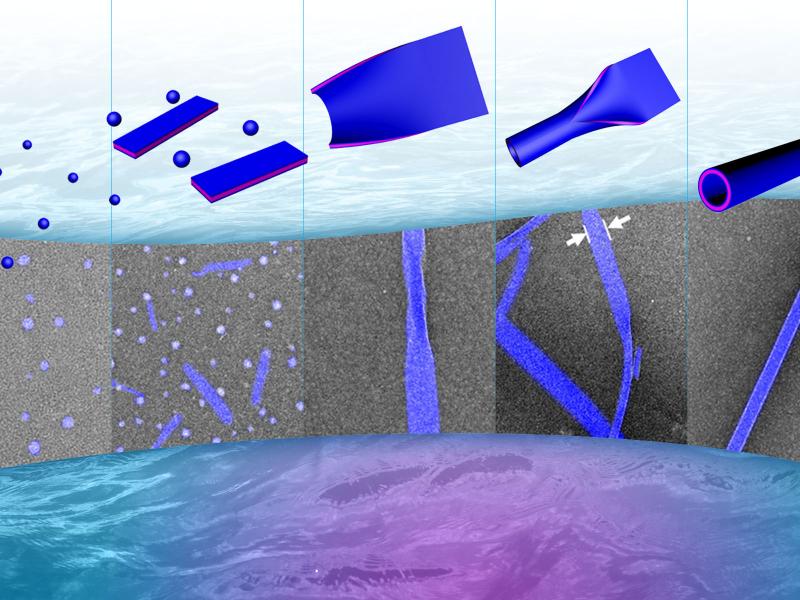
Imagine a hollow tube thousands of times smaller than a human hair. Now envision filthy water flowing through an array of such tubes, each designed to capture contaminants on the inside, with clean water emerging at the other end.