Researchers at PNNL examined heat pump water heater (HPWH) operation in Pacific Northwest residences, gaining insights into HPWH electricity use patterns. Part of the study captured trends during a COVID-19 stay-at-home order.
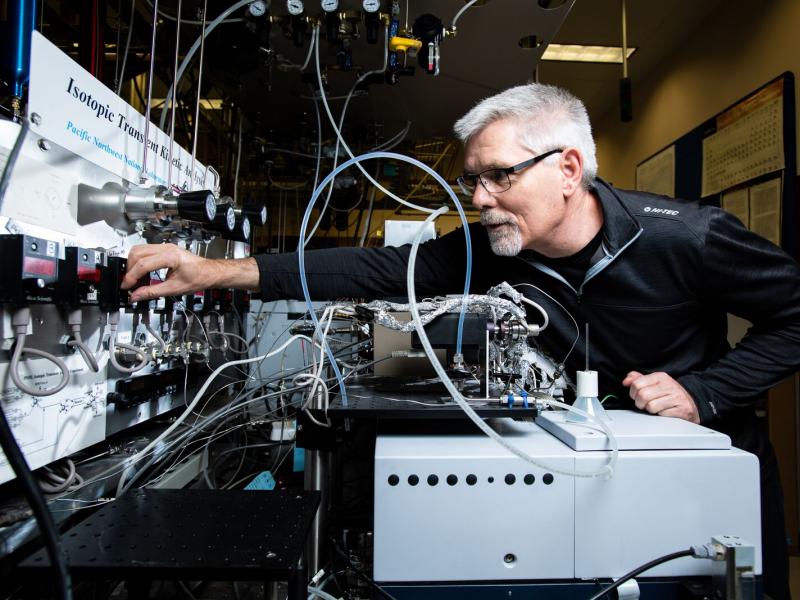
A discovery from PNNL and Washington State University could help reduce the amount of expensive material needed to treat vehicle exhaust by making the most of every precious atom.
Shaw is one of 18 fellows selected by the National Laboratory Directors' Council to join the 2020–2021 Oppenheimer Science and Energy Leadership Program Fellowship.
A new report led by PNNL identifies the top 13 most promising waste- and biomass-derived diesel blendstocks for reducing greenhouse gas emissions, other pollutants, and overall system costs.
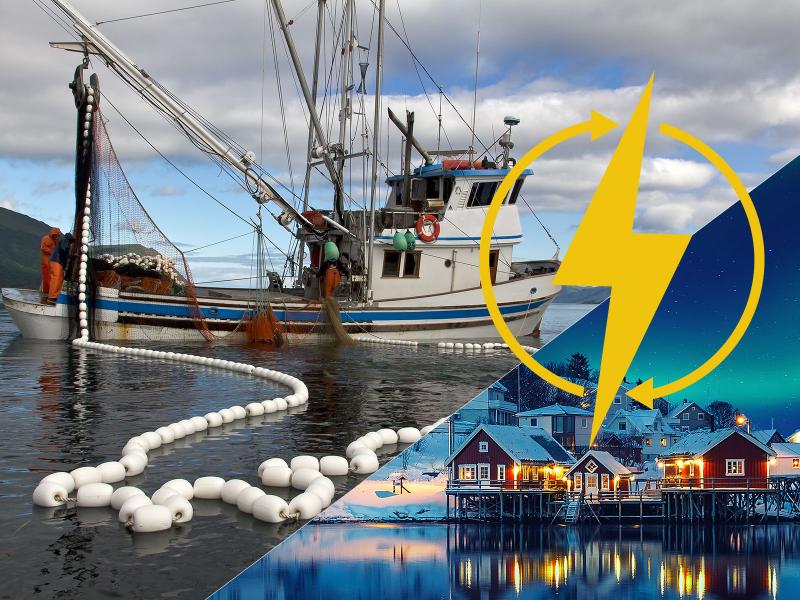
Using existing fish processing plants, kelp and fish waste can be converted to a diesel-like fuel to power generators or fishing boats in remote, coastal Alaska.
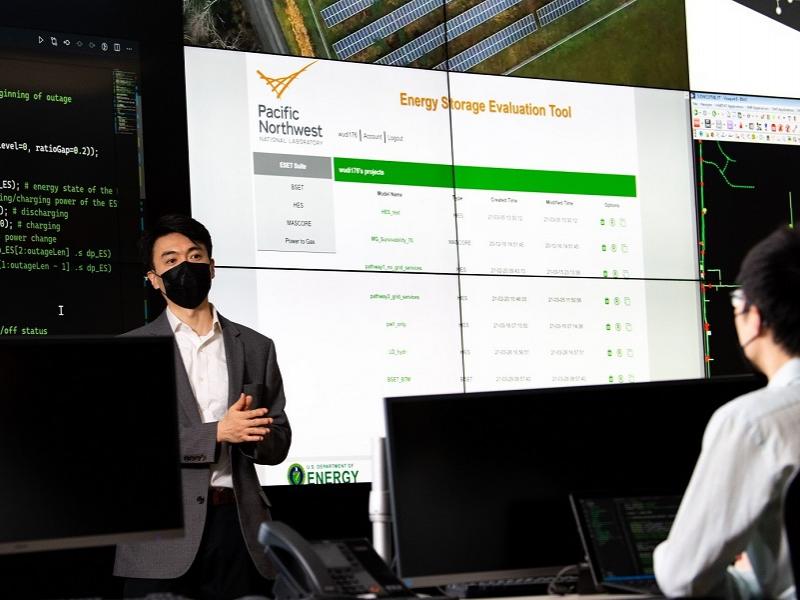
PNNL’s new Hydrogen Energy Storage Evaluation Tool allows users to examine multiple energy delivery pathways and grid applications to maximize benefits.
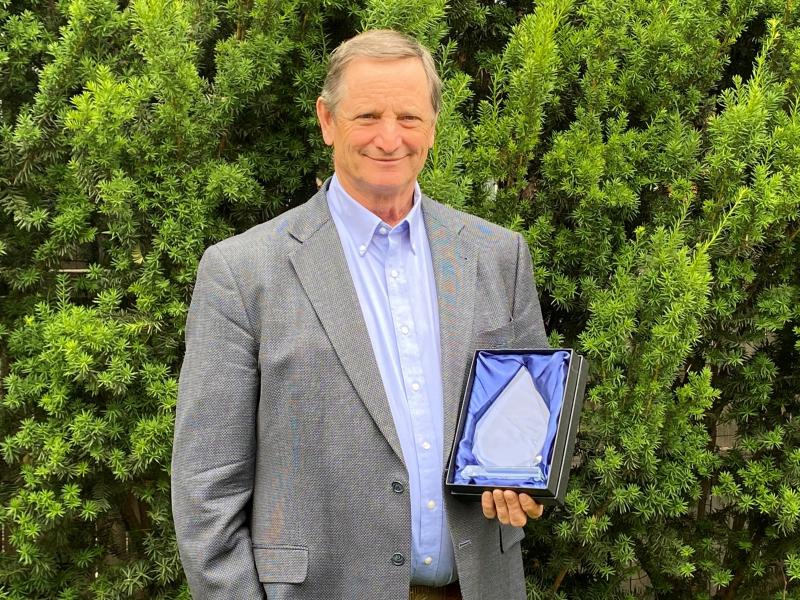
Grid Forward, an industry association dedicated to promoting and accelerating innovation in the regional electric system, honored PNNL's Carl Imhoff with the 2021 Grid Innovator Award.
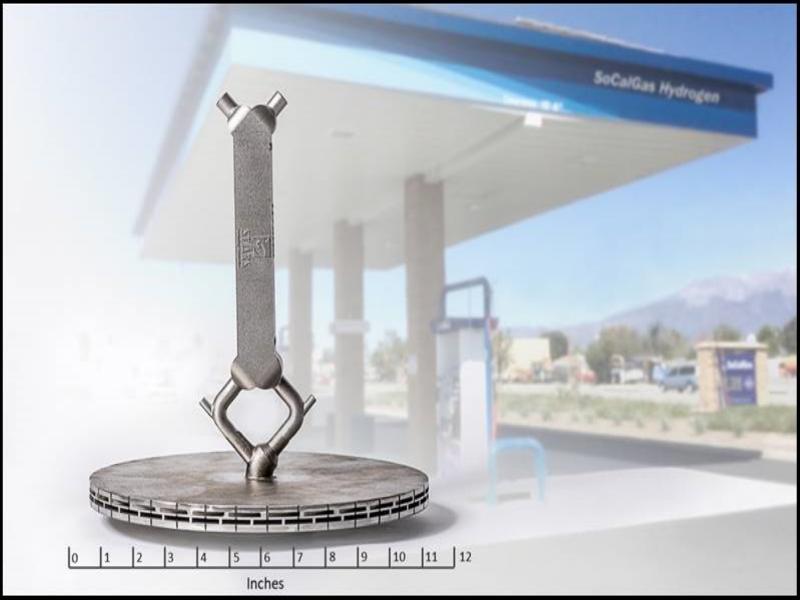
PNNL licensed two technologies to generate hydrogen. One, a reactor design, generates hydrogen from natural gas. The second innovation uses a 3D printing method to economically manufacture the generator.
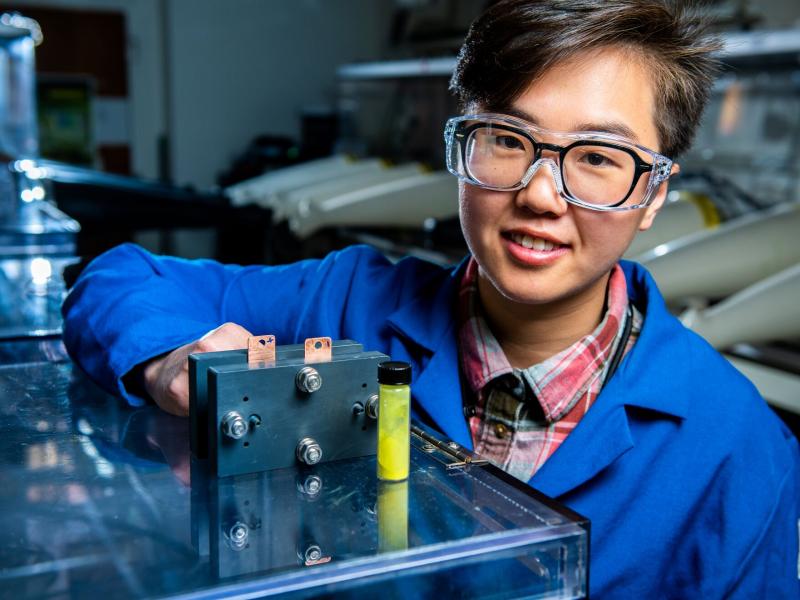
A compound used in candles offers promise for a modern energy challenge—storing massive amounts of energy to be fed into the electric grid as the need arises.
A collaboration among PNNL, Washington State University, and Tsinghua University has led to the discovery of a mechanism behind the decline in performance of an advanced copper-based catalyst.