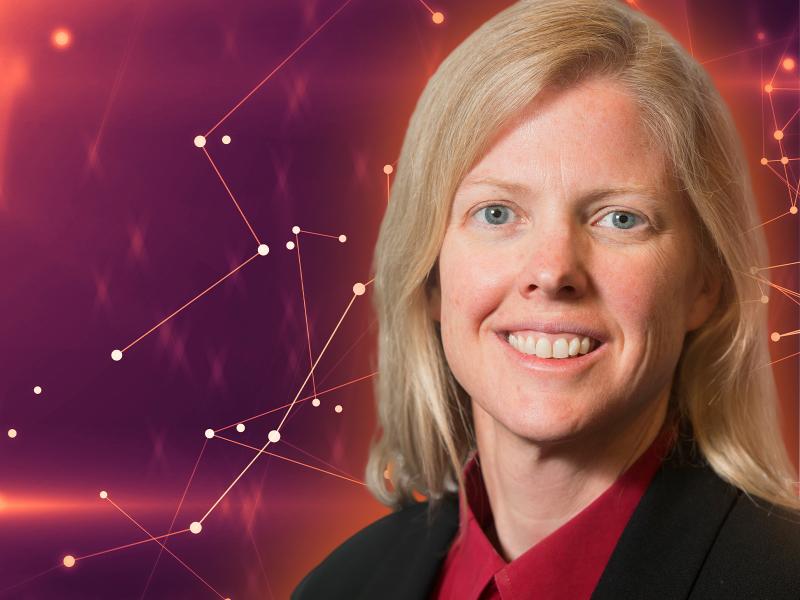
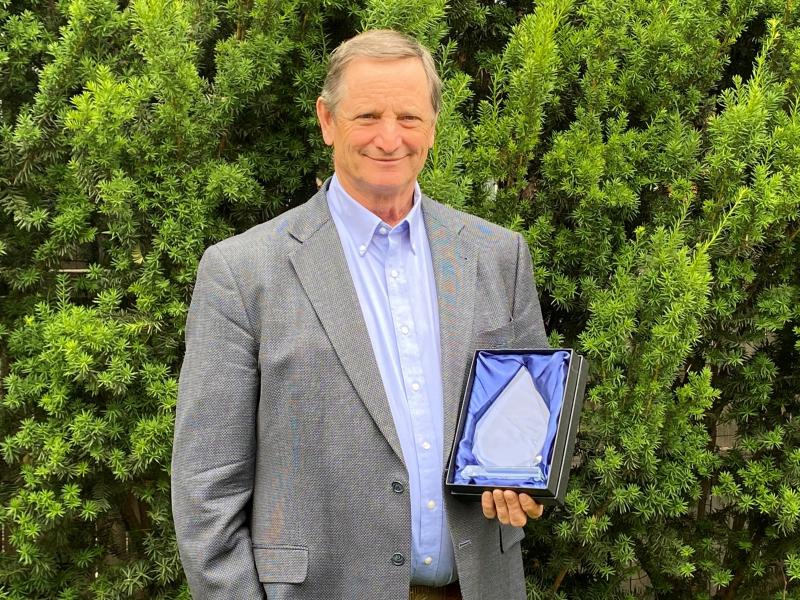
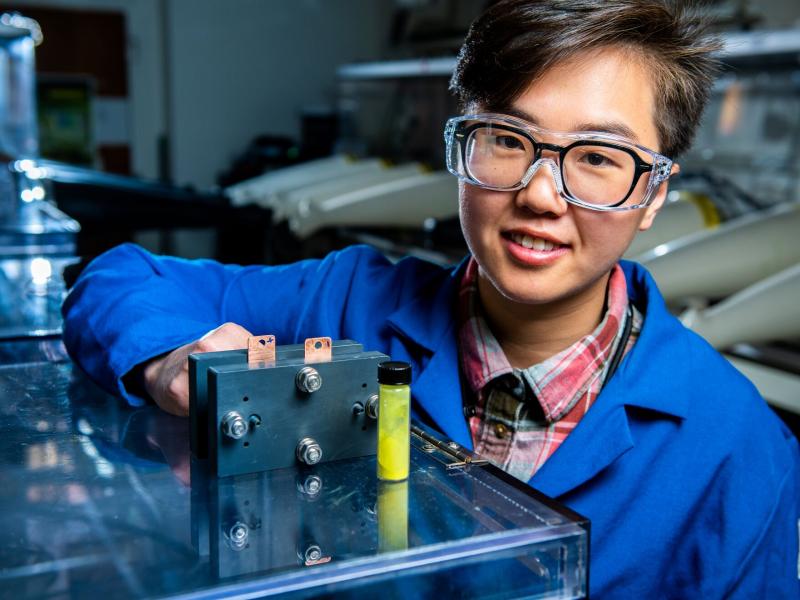
Shaw is one of 18 fellows selected by the National Laboratory Directors' Council to join the 2020–2021 Oppenheimer Science and Energy Leadership Program Fellowship.
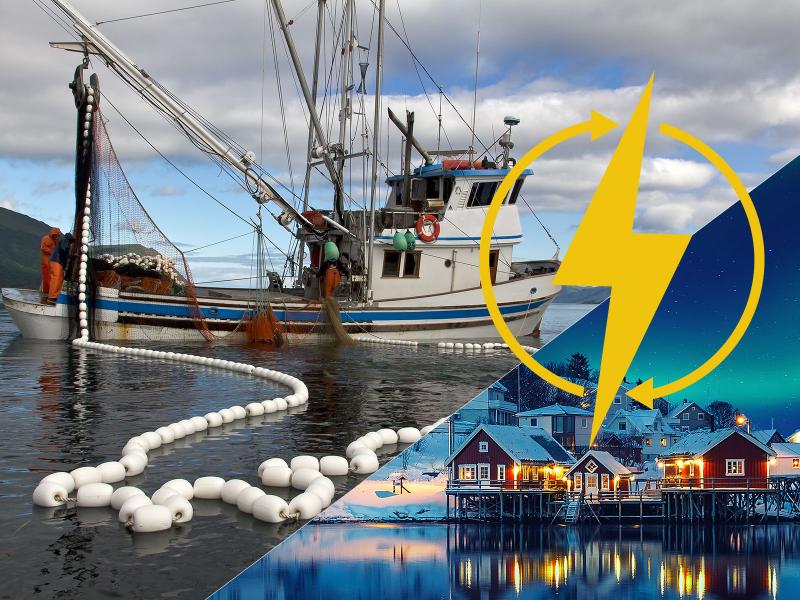
Using existing fish processing plants, kelp and fish waste can be converted to a diesel-like fuel to power generators or fishing boats in remote, coastal Alaska.
The U.S. Department of Energy has selected the Scalable Predictive Methods for Excitations and Correlated Phenomena project to receive funding to develop software for chemical research.
Bojana Ginovska leads a physical biosciences research team headed for PNNL's new Energy Sciences Center. She uses the transformative power of molecular catalysis and enzymes to explore scientific principles.
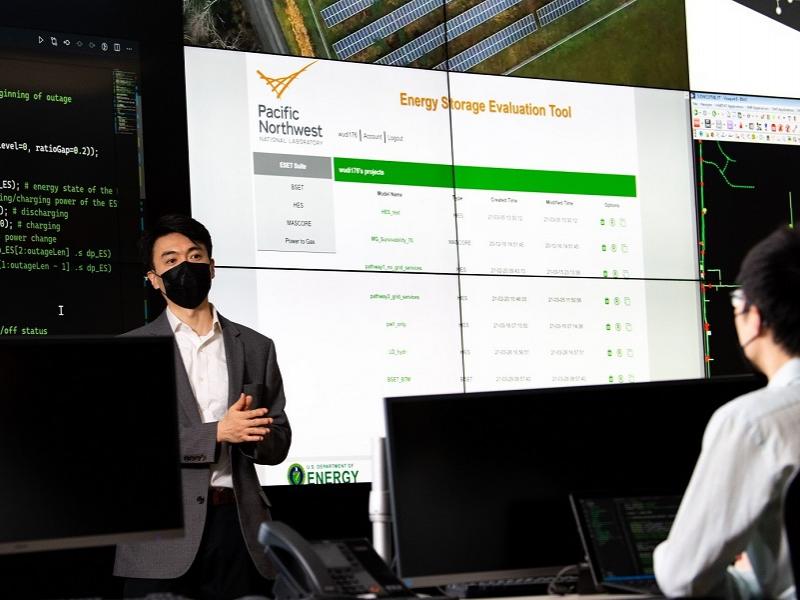
PNNL’s new Hydrogen Energy Storage Evaluation Tool allows users to examine multiple energy delivery pathways and grid applications to maximize benefits.
Grid Forward, an industry association dedicated to promoting and accelerating innovation in the regional electric system, honored PNNL's Carl Imhoff with the 2021 Grid Innovator Award.
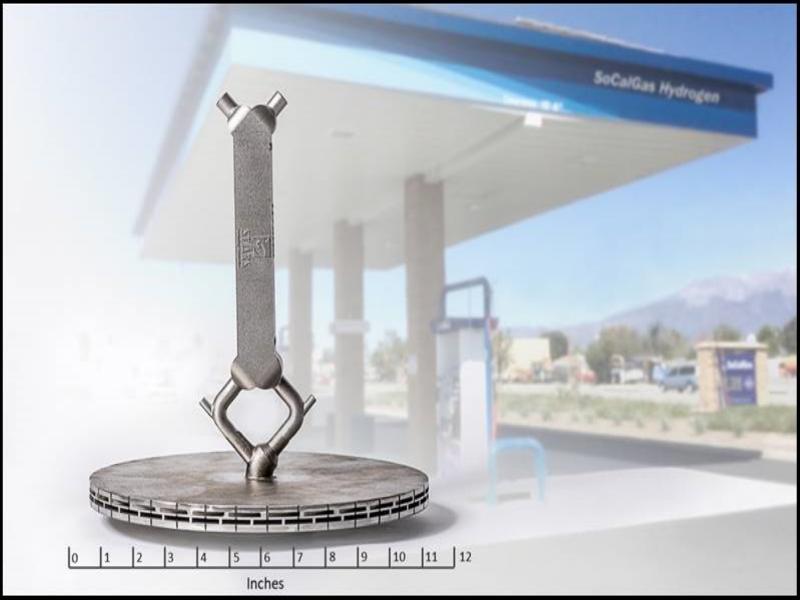
PNNL licensed two technologies to generate hydrogen. One, a reactor design, generates hydrogen from natural gas. The second innovation uses a 3D printing method to economically manufacture the generator.
A compound used in candles offers promise for a modern energy challenge—storing massive amounts of energy to be fed into the electric grid as the need arises.
Marcel Baer is a computational scientist working in PNNL’s Physical Sciences Division with a prominent effort in materials science and physical bioscience.
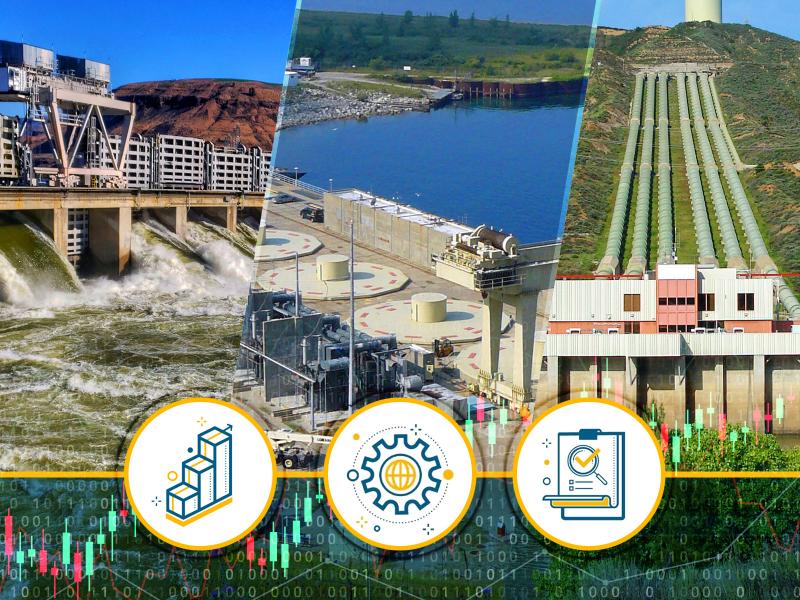
PNNL and four other national laboratories executed the Hydropower Value Study to examine hydropower operations in different regions of the United States.