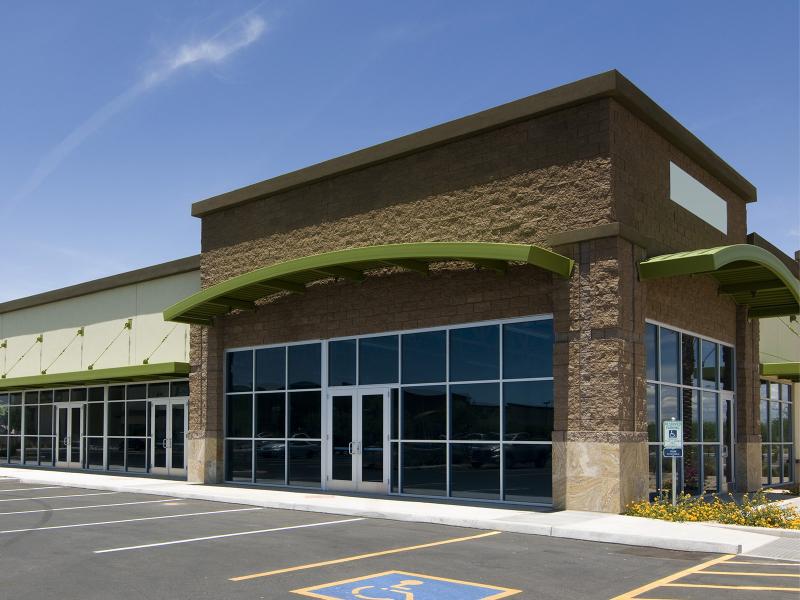
The Simple Building Calculator, developed at PNNL, meets a need for a quick, interactive, and economic method to evaluate energy use—and potential savings from efficiency measures—in simple commercial buildings.
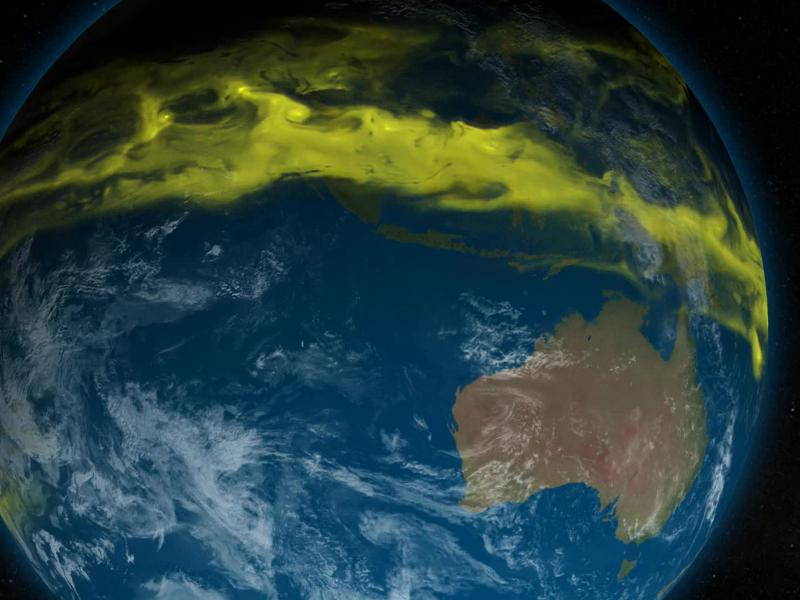
The world's current climate pledges won't limit global warming to 1.5 °C. We will overshoot. A new study shows that more ambitious climate pledges could minimize the overshoot.
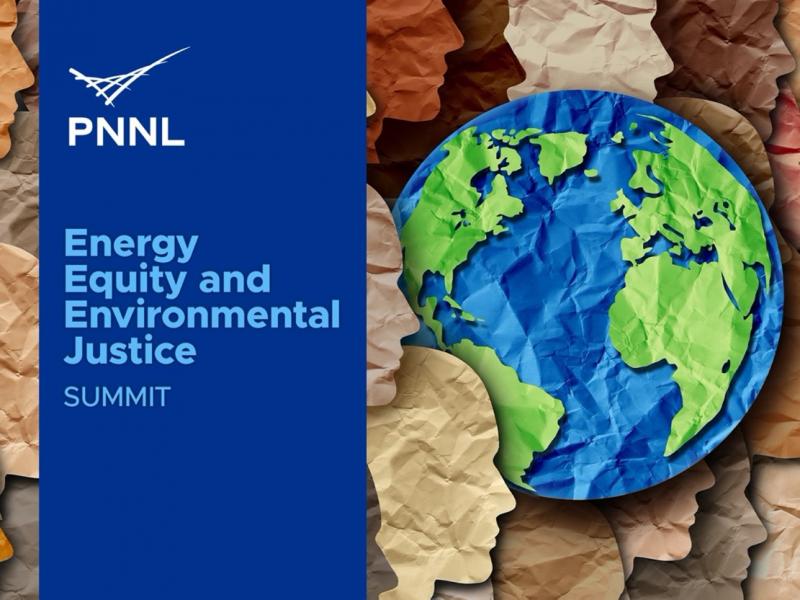
PNNL gathered researchers from eight national laboratories plus the U.S. Department of Energy (DOE) to share ideas and build synergy at the Energy Equity and Environmental Justice Summit.
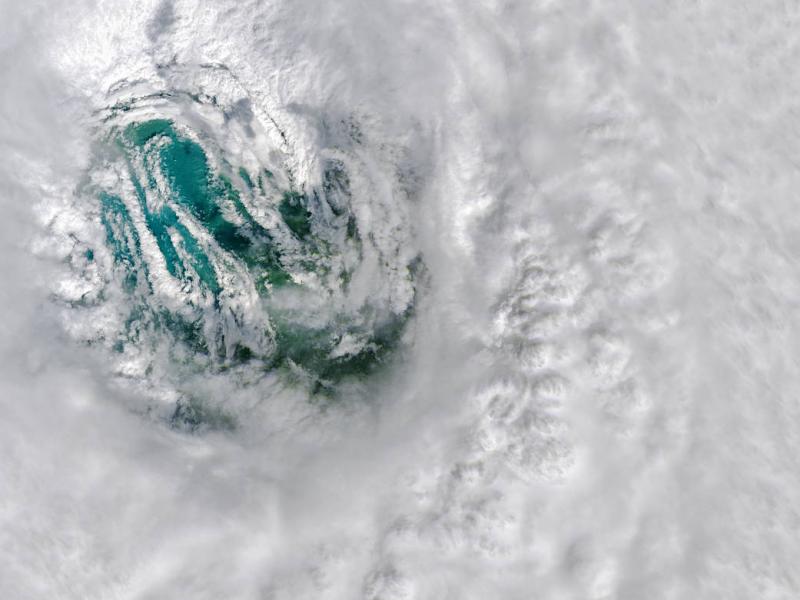
Scientists at PNNL are working to better prepare authorities, emergency responders, communities and the grid in the face of increasingly extreme hurricanes.
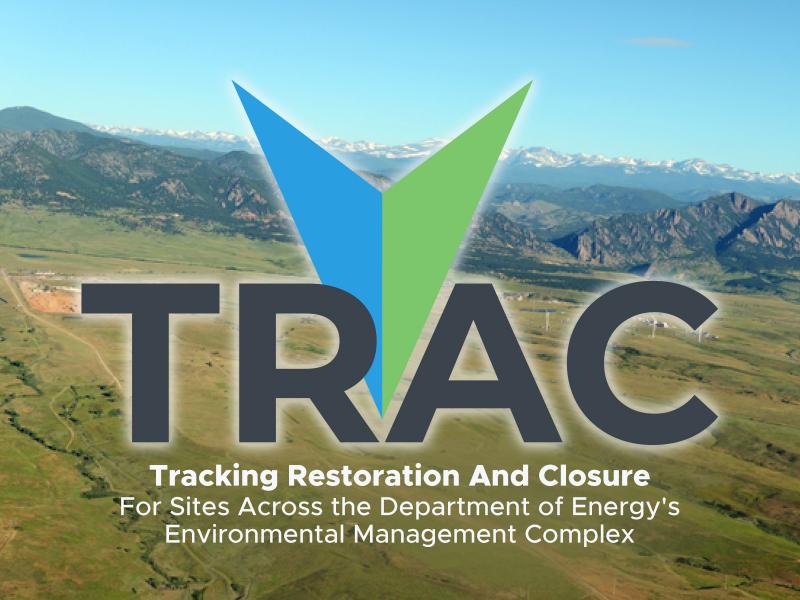
A new web-based tool provides easy-to-understand progress metrics and other data about groundwater cleanup sites overseen by the DOE Office of Environmental Management.
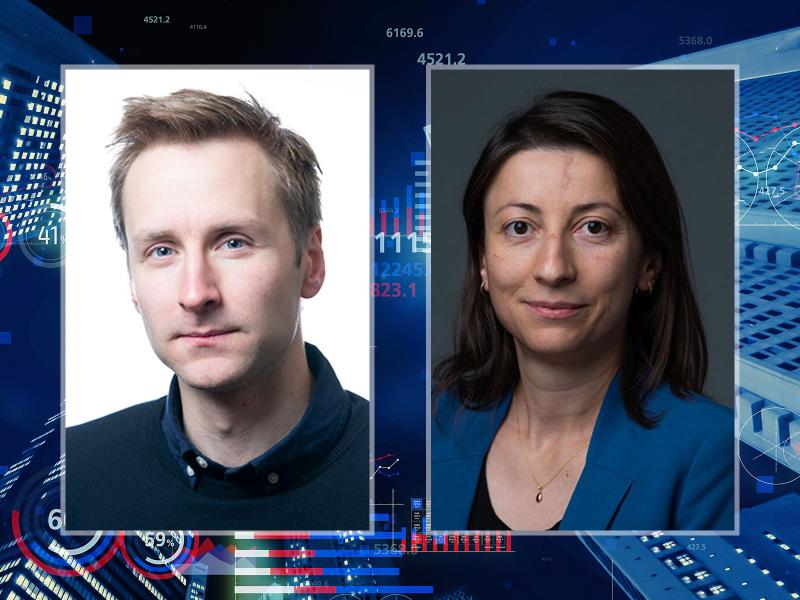
PNNL’s Ján Drgoňa and Draguna Vrabie are part of an international team that authored a most-cited paper on Model Predictive Control, an approach for improving operations, energy efficiency, and comfort in buildings.
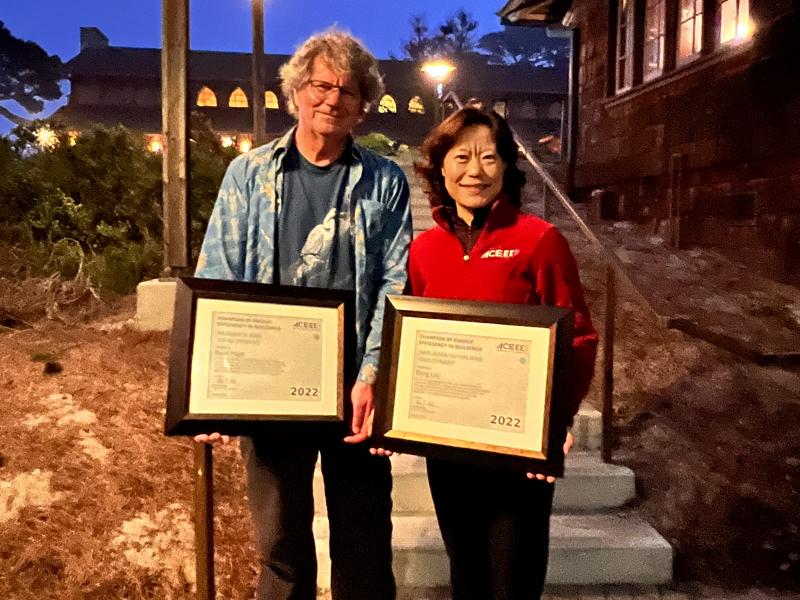
PNNL’s Reid Hart and Bing Liu have earned individual Champions of Energy Efficiency in Buildings awards from the American Council for an Energy-Efficient Economy.
John VerWey, East Asia national security advisor, delivered remarks on competition in global supply chains at a U.S.-China Economic Security Review Commission hearing in June 2022.