In recognition of Nuclear Science Week on Oct. 19-23, Pacific Northwest National Laboratory reflects on more than half a century of advancing nuclear science for the nation’s energy, environment, and security frontiers.
Researchers at PNNL have increased the conductivity of copper wire by about five percent via a process called Shear Assisted Processing and Extrusion. General Motors tested the wire for application in vehicle motor components.
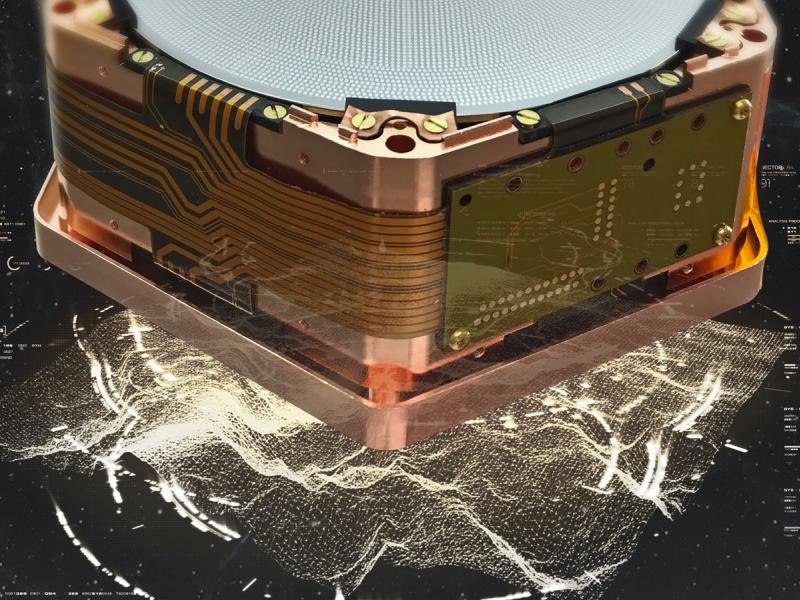
Radiation from natural sources in the environment can limit the performance of superconducting quantum bits, known as qubits. The discovery has implications for quantum computing and for the search for dark matter.
A cadre of physical scientists, engineers and computing experts at Pacific Northwest National Laboratory is poised to participate in the launch of three new DOE Office of Science-sponsored quantum information science research centers.
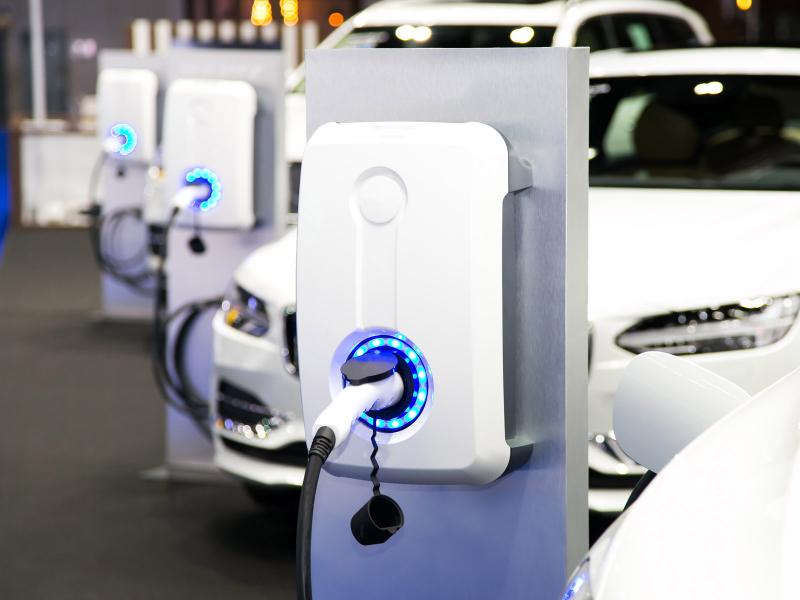
A new PNNL report says the western U.S. power system can handle large-scale vehicle electrification up to 24 million vehicles through 2028, but more than that and cities could start feeling the squeeze.
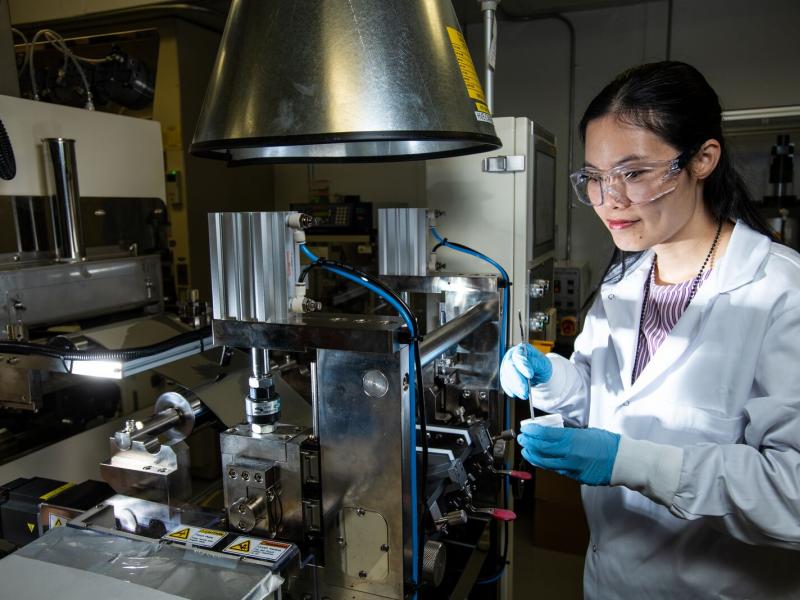
Researchers at PNNL have developed a software tool that helps universities, small business, and corporate developers to design better batteries with new materials that hold more energy.
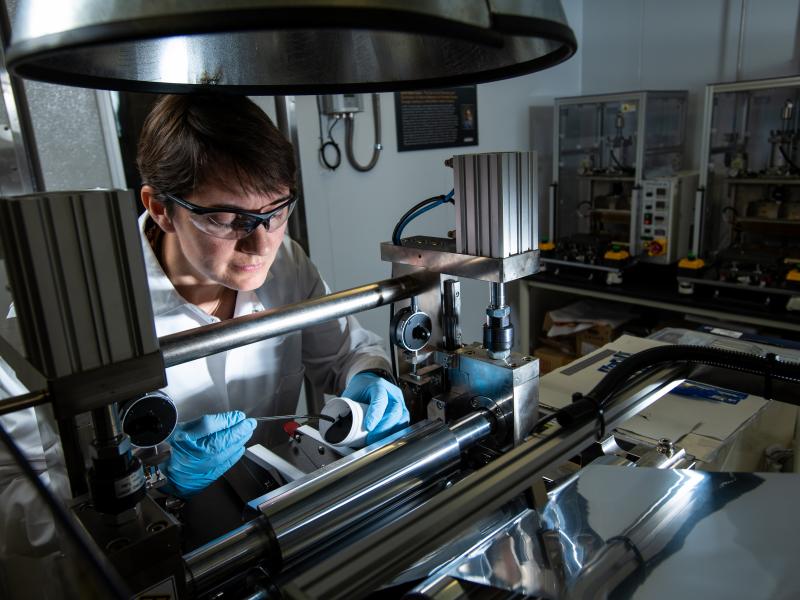
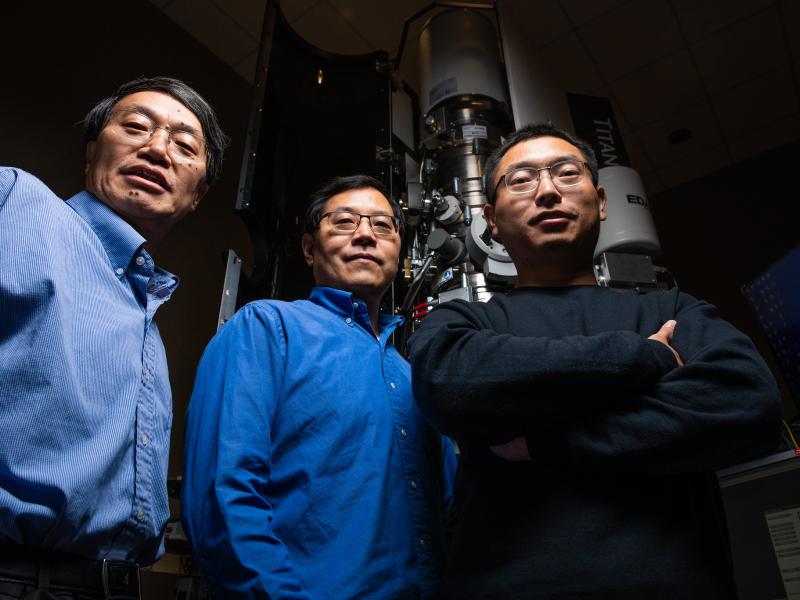
PNNL and WSU researchers have improved the performance and life cycle of sodium-ion battery technology to narrow the gap with some lithium-ion batteries.
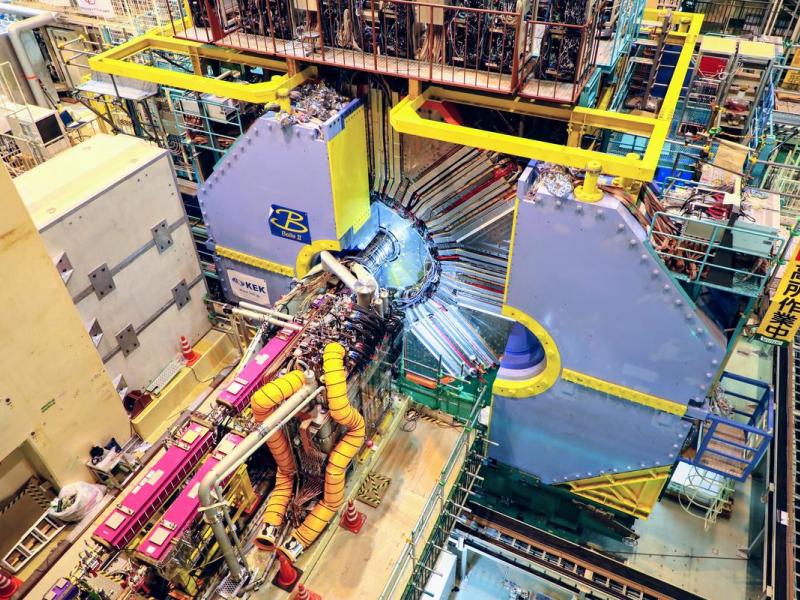
After years of planning, building, and calibration, researchers at the Belle II accelerator experiment in Japan have published their first physics paper.
Researchers at PNNL have come up with a novel way to use silicon as an energy storage ingredient, replacing the graphite in electrodes. Silicon can hold 10 times the electrical charge per gram, but it comes with problems of its own.
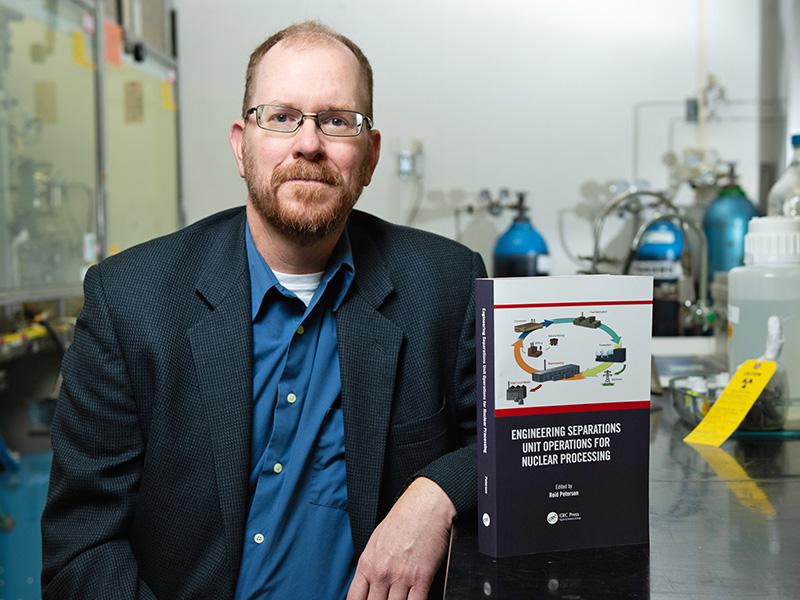
The world’s largest scientific society honored Sue B. Clark, a PNNL and WSU chemist, for contributions toward resolving our legacy of radioactive waste, advancing nuclear safeguards, and developing landmark nuclear research capabilities.
B3? E4? Remember the board game Battleship? One player suggests a set of coordinates to another, hoping to find the elusive location of an unseen vessel.That is a good place to start in assessing the search for dark matter.
Scientists have uncovered a root cause of the growth of needle-like structures—known as dendrites and whiskers—that plague lithium batteries, sometimes causing a short circuit, failure, or even a fire.
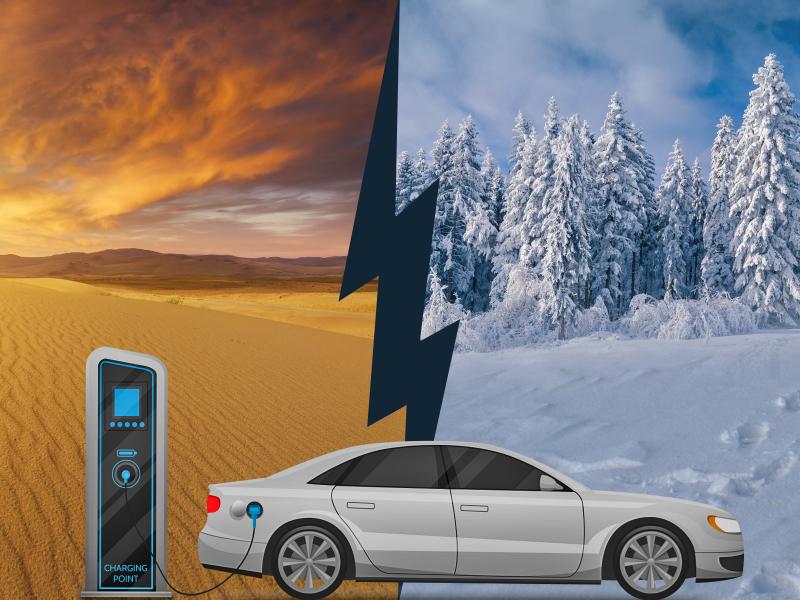
PNNL researchers have created a chemical cocktail that could help electric cars power their way through extreme temperatures where current lithium-ion batteries don’t operate as efficiently as needed.