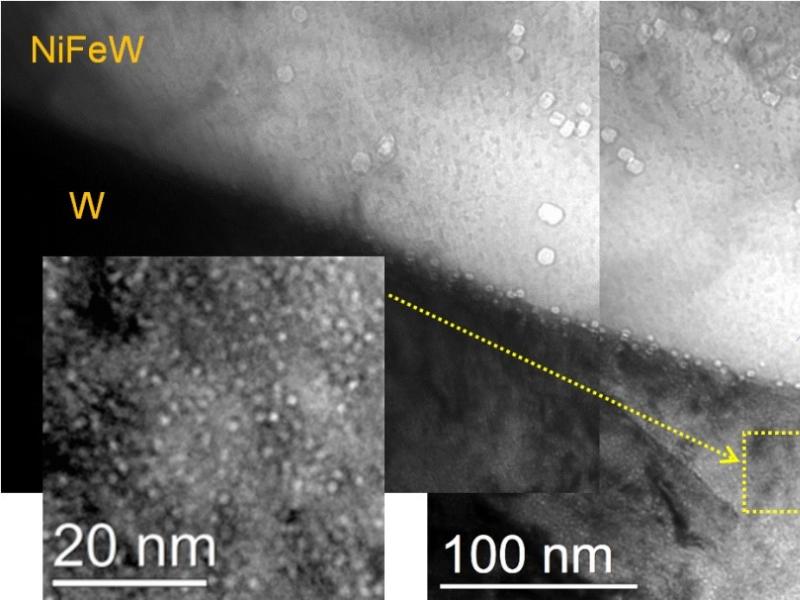
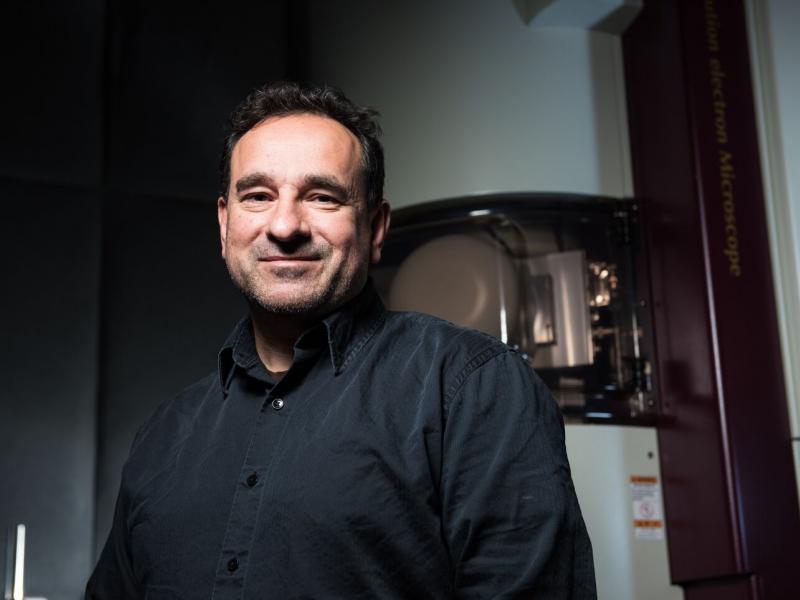
Steven Spurgeon, a materials scientist and microscopy researcher at PNNL, has accepted an affiliate associate professorship at the University of Washington Department of Physics.
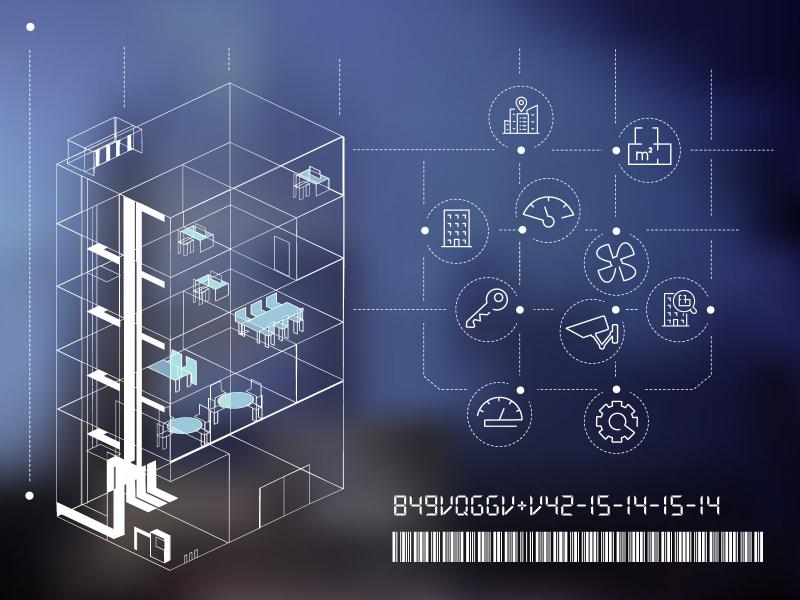
PNNL researchers develop software that uses geographical data to build a free, open-source grid reference system to provide a precise system to locate structures.
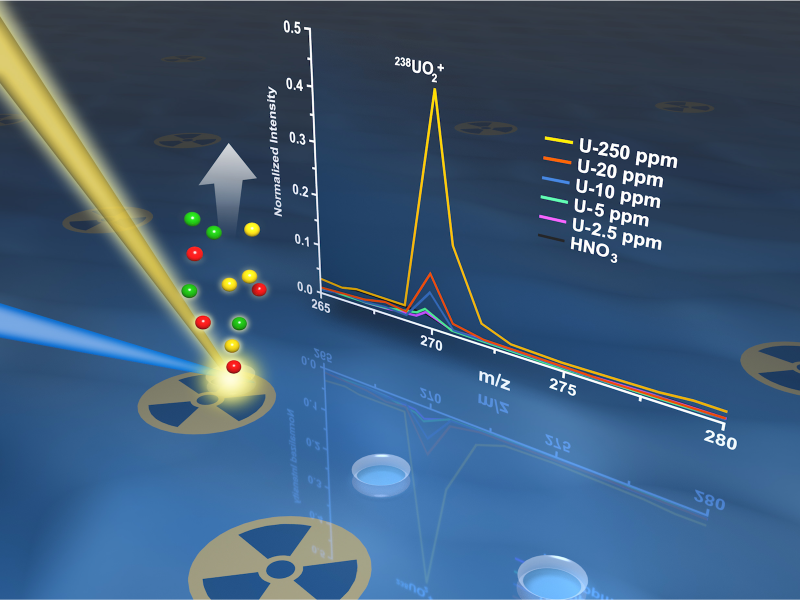
Pacific Northwest National Laboratory researchers developed a patented, nearly non-destructive approach, known as liquid secondary ion mass spectrometry, to analyze nuclear samples.
Two PNNL interns are behind recent innovation in real-time testing and continuous monitoring for pH and the concentration of chemicals of interest in chemical solutions; outcomes have applicability not only to nuclear, but to industries.
Royer’s research has focused on ensuring that energy efficient lighting technologies, like LEDs, offer quality light so they reach their potential for energy savings.
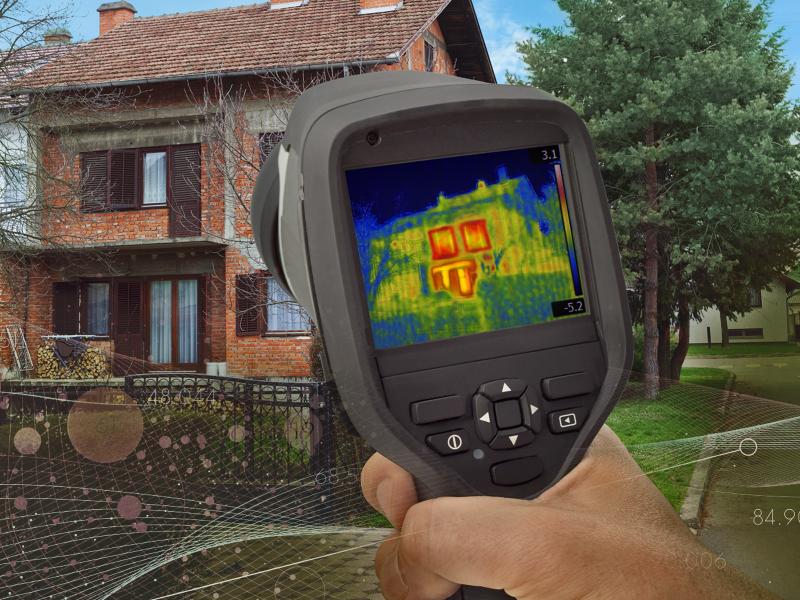
PNNL will play a key role in advancing Connected Communities made up of efficient homes and buildings that communicate with the grid to produce energy and environmental benefits.
PNNL paper in Nuclear Technology journal unveils modeling possibilities for TRISO used fuel, implications for reactor planning, and resulting carbon-free nuclear energy.
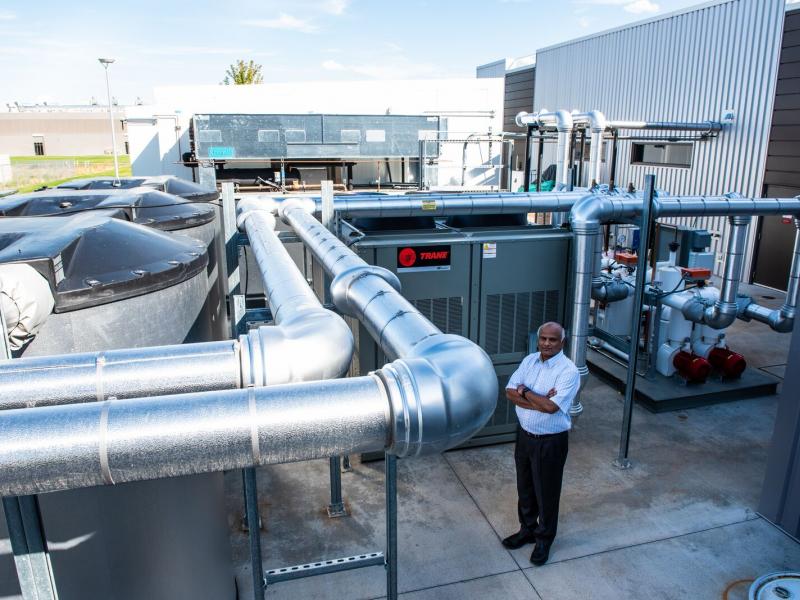
Researchers at PNNL examined heat pump water heater (HPWH) operation in Pacific Northwest residences, gaining insights into HPWH electricity use patterns. Part of the study captured trends during a COVID-19 stay-at-home order.
2021 marks the largest cohort of PNNL authors and co-authors to be recognized at annual Waste Management Symposia for environmental management research.
PNNL’s data-infused approach to electron microscopes’ use in scientific experimentation will help researchers and industry interpret large data streams and drive down costs.
The Washington State Academy of Sciences consists of more than 300 elected members who are nationally recognized for their scientific and technical expertise.
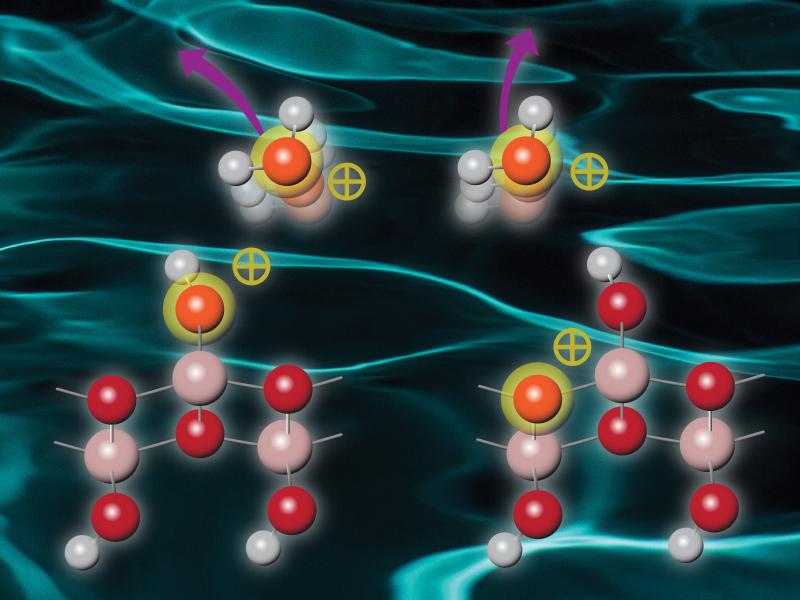
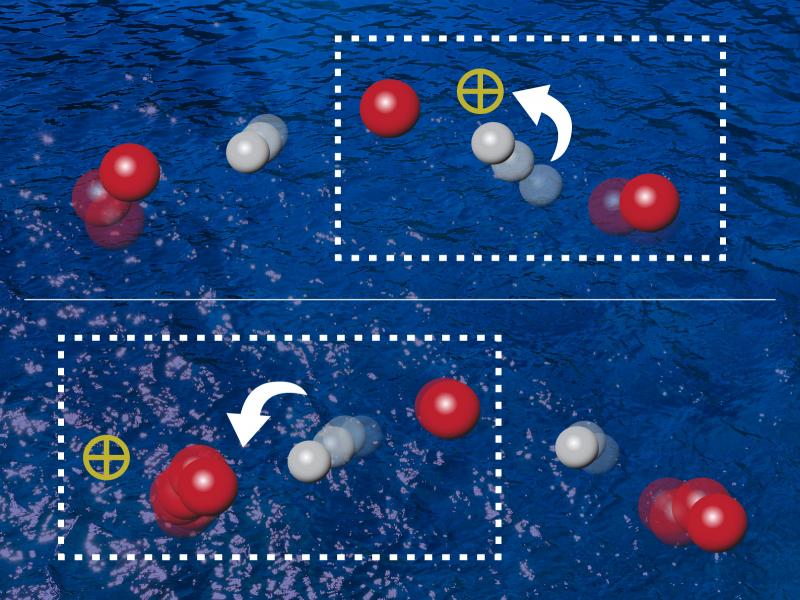
New study elucidates the complex relaxation kinetics of supercooled water using a pulsed laser heating technique at previously inaccessible temperatures.