PNNL mathematician and AI researcher Henry Kvinge bridges math and AI, finding connections between the two fields and studying ways where they can foster mutual progress.
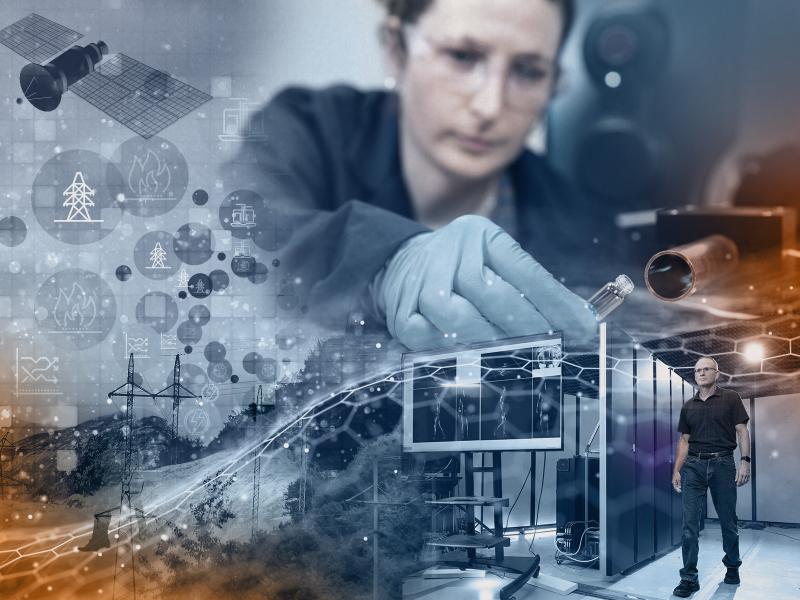
PNNL’s nondestructive evaluation capabilities support advancements in nuclear energy, including research for the U.S. Nuclear Regulatory Commission to preserve the nation’s existing nuclear fleet.
A new invention from PNNL could soon help manufacturers more easily adopt the Lab’s patented Shear Assisted Processing and Extrusion (ShAPE™) technology, enabling faster manufacturing of superior extrusion products.
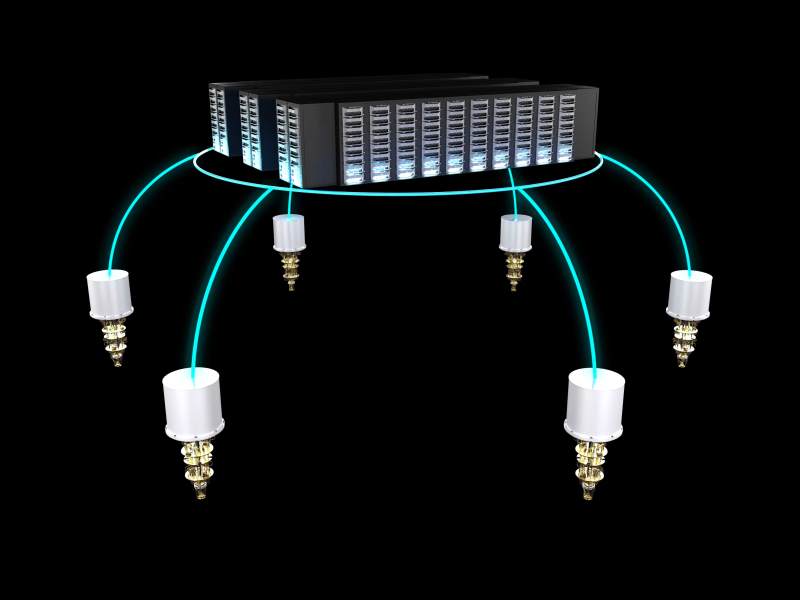
PNNL convenes leaders from the Department of Energy, national laboratories, computing industry and academia for a two-day workshop to advance quantum computing for computational chemistry.
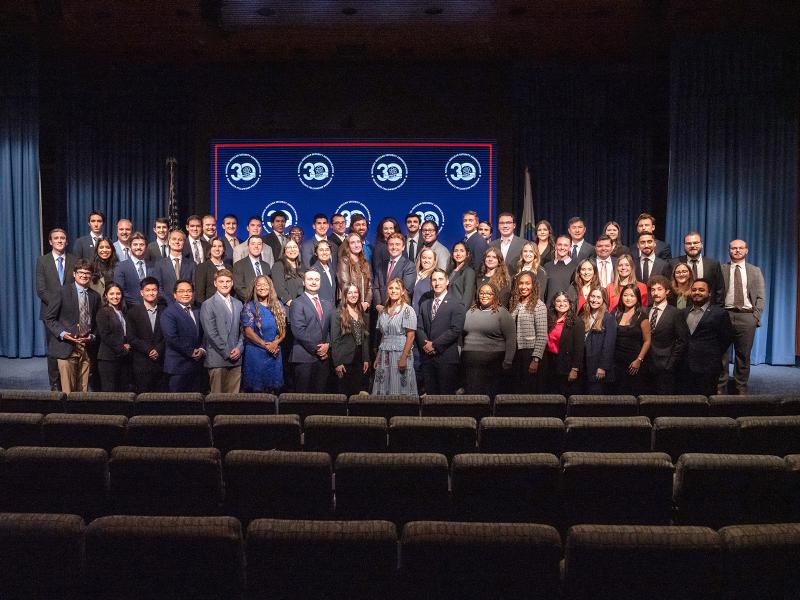
Stephen Hernandez and Kaley Walker are among the 72 fellows who have the distinction of being part of the 30th class of the NNSA Graduate Fellowship Program.
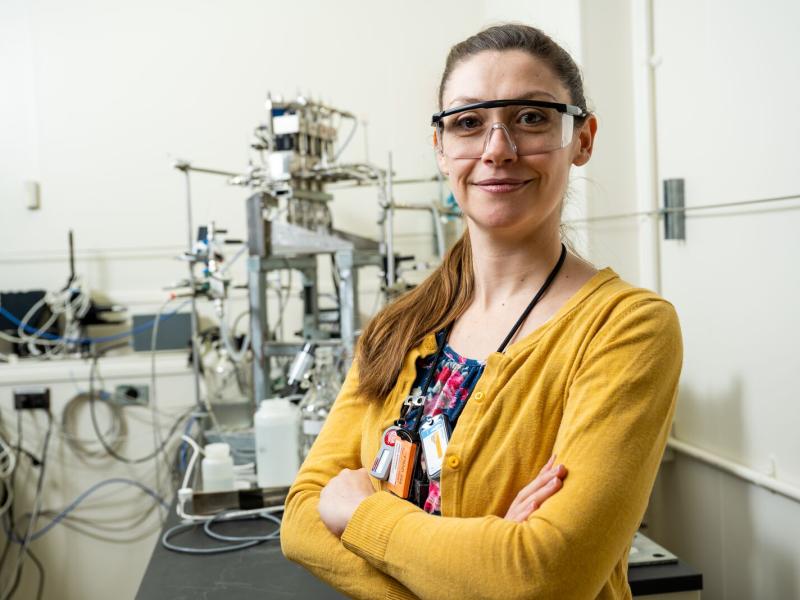
A decade after working as a post-bachelor’s researcher at PNNL, chemist Quin Miller is helping develop the workforce for the critical minerals-focused mines of the future.
The PNNL-developed UF6 Gas Enrichment Sensor (UGES) prototype is the next generation of a previous enrichment monitoring device—namely the Online Enrichment Monitor. UGES will increase the accuracy of uranium measurements.
A modeling study shows that adding batteries to a dam could decrease the wear and tear on hydropower turbines and open up new opportunities for dam operators to earn revenue.