A feasibility study conducted by PNNL for DOE via the National Reactor Innovation Center looked at the potential for using small modular reactors to generate nuclear energy to power maritime port operations.
Assistant Secretary Katie Jereza joined NASPI’s fall meeting, where utilities and researchers explored grid measurements that support reliable electricity.
A graph-theoretic microstate analysis enabled researchers to identify ion aggregate macro-states and microstates in single and mixed electrolyte solutions.
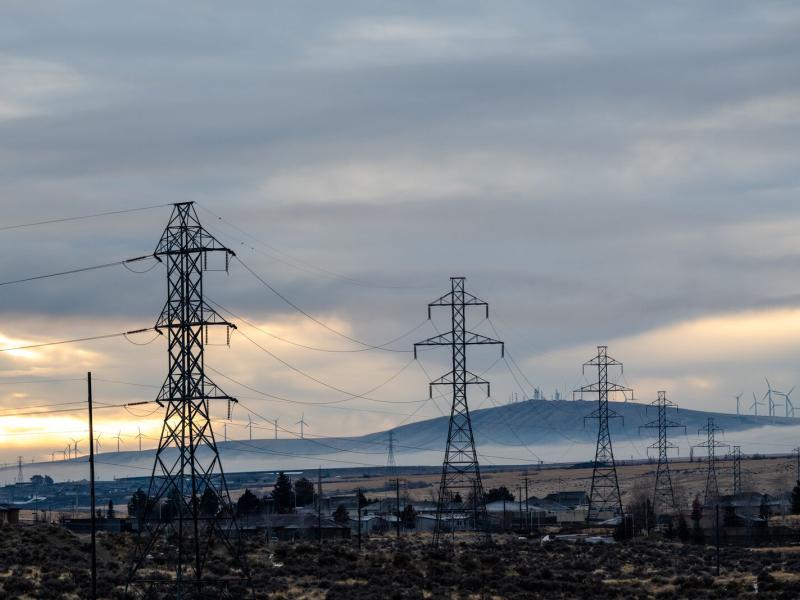
A PNNL report examines grid planning practices and identifies seven gaps in how planners account for transmission’s contribution to long-term reliability.
PNNL’s BEACONS project is turning a Pasha Hawaii cargo route into a long-term Pacific observatory, collecting autonomous measurements of aerosols, clouds, and weather.
From studying the multisector ripple effects of extreme events to exploring the chemical reactions that underlie life on Earth, two up-and-coming PNNL scientists were recognized for their scientific vision and prowess.
A theoretical index linking precipitation and atmospheric evaporative demand explains historical land humidity changes across observations, reanalyses, and climate models.
Observations, reanalysis, and E3SMv3 experiments linked inter-annual variability of Congo Basin surface temperature to the zonal position of precipitation over the Indo-Pacific maritime continent region.
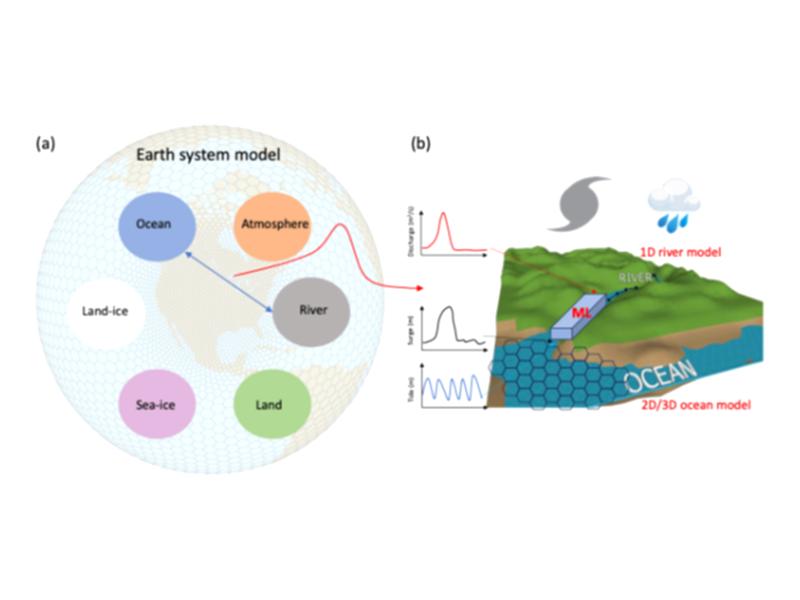
Watershed-based representation discretized into topographic subgrid units better captured small-scale land cover, precipitation, temperature, and snow variability across multiple spatial scales.
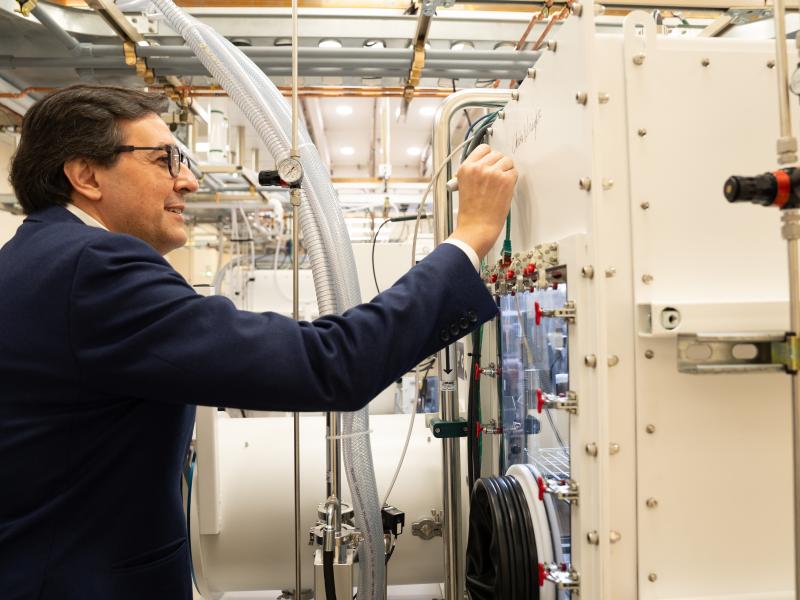
Using multiple specialized techniques, IDREAM researchers gained a better understanding of how trace impurities within gibbsite affect the hydrogen yield.
A team from PNNL joined the Department of Homeland Security Science and Technology Directorate and first responders from across the country to evaluate commercially available unmanned ground vehicles for emergency response.
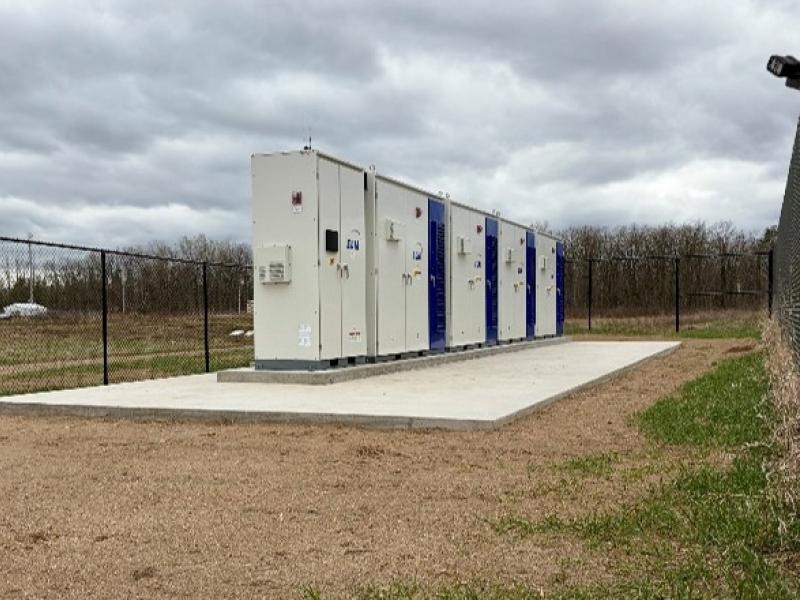
A perspective paper recently published by PNNL researchers underscores how the Lab’s research on electrochemical energy storage is preparing the electric grid to meet the energy needs of the future.