ES4RH Marks Energy Milestones Nationwide
PNNL and partners celebrate progress in energy resilience

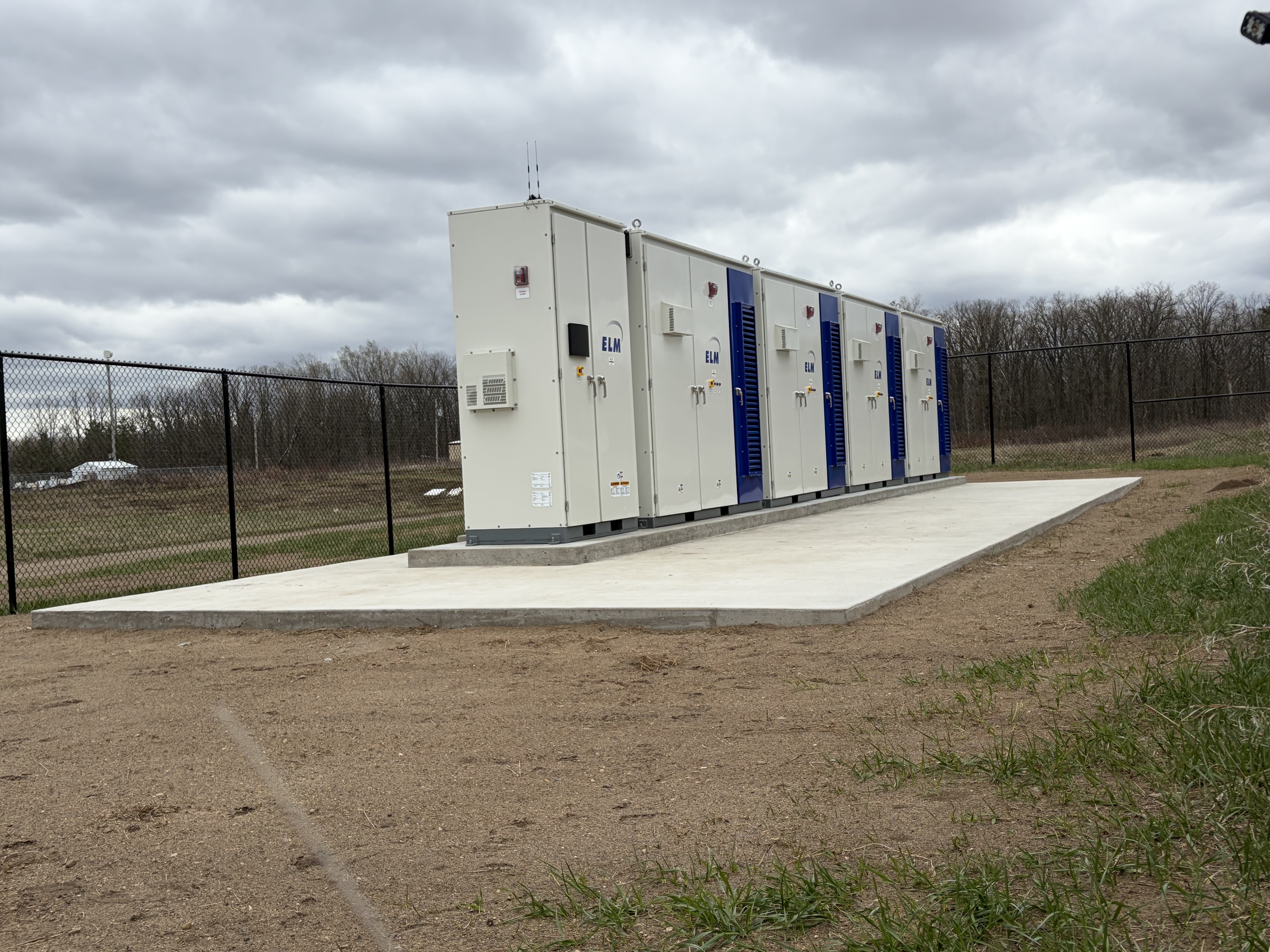
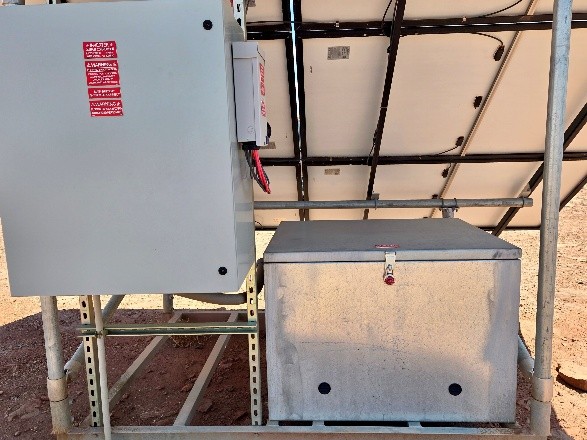
The Pine Point School energy storage project enhances community resilience by improving energy reliability, reducing costs, and supporting long-term growth through collaborative efforts and sustainable infrastructure.
(Photo by Lin Zeng | Pacific Northwest National Laboratory)
Pacific Northwest National Laboratory (PNNL) partnered nationwide this spring to celebrate progress in community-based energy storage projects through the Energy Storage for Resiliency Hubs (ES4RH) initiative.
ES4RH, a joint effort between PNNL and Sandia National Laboratories that is funded by the U.S. Department of Energy's (DOE's) Office of Electricity’s Energy Storage Division, accelerates reliable battery storage in urban and rural communities. It offers technical assistance, data-driven planning, partnerships, and a pathway to funding and implementation to strengthen energy infrastructure, increase affordability, and advance grid modernization.
Community-Centered Energy Resilience
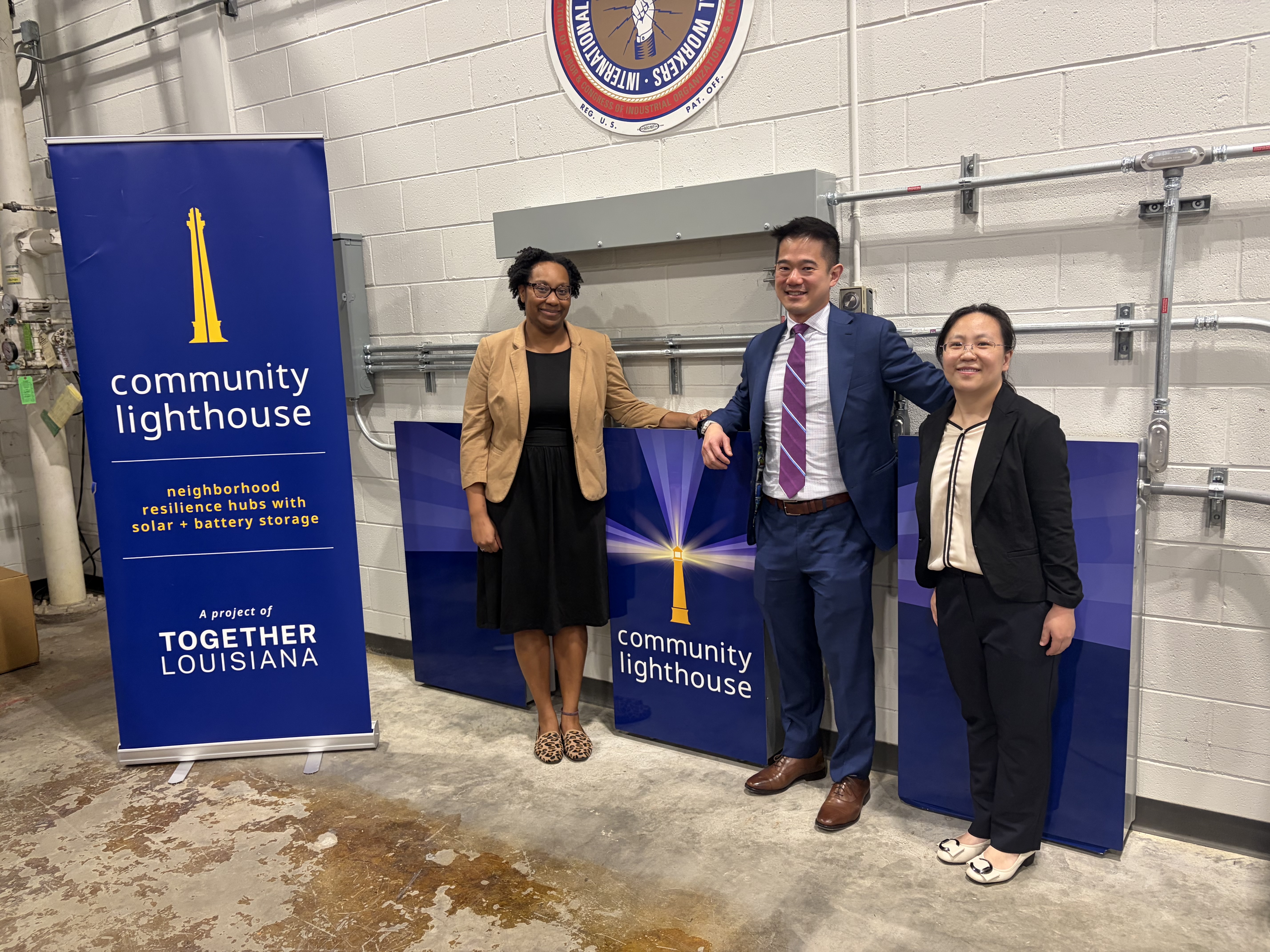
The first celebration was with Together New Orleans at the Baton Rouge International Brotherhood of Electrical Workers (IBEW) Local 995 site for the launch of the first Community Lighthouse microgrid in Baton Rouge, Louisiana—a collaborative effort that strengthened local resilience through battery storage and workforce training.
“We turned to PNNL after Hurricane Ida exposed the deadly stakes of power outages,” said Together New Orleans Lead Organizer Broderick Bagert. “They helped us understand what battery storage could do for our communities and how to move from an idea to projects on the ground. Together New Orleans has now built a network of 20 battery-based microgrids, showing what’s possible when federal expertise and local leadership come together to improve long-term resilience.”
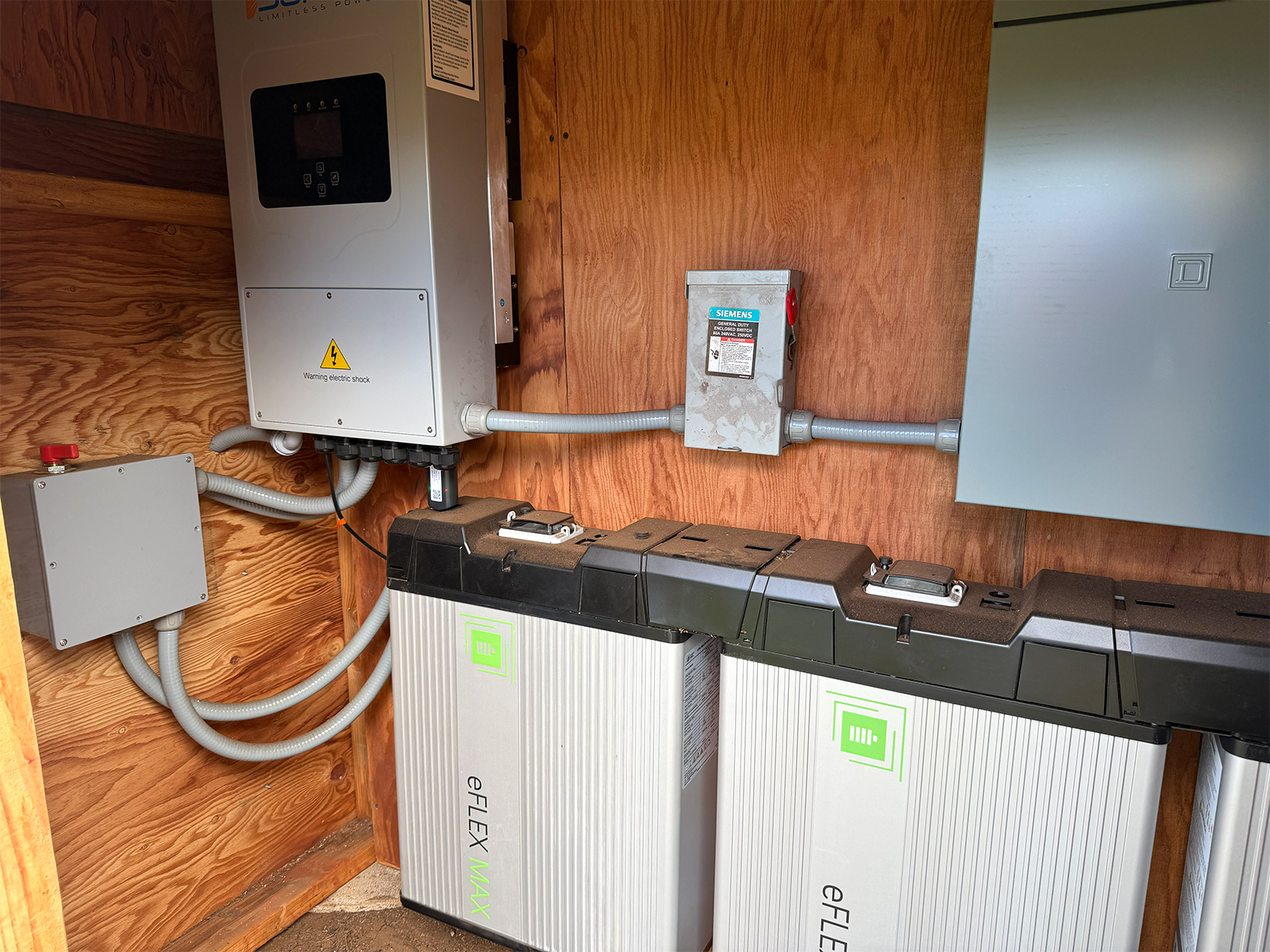
Next, in Moloka‘i, Hawai‘i, PNNL joined Hoʻāhu Energy Cooperative Moloka‘i to recognize the implementation of a residential on-site generation and battery storage nano-grid program.
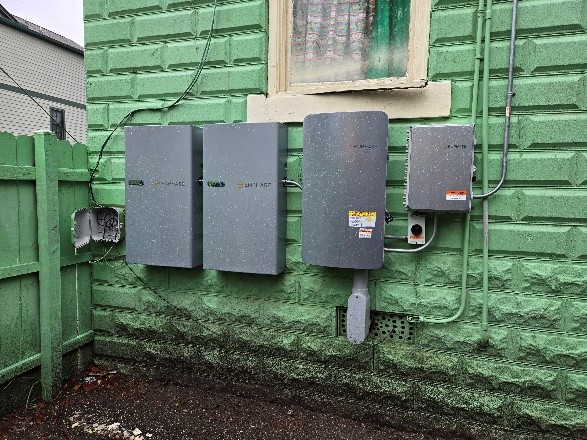
The ES4RH team then traveled to Savannah, Georgia, celebrating with Capital to Coast partners at the Harambee House Resiliency Hub, preceded by community focus groups on resilient energy investments.
The team also attended a ribbon-cutting ceremony with 10Power and 8th Fire Solar at the Pine Point School Resiliency Hub on the White Earth Nation, highlighting investments that support critical services and long-term Tribal energy security.
In Flagstaff, Arizona, Native Renewables then hosted a community celebration highlighting progress made through its ES4RH-supported project and broader efforts to expand energy resilience across indigenous communities.
More ES4RH projects will be celebrated as they launch, with further public engagement planned, including a site visit to the Phoenix-Talent School District this year.
Turning Technical Support into Tangible Community Results
These projects achieved improved energy system stability, enhanced local reliability, reduced costs, and supported growth through tailored storage solutions that meet pressing community demands.
By providing expertise, planning, and data analysis, PNNL validated impacts for each partner, laying a foundation for future resilient energy projects. For example, ES4RH’s work with Hoʻāhu Energy Cooperative Moloka‘i is saving the average household more than $350 per month.
“ES4RH shows what is possible when DOE leadership, national laboratory expertise, and local partnerships come together to connect technical solutions to real local needs,” said ES4RH Principal Investigator Adrienne Rackley. “Through technical assistance and impact assessment, PNNL helps partners move projects from concept to operation while understanding how these investments strengthen reliability, improve affordability, and build a foundation for future resilient energy investments in places where these solutions are needed most.”
Those interested in learning more or exploring future collaboration opportunities are encouraged to contact ES4RH@pnnl.gov.
Published: September 23, 2026