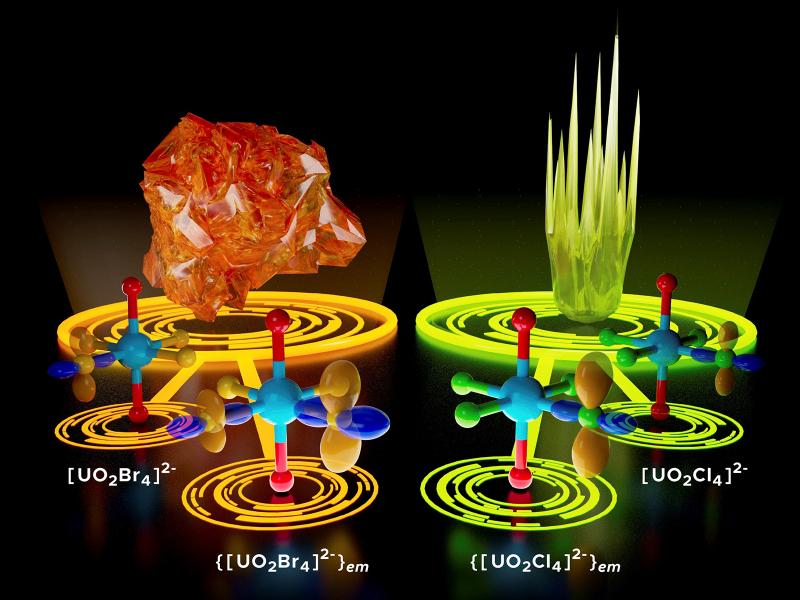
A comprehensive understanding of the electronic structure of uranyl ions provides insight into the chemistry of nuclear waste and uranium separation technologies.
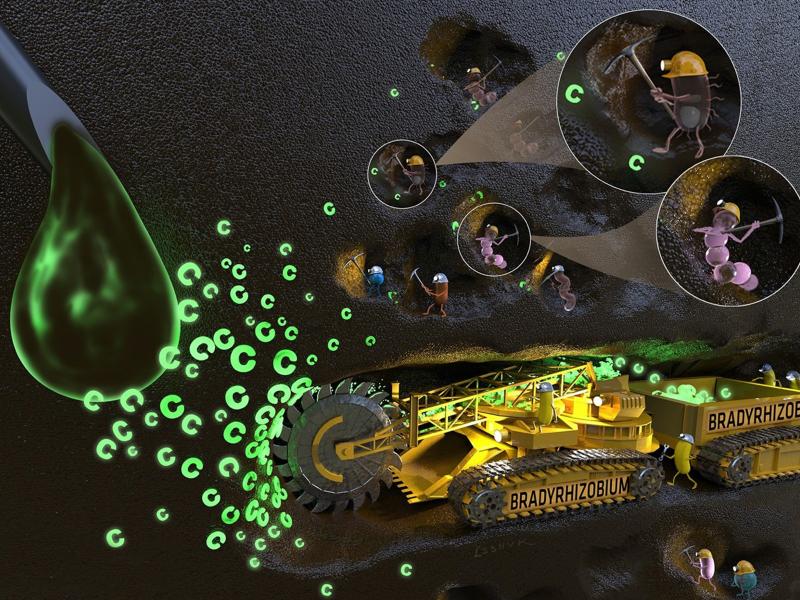
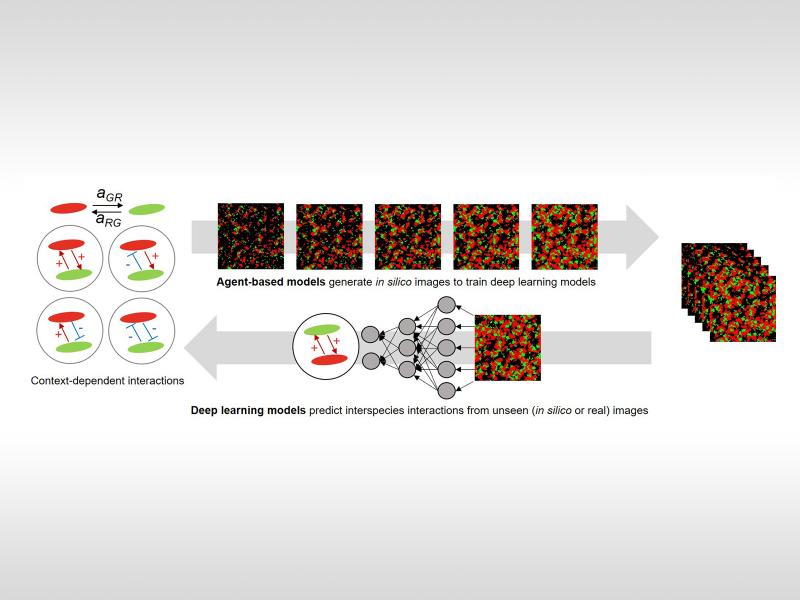
Knowing which bacteria in a community are involved with carbon cycling could help scientists predict how microbial carbon storage and release could influence future climate dynamics.
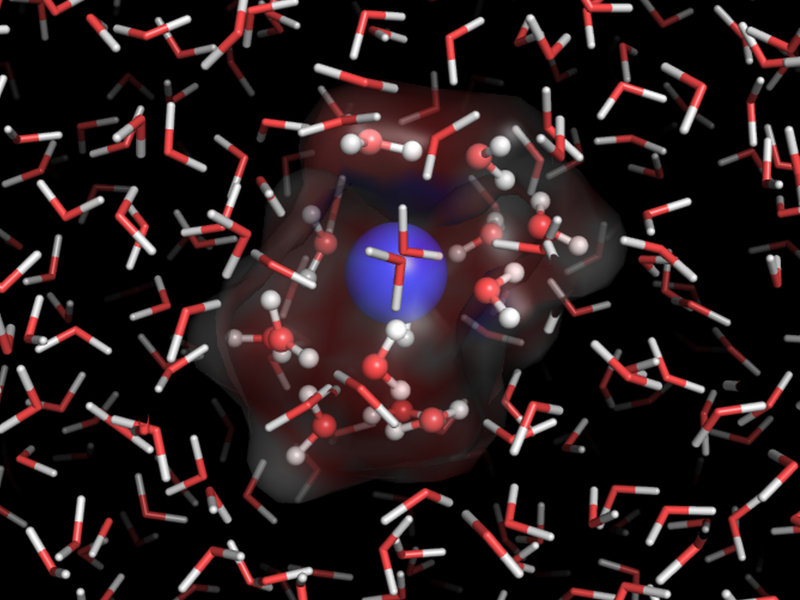
New study elucidates the complex relaxation kinetics of supercooled water using a pulsed laser heating technique at previously inaccessible temperatures.
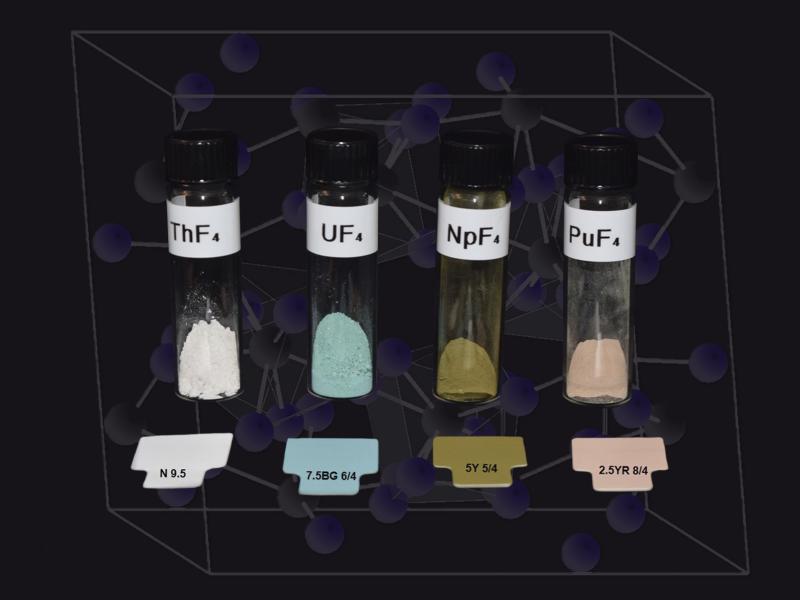
Spectroscopic experiments reveal significant variations in the electronic structures of actinide tetrafluorides despite their nearly identical crystal structures.
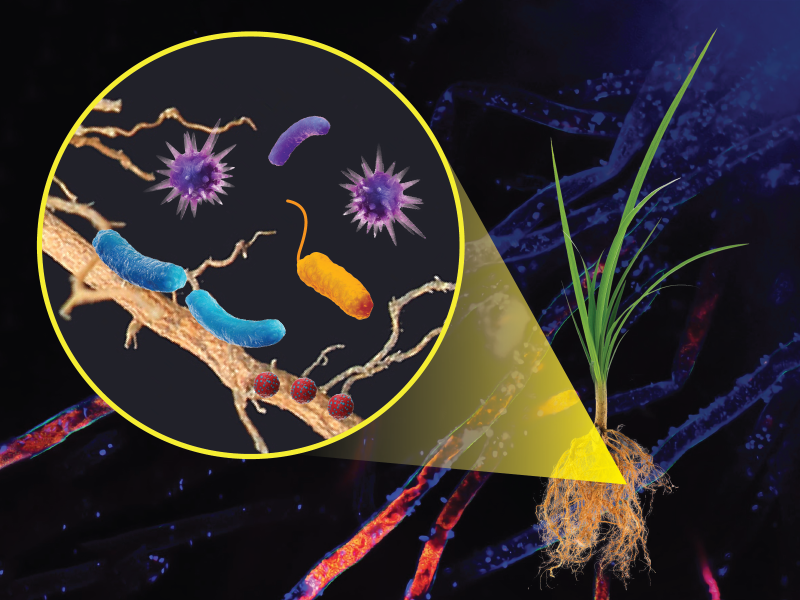
Microbiome and soil chemistry characterization at long-term bioenergy research sites challenges idea that switchgrass increases carbon accrual in surface soils of marginal lands.
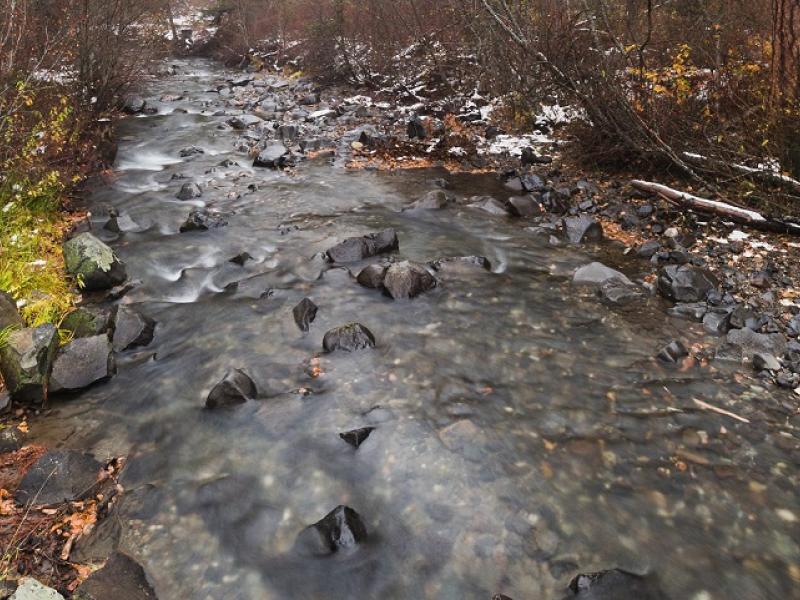
Researchers performed controlled laboratory experiments using river sediment to test organic matter thermodynamics as a mechanism of metabolic control in areas where groundwater and surface water mix.
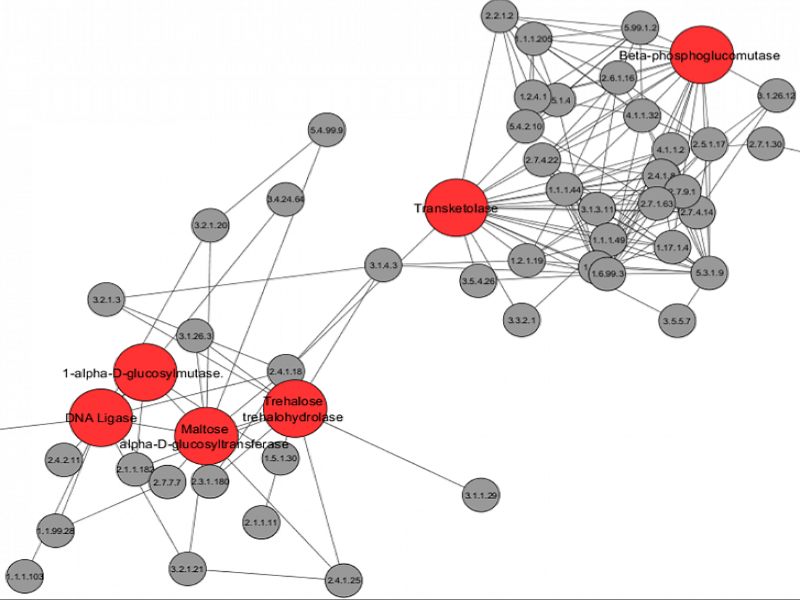
Researchers performed a combined analysis of metabolic and gene co-expression networks to explore how the soil microbiome responds to changes in moisture and nutrient conditions.
By studying discrete functional components of the soil microbiome at high resolution, researchers obtained a more complete picture of soil diversity compared to analysis of the entire soil community.
DOE researchers investigated the role of microbial genetic diversity in two major subsurface biogeochemical processes: nitrification and denitrification.
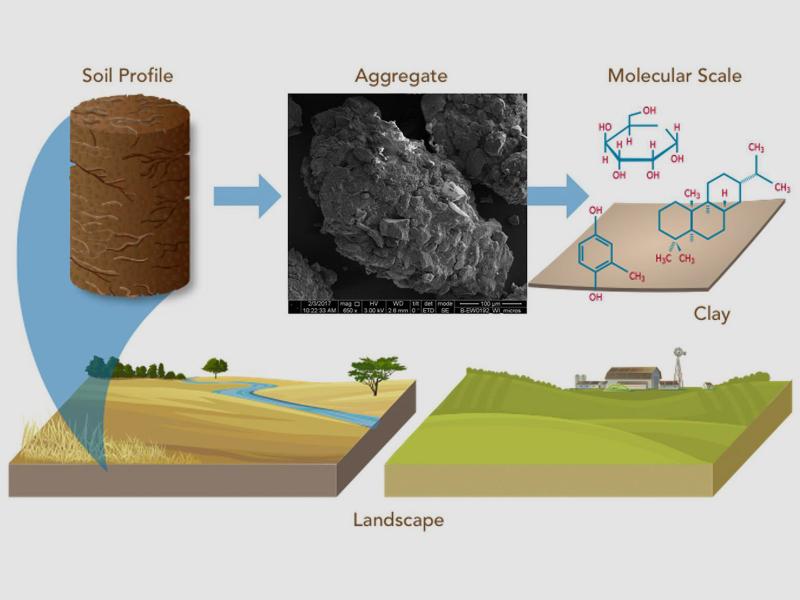
Researchers from Pacific Northwest National Laboratory reviewed the current state of knowledge about the impacts of climate change on soil microorganisms in different climate-sensitive soil ecosystems.