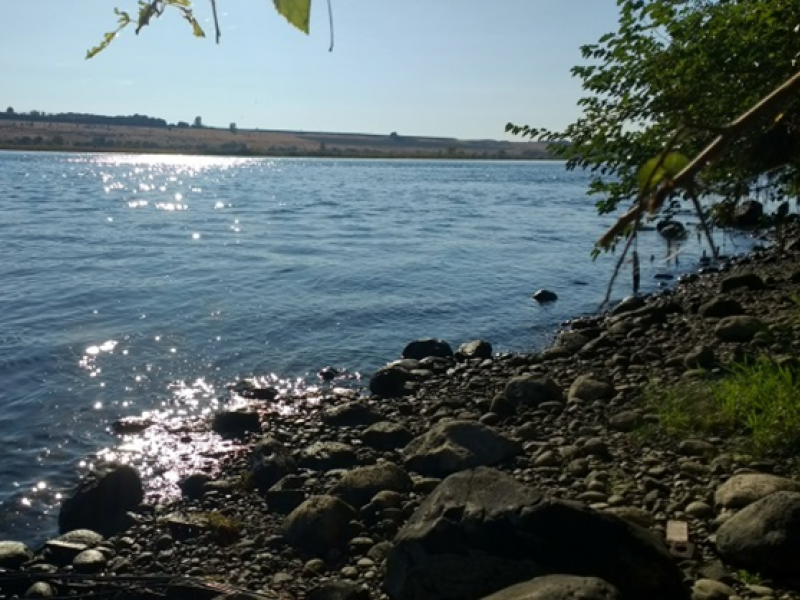
A novel ecological measurement uncovered interactions between river corridor organic matter assemblages and microbial communities, highlighting potentially important microbial taxa and molecular formula types.
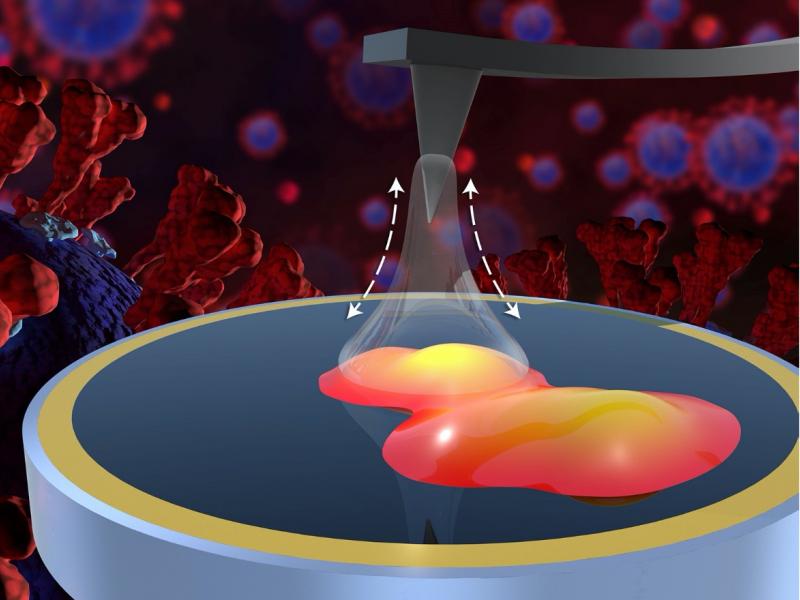
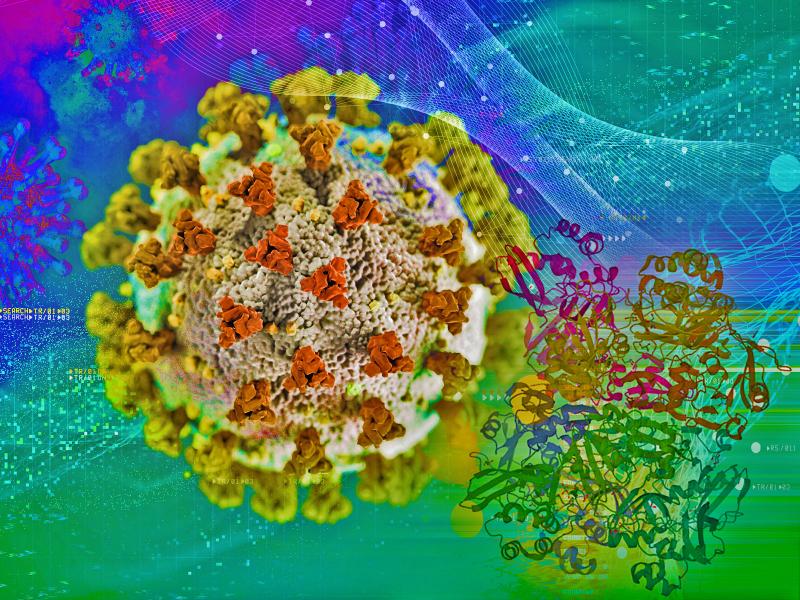
A multi-institutional team has obtained information about nanoscale interactions between the spike protein of the novel coronavirus SARS-CoV-2 and common household inorganic surfaces.
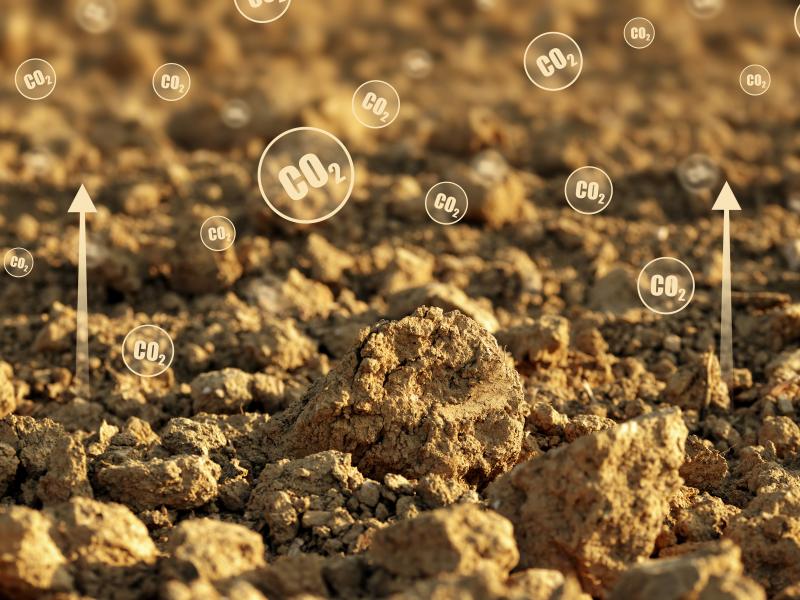
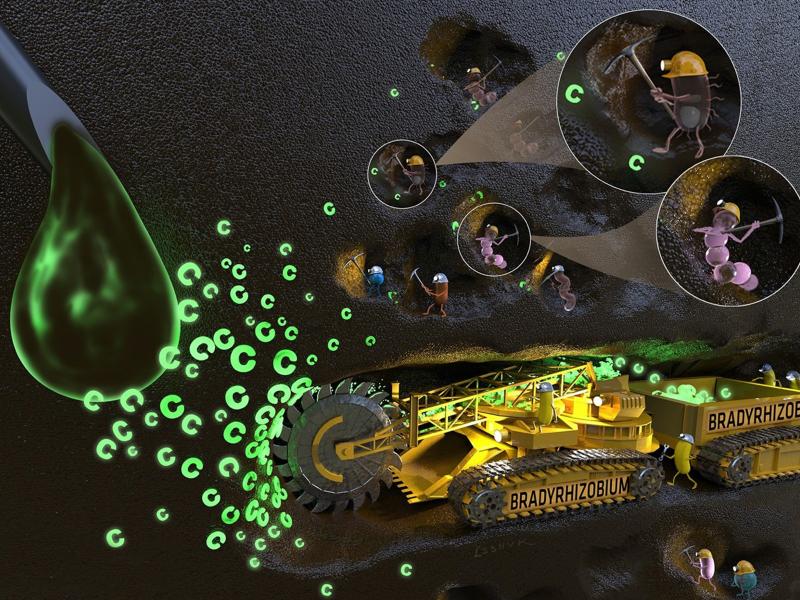
Knowing which bacteria in a community are involved with carbon cycling could help scientists predict how microbial carbon storage and release could influence future climate dynamics.
High-throughput biochemical assays targeting a vital viral protein identified one molecule out of more than 13,000 with promising antiviral activity against SARS-CoV-2.
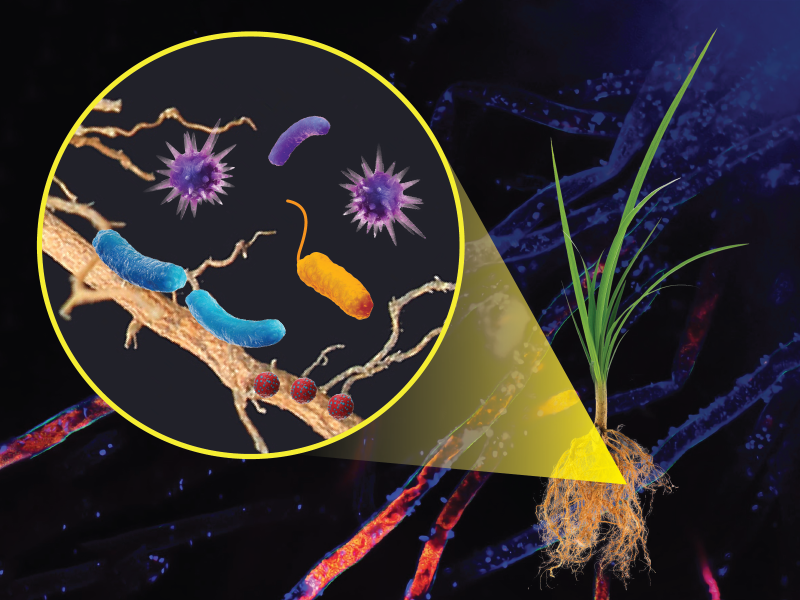
Microbiome and soil chemistry characterization at long-term bioenergy research sites challenges idea that switchgrass increases carbon accrual in surface soils of marginal lands.
Researchers performed controlled laboratory experiments using river sediment to test organic matter thermodynamics as a mechanism of metabolic control in areas where groundwater and surface water mix.
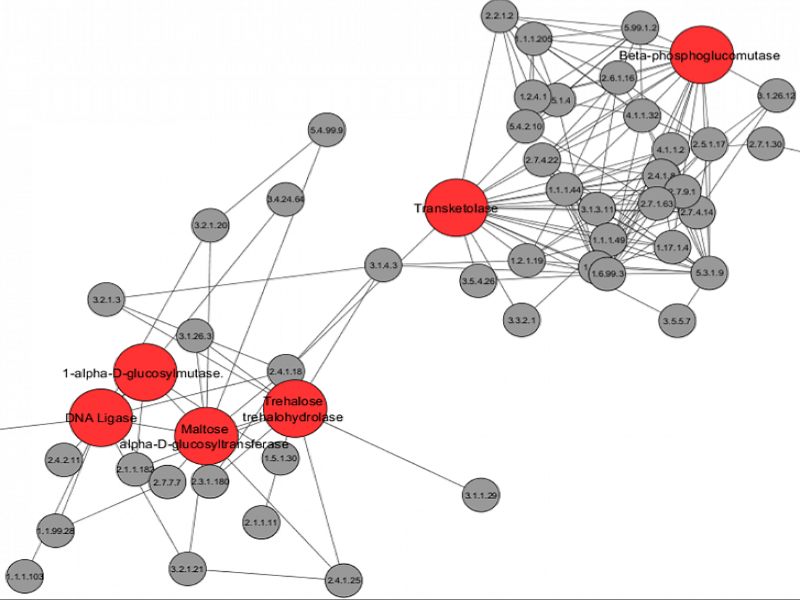
Researchers performed a combined analysis of metabolic and gene co-expression networks to explore how the soil microbiome responds to changes in moisture and nutrient conditions.