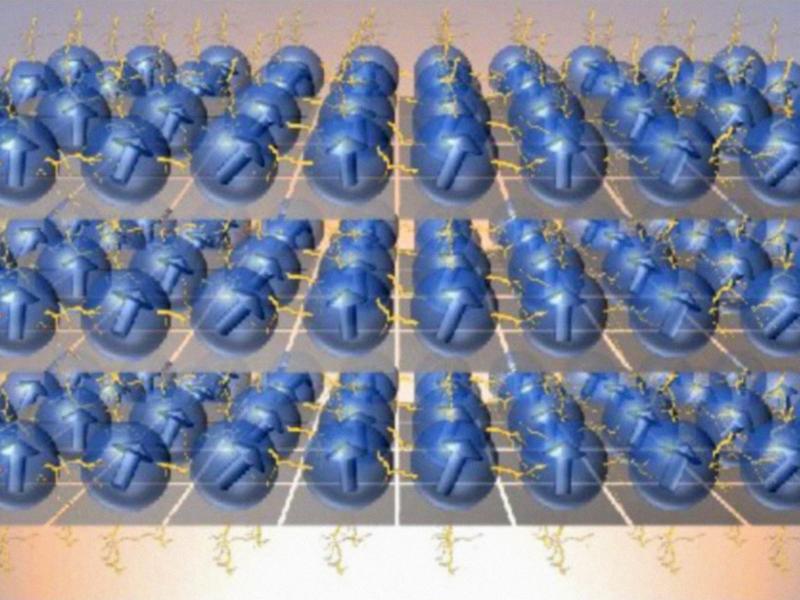
The race toward the first practical quantum computer is in full stride. Scientists at PNNL are bridging the gap between today’s fastest computers and tomorrow’s even faster quantum computers.
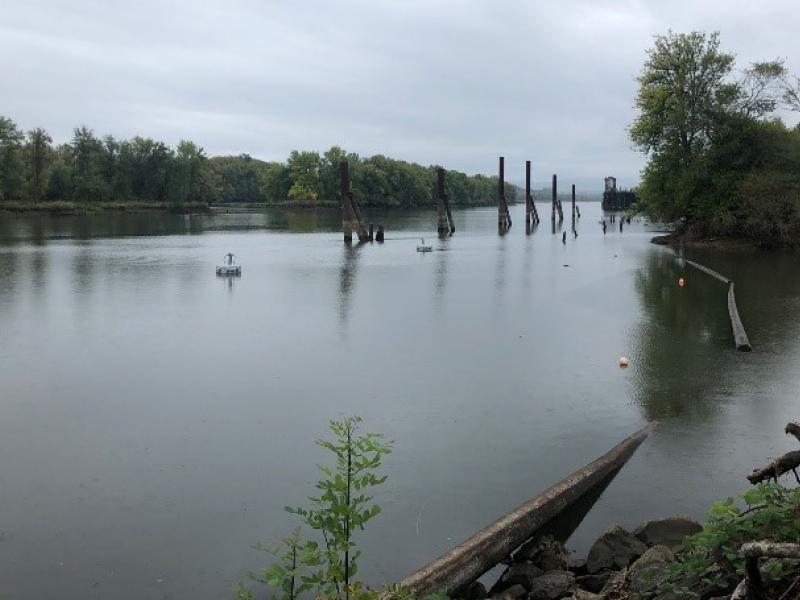
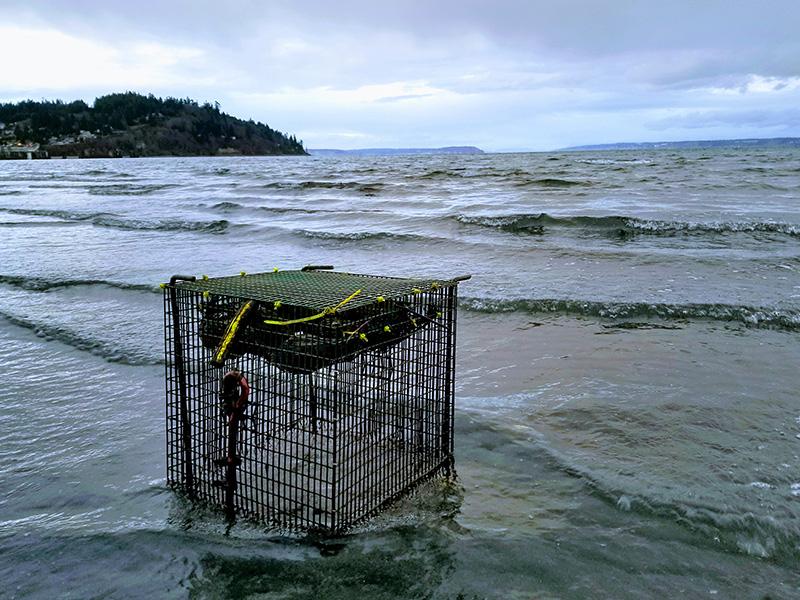
With the help of a diagnostic tool called the Salish Sea Model, researchers found that toxic contaminant hotspots in the Puget Sound are tied to localized lack of water circulation and cumulative effects from multiple sources.
The Energy Storage System Safety and Reliability Forum at PNNL brought together more than 120 energy storage experts from the U.S. Department of Energy, the national laboratories, utilities, industry and academia.
A chemical engineer by day at PNNL, Dan Howe is an ardent home brewer by night. The connection resulted in production of biocrude oil from brewery waste.
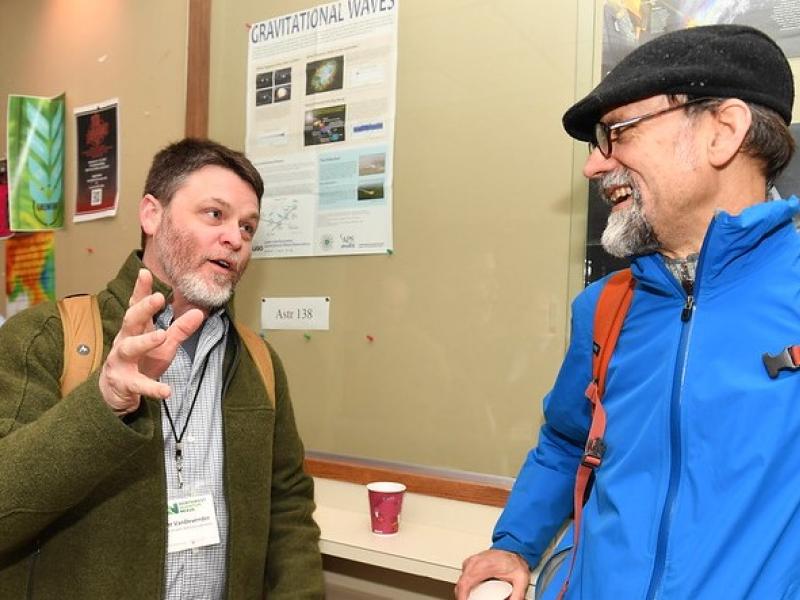
PNNL researchers and professional staff led discussions ranging from biothreats and climate change to science careers at the 2020 annual meeting of the American Association for the Advancement of Science, held this year in Seattle.
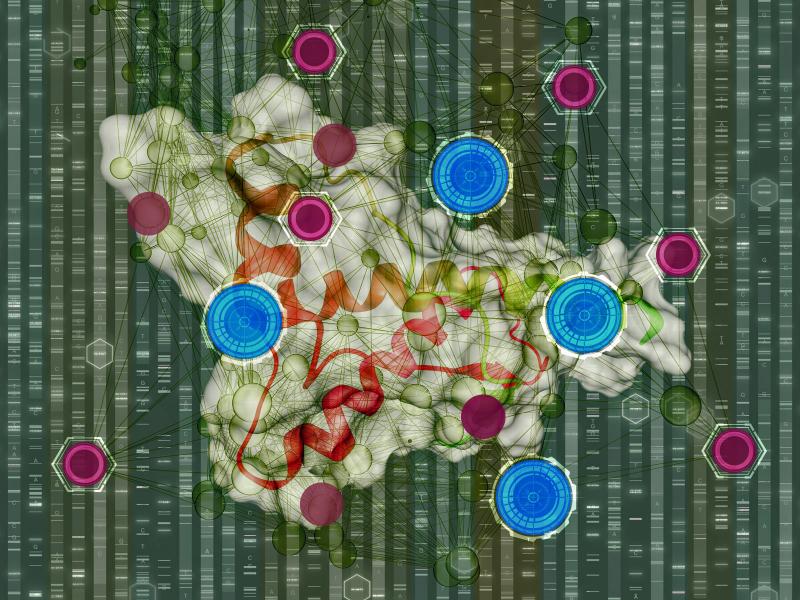
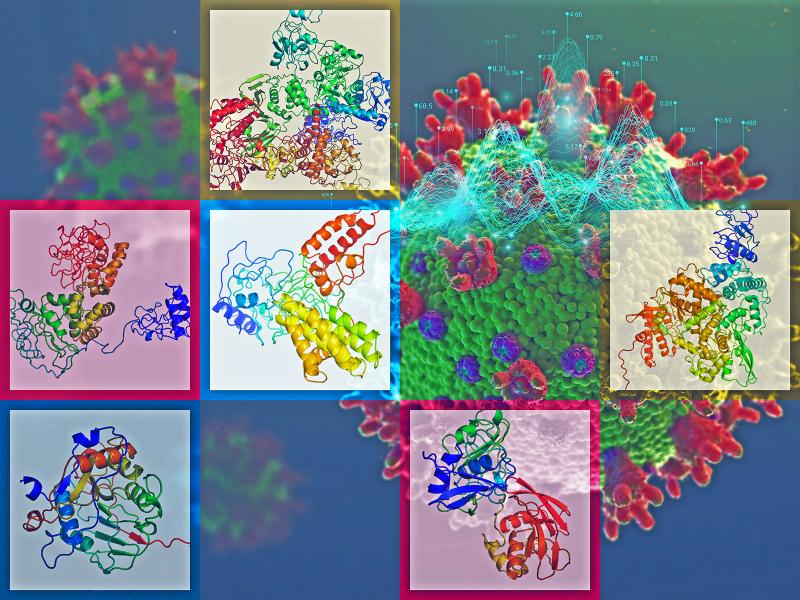
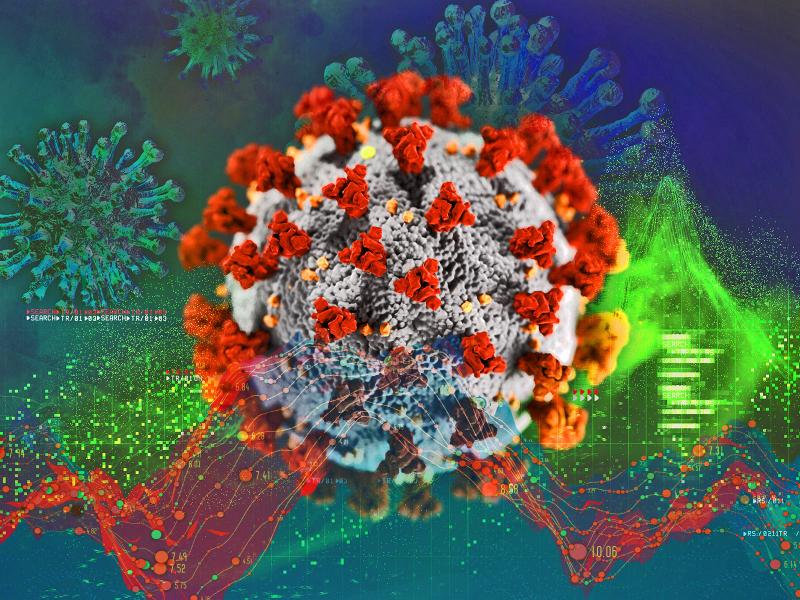
First-of-its-kind network analysis on a supercomputer can speed real-time applications for cybersecurity, transportation, and infectious disease tracking
PNNL's Sensor Fish were deployed at Ice Harbor Dam to collect data from a new turbine. The data indicates the design changes are making travel through the dam less arduous for fish.
In a special edition of the Journal of Information Warfare, Pacific Northwest National Laboratory researchers explore the revolution of technologies defending the nation’s critical infrastructure.
PNNL and the 13 other national laboratories of the Grid Modernization Laboratory Consortium (GMLC) will be sharing their R&D work and technologies for grid modernization at DistribuTECH International in San Antonio Jan. 28-30.
PNNL will provide technical support to finalists in the Incubate stage and to Grand Prize Winners following the Pitch contest stage of the Fish Protection Prize competition, which is now accepting submissions.
A new book by PNNL biochemist Erick Merkley details forensic proteomics, a technique that directly analyzes proteins in unknown samples, in pursuit of making proteomics a widespread forensic method when DNA is missing or ambiguous.
Researchers have identified two processes responsible for fracturing rock at lower pressures for geothermal energy production using PNNL’s fracturing fluid, StimuFrac™.
The world’s largest scientific society honored Sue B. Clark, a PNNL and WSU chemist, for contributions toward resolving our legacy of radioactive waste, advancing nuclear safeguards, and developing landmark nuclear research capabilities.
While it’s one small step forward for mouse research, it’s a big step forward for understanding proteins, the molecular workhorses in biological organisms.
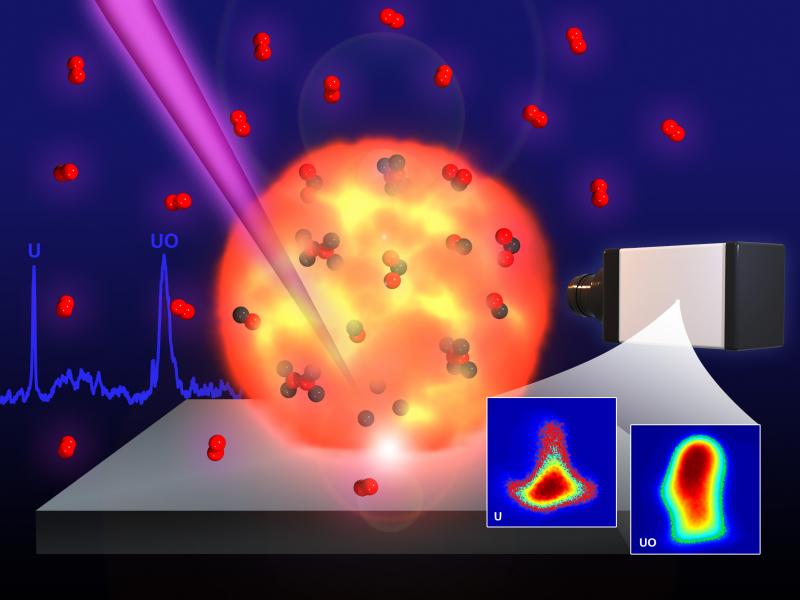
PNNL researchers demonstrated a nanoscale analysis tool to map isotopes to location in low-enriched uranium-molybdenum fuel plates for use in nuclear research reactors.
PNNL will lead three new grid modernization projects funded by the Department of Energy. The projects focus on scalability and usability, networked microgrids, and machine learning for a more resilient, flexible and secure power grid.