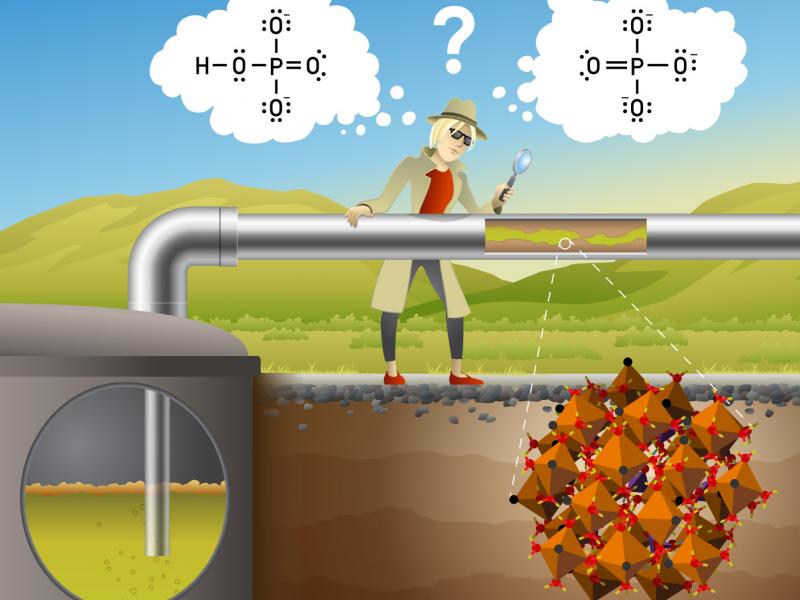
PNNL scientists have proposed an "adaptive site management" cleanup strategy for the Hanford Site's Central Plateau that incorporates a structured, flexible approach to environmental remediation.
A new perspective article discusses how integrating carbon dioxide capture and conversion in solvents can lead to cheaper and more efficient carbon management systems.
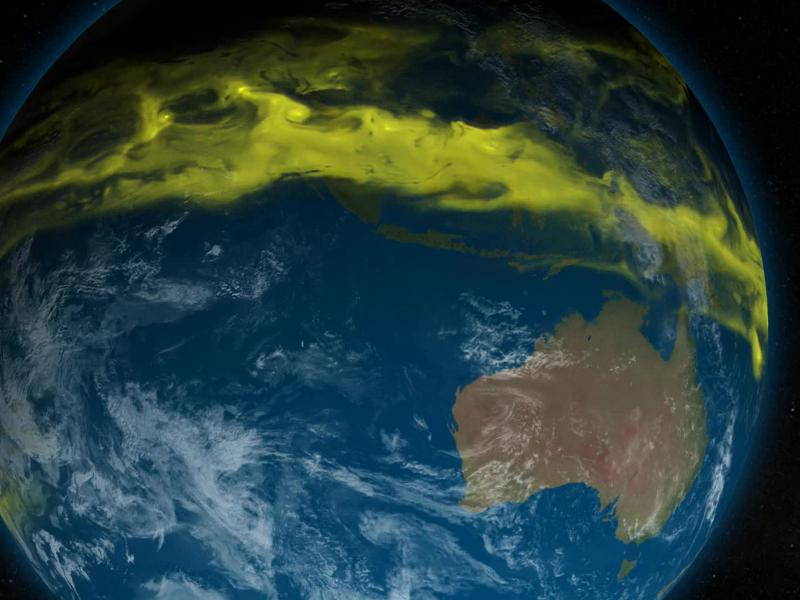
Researchers at PNNL are developing a better model of the soil, better representing the atmosphere, and identifying sources of record high rainfall within a model of the Earth system.
Scientists from PNNL and the U.S. Department of Agriculture-Forest Services’ Pacific Northwest Research Station have partnered to evaluate potential climate and wildfire adaptation scenarios and resulting benefits from restoration forestry.
PNNL contributes to 30 years of data on clouds, radiation, and other climate-making factors as part of field campaigns and analysis conducted by DOE's Atmospheric Radiation Measurement user facility.
Recognizing how innovation and clean technologies at the very edge of the grid can work together to transition the electricity system, PNNL takes a multidisciplinary approach to advancing and integrating renewable energy solutions.
From water purification, to better batteries and tools to foil a cyberattack—a look back at how PNNL helped to invent a brighter and better future over the last year.