When two powerful earthquakes rocked southern California earlier this month, officials’ attention focused, understandably, on safety. How many people were injured? Were buildings up to code? How good are we at predicting earthquakes?
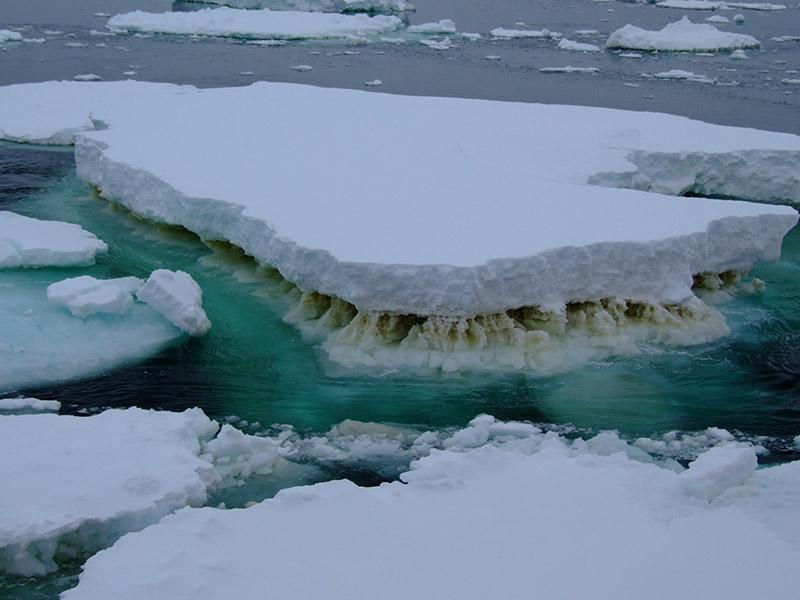
PNNL’s Janet Jansson is part of an international team of scientists warning scientists of the urgency to pay more attention to the role of microorganisms in our climate.
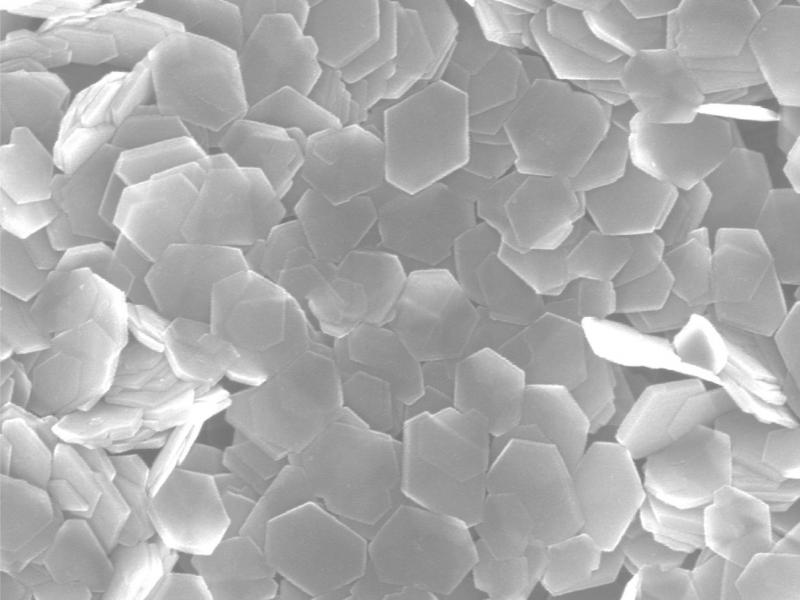
A radioactive chemical called pertechnetate is a bad actor when it’s in nuclear waste tanks. But researchers at PNNL and the University of South Florida have a new lead on how to selectively separate it from the nuclear waste for treatment.
PNNL scientist Wei-Jun Qian and colleagues have contributed to a study that offers clues for delaying or even preventing the autoimmune attack that’s at the core of type-1 diabetes.
PNNL researchers today published a pair of papers, in Cell and in Nature, exploring the effects of the gut microbiome on our health, including autism, brain function, and inflammatory bowel disease.
PNNL researchers have devised a way to measure and distinguish tiny amounts of phosphorylated proteins, an approach that could be used in research to help treat diseases such as diabetes and cancer.
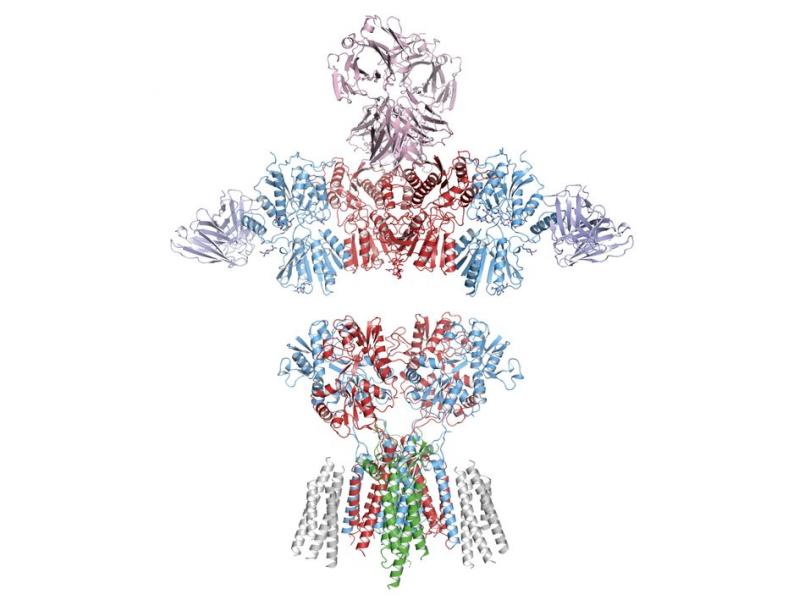
The structure of a fundamental electrical switch in the brain has been revealed, thanks to PNNL researchers working together with counterparts at Oregon Health & Science University (OHSU).
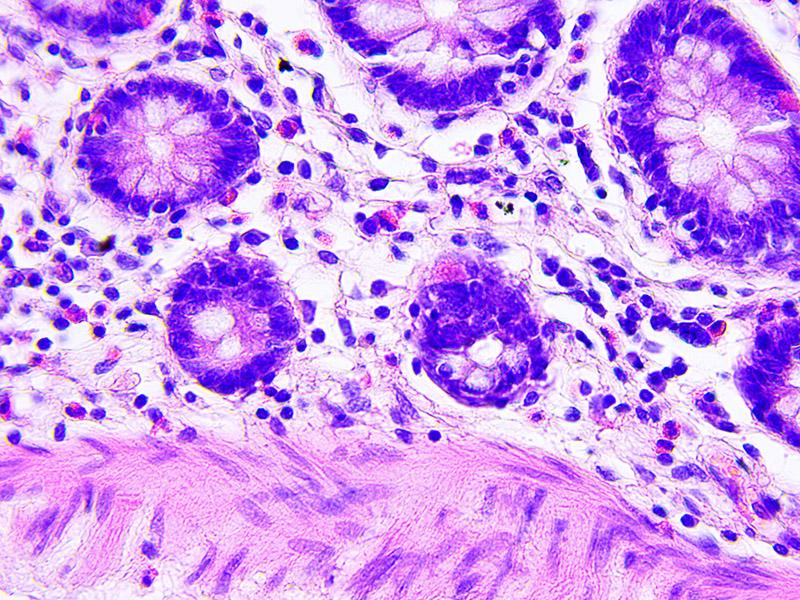
PNNL scientists have taken one of the most in-depth looks ever at the riot of protein activity that underlies colon cancer and have identified potential new molecular targets to try to stop the disease.
Frannie Smith, a chemist specializing in nuclear waste management and disposal, was recognized as a "Notable Woman in STEM" for 2019 by the nonprofit Washington STEM program.
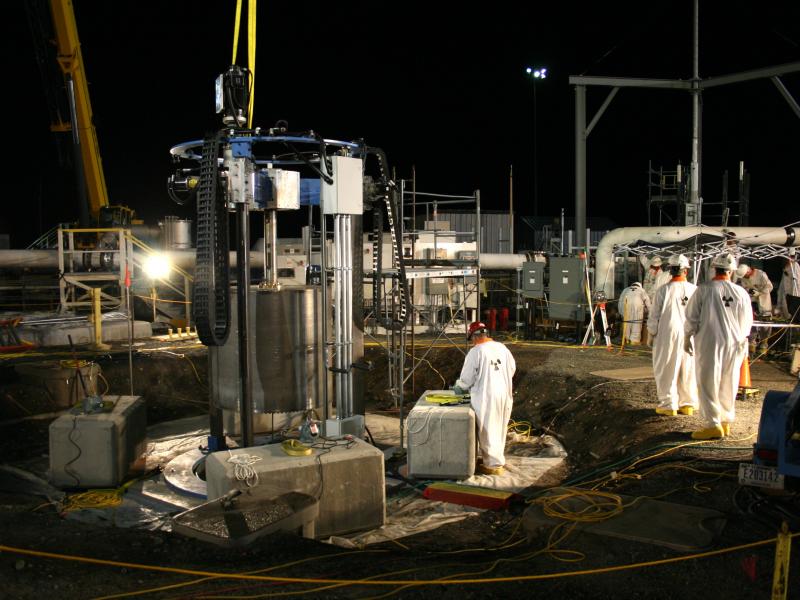
Installing new access holes (up to 6 feet in diameter) could reduce the overall time and cost to retrieve waste from Hanford's underground storage tanks, according to a structural analysis of the tank domes by PNNL and Becht Engineering.
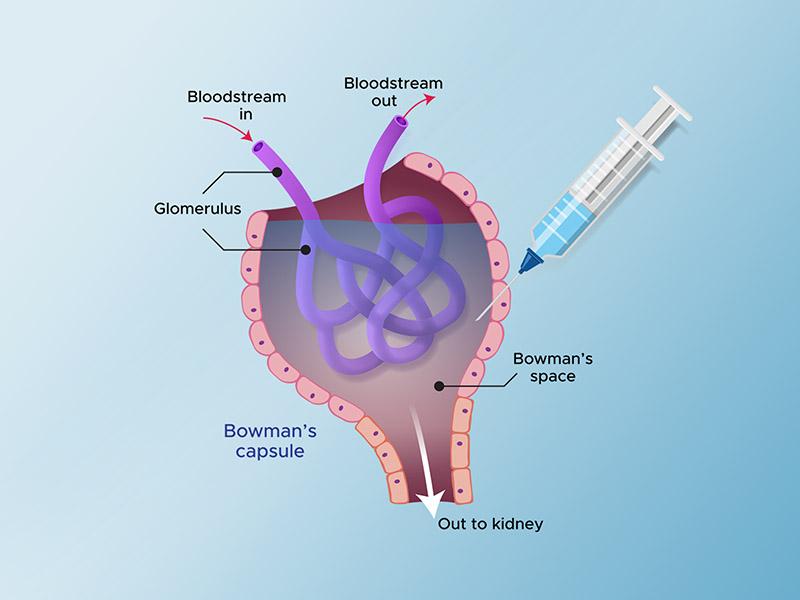
One of the most common and deadly complications from a heart attack is kidney failure. New research indicates that a specific protein in the bloodstream created after cardiac arrest may be the culprit...
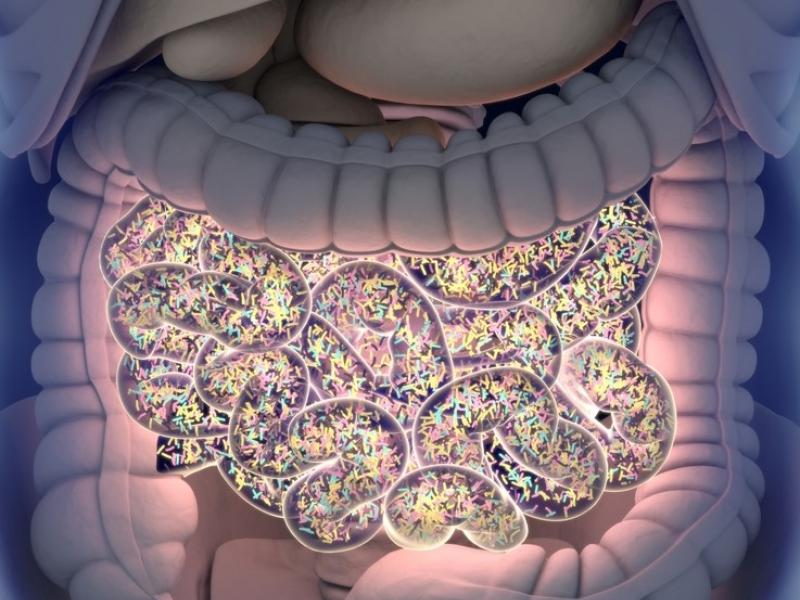
Our gut’s microbial community is not unlike a country club membership. We know who’s a member, but we may not know how each contributes to the overall function or health of the club....
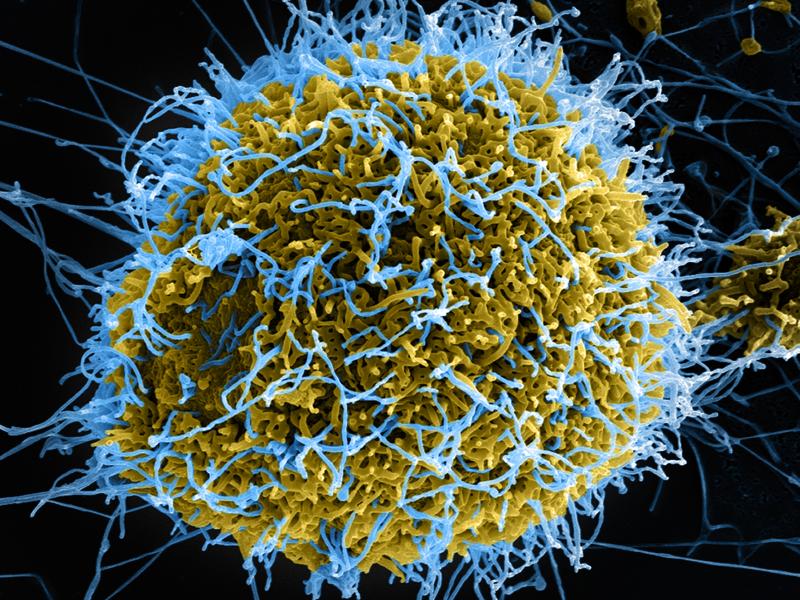
A detailed analysis of blood samples from Ebola patients in Sierra Leone is providing clues about the progression of the effects of the virus and potential treatment pathways. The findings point to a critical role for a molecular pathway.