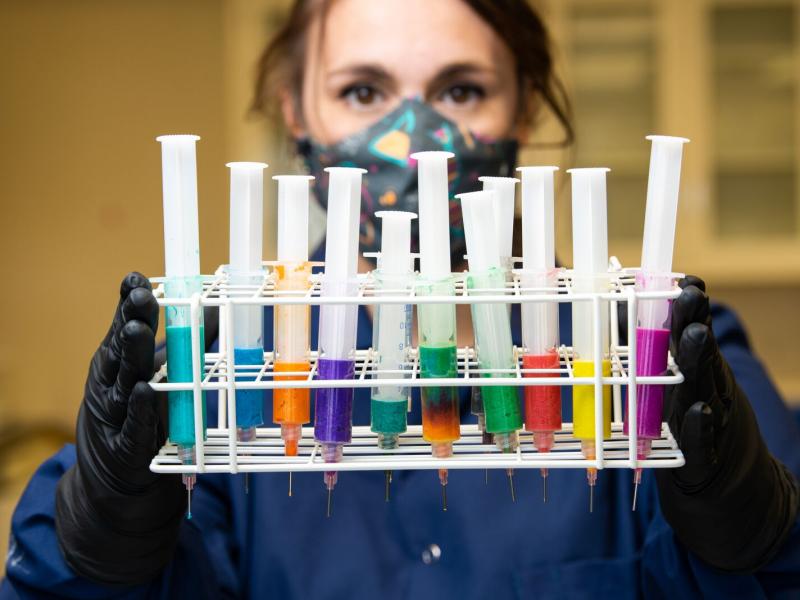
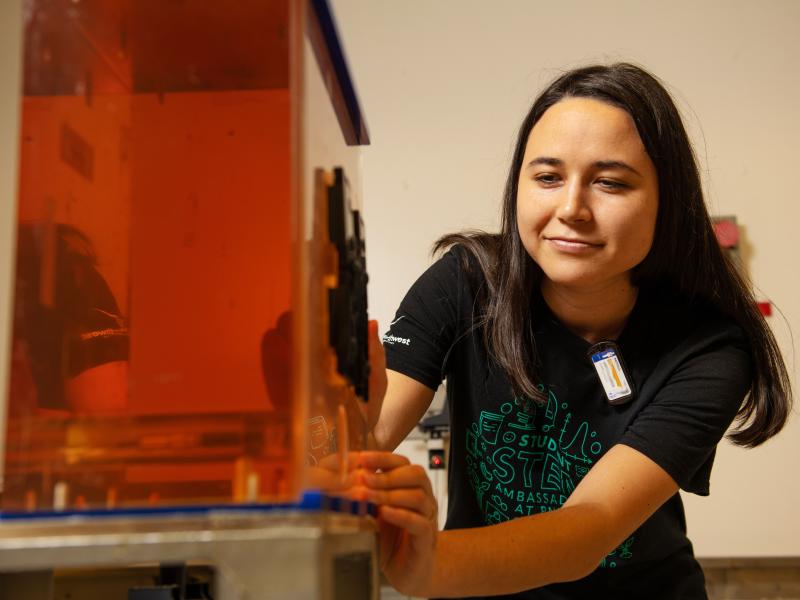
PNNL has developed seaweed-based inks and materials for 2-D and 3-D printing that can be used for a multitude of applications in the art, medical, STEM, and other fields.
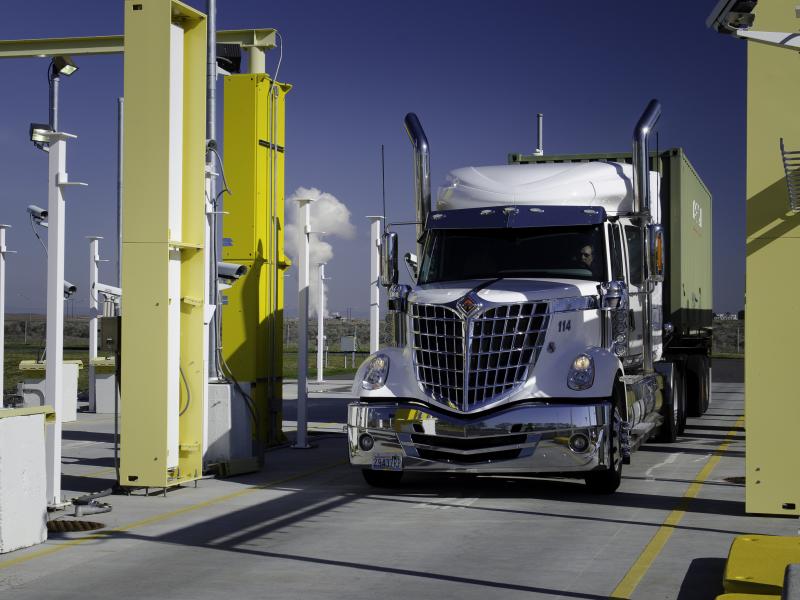
A paper by PNNL scientists on nuclear explosion monitoring technology is among top articles in nuclear instruments journal to draw most social media “buzz.”
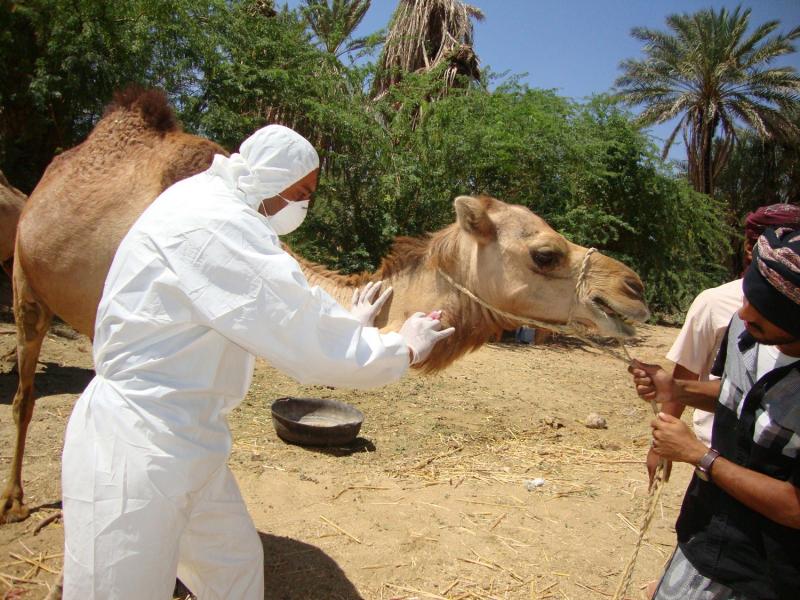
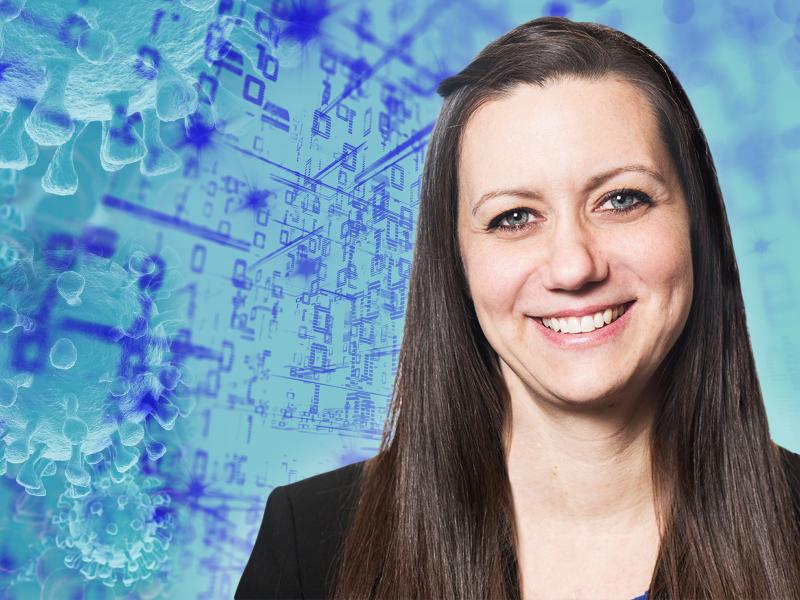
A Q&A with Lauren Charles, veterinarian and PNNL data scientist, on zoonotic diseases and the role biosurveillance plays in mitigating the growing threat to global health.
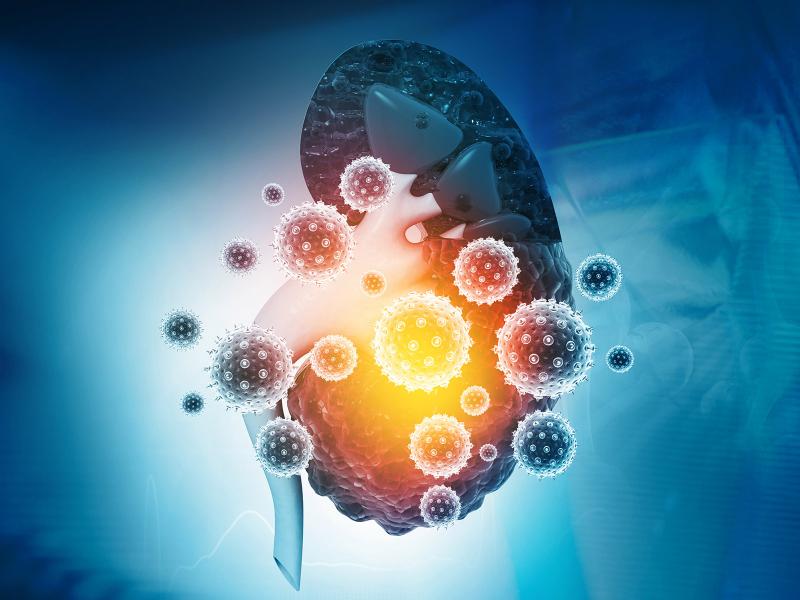
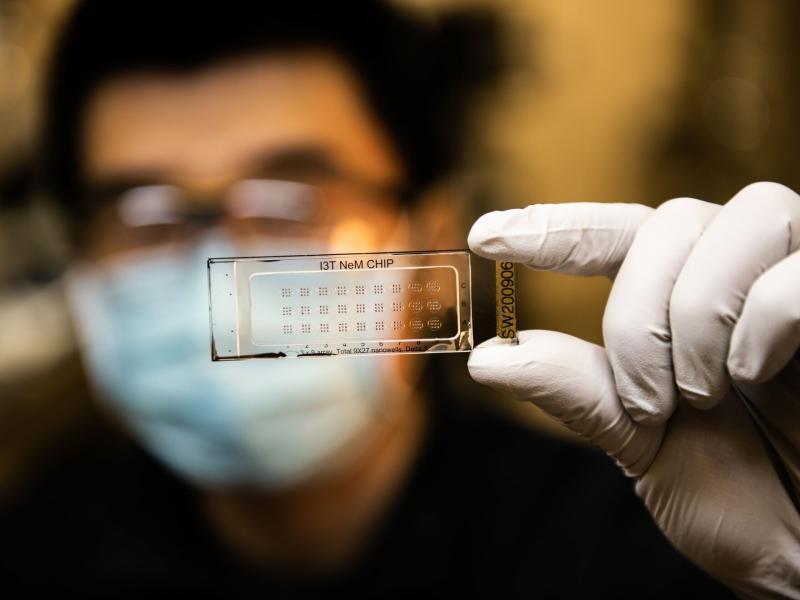
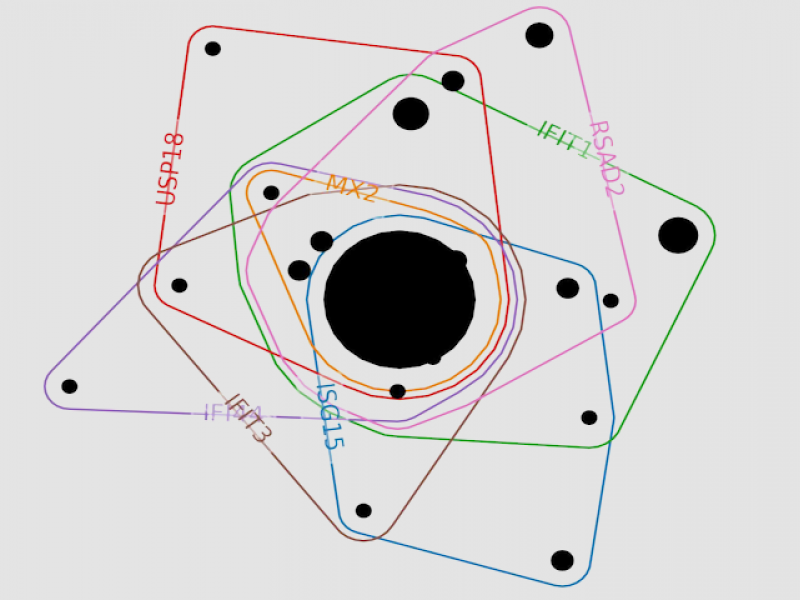
High-throughput biochemical assays targeting a vital viral protein identified one molecule out of more than 13,000 with promising antiviral activity against SARS-CoV-2.
A shoe scanner may allow people passing through security screening to keep their shoes on. PNNL built the scanner based on the same technology it used to develop airport scanners. It's licensed to Liberty Defense.
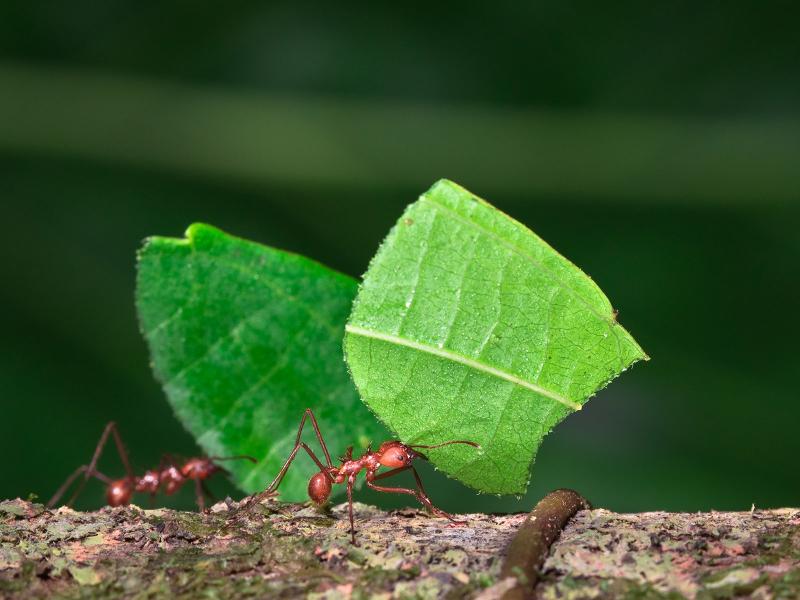
Understanding lipid composition of ant fungal gardens provides new knowledge on interkingdom communications band and also advances toward the development of microbial systems that can produce valuable compounds from plant biomass.
PNNL researchers Leo Fifield, Mike Larche, and Bishnu Bhattarai were recently elected to the board of the Institute of Electrical and Electronics Engineers Richland, Washington section.
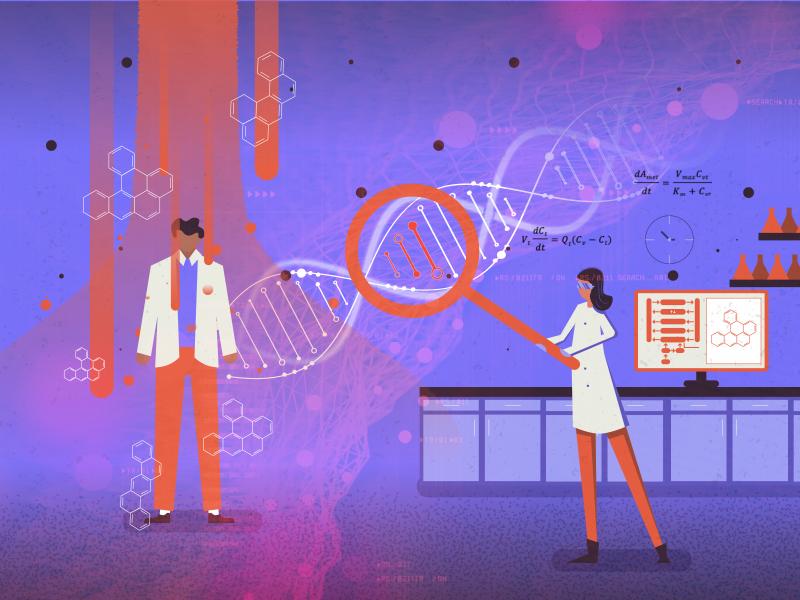
Night shift work disrupts the natural 24-hour rhythms in the activity of certain cancer-related genes, making workers more vulnerable to damage to their DNA.