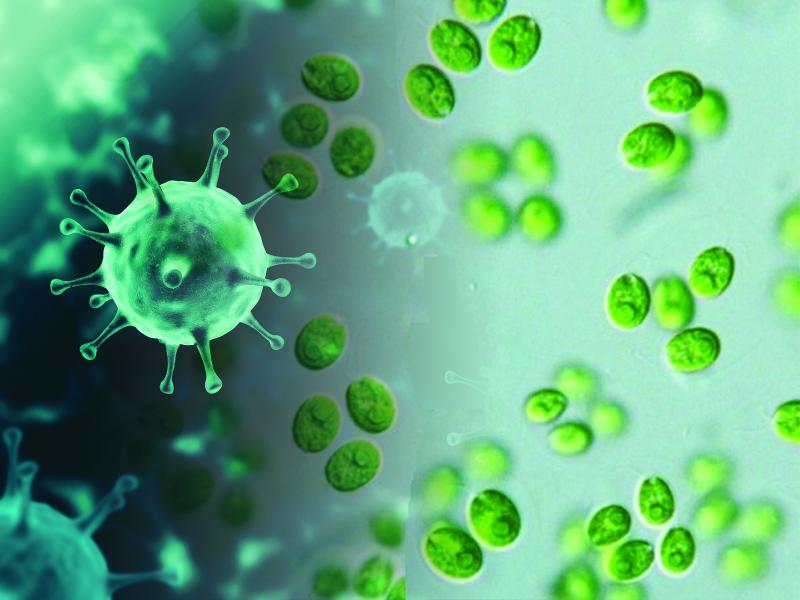
A comprehensive literature review linking algae and antivirals determines compounds in algae may demonstrate an exceptional—and as yet untapped—potential to combat viral diseases at every point along the viral infection pathway.
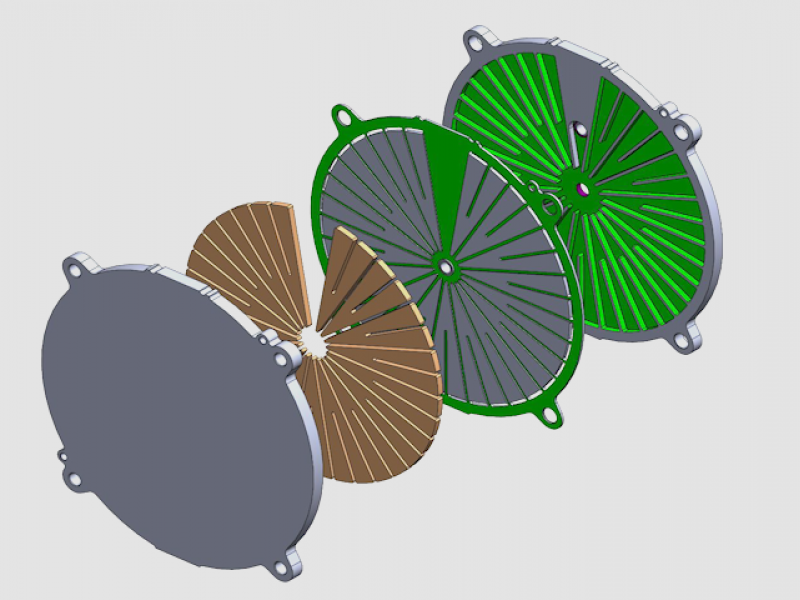
PNNL paper in Nuclear Technology journal unveils modeling possibilities for TRISO used fuel, implications for reactor planning, and resulting carbon-free nuclear energy.
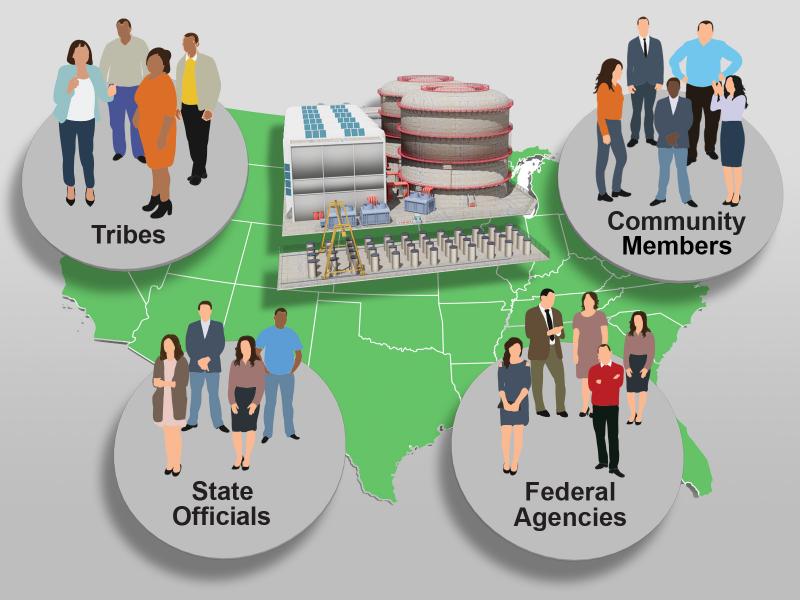
2021 marks the largest cohort of PNNL authors and co-authors to be recognized at annual Waste Management Symposia for environmental management research.
A new report led by PNNL identifies the top 13 most promising waste- and biomass-derived diesel blendstocks for reducing greenhouse gas emissions, other pollutants, and overall system costs.
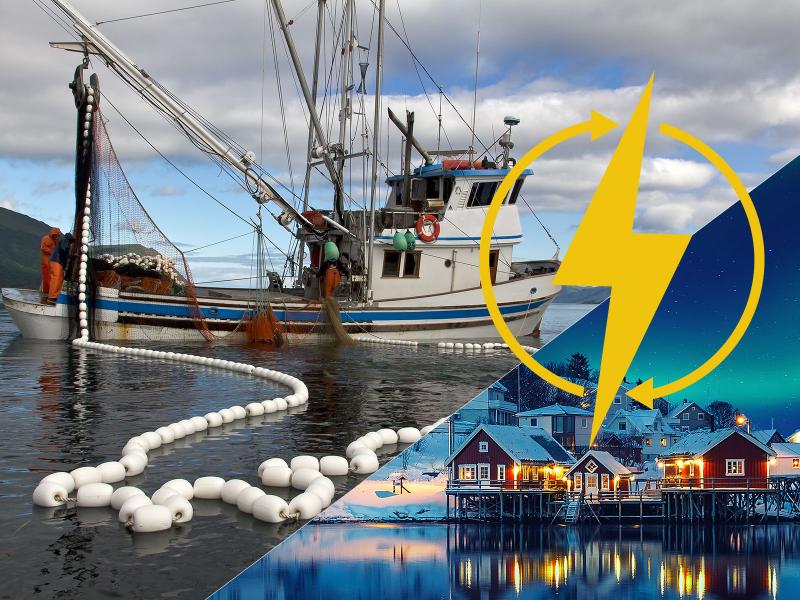
Using existing fish processing plants, kelp and fish waste can be converted to a diesel-like fuel to power generators or fishing boats in remote, coastal Alaska.
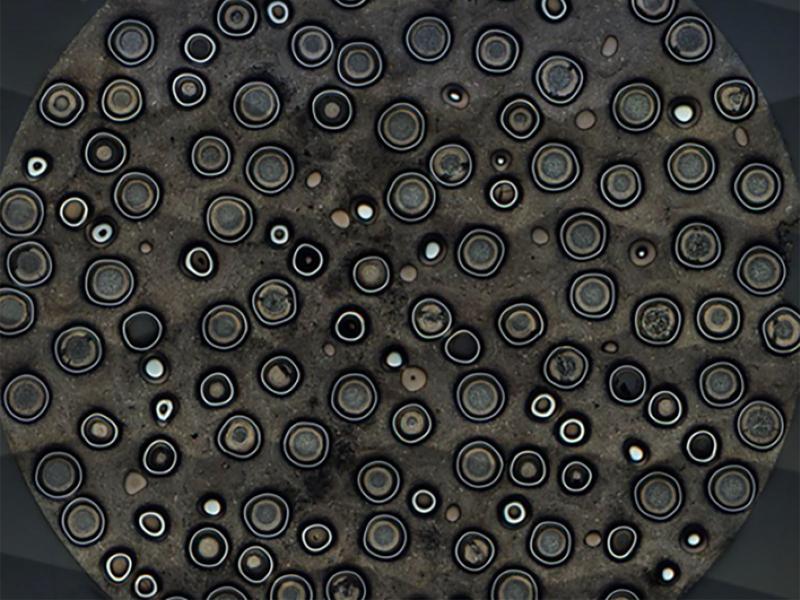
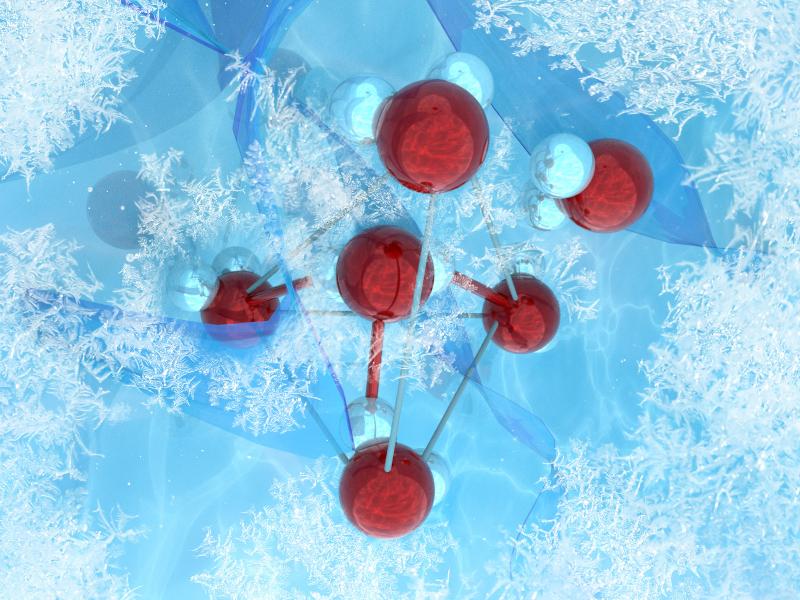
New study elucidates the complex relaxation kinetics of supercooled water using a pulsed laser heating technique at previously inaccessible temperatures.
PNNL bioenergy expert Justin Billing has contributed expertise to a newer standard designed to ensure the safety, performance, and sustainability of prefabricated fecal sludge treatment units.
Sagadevan Mundree, director of the Queensland University of Technology Centre for Agriculture and the Bioeconomy, is joining PNNL as a joint appointee.
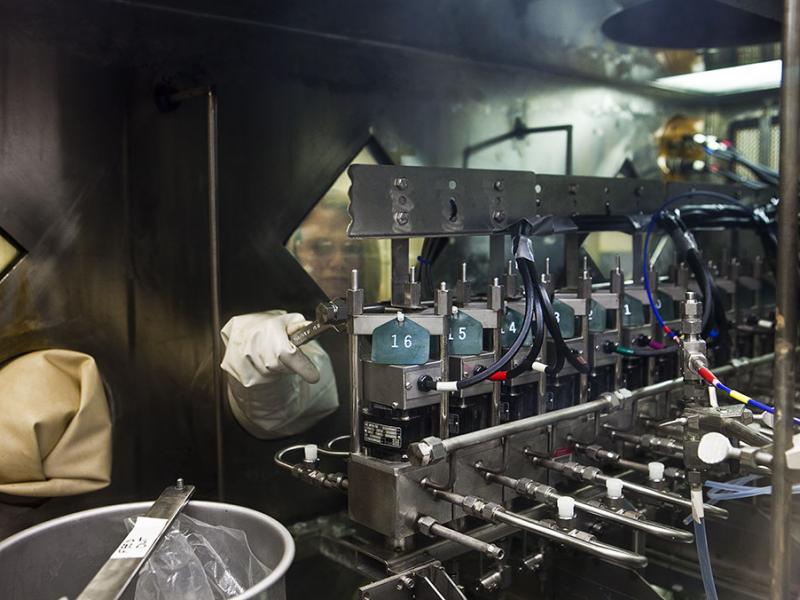
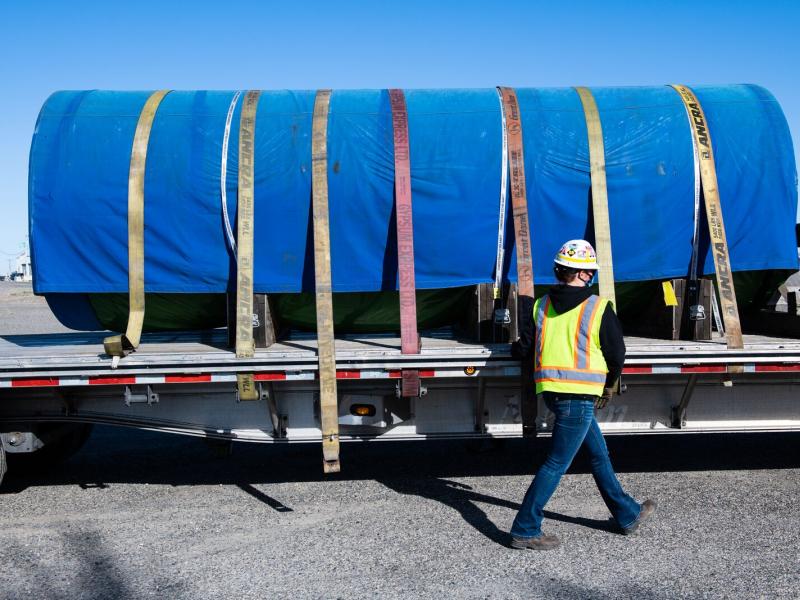
Three unused, 48,000-pound stainless steel canisters arrived at PNNL, bringing the chance to deepen research in spent nuclear fuel storage and transportation.
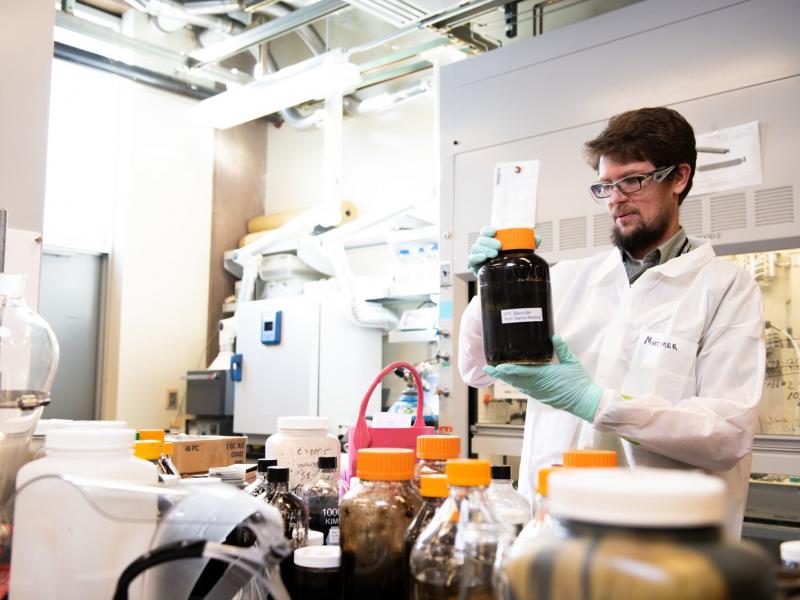
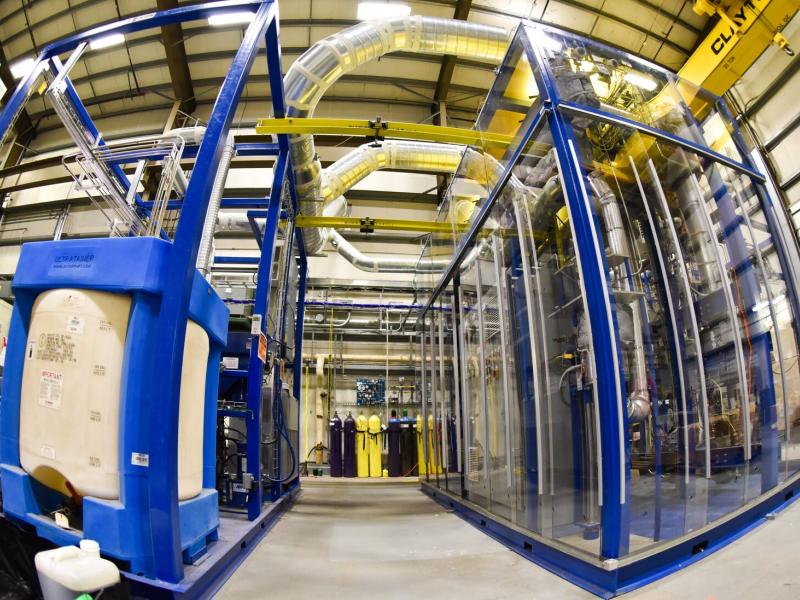
A demonstration converting biocrude to renewable diesel fuel has passed a significant test, operating for more than 2,000 hours continuously without losing effectiveness.