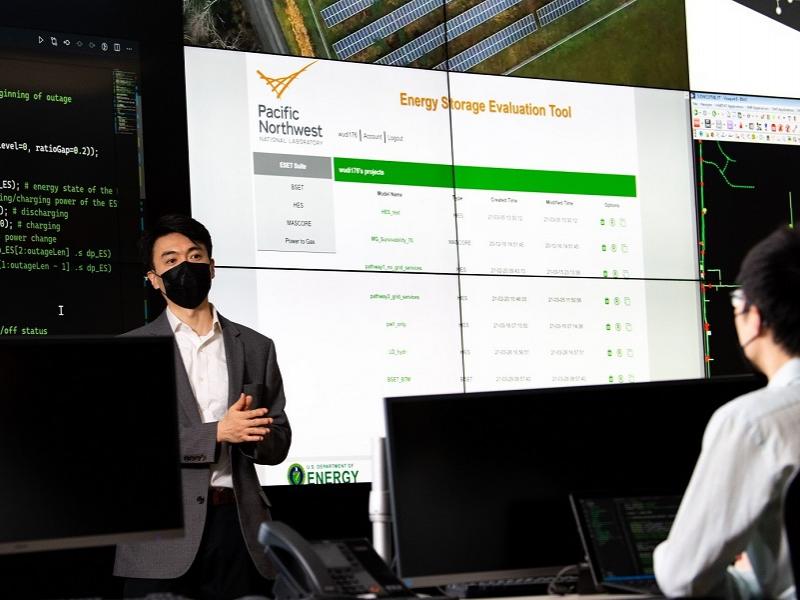
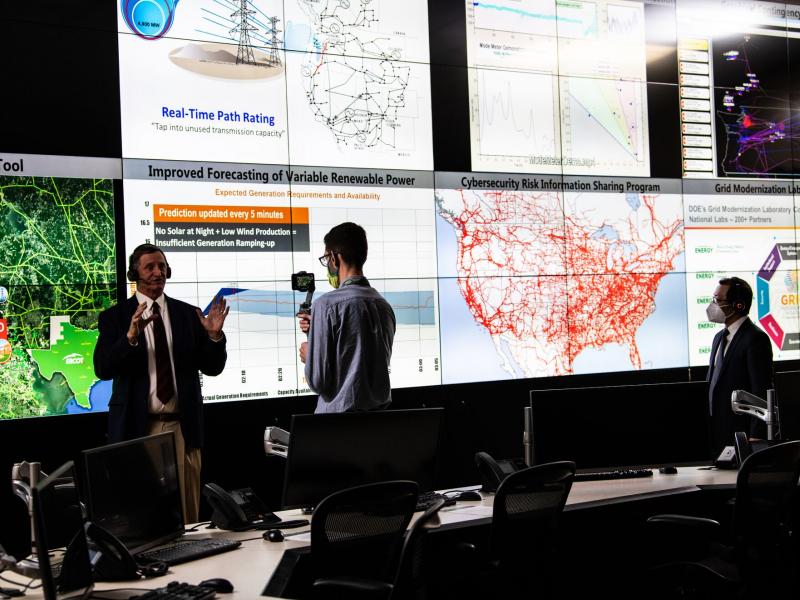
PNNL’s new Hydrogen Energy Storage Evaluation Tool allows users to examine multiple energy delivery pathways and grid applications to maximize benefits.
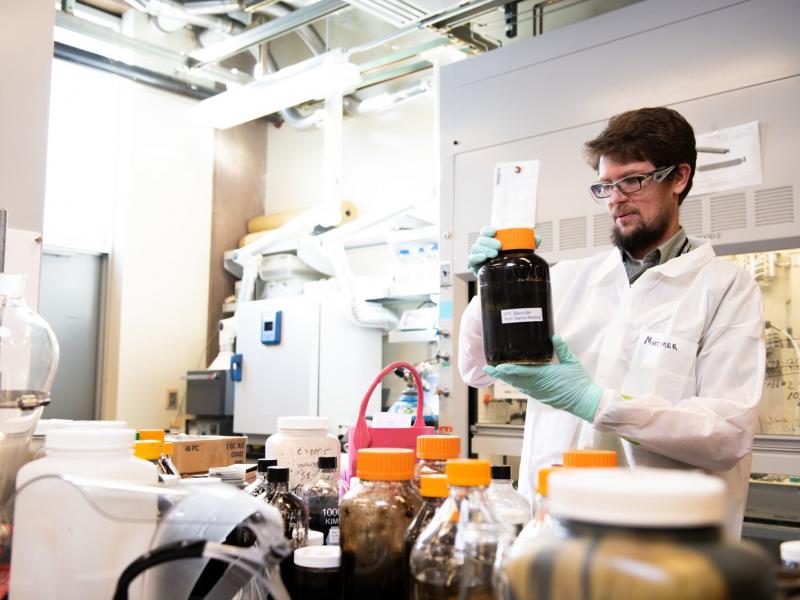
PNNL bioenergy expert Justin Billing has contributed expertise to a newer standard designed to ensure the safety, performance, and sustainability of prefabricated fecal sludge treatment units.
Sagadevan Mundree, director of the Queensland University of Technology Centre for Agriculture and the Bioeconomy, is joining PNNL as a joint appointee.
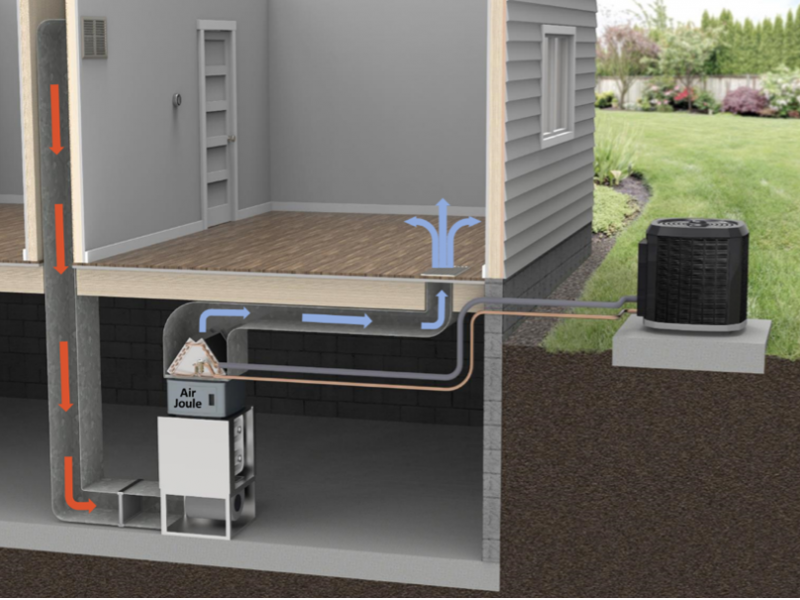
PNNL’s energy-efficient dehumidifier may reduce energy consumption by up to 50% in residential A/C systems and increase the range of electric vehicles by up to 75%. The system has been licensed to Montana Technologies.
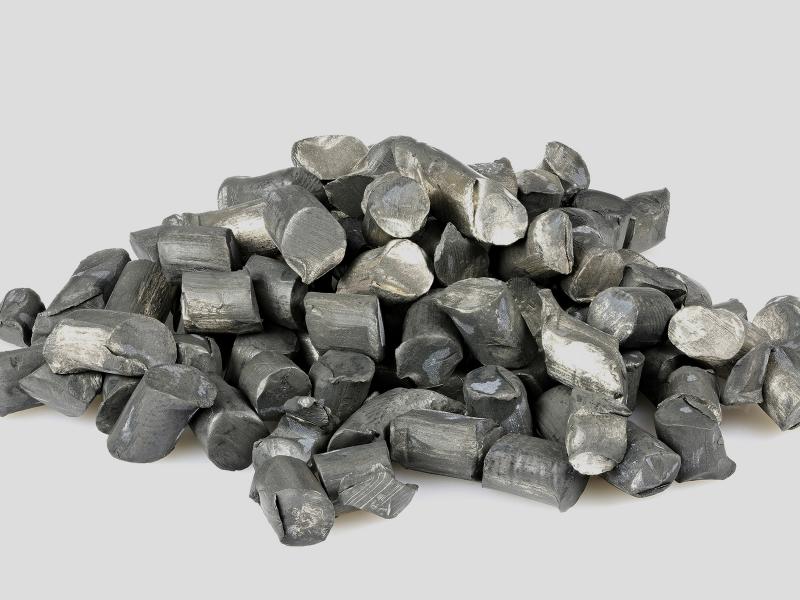
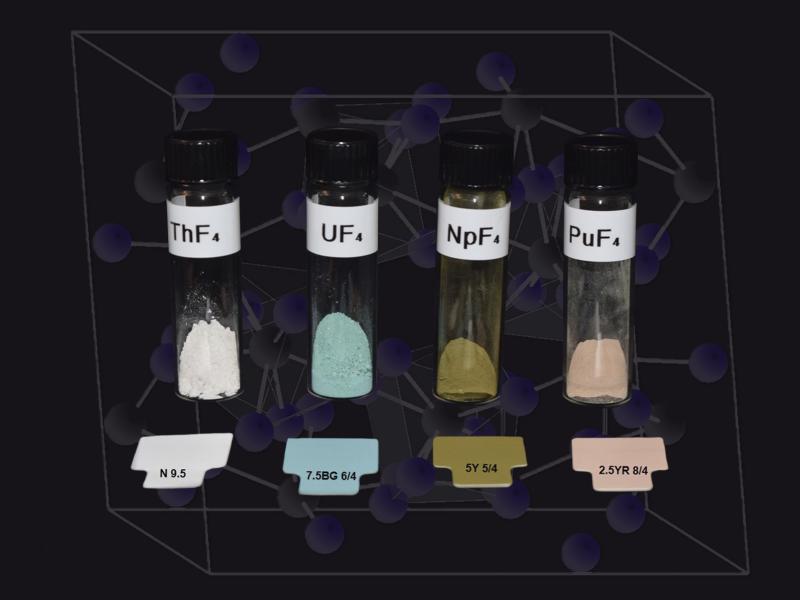
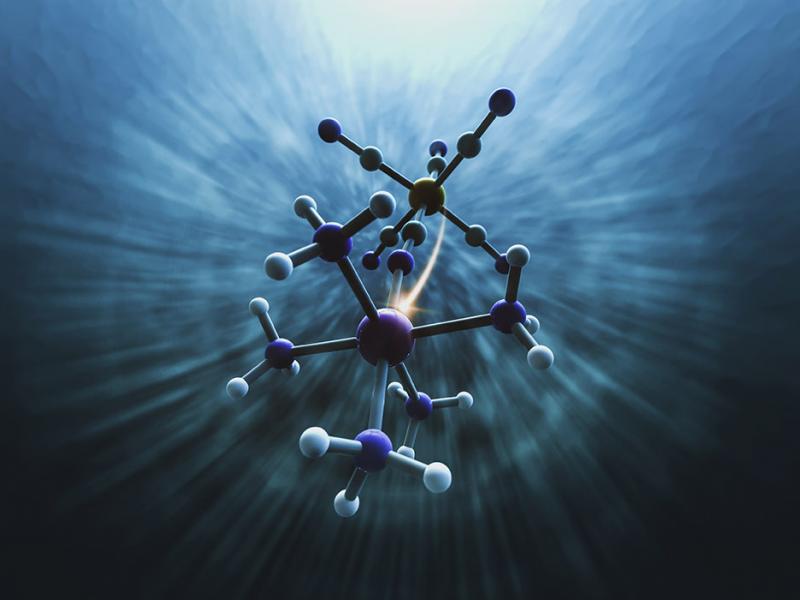
Spectroscopic experiments reveal significant variations in the electronic structures of actinide tetrafluorides despite their nearly identical crystal structures.
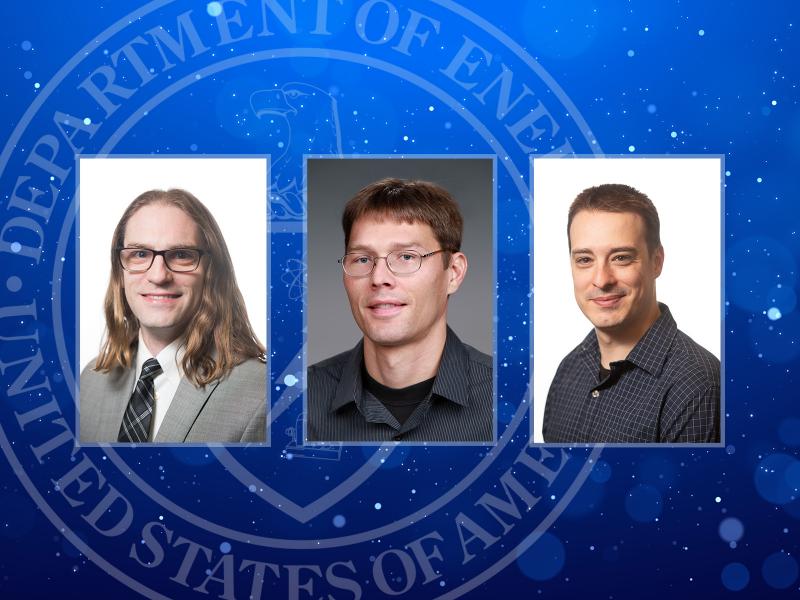
The DOE Early Career Research Program supports exceptional researchers during the crucial early years of their careers and helps advance scientific discovery in fundamental sciences
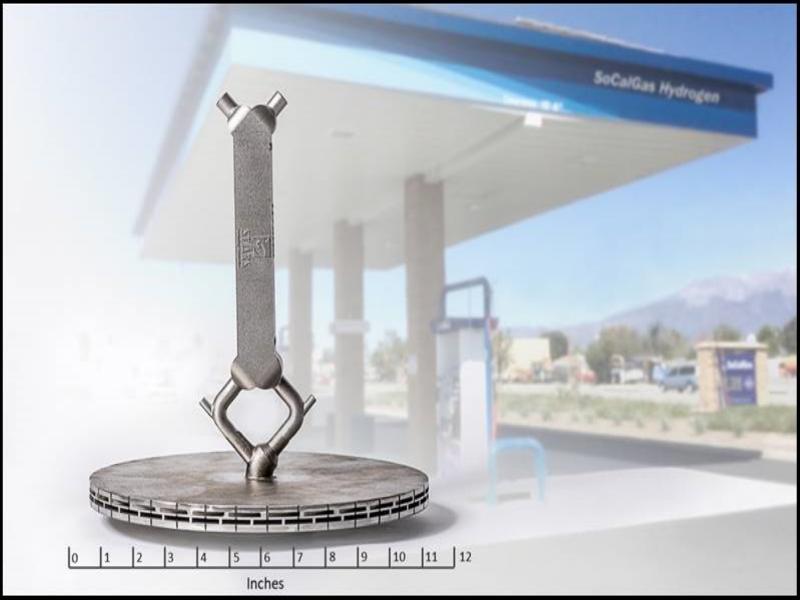
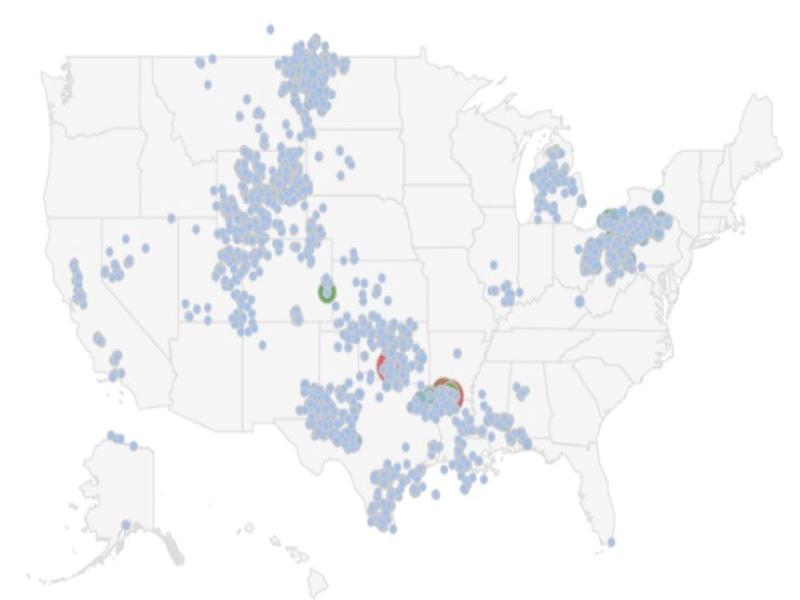
PNNL licensed two technologies to generate hydrogen. One, a reactor design, generates hydrogen from natural gas. The second innovation uses a 3D printing method to economically manufacture the generator.
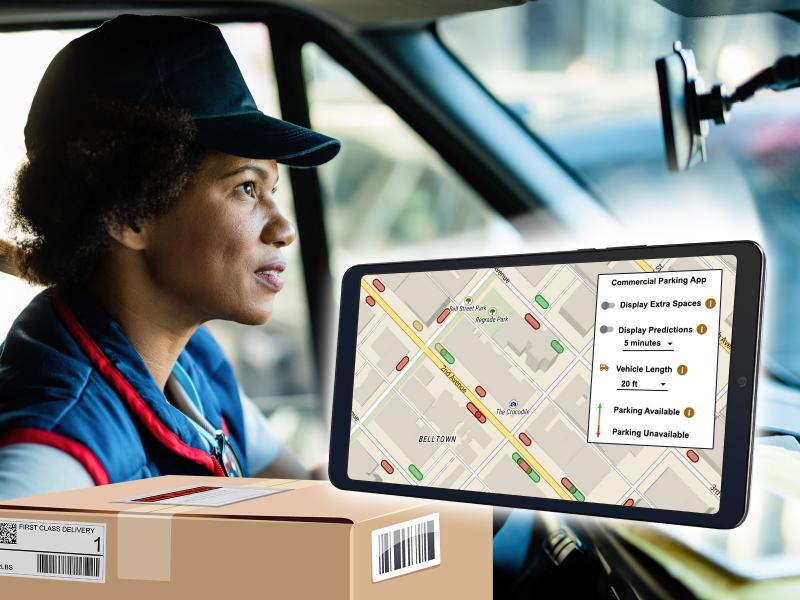
A webapp developed by PNNL in collaboration with the University of Washington to help drive efficiencies for urban delivery drivers is now in the prototype stage and ready for testing.
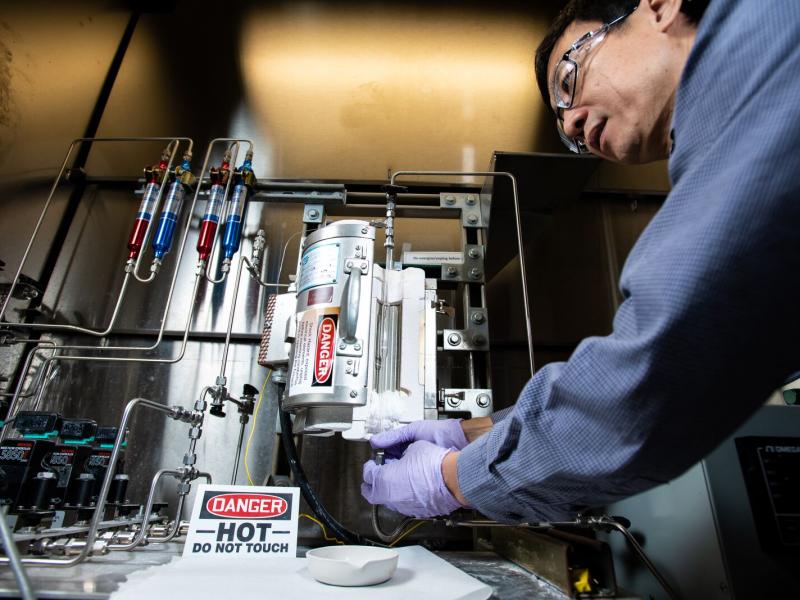
A collaboration among PNNL, Washington State University, and Tsinghua University has led to the discovery of a mechanism behind the decline in performance of an advanced copper-based catalyst.
Johnson is among the PNNL scientists preparing to move into the Energy Sciences Center, the new $90 million, 140,000-square-foot facility that is expected to open in late 2021.
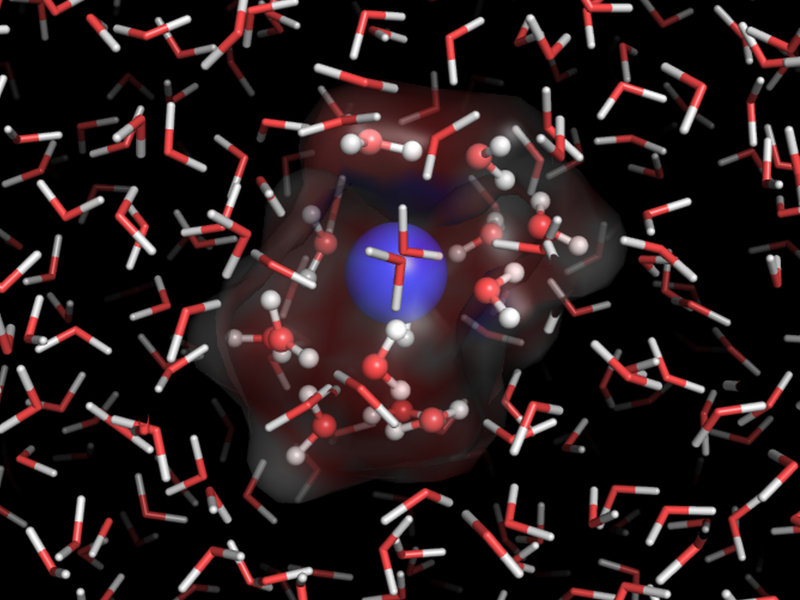
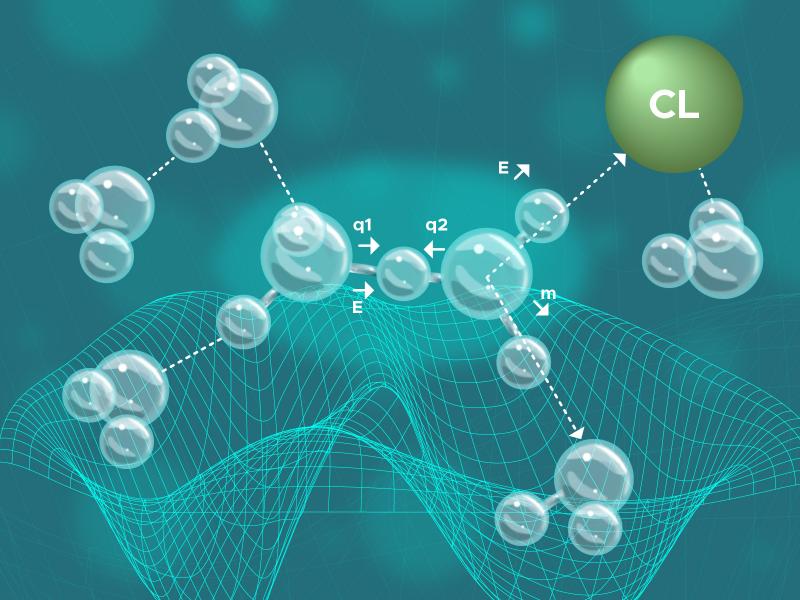
By combining state-of-the-art computational and experimental approaches, researchers have begun to resolve the effects of solvent molecules on electron transfer.