Sam Rosenberg, a data research scientist in the Energy and Environment Directorate at PNNL, has been appointed voting member of the Regional Technical Forum for the Northwest Power Conservation Council.
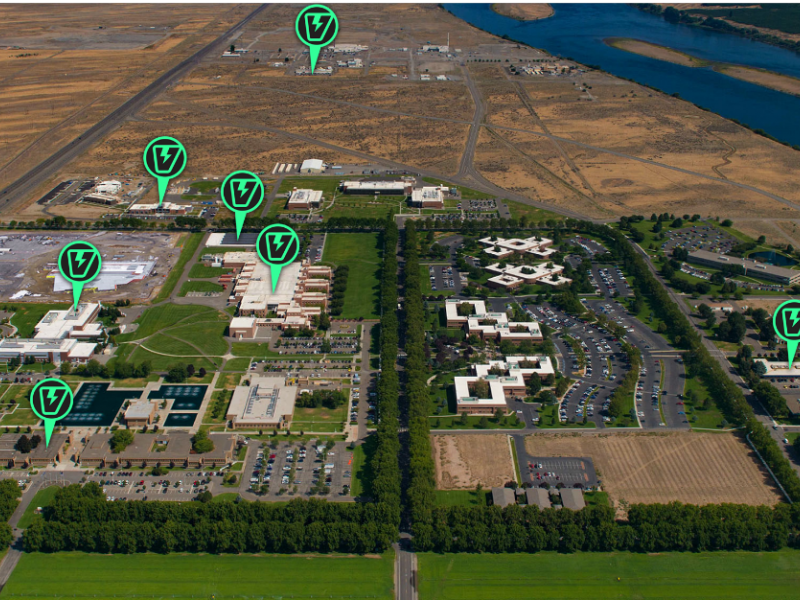
PNNL researchers develop software that uses geographical data to build a free, open-source grid reference system to provide a precise system to locate structures.
PNNL is highlighting scientific and technical experts in the national security domain who were recently promoted to scientist and engineer Level 5, one of PNNL’s most senior research roles.
Royer’s research has focused on ensuring that energy efficient lighting technologies, like LEDs, offer quality light so they reach their potential for energy savings.
PNNL will play a key role in advancing Connected Communities made up of efficient homes and buildings that communicate with the grid to produce energy and environmental benefits.
Researchers at PNNL examined heat pump water heater (HPWH) operation in Pacific Northwest residences, gaining insights into HPWH electricity use patterns. Part of the study captured trends during a COVID-19 stay-at-home order.
A team of PNNL researchers are looking at how to evaluate robustness and accountability, fairness, and transparency of artificial intelligence models used to detect and quantify deceptive content online.
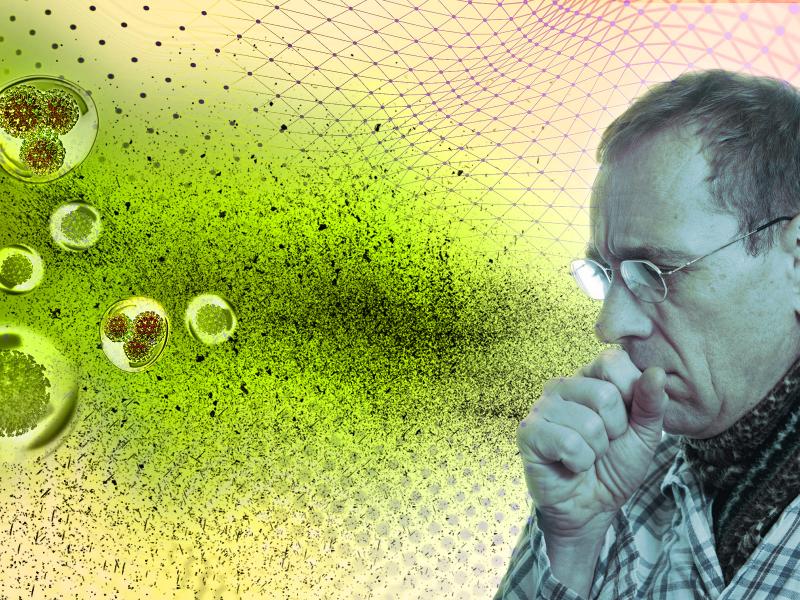
A Q&A with Lauren Charles, veterinarian and PNNL data scientist, on zoonotic diseases and the role biosurveillance plays in mitigating the growing threat to global health.
More than 30 PNNL interns contributed to the Airport Risk Assessment Model, a web-based tool that helps airport security stakeholders prioritize resource allocations.
The Washington State Academy of Sciences consists of more than 300 elected members who are nationally recognized for their scientific and technical expertise.
Machine learning techniques are accelerating the development of stronger alloys for power plants, which will yield efficiency, cost, and decarbonization benefits.
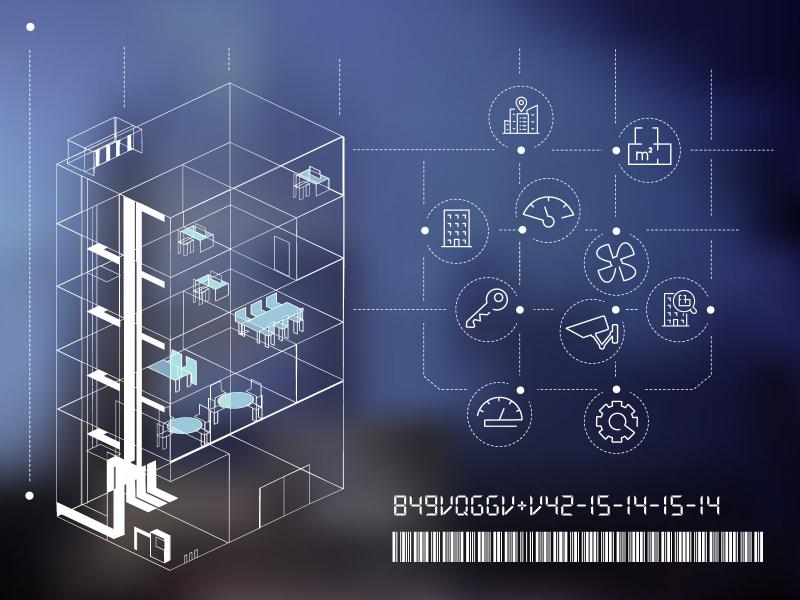
The first customized resource of its kind, H-BEST analyzes the indoor environmental quality profile for buildings and helps its users identify the costs and benefits of improvements.