Recognizing how innovation and clean technologies at the very edge of the grid can work together to transition the electricity system, PNNL takes a multidisciplinary approach to advancing and integrating renewable energy solutions.
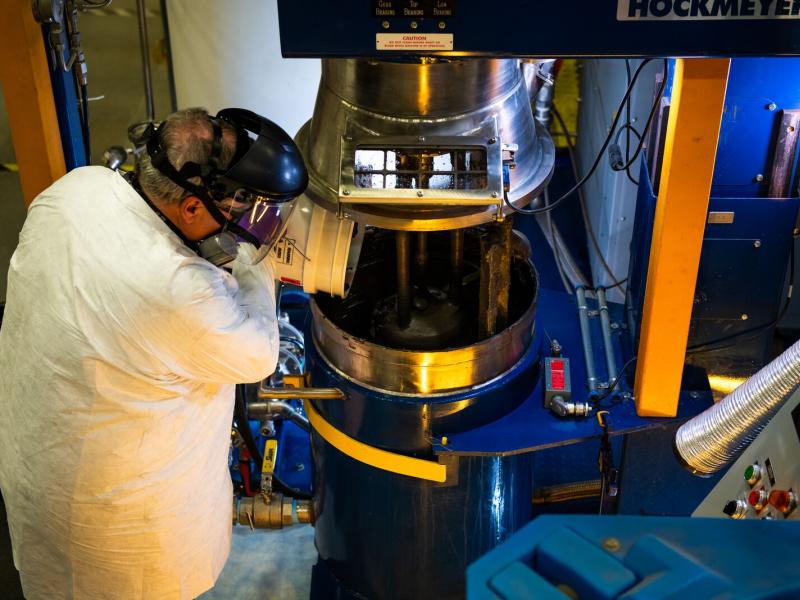
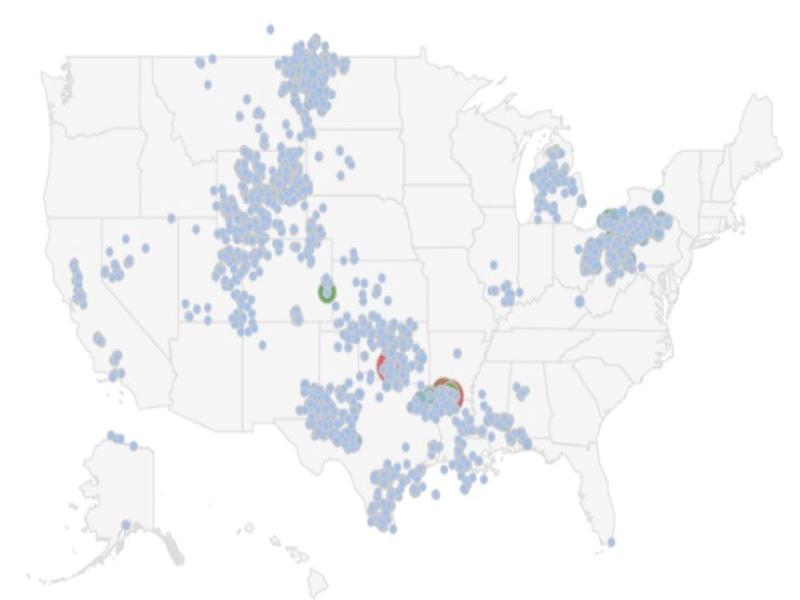
A PNNL study has shown the nation’s wastewater resource recovery facilities could generate revenue by converting sludge into biofuel—while significantly reducing disposal costs—using an in-house-developed technology.
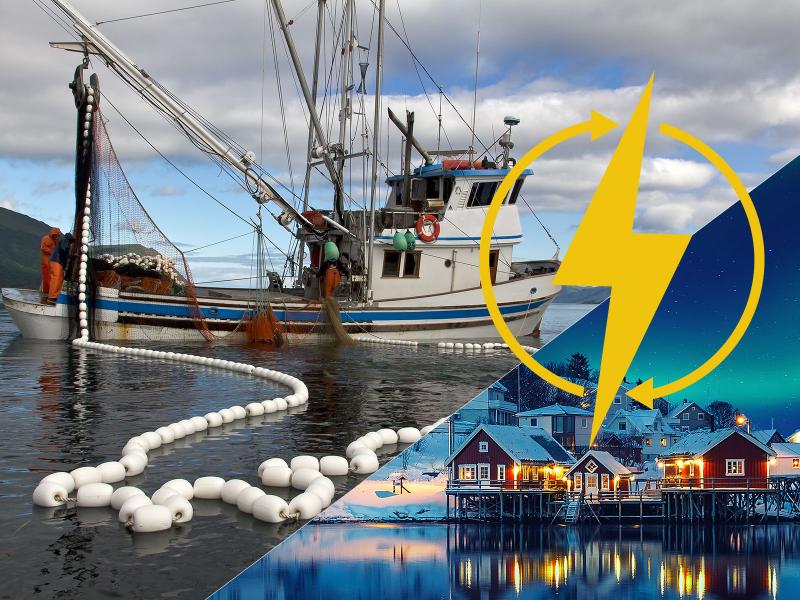
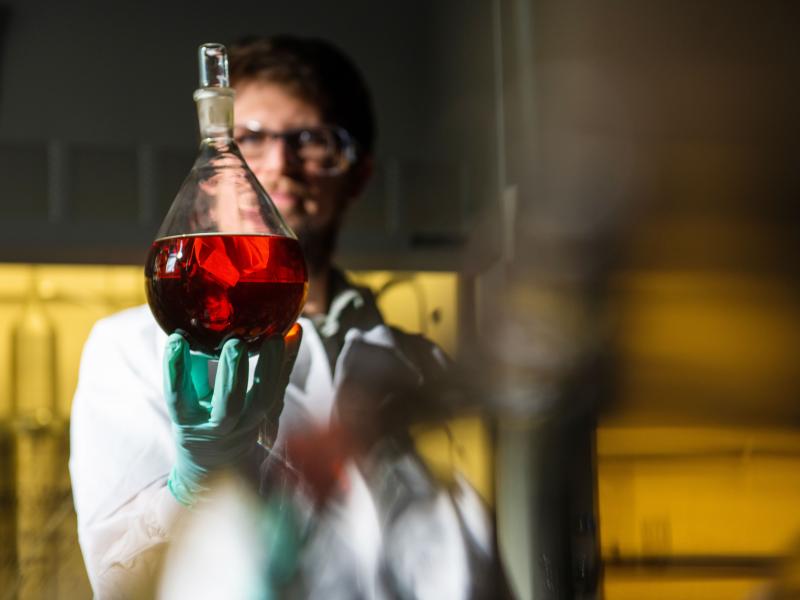
Using existing fish processing plants, kelp and fish waste can be converted to a diesel-like fuel to power generators or fishing boats in remote, coastal Alaska.
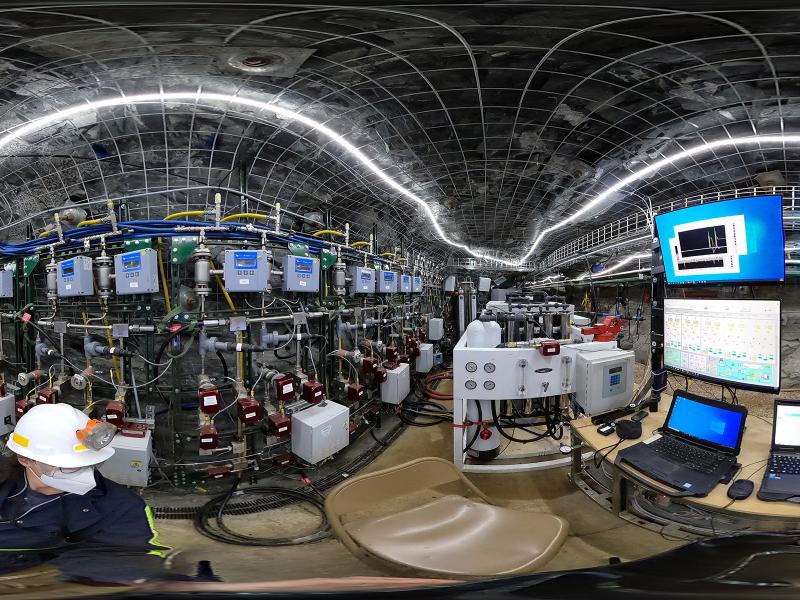
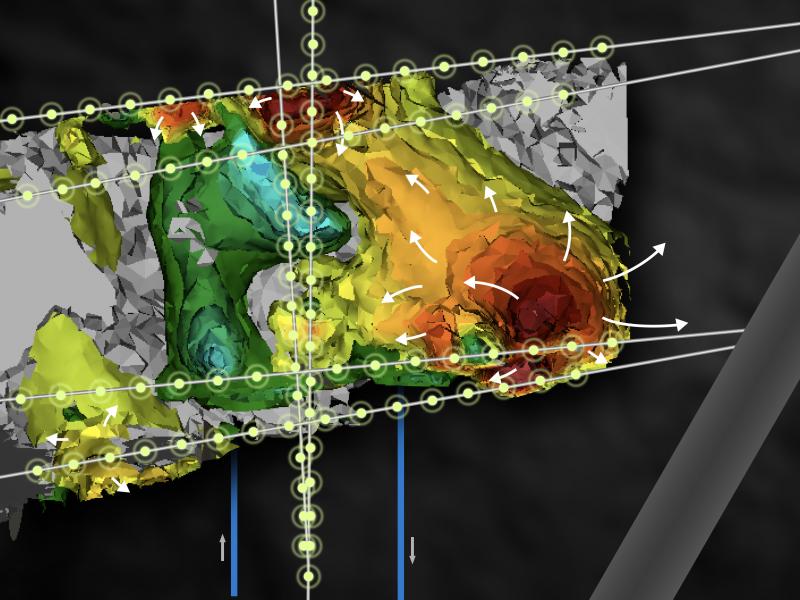
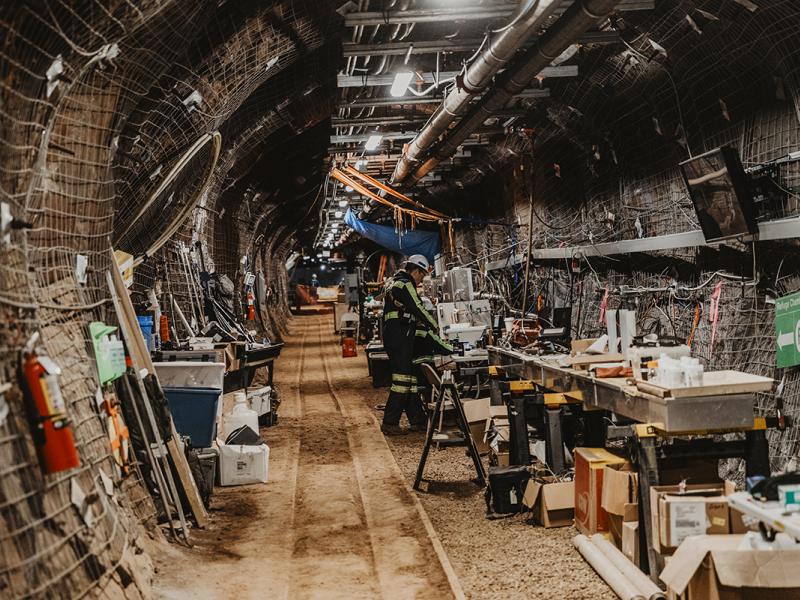
A team of researchers from 10 national laboratories and eight universities is conducting hydraulic shearing tests to explore the potential for geothermal energy at the Sanford Underground Research Facility (SURF).
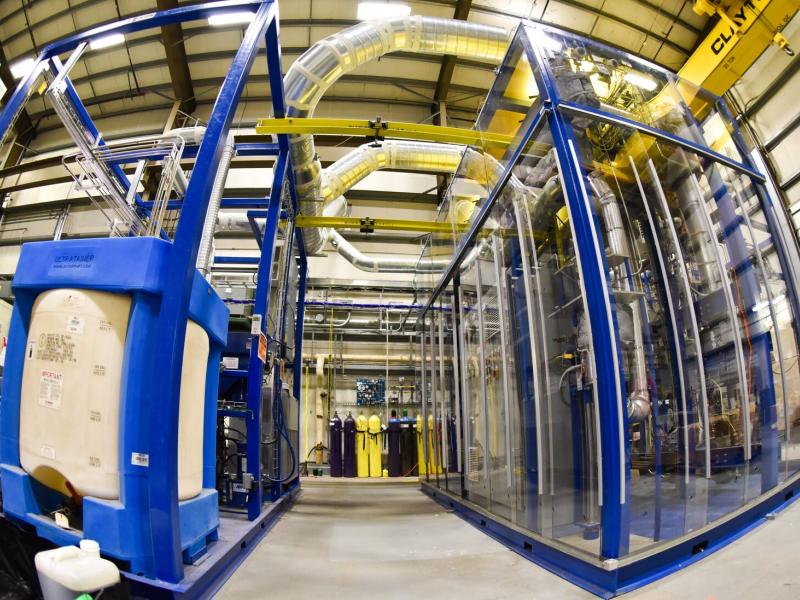
A demonstration converting biocrude to renewable diesel fuel has passed a significant test, operating for more than 2,000 hours continuously without losing effectiveness.
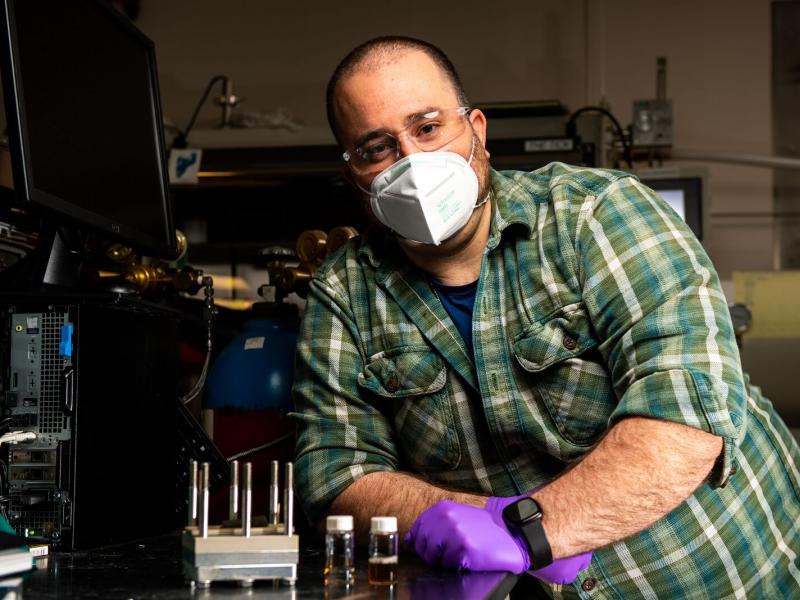
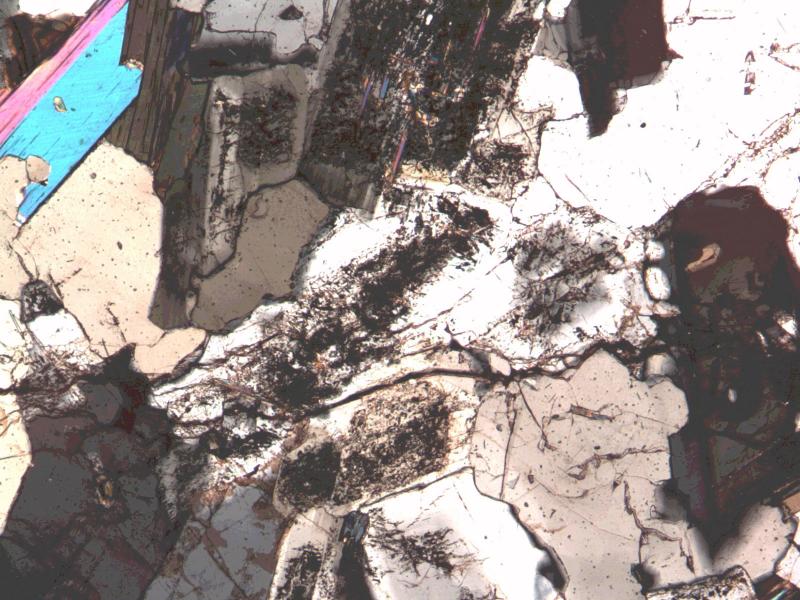
A research team from Pacific Northwest National Laboratory developed an apparatus that evaluates the performance of high-temperature fluids in hydraulic fracturing for enhanced geothermal systems.
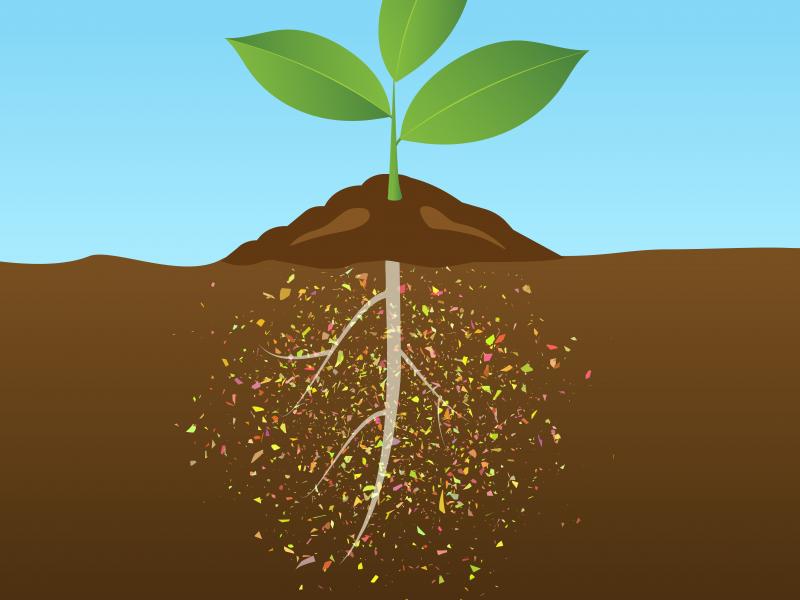
Like a toxic Trojan horse, microplastics can act as hot pockets of contaminant transport. But, can microplastics get into plant cells? Recent research shows that they can't.
Five PNNL technologies were recently awarded six R&D 100 honors. The R&D 100 Awards, now in its 58th year, recognize pioneers in science and technology from industry, the federal government, and academia.