PNNL Emeritus Scientist Ronald Thom received the 2019 Environmental Leadership Award at the Northwest Straits Marine Conservation Initiative Conference.
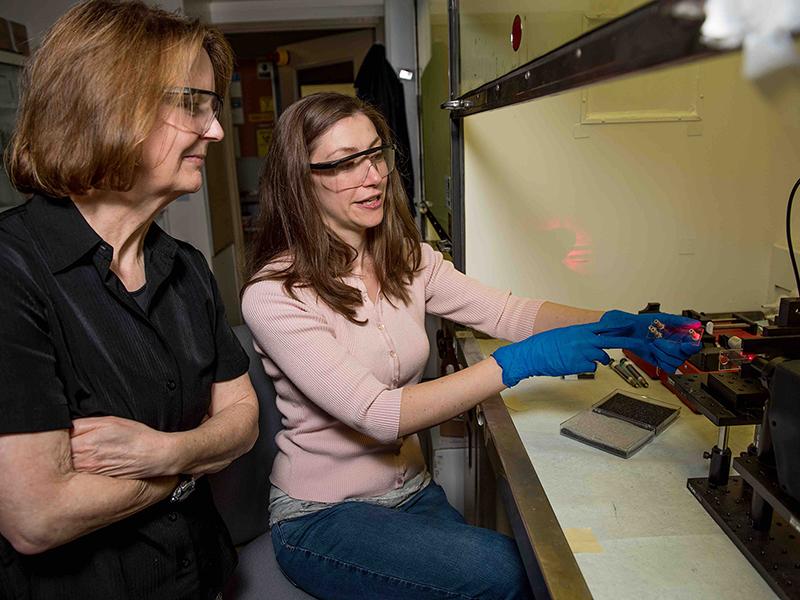
The world’s largest scientific society honored Sue B. Clark, a PNNL and WSU chemist, for contributions toward resolving our legacy of radioactive waste, advancing nuclear safeguards, and developing landmark nuclear research capabilities.
Advancing a more collective understanding of coastal systems dynamics and evolution is a formidable scientific challenge. PNNL is meeting the challenge head on to inform decisions for the future.
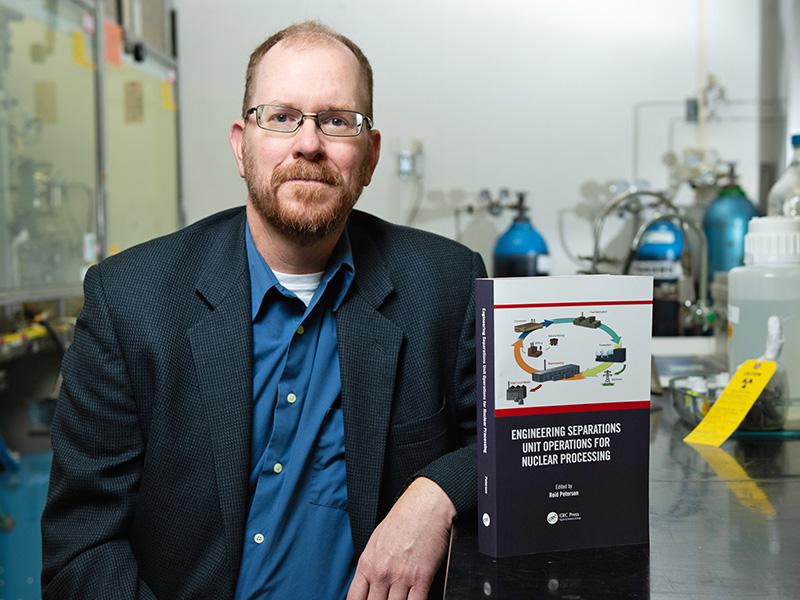
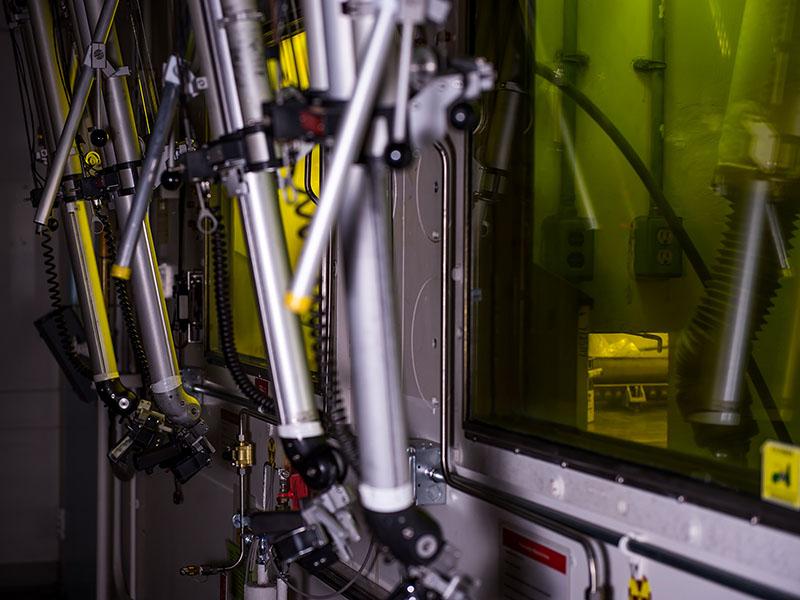
PNNL and Argonne researchers developed and tested a chemical process that successfully captures radioactive byproducts from used nuclear fuel so they could be sent to advanced reactors for destruction while also producing electrical power.
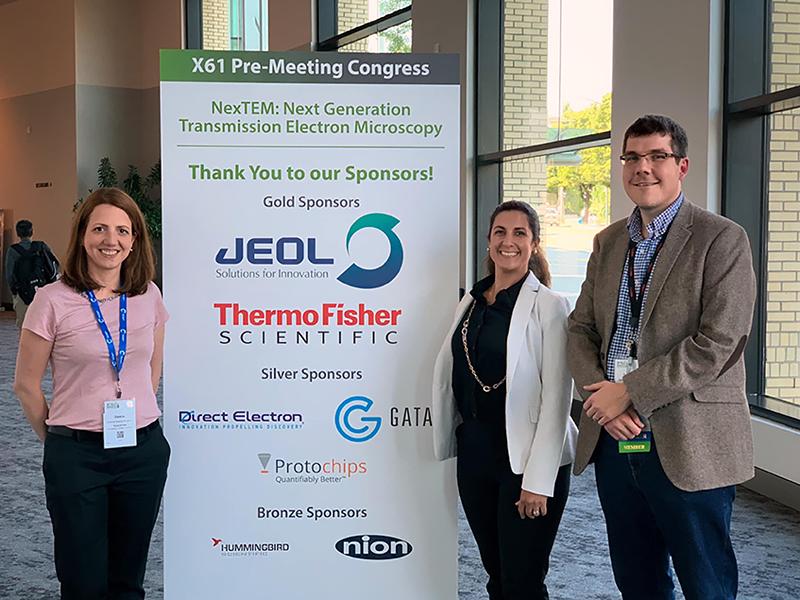
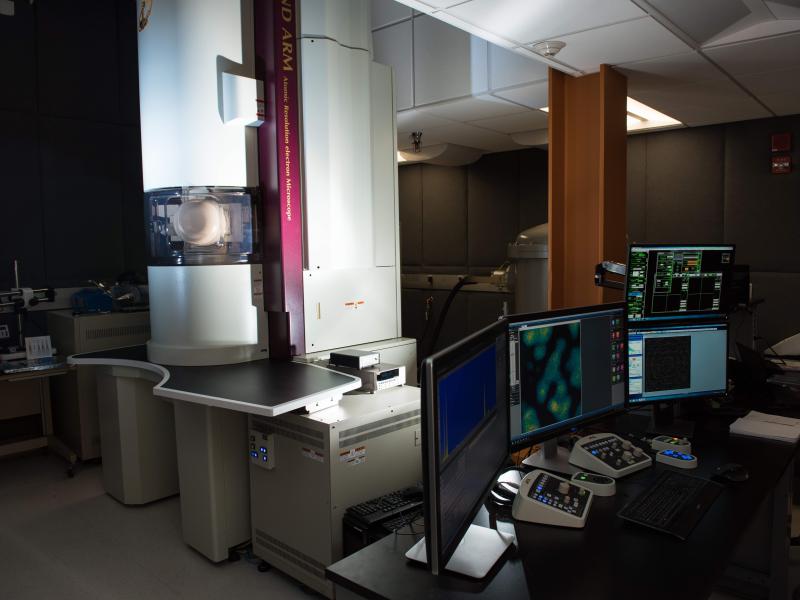
A gathering of international experts in Portland, Oregon, explored the future of electron microscopy and surfaced potential solutions in areas including new instrument designs, high-speed detectors, and data analytics capabilities.
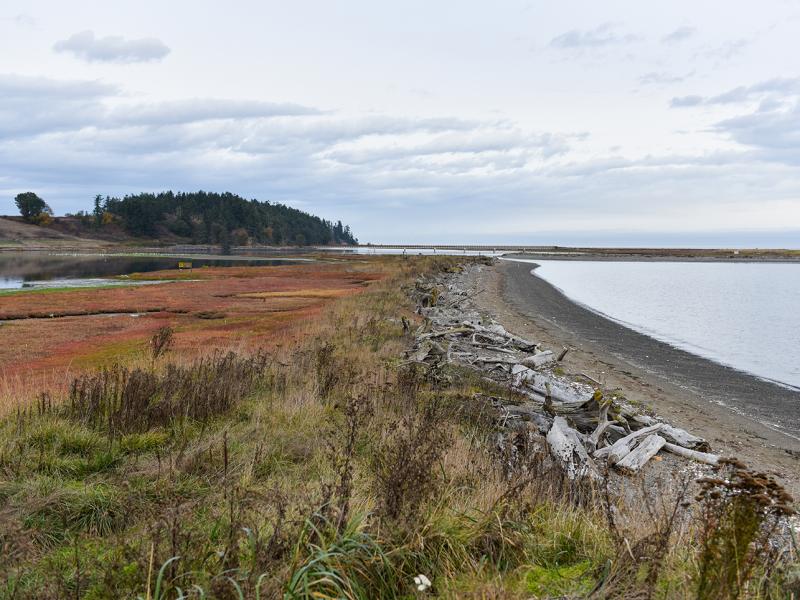
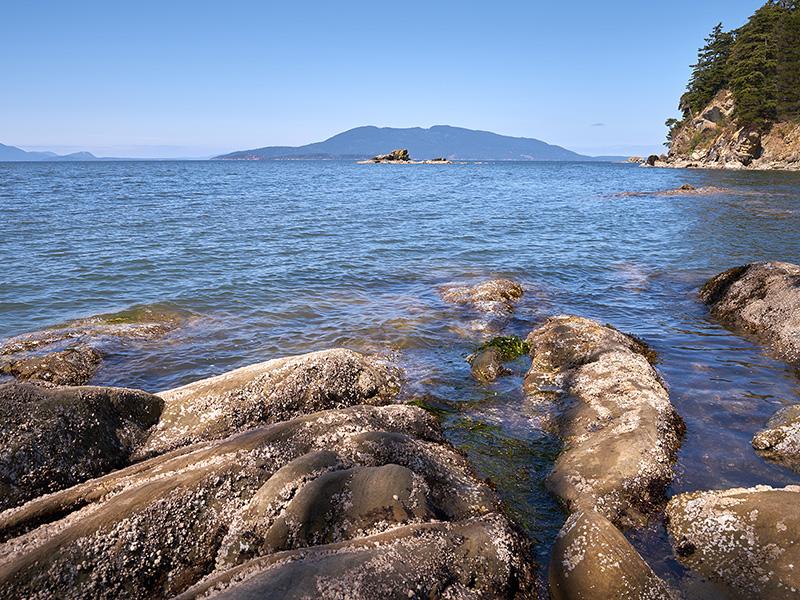
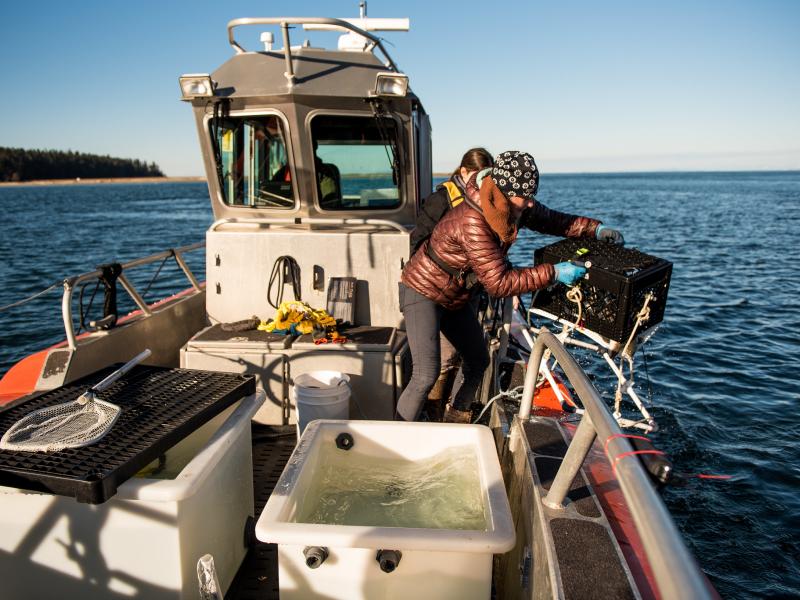
The inner Salish Sea’s future response to climate change, while significant, is predicted to be less severe than that of the open ocean based on parameters like algal blooms, ocean acidification, and annual occurrences of hypoxia.
A multi-institute team develops an imaging method that reveals how uranium dioxide (UO2) reacts with air. This could improve nuclear fuel development and opens a new domain for imaging the group of radioactive elements known as actinides.
The ANS award will be presented at the Global Top Fuel 2019 Conference this September in Seattle, and comes amid several recent recognitions for Paviet.
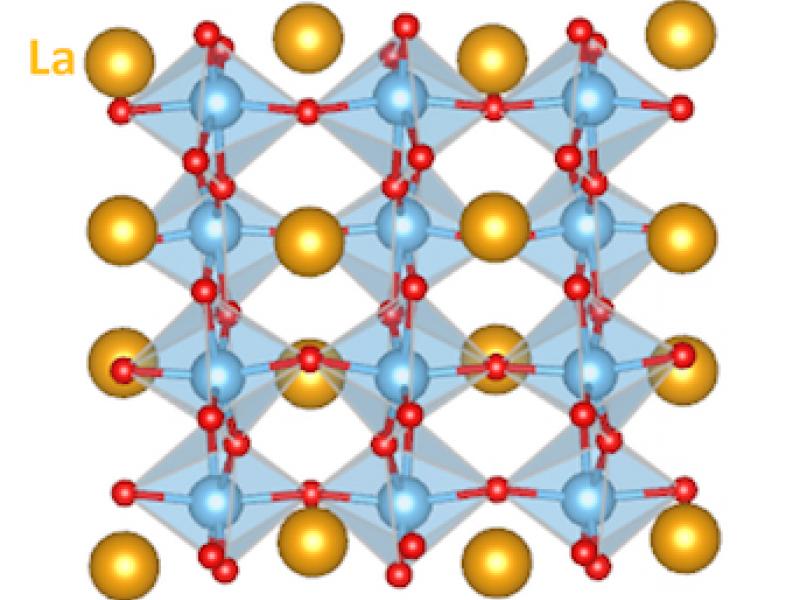
Researchers apply numerical simulations to understand more about a sturdy material and how its basic structure responds to and resists radiation. The outcomes could help guide development of the resilient materials of the future.
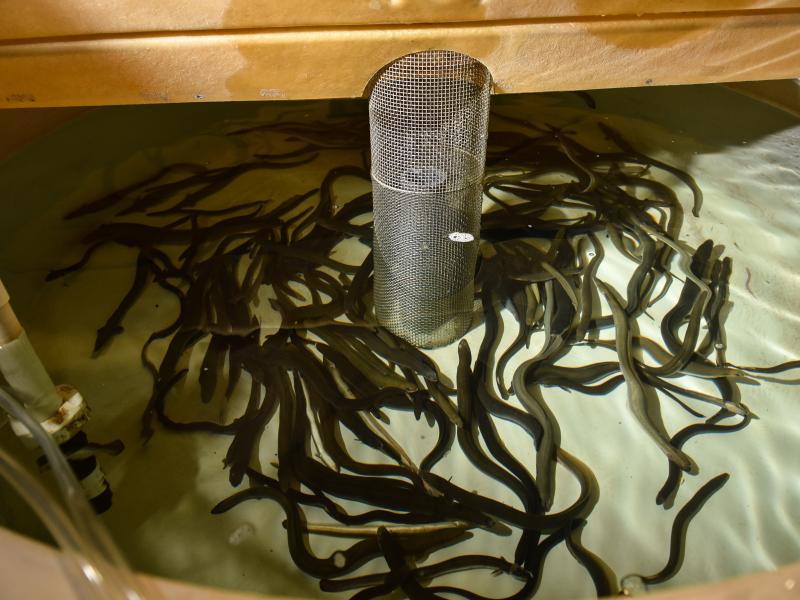
Three PNNL fish researchers recently published a video journal article on how to properly implant miniature acoustic tags in juvenile Pacific lamprey and American eel and how the tags could benefit migration.
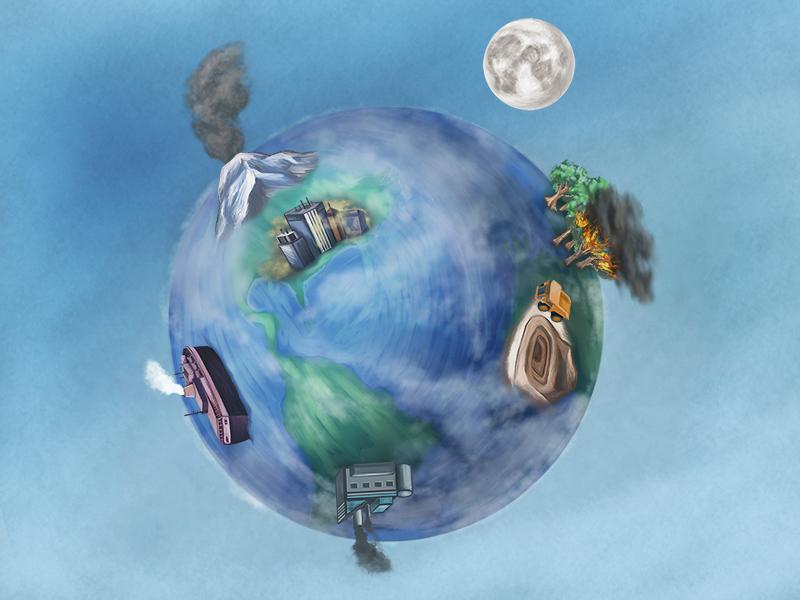
A study co-led by PNNL and reviewed in Science investigates how nanomaterials—both ancient and modern—cycle through the Earth’s air, water, and land, and calls for a better understanding of how they affect the environment and human health.
Like its namesake, Triton, a Greek god dubbed the herald of the sea, the Triton Initiative aims to deliver messages from the ocean about marine energy and how it affects nearby marine animals.
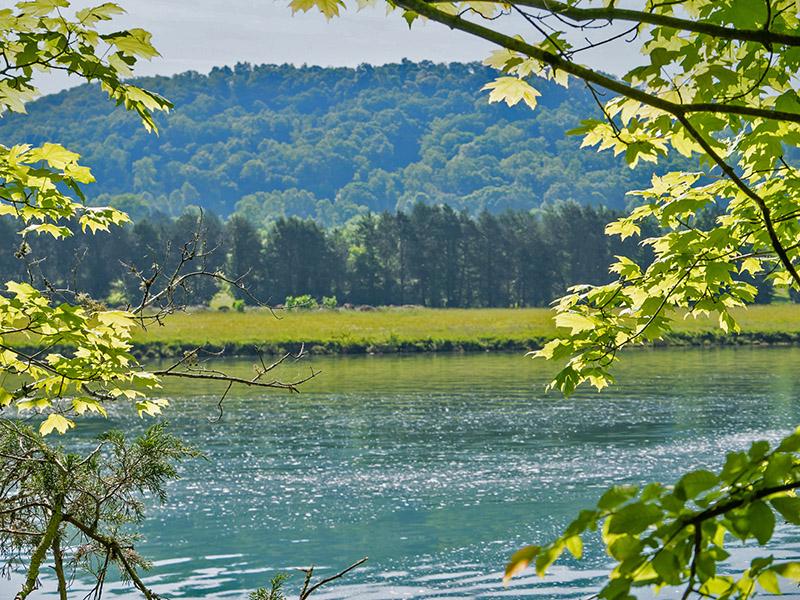
The U.S. Nuclear Regulatory Commission, U.S. Army Corps of Engineers, and PNNL partnered to complete—in record time—an environmental impact statement for the nation’s first small modular nuclear reactor, to be sited at Clinch River, Tenn.
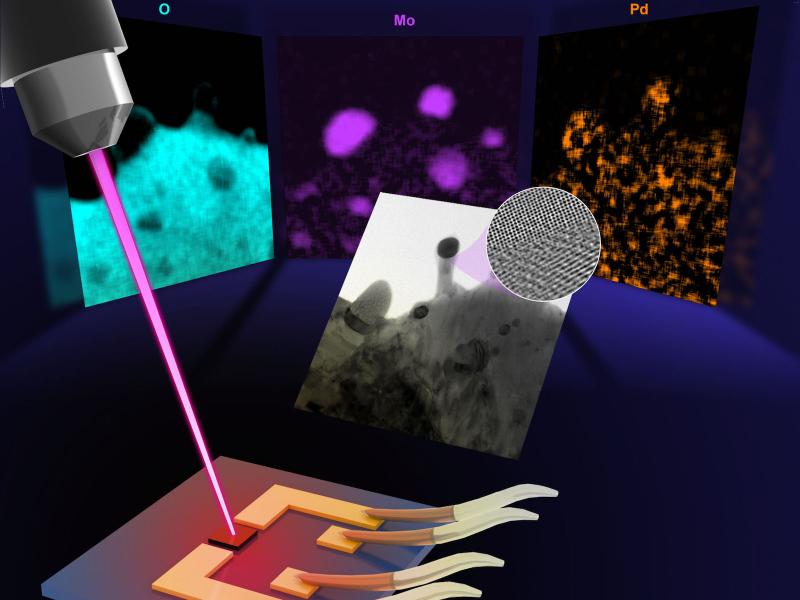
It’s hot in there! PNNL researchers take a close, but nonradioactive, look at metal particle formation in a nuclear fuel surrogate material. What they found will help fill knowledge gaps and could lead to better nuclear fuel designs.
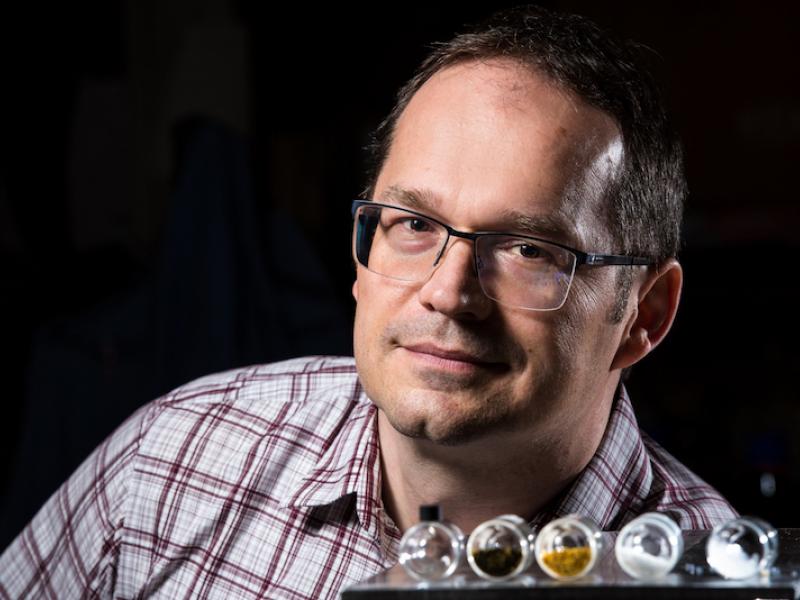
Josef "Pepa" Matyas, a materials scientist in PNNL’s Nuclear Sciences Division, has been elected a fellow of the American Ceramic Society (ACerS). He will be recognized at the ACerS annual meeting on September 30, 2019, in Portland, Ore.
Researchers used novel methods to safely create and analyze plutonium samples. The approaches could prove influential in future studies of the radioactive material, benefitting research in legacy, national security and nuclear fuels.