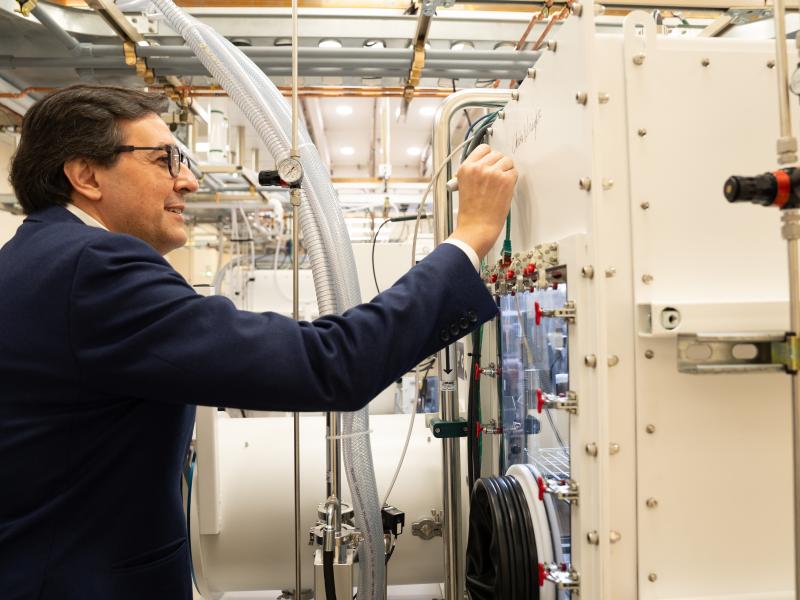
PNNL’s nondestructive evaluation capabilities support advancements in nuclear energy, including research for the U.S. Nuclear Regulatory Commission to preserve the nation’s existing nuclear fleet.
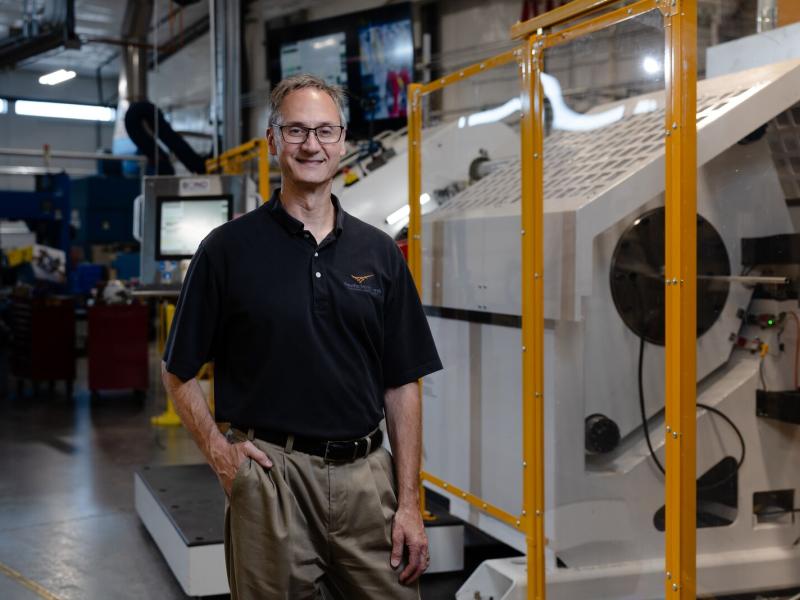
A new invention from PNNL could soon help manufacturers more easily adopt the Lab’s patented Shear Assisted Processing and Extrusion (ShAPE™) technology, enabling faster manufacturing of superior extrusion products.
Mechanical engineer Scott Whalen is named the Department of Energy’s Innovator of the Year for turning the patented metal extrusion invention ShAPE™ into an industrially relevant extruded metal product juggernaut.
Researchers at PNNL have developed an interpretable, lightweight AI model that can easily predict weld microstructure features using only basic machine sensor inputs.
A newly published custom collection of glass formulas for nuclear waste vitrification — developed and validated by PNNL over the past three years — was made possible in that timeframe with AI tools, including a PNNL machine learning model.
Replacing commercial acid with acidic waste enables researchers to improve nickel extraction efficiency, lower projected costs, and improve process economics.
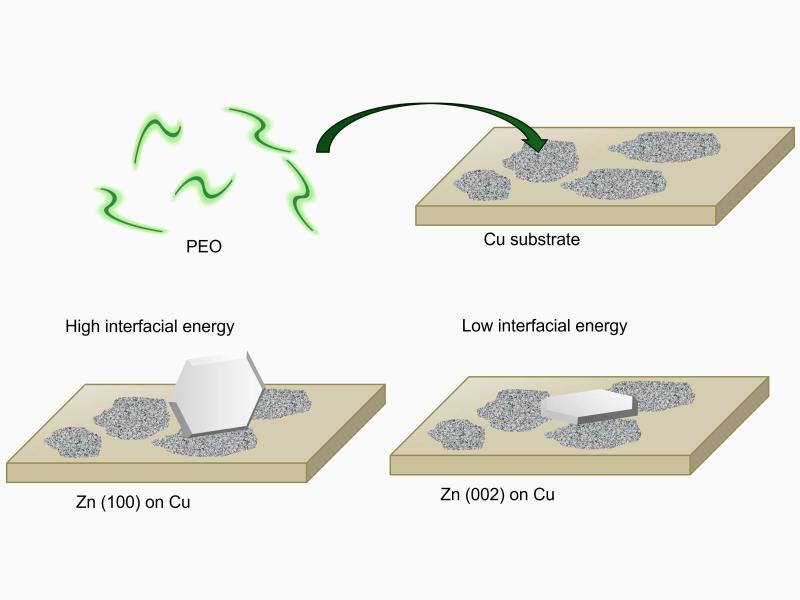
Researchers discovered that a polymer additive promotes smooth, layer-by-layer deposition on metal electrodes by tuning interactions with the substrate.
Matteo Muratori, director of transportation and industry programs at PNNL, has been named to the 2026–2028 cohort of the National Academies of Sciences, Engineering, and Medicine’s New Voices Program.