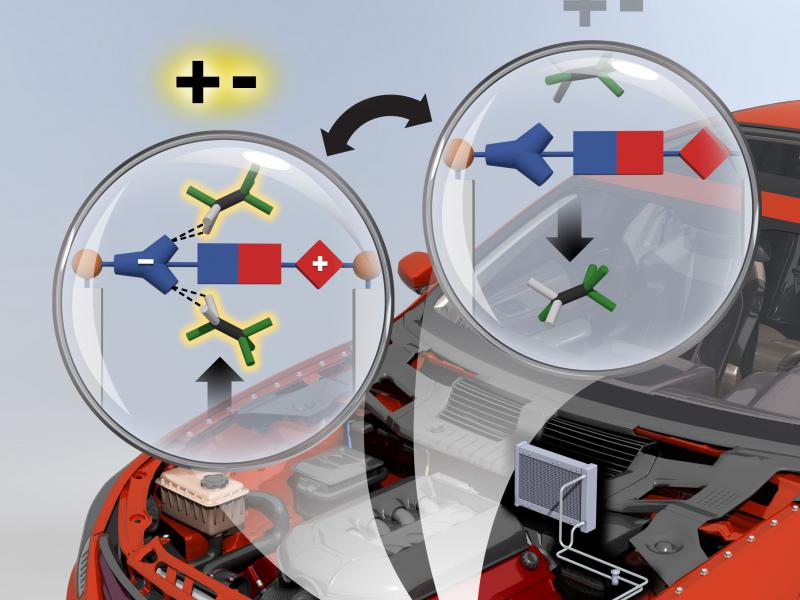
Researchers at PNNL have introduced an alternative method using a molecular-based pump that could potentially use a quarter less energy than the age-old mechanical pump.
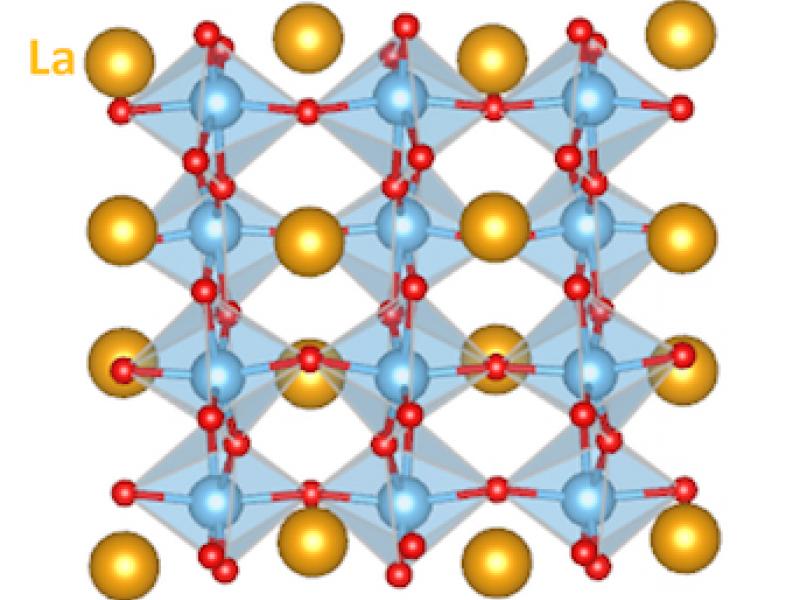
Researchers apply numerical simulations to understand more about a sturdy material and how its basic structure responds to and resists radiation. The outcomes could help guide development of the resilient materials of the future.
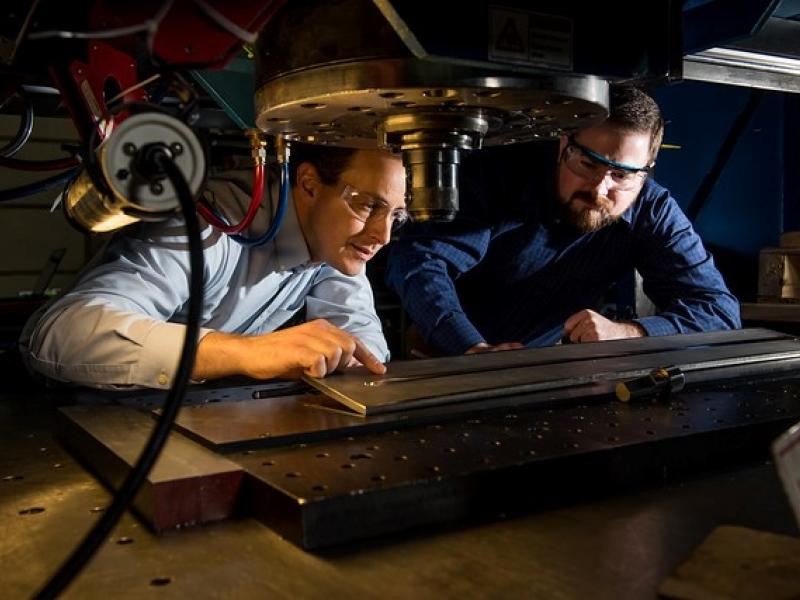
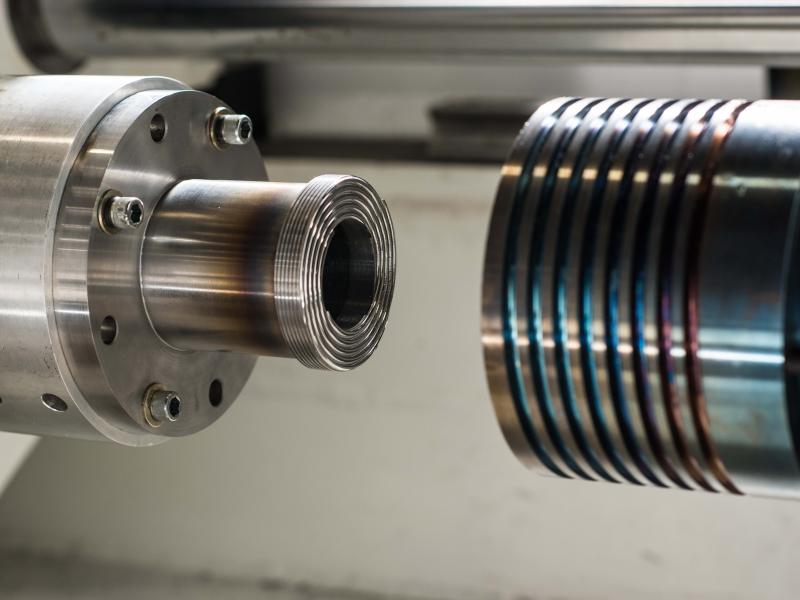
A PNNL study that evaluated the use of friction stir technology on stainless steel has shown that the steel resists erosion more than three times that of its unprocessed counterpart.
His research is dedicated to the development of experimental tools and expertise critical for controlled synthesis and characterization of complex oxides, and gaining deep understanding of structure-composition-function relationships.
PNNL’s Janet Jansson is part of an international team of scientists warning scientists of the urgency to pay more attention to the role of microorganisms in our climate.
A radioactive chemical called pertechnetate is a bad actor when it’s in nuclear waste tanks. But researchers at PNNL and the University of South Florida have a new lead on how to selectively separate it from the nuclear waste for treatment.
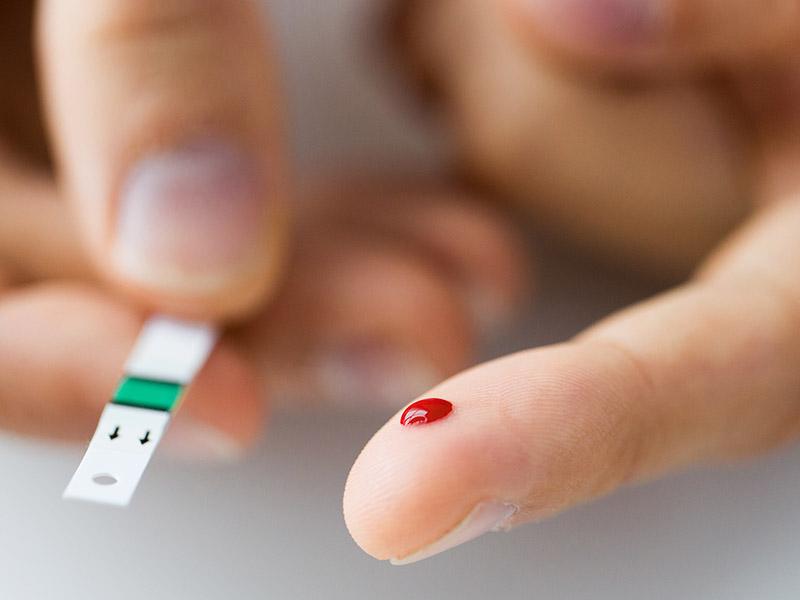
PNNL scientist Wei-Jun Qian and colleagues have contributed to a study that offers clues for delaying or even preventing the autoimmune attack that’s at the core of type-1 diabetes.
PNNL researchers today published a pair of papers, in Cell and in Nature, exploring the effects of the gut microbiome on our health, including autism, brain function, and inflammatory bowel disease.
PNNL researchers have devised a way to measure and distinguish tiny amounts of phosphorylated proteins, an approach that could be used in research to help treat diseases such as diabetes and cancer.
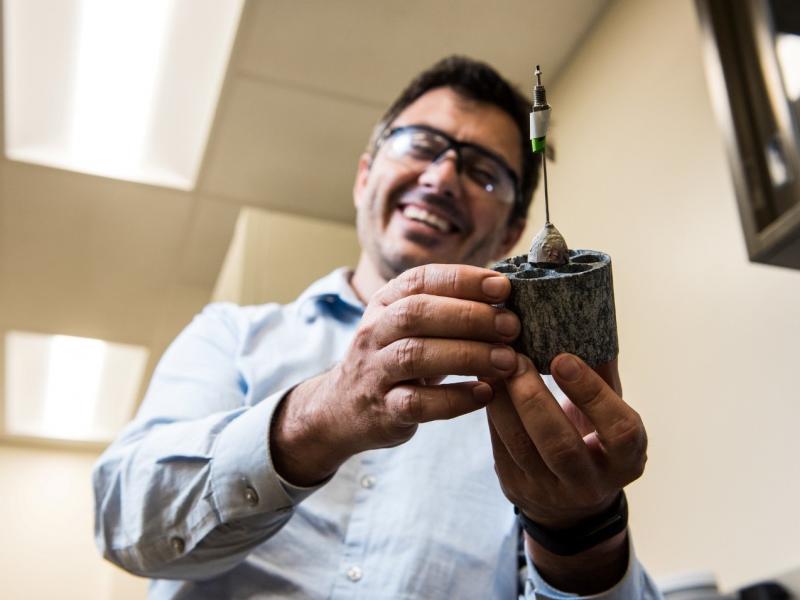
Researchers have come up with a new method for creating synthetic “colored” nanodiamonds, a step on the path to realization of quantum computing, which promises to solve problems far beyond the abilities of current supercomputers.
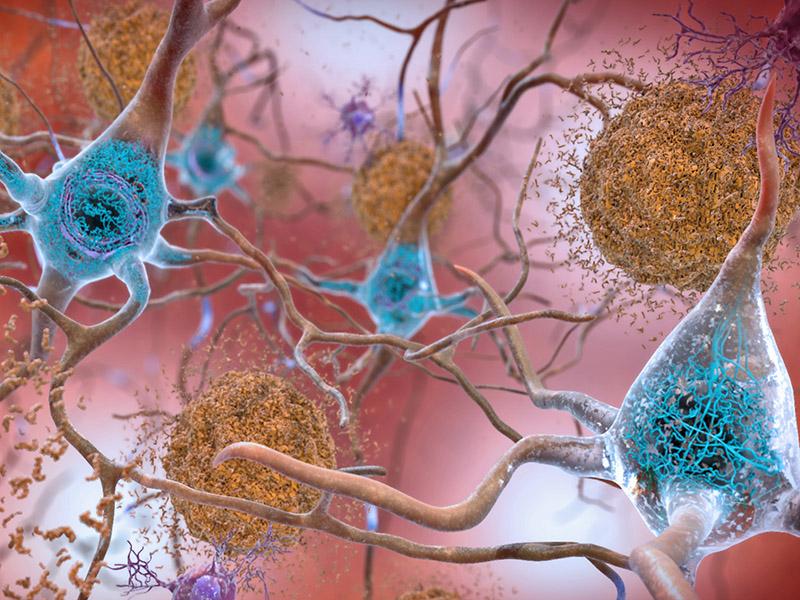
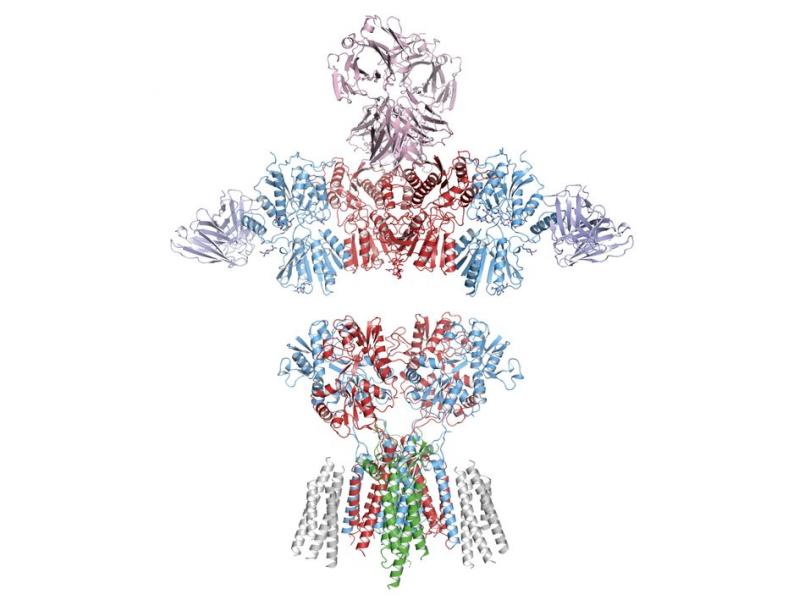
The structure of a fundamental electrical switch in the brain has been revealed, thanks to PNNL researchers working together with counterparts at Oregon Health & Science University (OHSU).
PNNL materials scientist Kevin Simmons is part of a collaboration that was recognized for work in hydrogen safety, codes and standards recently at the DOE Hydrogen and Fuel Cells Program annual merit review and peer evaluation.
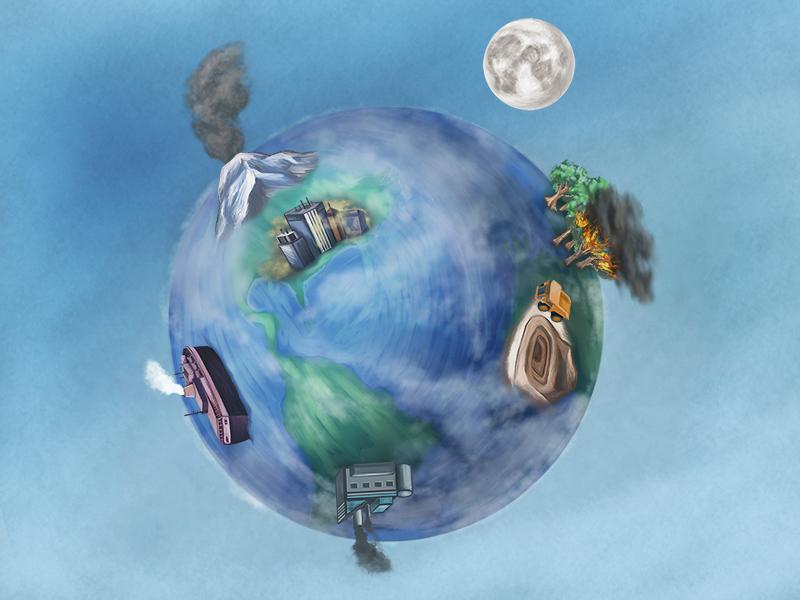
A study co-led by PNNL and reviewed in Science investigates how nanomaterials—both ancient and modern—cycle through the Earth’s air, water, and land, and calls for a better understanding of how they affect the environment and human health.
Patricia Huestis, a collaborator in the Interfacial Dynamics in Radioactive Environments and Materials (IDREAM) Energy Frontier Research Center, has been awarded the DOE Office of Science Graduate Student Research (SCGSR) award.