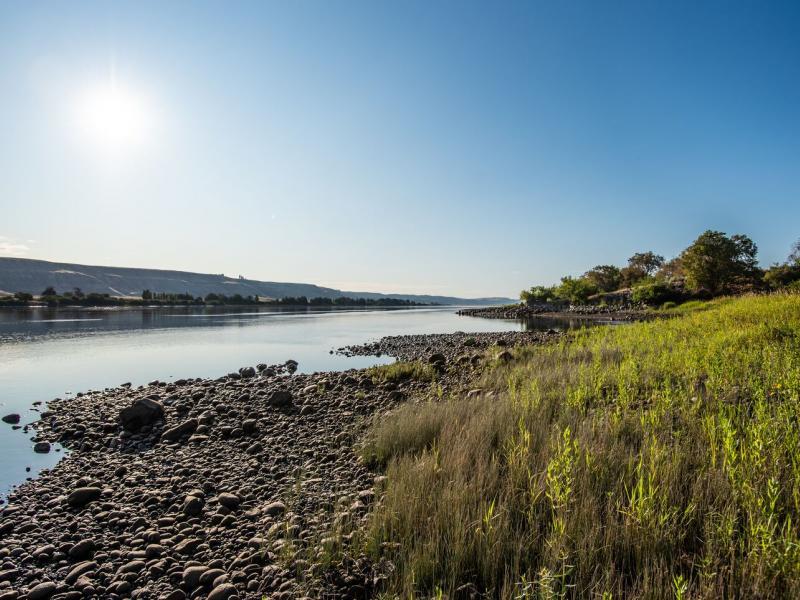
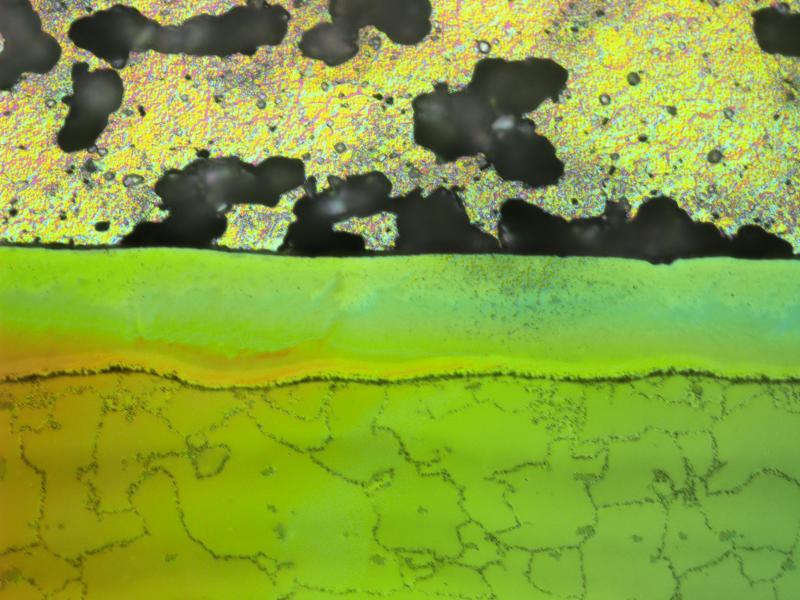
A recent paper published in Water Resources Research found that the spatial variability of subsurface sediments, and seasonal fluctuations in a river’s water level, influences the behavior of a uranium contaminant plume, particularly in ...
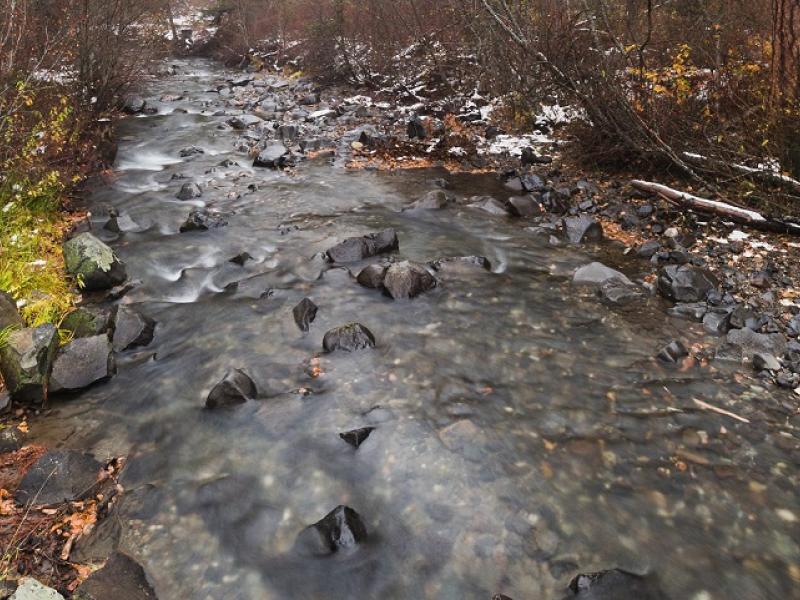
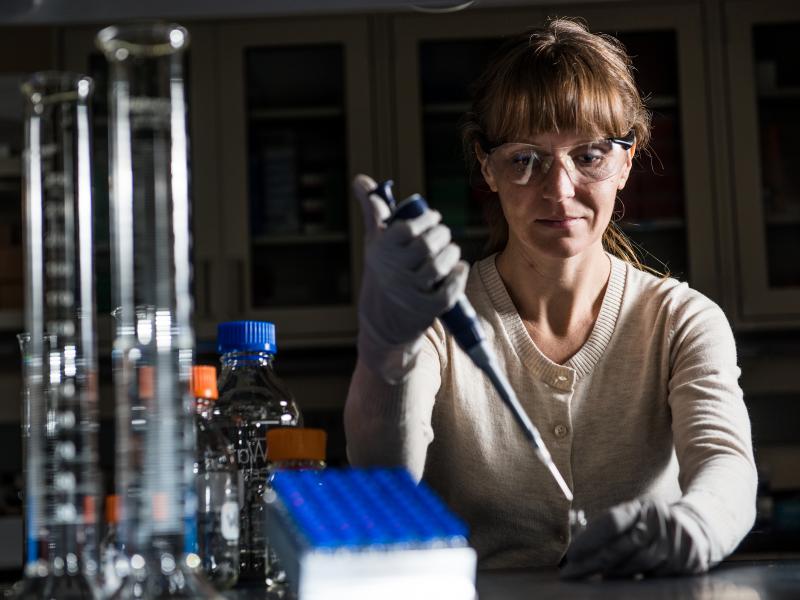
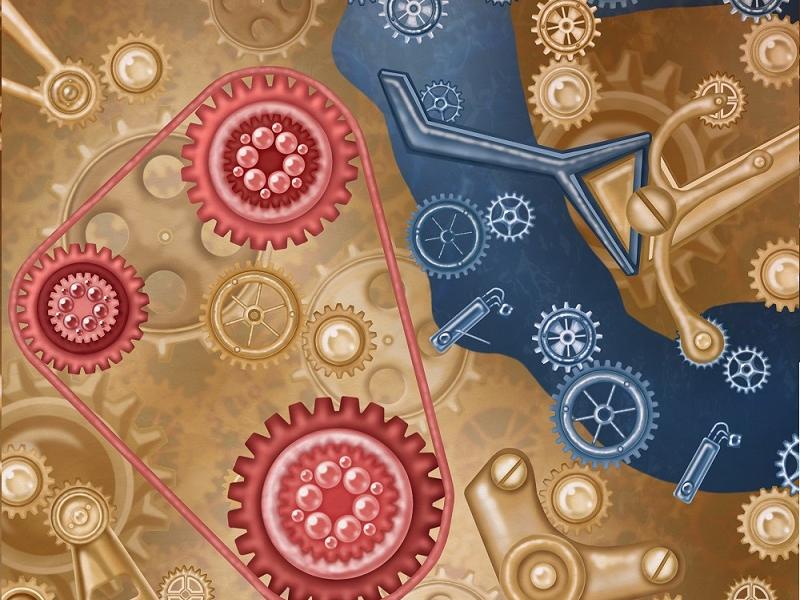
DOE researchers investigated the role of microbial genetic diversity in two major subsurface biogeochemical processes: nitrification and denitrification.
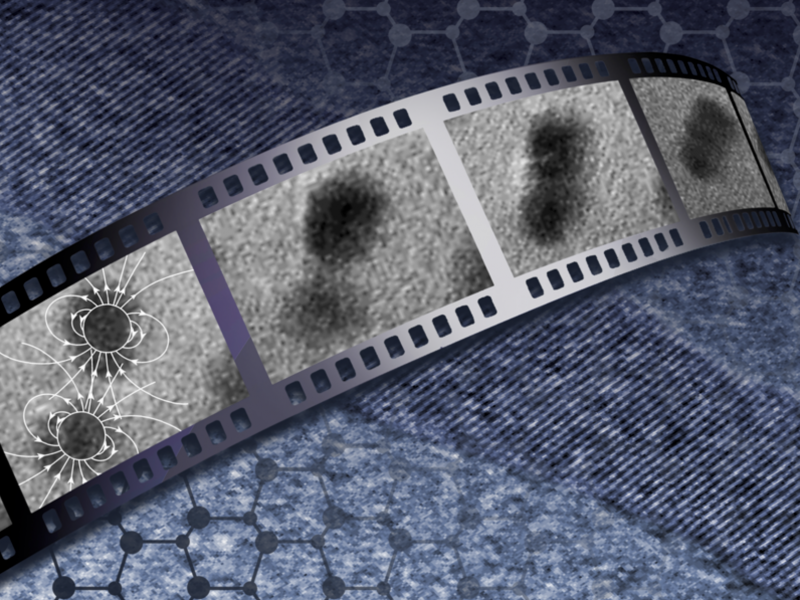
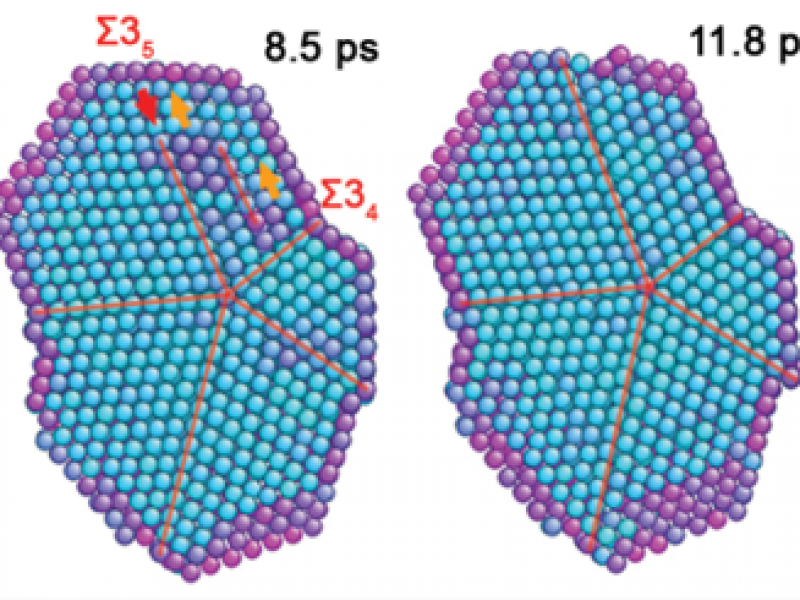
Researchers found that certain oxide interface configurations remain stable in extreme environments, suggesting ways to build better performing, more reliable devices for fuel cells, space-based electronics, and nuclear energy.
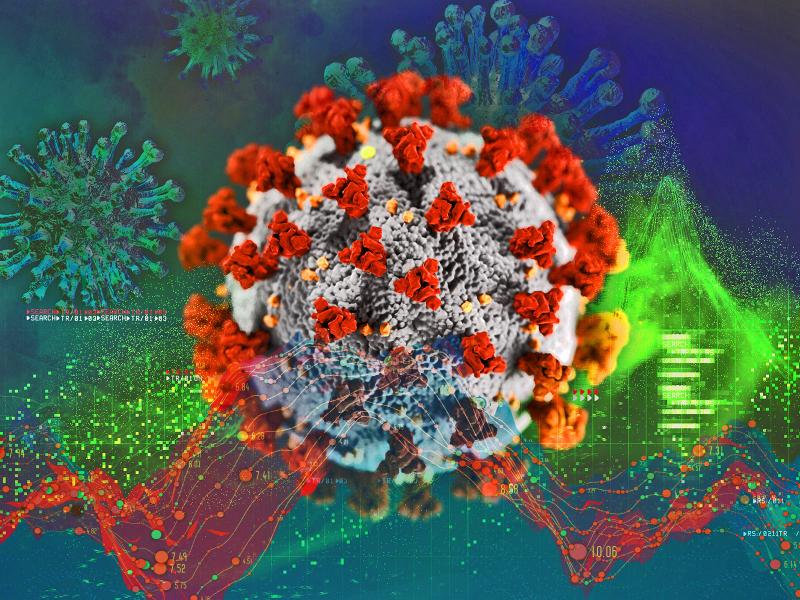
Combining its strength in biological sciences and data analytics, researchers at the Department of Energy's PNNL are working to enable a quick response to a biological incident — whether intentional, accidental or natural.
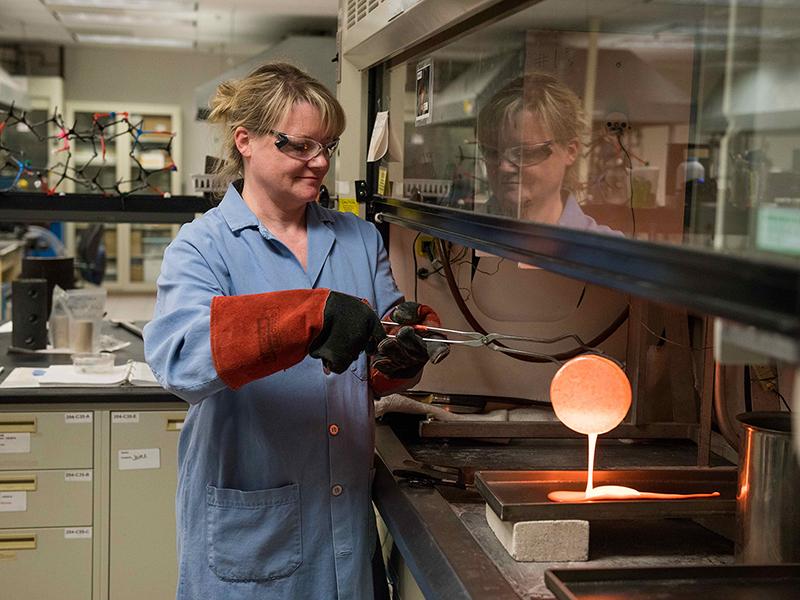
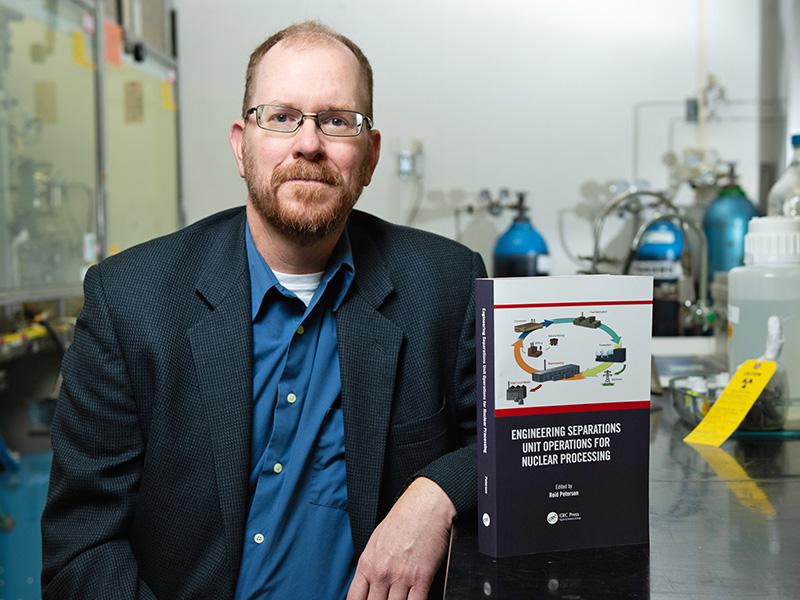
Performing nuclear safeguards work safely and developing the next generation workforce are complementary goals of a longstanding program sponsored by the National Nuclear Security Administration’s Office of International Nuclear Safeguards.
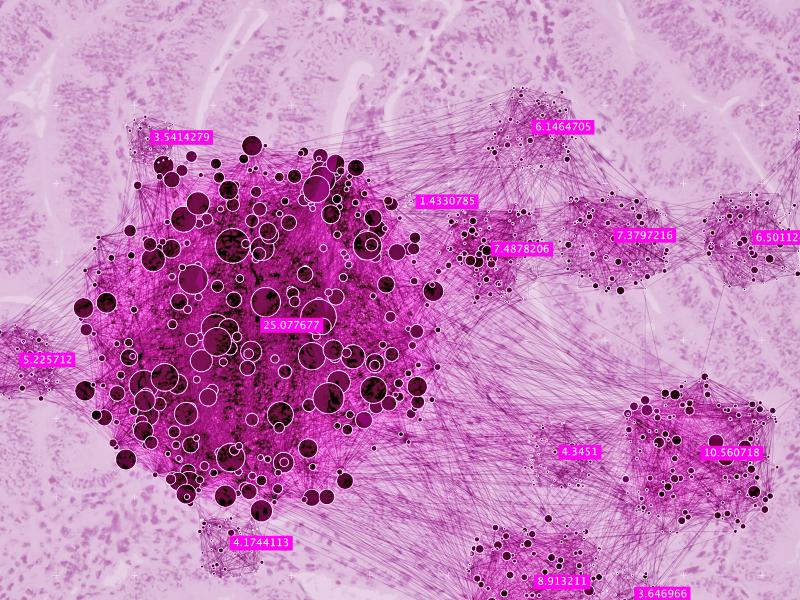
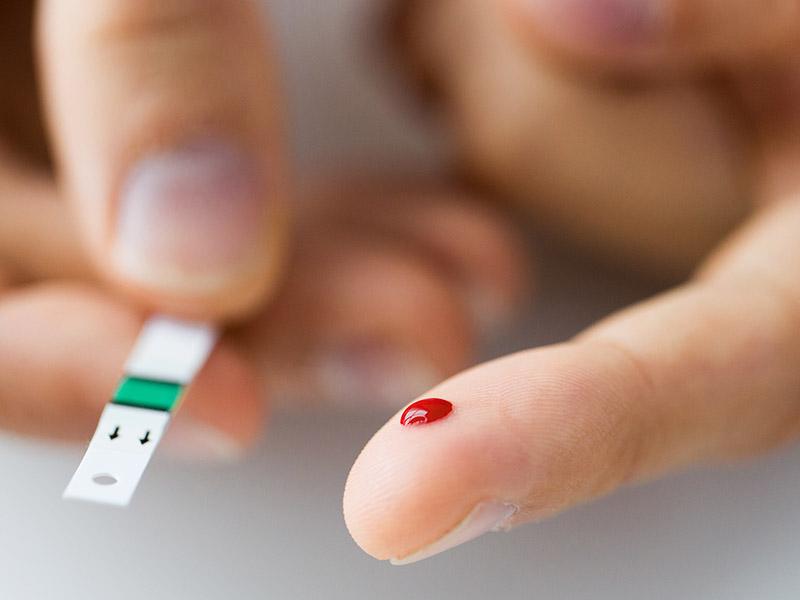
A new study focusing on the proteins involved in endometrial cancer, commonly known as uterine cancer, offers insights about which patients will need aggressive treatment and which won’t.
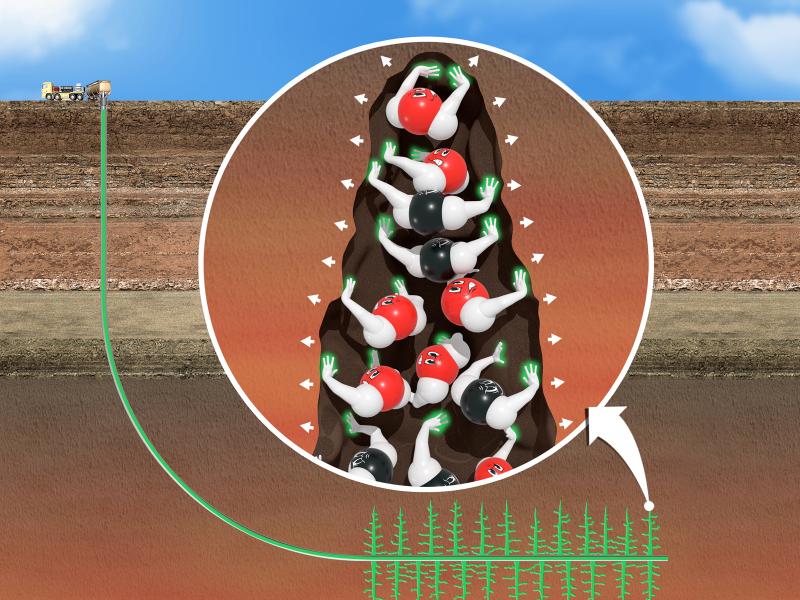
Researchers have identified two processes responsible for fracturing rock at lower pressures for geothermal energy production using PNNL’s fracturing fluid, StimuFrac™.
While it’s one small step forward for mouse research, it’s a big step forward for understanding proteins, the molecular workhorses in biological organisms.
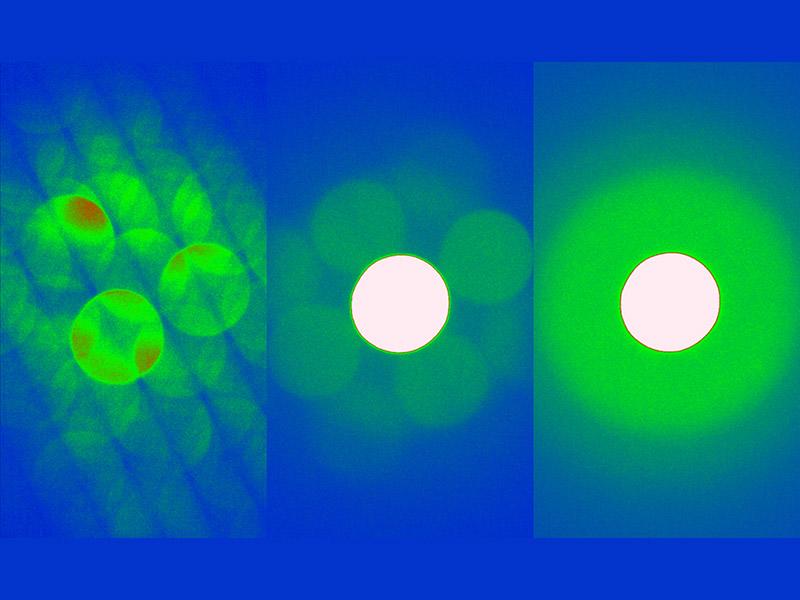
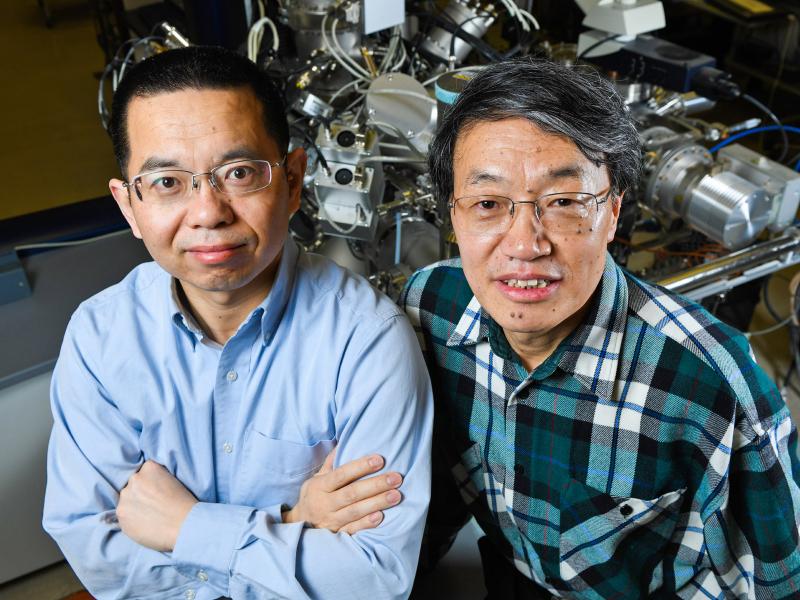
PNNL researchers demonstrated a nanoscale analysis tool to map isotopes to location in low-enriched uranium-molybdenum fuel plates for use in nuclear research reactors.
Jason McDermott is a PNNL computational biologist whose research interests include machine learning, data integration, and network inference. He unravels complex data related to cancer, infectious disease, and soil microbiomes.