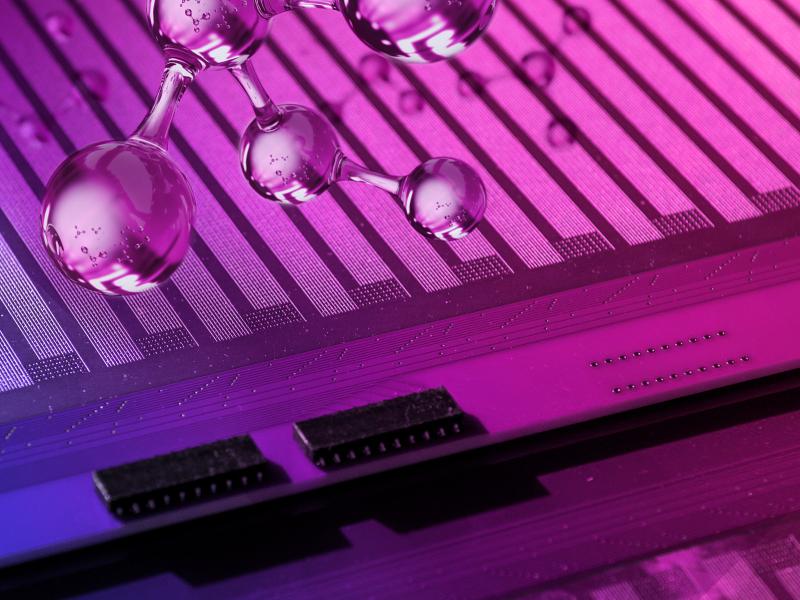
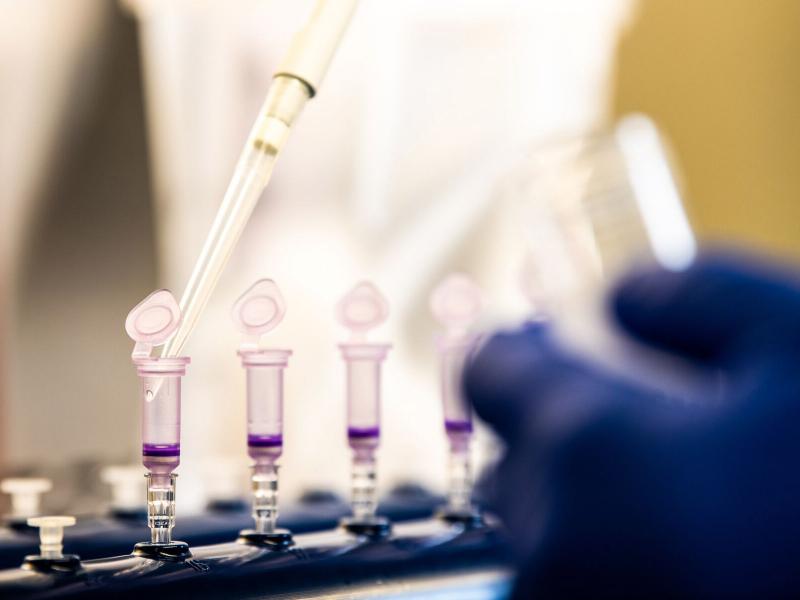
An award-winning ion separation technology developed at PNNL has been licensed for biomedical applications. Continued research aims to make the devices suitable for molecular analysis in the field.
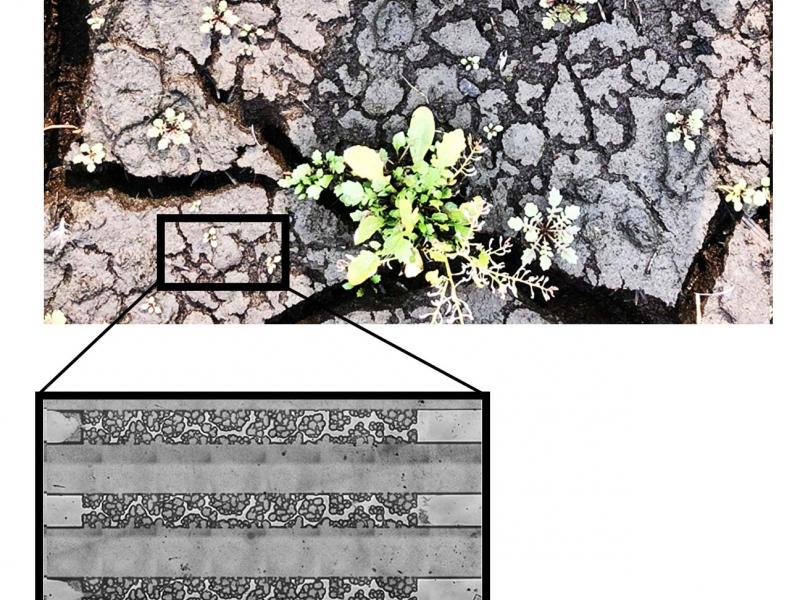
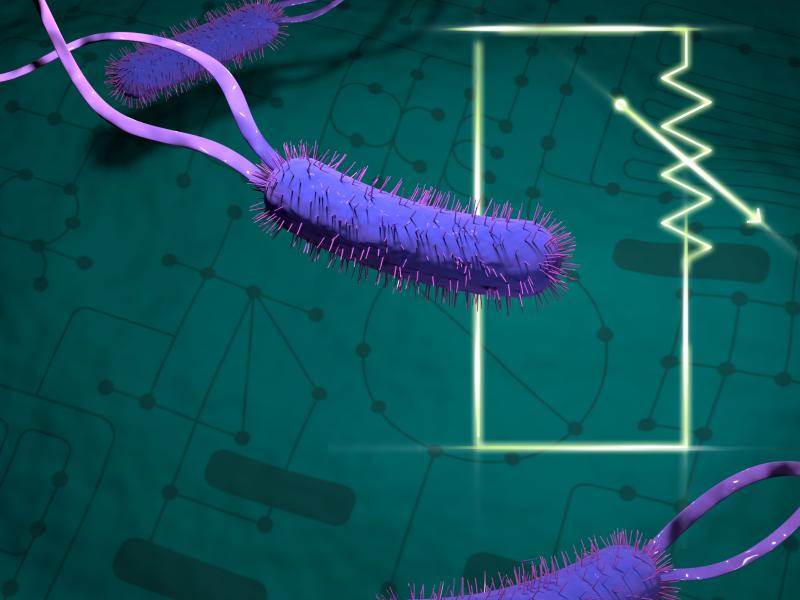
Soil microbial communities produced more water retaining molecules when enriched with insoluble organic carbon, chitin, compared to a soluble carbon source, N-acetylglucosamine.
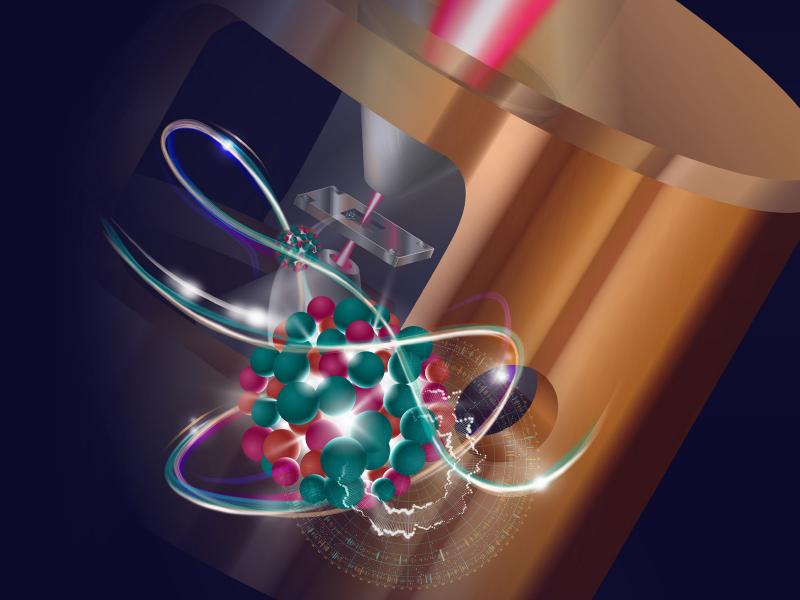
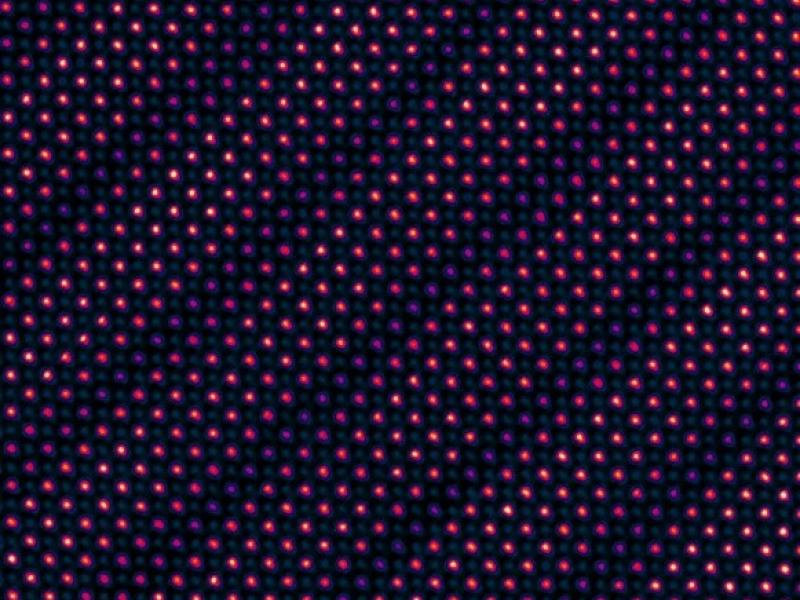
Infusing data science and artificial intelligence into electron microscopy could advance energy storage, quantum information science, and materials design.
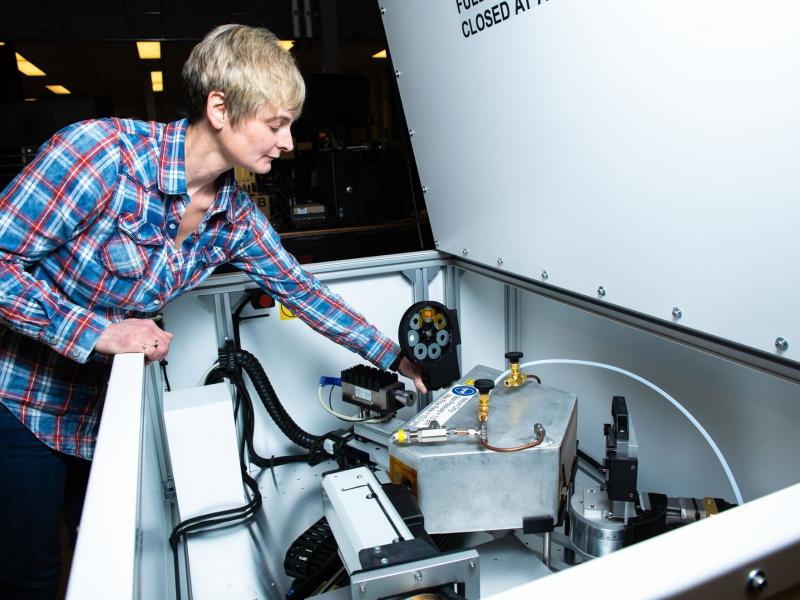
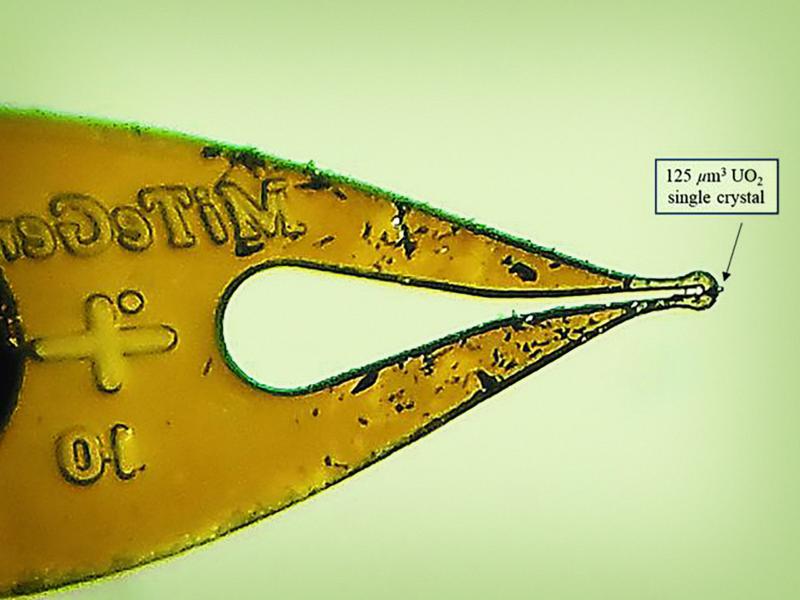
PNNL has three small-scale spectroscopy devices that are speeding up the testing and analysis of candidate novel materials used in energy storage research and environmental remediation.
Using a large repository of blood samples from military personnel, PNNL and Uniformed Services University scientists have discovered a group of 13 proteins that could provide early detection of head and neck cancers.
Writing in the journal Nature Chemistry, PNNL materials scientists Jim De Yoreo and Benjamin Legg provides context to new work showing how single atoms organize into clusters that seed crystal growth
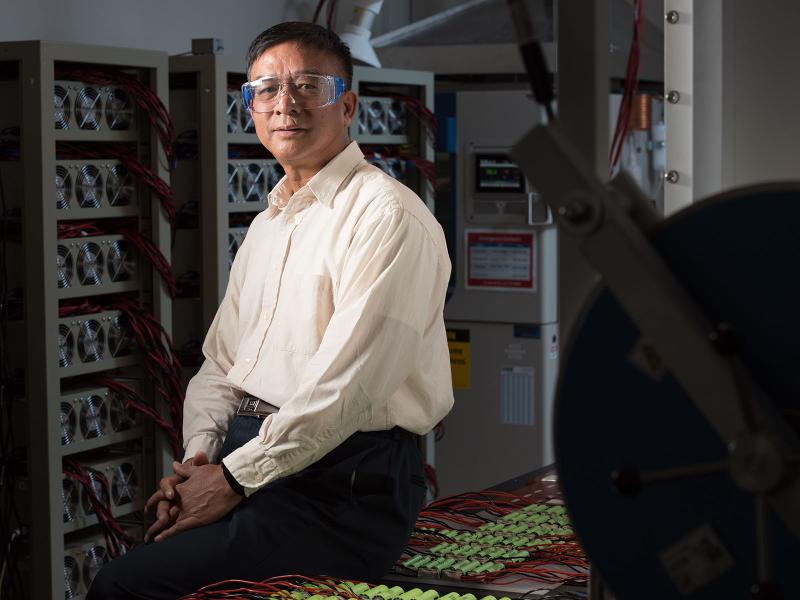
Researchers at PNNL have increased the conductivity of copper wire by about five percent via a process called Shear Assisted Processing and Extrusion. General Motors tested the wire for application in vehicle motor components.
Five PNNL technologies were recently awarded six R&D 100 honors. The R&D 100 Awards, now in its 58th year, recognize pioneers in science and technology from industry, the federal government, and academia.
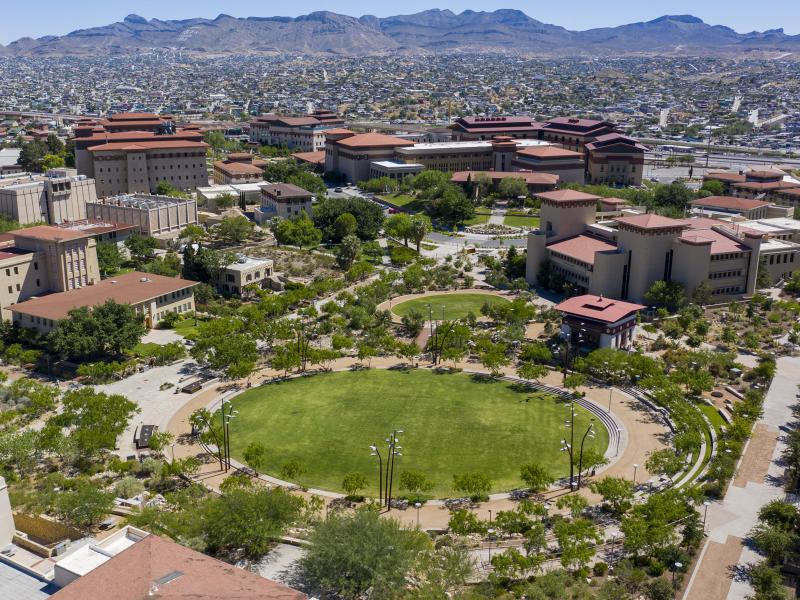
A new agreement between Pacific Northwest National Laboratory and The University of Texas at El Paso will create research and internship opportunities.
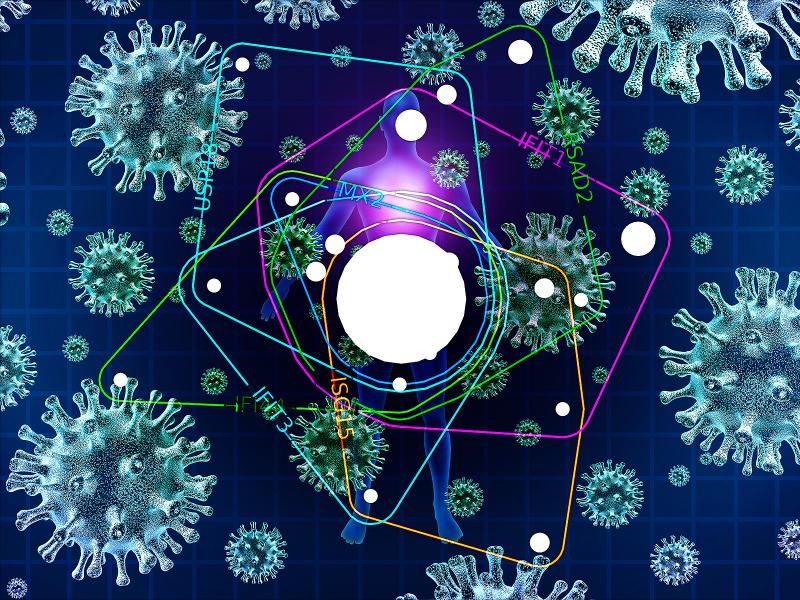
The nation’s ability to test for COVID-19 has expanded, thanks to work at Pacific Northwest National Laboratory, where scientists have established the performance of testing equipment to detect the virus.