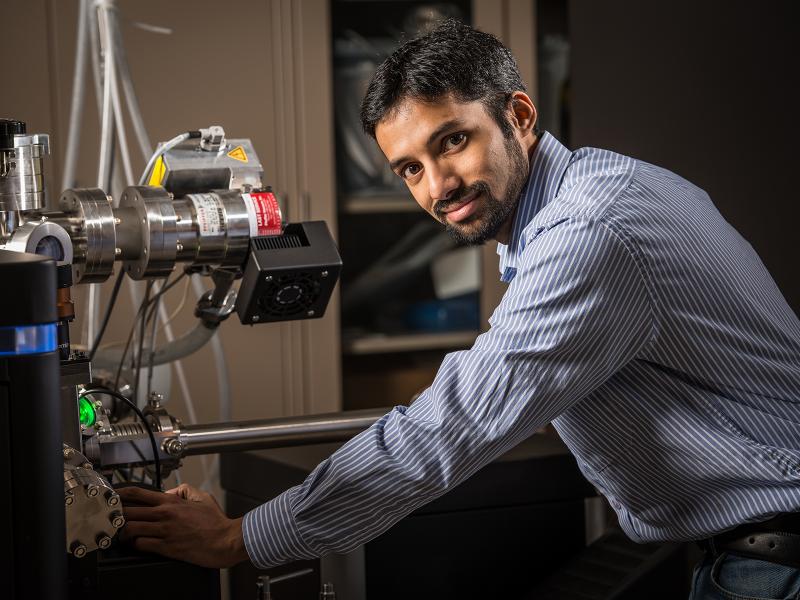
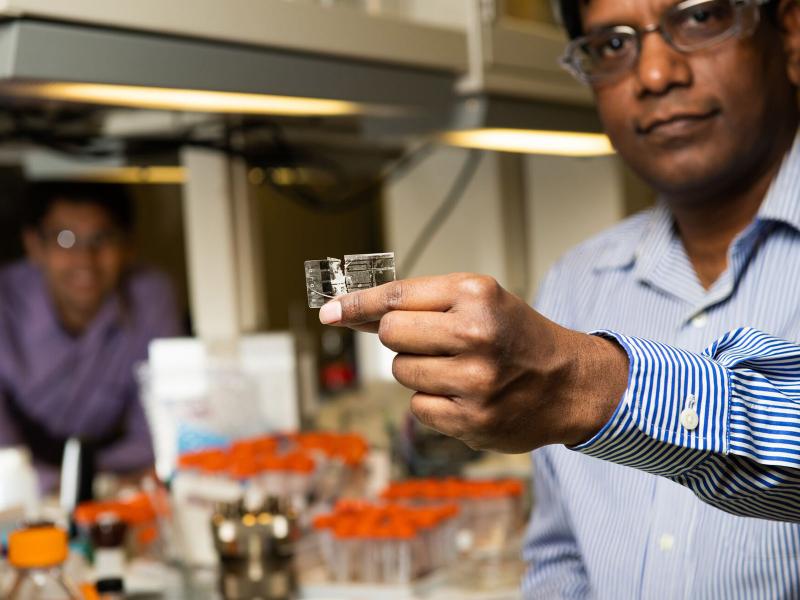
Materials Scientist Arun Devaraj has been selected among 76 recipients nationwide to receive a 2020 Early Career Research Program award from the U.S. Department of Energy
Jonathan Male originally joined PNNL in 2006 as a scientist focused on catalysis. After more than seven years leading DOE’s Bioenergy Technologies Office, he's back at PNNL as a chief scientist in the Energy Processes & Materials Division.
PNNL and WSU researchers have improved the performance and life cycle of sodium-ion battery technology to narrow the gap with some lithium-ion batteries.
Accurate identification of metabolites, and other small chemicals, in biological and environmental samples has historically fallen short when using traditional methods.
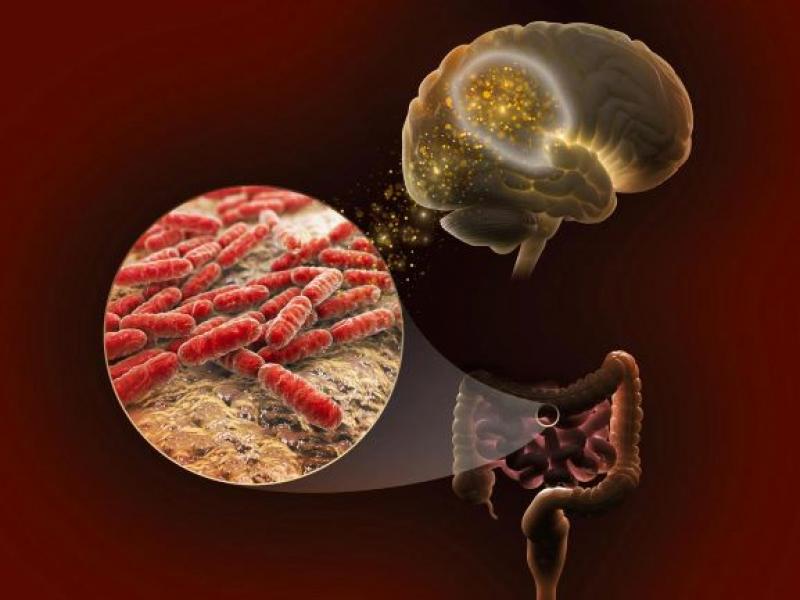
A new study is among the first to trace the molecular connections between genetics, the gut microbiome and memory in a mouse model bred to resemble the diversity of the human population.
Researchers at PNNL have come up with a novel way to use silicon as an energy storage ingredient, replacing the graphite in electrodes. Silicon can hold 10 times the electrical charge per gram, but it comes with problems of its own.
Scientists at Pacific Northwest National Laboratory have recently formed a new partnership with Washington State University Health Sciences Spokane to study how gut microbes influence circadian rhythms.
DOE researchers investigated the role of microbial genetic diversity in two major subsurface biogeochemical processes: nitrification and denitrification.
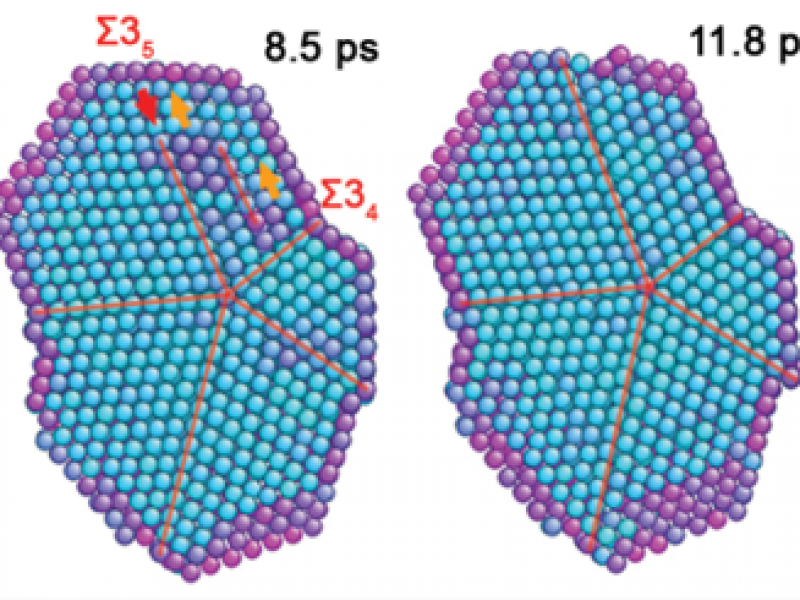
Researchers found that certain oxide interface configurations remain stable in extreme environments, suggesting ways to build better performing, more reliable devices for fuel cells, space-based electronics, and nuclear energy.
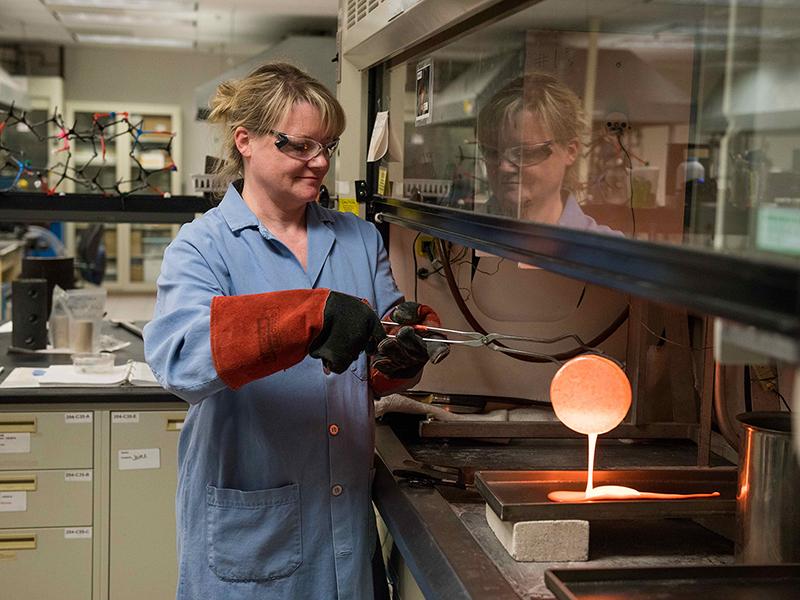
Performing nuclear safeguards work safely and developing the next generation workforce are complementary goals of a longstanding program sponsored by the National Nuclear Security Administration’s Office of International Nuclear Safeguards.
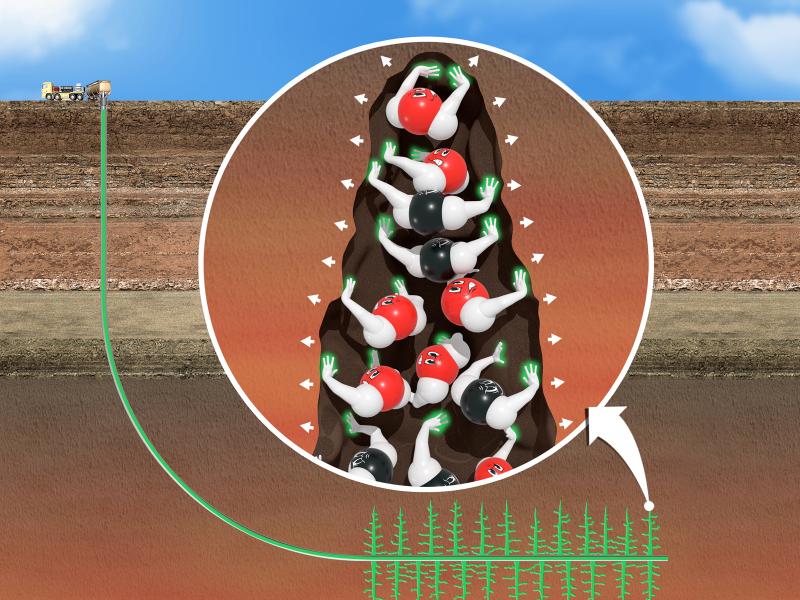
Researchers have identified two processes responsible for fracturing rock at lower pressures for geothermal energy production using PNNL’s fracturing fluid, StimuFrac™.
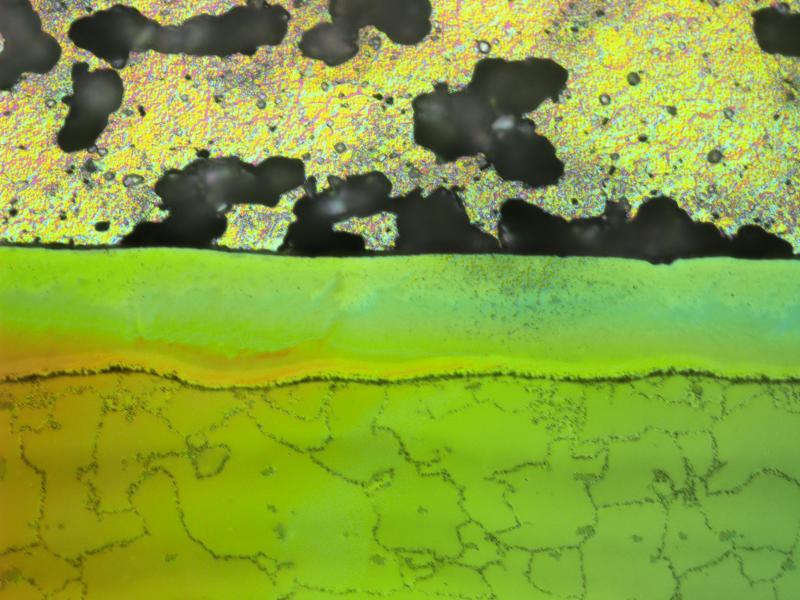
PNNL researchers demonstrated a nanoscale analysis tool to map isotopes to location in low-enriched uranium-molybdenum fuel plates for use in nuclear research reactors.