Sagadevan Mundree, director of the Queensland University of Technology Centre for Agriculture and the Bioeconomy, is joining PNNL as a joint appointee.
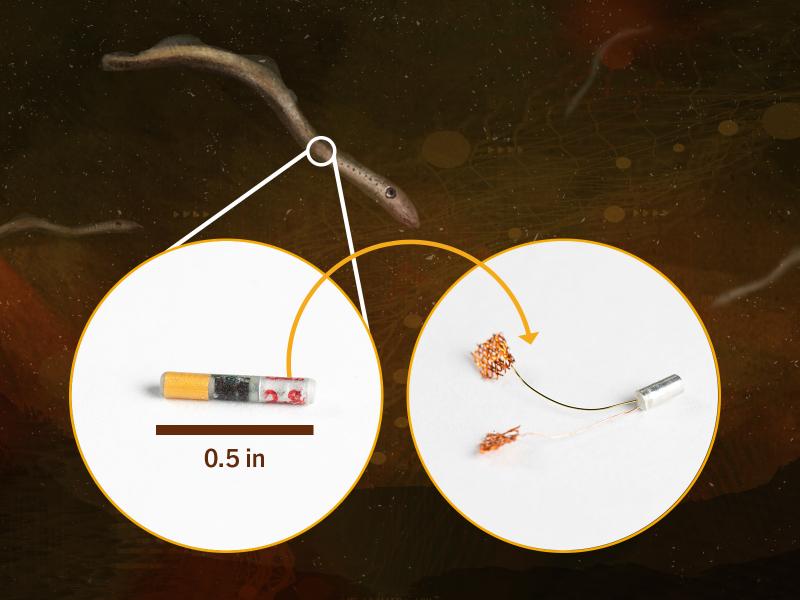
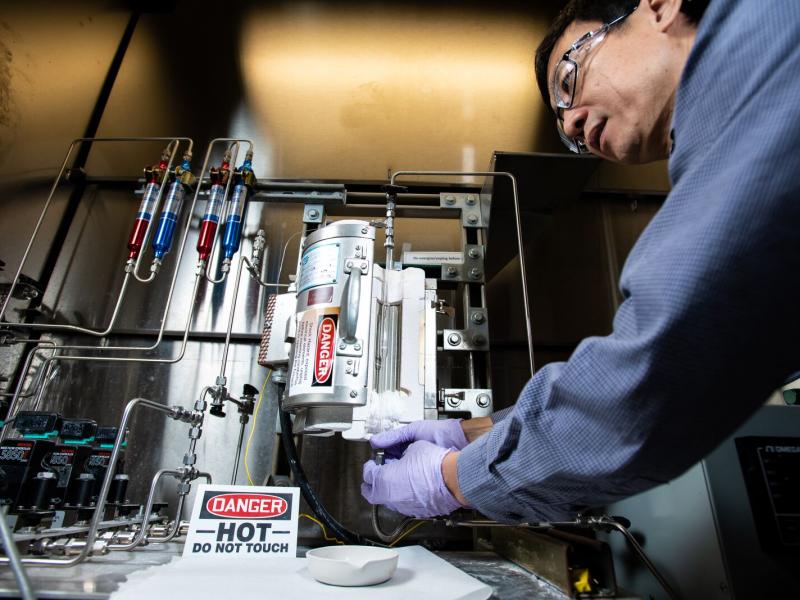
PNNL scientists developed a new, tiny battery and tag to track younger, smaller species, to evaluate behavior and estimate survival during downstream migration.
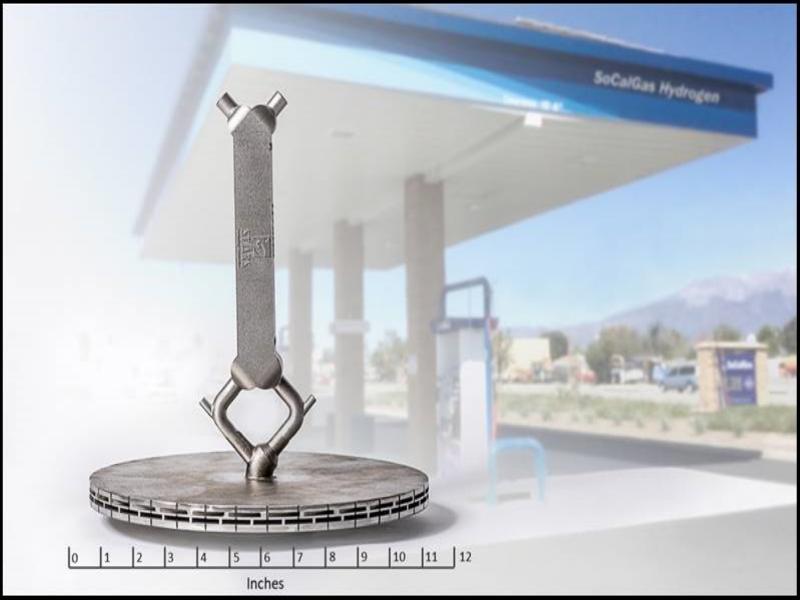
PNNL licensed two technologies to generate hydrogen. One, a reactor design, generates hydrogen from natural gas. The second innovation uses a 3D printing method to economically manufacture the generator.
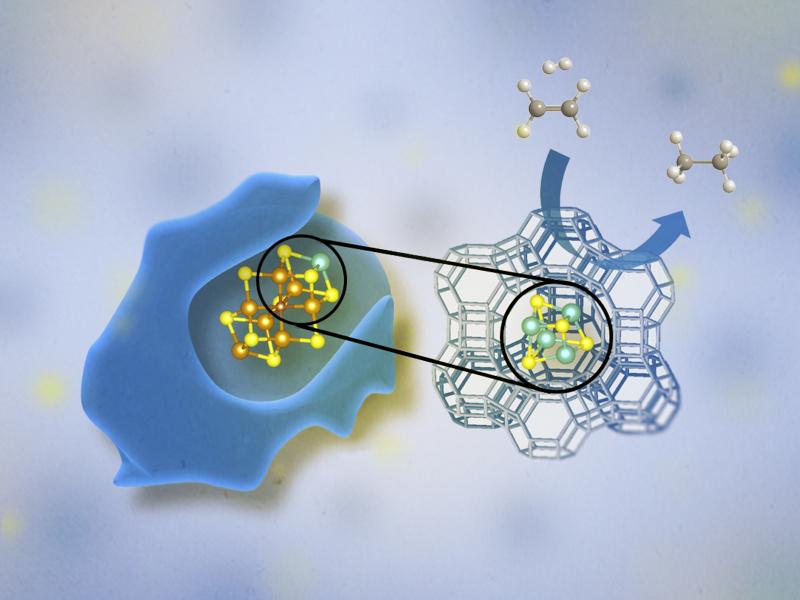
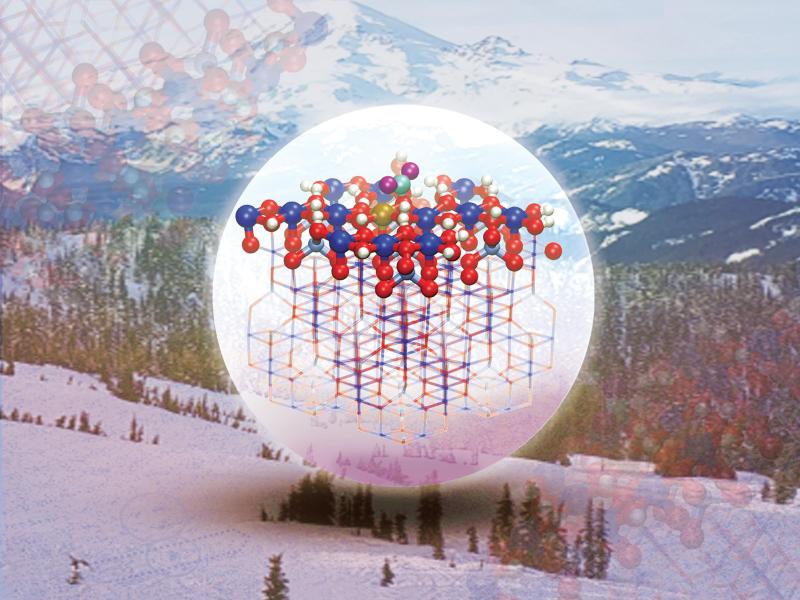
Tetranuclear molybdenum sulfide clusters encaged in zeolites mimic the FeMo-cofactor of nitrogenase, offering a new opportunity for improving industrial hydrotreatment processes.
A collaboration among PNNL, Washington State University, and Tsinghua University has led to the discovery of a mechanism behind the decline in performance of an advanced copper-based catalyst.
Marcel Baer is a computational scientist working in PNNL’s Physical Sciences Division with a prominent effort in materials science and physical bioscience.
New research uncovers the mechanism of carbon dioxide reduction by metal-O-Fe bonds of single-metal atoms and metal nanoparticles supported by oxidic surfaces.
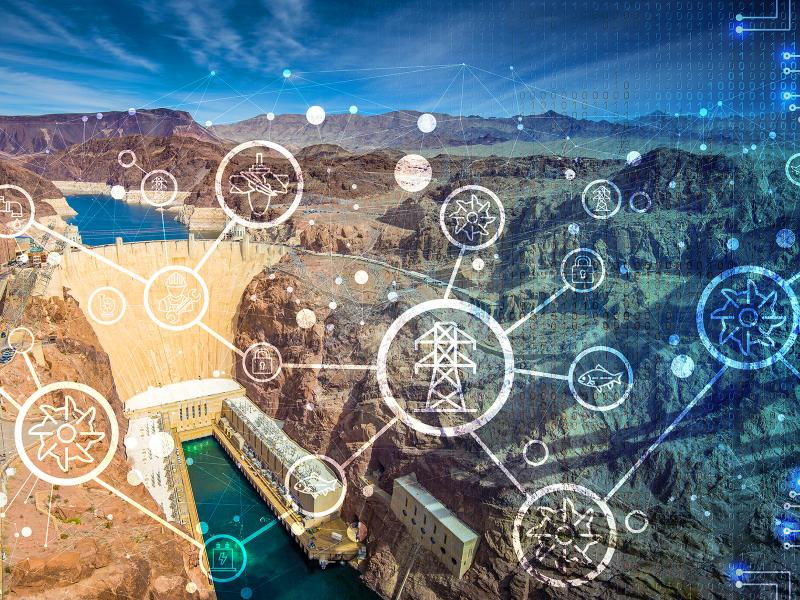
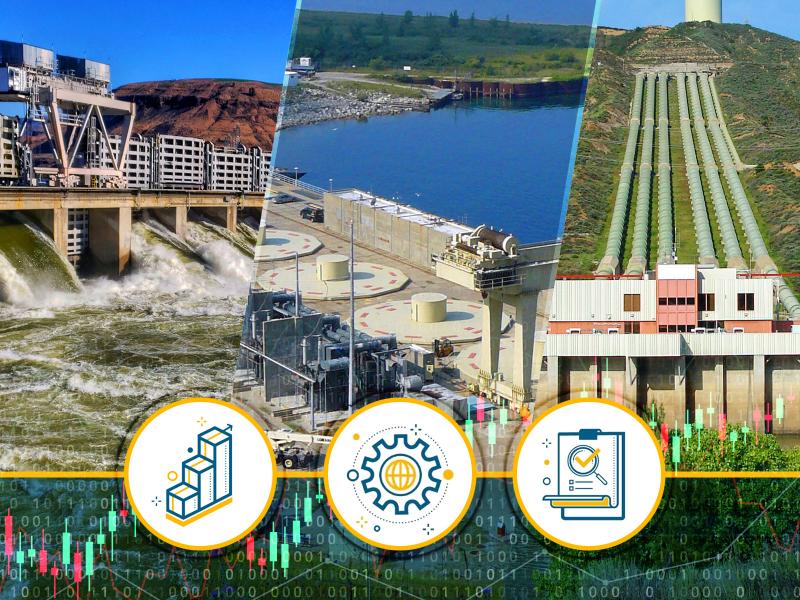
PNNL and four other national laboratories executed the Hydropower Value Study to examine hydropower operations in different regions of the United States.
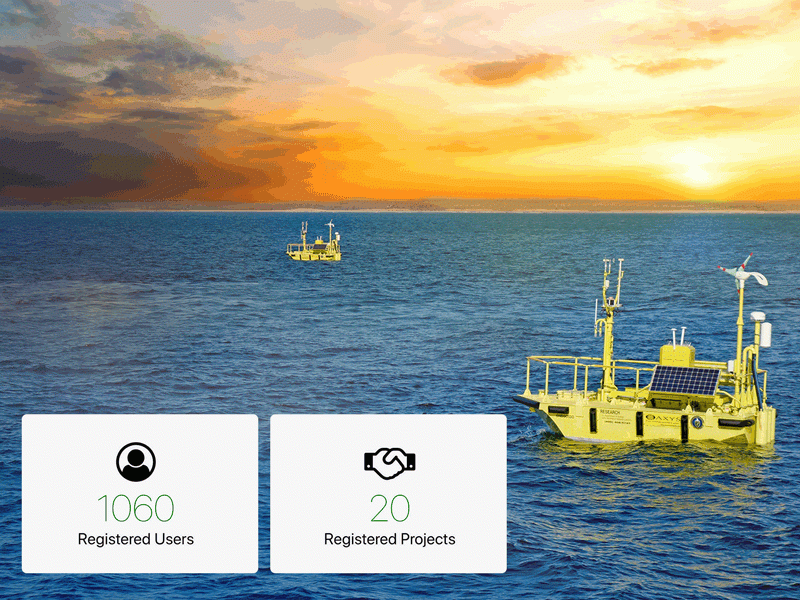
Samantha Eaves discusses the future of marine energy and her role with Triton from the Department of Energy Water Power Technologies Office perspective.
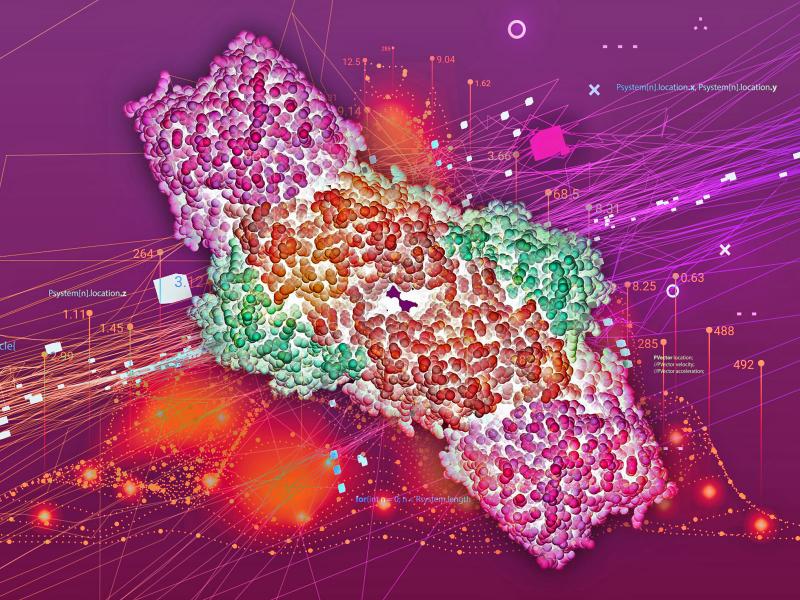
With quantum chemistry, researchers led by PNNL computational scientist Simone Raugei are discovering how enzymes such as nitrogenase serve as natural catalysts that efficiently break apart molecular bonds to control energy and matter.
Study says planners need to account for climate impacts on renewable energy during capacity development planning to fully understand investment implications to the power sector.