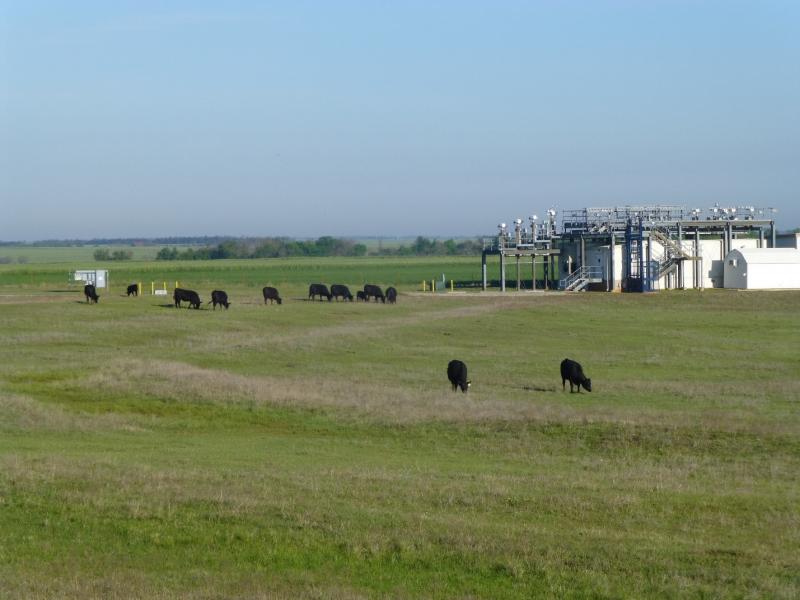
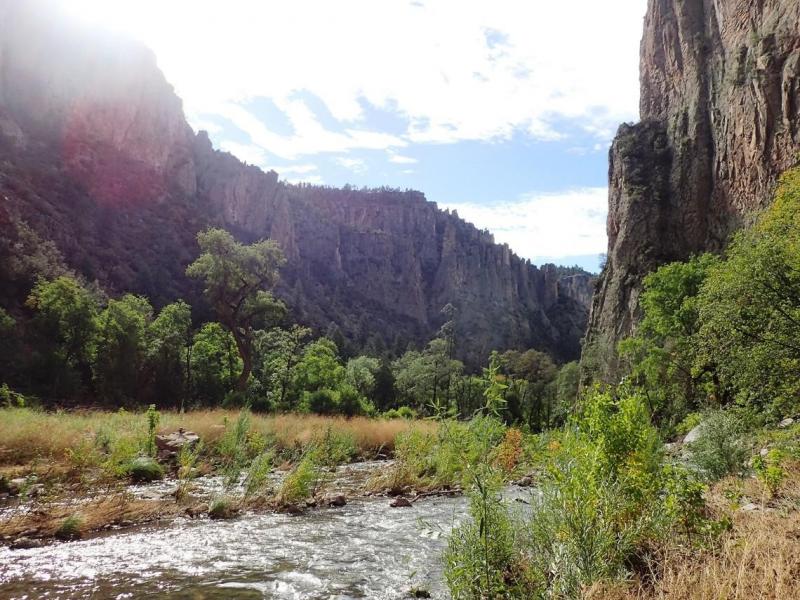
PNNL provided ultra-low measurements of argon-39 to date groundwater as part of a collaborative study of the aquifer in California’s San Joaquin Valley. PNNL is one of only a few laboratories worldwide with this capability.
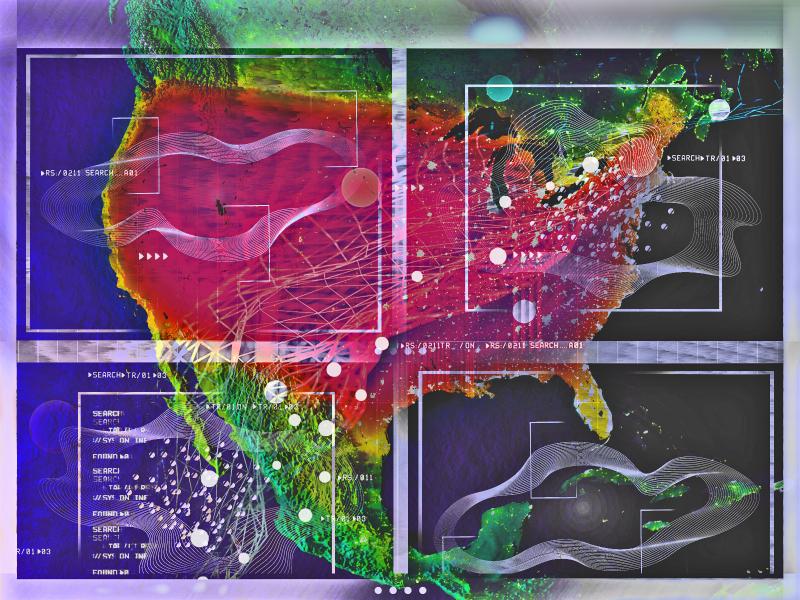
A research project that brings together mathematicians and atmospheric scientists has developed into a deep collaboration for improving atmospheric models.
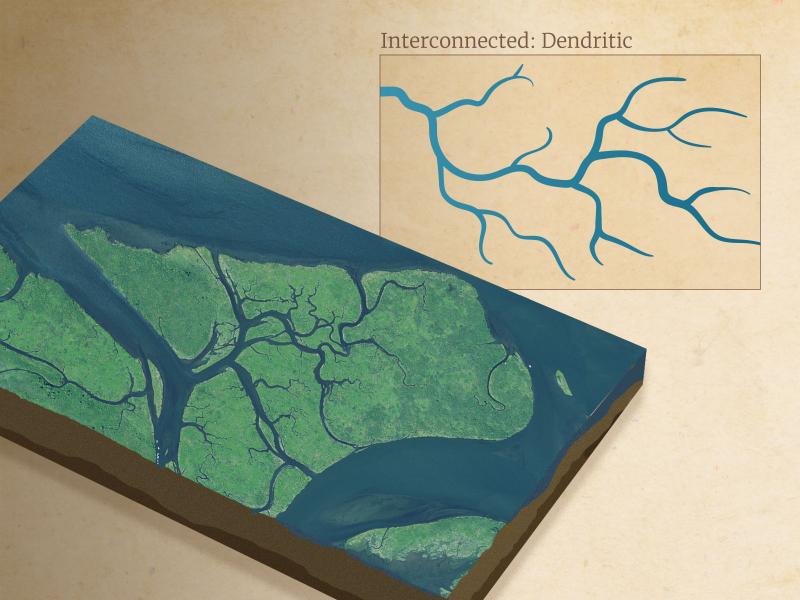
Principles derived from coastal wetlands to describe wetland channel cross-sections were applicable to the Columbia River estuary, but not the tidal river.
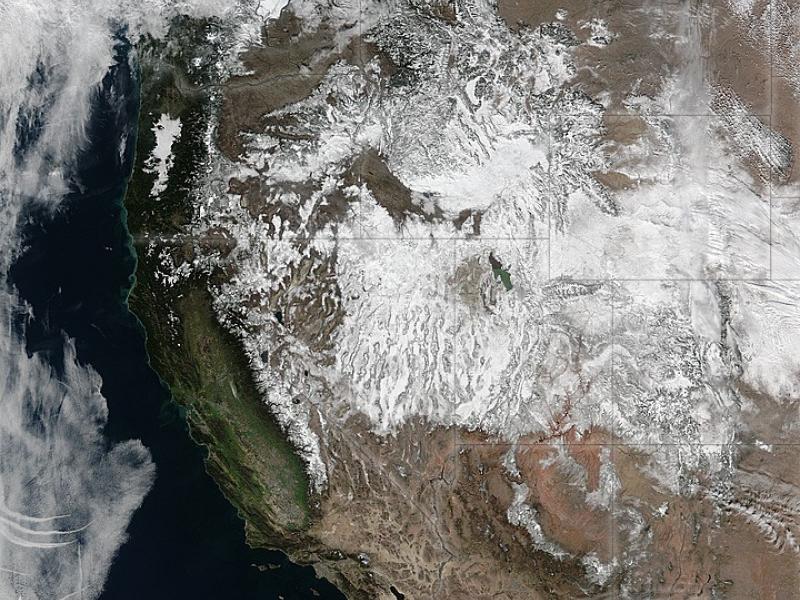
Researchers found that warmer local sea surfaces increase the winter snowpack in the Sierra Nevada mountains, but reduce snowpack in the Cascade range.
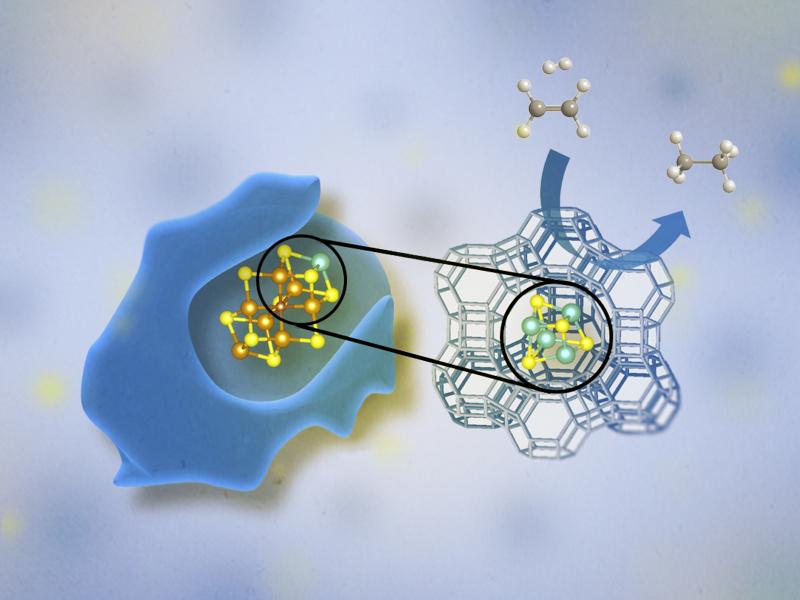
Tetranuclear molybdenum sulfide clusters encaged in zeolites mimic the FeMo-cofactor of nitrogenase, offering a new opportunity for improving industrial hydrotreatment processes.
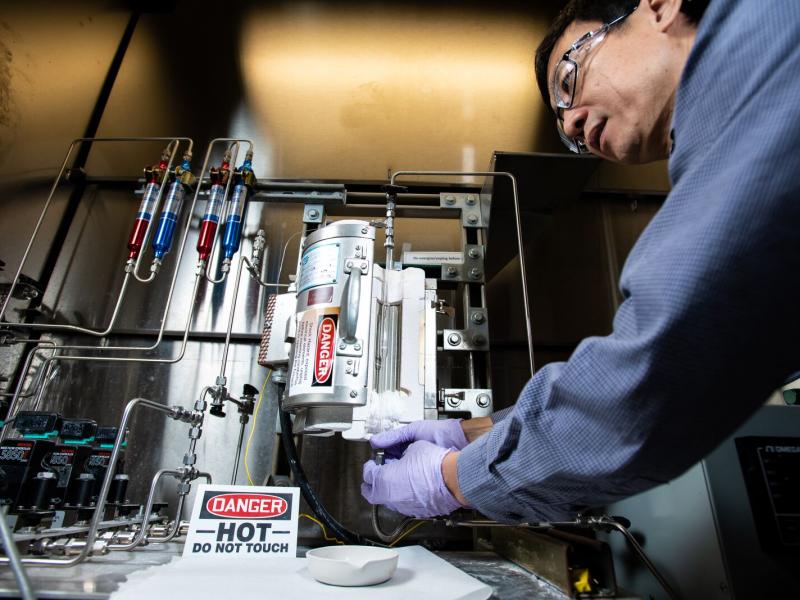
A collaboration among PNNL, Washington State University, and Tsinghua University has led to the discovery of a mechanism behind the decline in performance of an advanced copper-based catalyst.
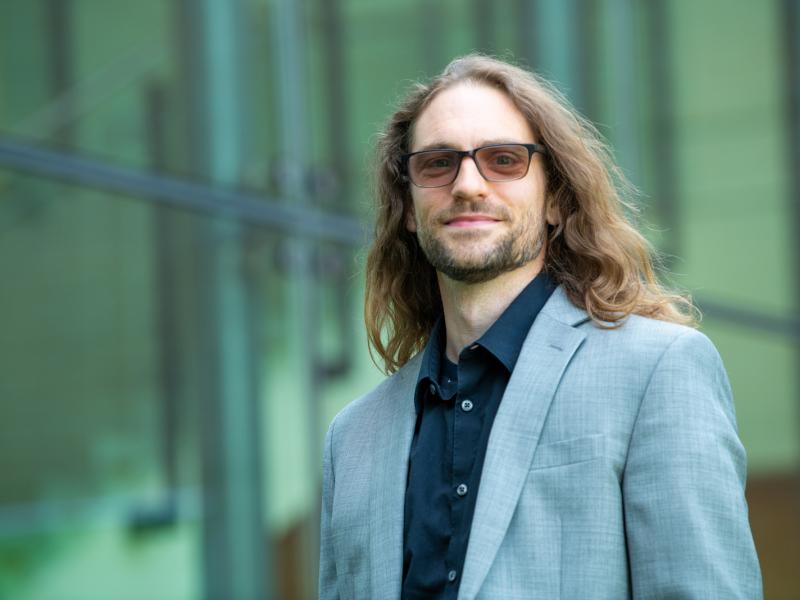
Marcel Baer is a computational scientist working in PNNL’s Physical Sciences Division with a prominent effort in materials science and physical bioscience.
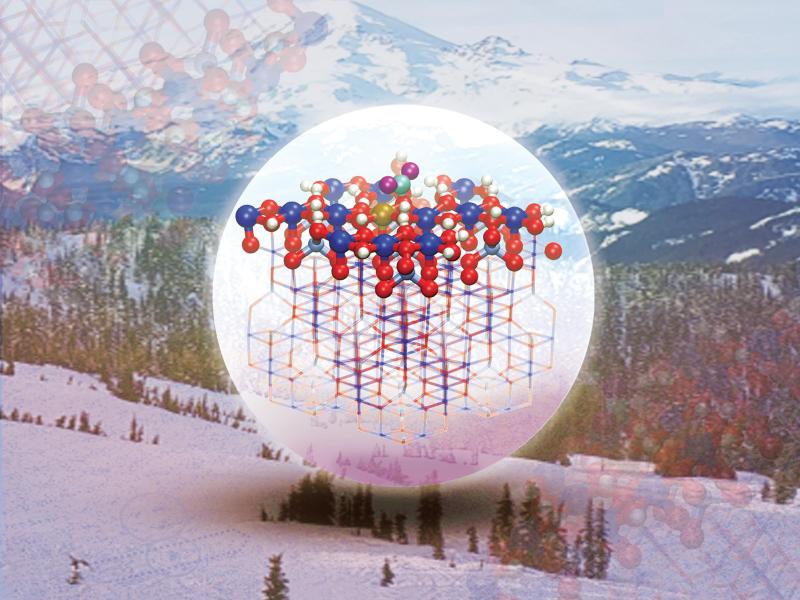
New research uncovers the mechanism of carbon dioxide reduction by metal-O-Fe bonds of single-metal atoms and metal nanoparticles supported by oxidic surfaces.